
Film
Servants
Two theology students in Cold War Czechoslovakia face an impossible moral choice: collaborate with the secret police or endure their relentless surveillance. Austere and intimate, this Slovak film distils the corroding weight of totalitarianism into a handful of confessional scenes. For anyone drawn to stories about conscience under pressure, where the stakes are internal before they're external.
Should you watch it?
Watch it if you are drawn to quiet, claustrophobic character studies where moral pressure builds through small compromises, conversation and silence rather than action.
Skip it if you need a brisk plot engine; it moves slowly, leans on oppressive stillness, and rarely lets the tension release.
What it asks of you: Roughly eighty minutes of unbroken attention, with long held shots and dialogue that carries real weight; the dread gathers slowly rather than arriving in bursts.
Not sure? Find tonight's pick in a minute.
If you liked this
A Prophet2009
Prison as a crucible for transformation and corruption. Like Servants, it traces how systems strip away identity and force impossible allegiances, building moral complexity from confined spaces and watched men.
But French prison drama with subtitles; deliberately paced and dark, with none of the cathartic release genre viewers might expect.

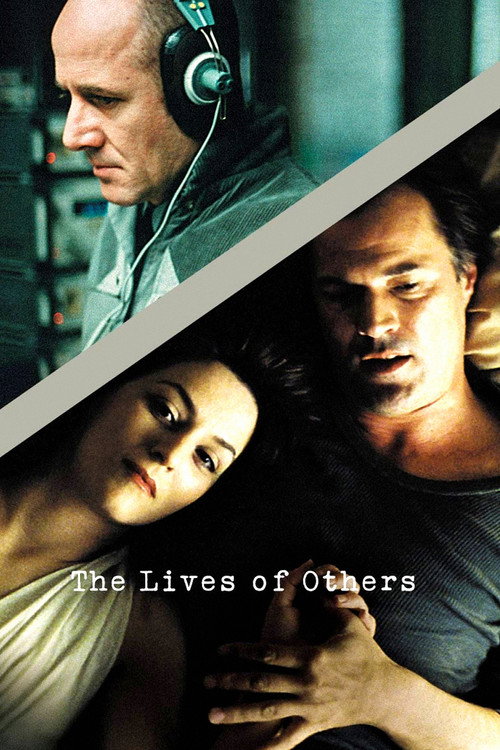
The Lives of Others2006
East German secret police surveillance and the moral rot it breeds. Both films understand that totalitarianism's true weapon isn't violence but the erosion of trust and the corruption of the soul.
But Heavy, methodical, and bleak. The political context matters; without it, some will find it remote and slow.
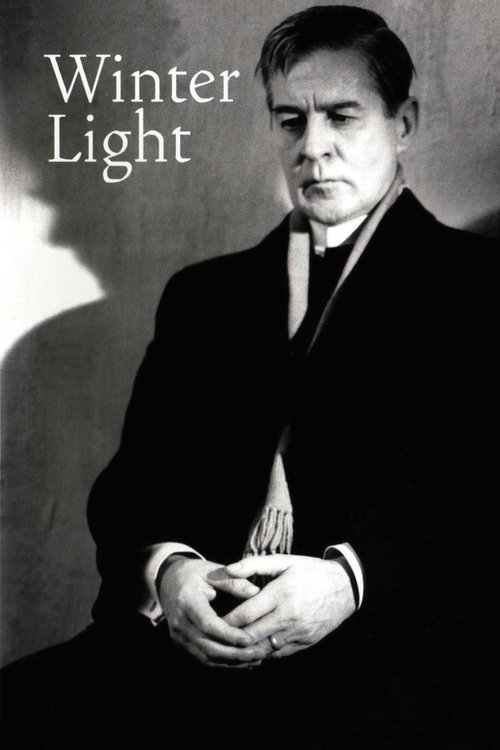
Winter Light1963
Bergman's spare examination of faith in crisis. Two austere studies of men wrestling with belief in hostile circumstances, both finding truth in silence and the spaces between words.
But Bergman at his most abstract. If you need plot momentum or emotional warmth, this will feel like punishment.
Not sure tonight? Get a pick in a minute, starting from Servants
The wildcard
Something you would not have found on your own.
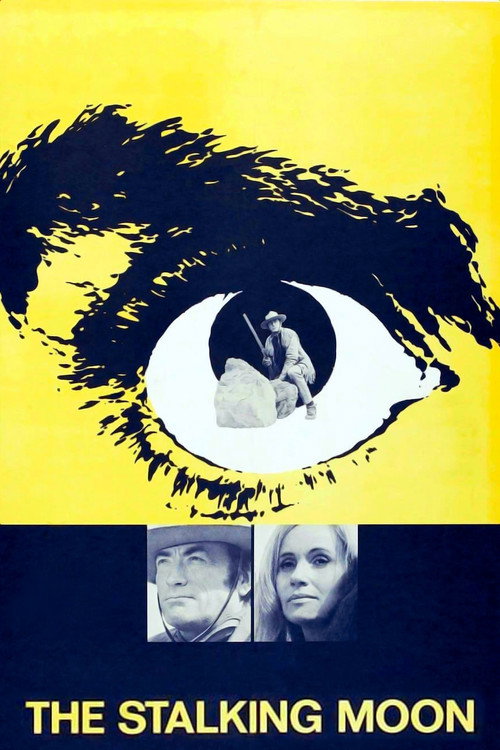
The Stalking Moon1968
Both films understand that totalitarian systems corrupt not just the oppressed but the apparatus itself; surveillance doesn't clarify, it distorts.
A Soviet thriller where watchers become the watched—surveillance as trap for the observer. Reverses Servants' power dynamic while keeping the same oppressive atmosphere and the same question: who really has freedom?
But Obscure Soviet film, difficult to source. The pacing is glacial even by Eastern European standards, and the ending offers no moral resolution.
More like this (8)
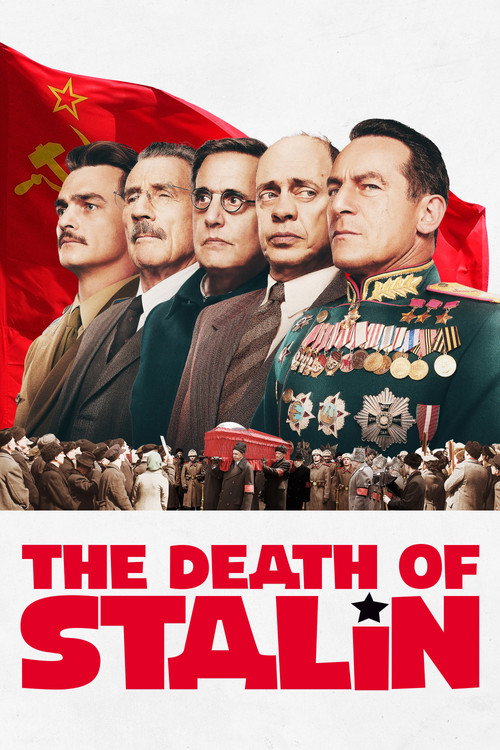
The Death of Stalin2017
Soviet apparatus machinery grinding through grief and fear. Black-and-white Soviet brutalism, gallows humour, and men trapped in systems that demand complicity. Darker cousin to Servants' moral suffocation.
But Stylised and deliberately distant. The humour lands hard or not at all depending on your tolerance for cold comedy about atrocity.
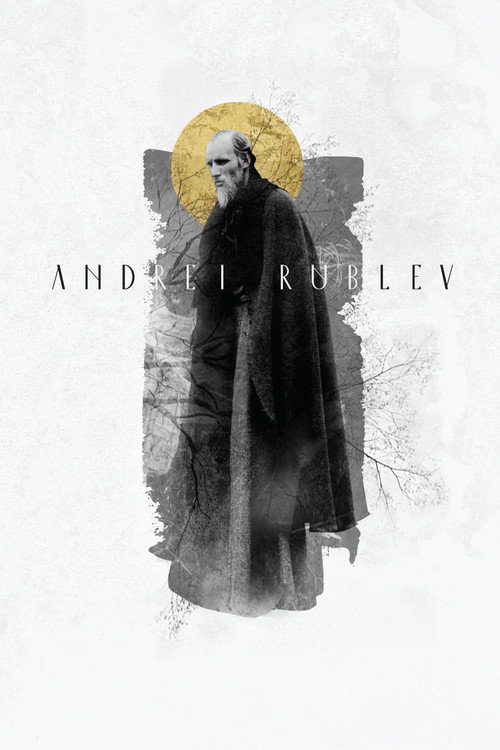
Andrei Rublev1966
Tarkovsky's medieval Russian iconographer under state pressure. Epic scope, but the same question: how does an artist maintain integrity when power demands surrender? Moral endurance as the true subject.
But Three hours of painterly slowness. Requires patience with long static shots and spiritual abstraction over narrative.
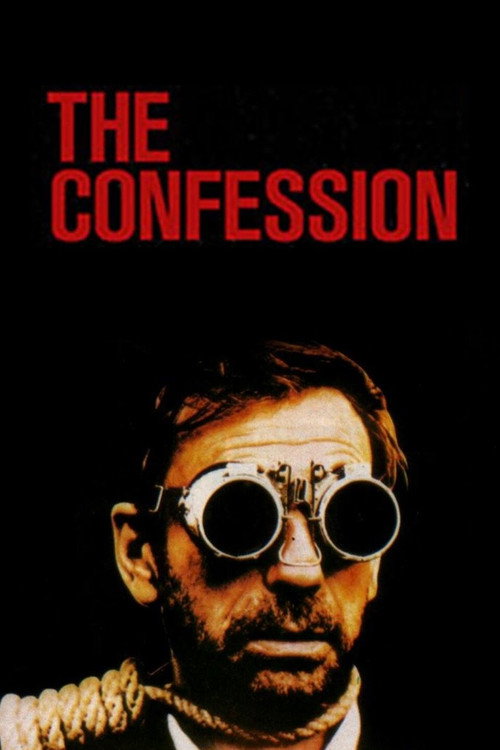
The Confession1970
Costa-Gavras on Czechoslovak show trials and coerced confession. Direct historical parallel to Servants' world, examining how systems weaponise guilt and manipulate the guilty into performing their own destruction.
But Docudrama framework feels dated. The interrogation scenes are gruelling; if you're watching to feel better, this won't help.
Stalker1979
Tarkovsky again, but here the state is a phantom presence rather than visible force. Two men moving through constraint and desire. Shares Servants' spiritual dread and the sense of invisible pressure.
But Science-fiction framework conceals a philosophical meditation that moves at geological pace. Not for viewers who need their meaning straightforward.

In the Mood for Love2000
Wong Kar-wai's study of two people unable to touch, confined by social surveillance and propriety. Like Servants, it finds emotional intensity in restriction, and makes constraint itself the source of longing.
But Visually baroque and oblique. The emotional content is wordless; if you prefer drama that states its case plainly, this elliptical approach will frustrate.

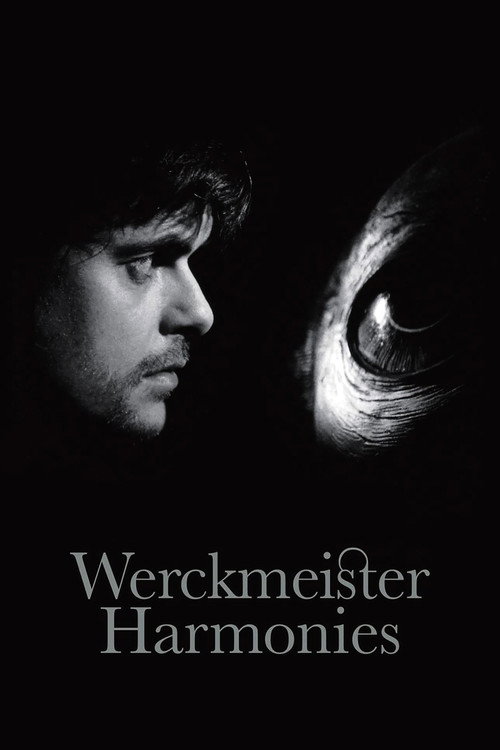
Werckmeister Harmonies2001
Béla Tarr's vision of totalitarian atmosphere—not a specific state, but the feeling of creeping darkness and collective complicity. Same moral unease, same mastery of dread through long takes and silence.
But Black-and-white, 145 minutes, almost no dialogue. This is cinema as endurance test; most viewers will quit before the end.
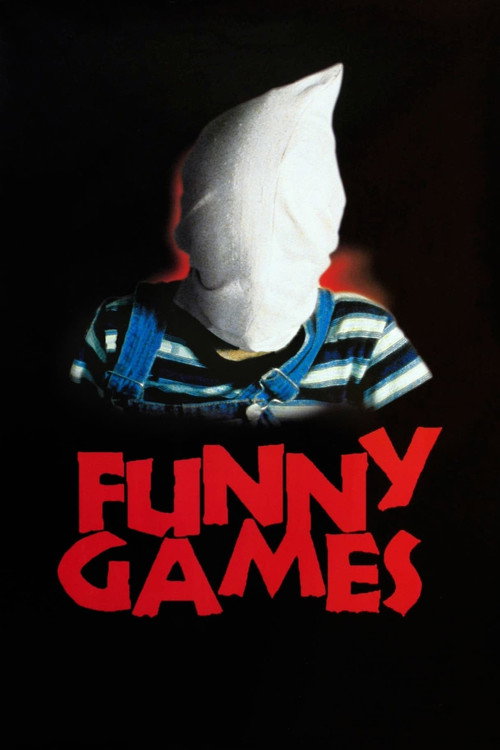
Funny Games1997
Both use confinement and observation as tools to trap the viewer in moral discomfort. Servants does it quietly; Funny Games does it with a sledgehammer. Same question, different instrument.
Haneke's Austrian psychodrama of captivity and complicity. Two young men hold a family hostage; the film watches what the audience watches. Like Servants, it examines how we become implicated in what we observe.
But Gruelling home-invasion violence and moral provocation. Haneke forces viewers to confront their own desire to see suffering; many will find it punitive rather than enlightening.
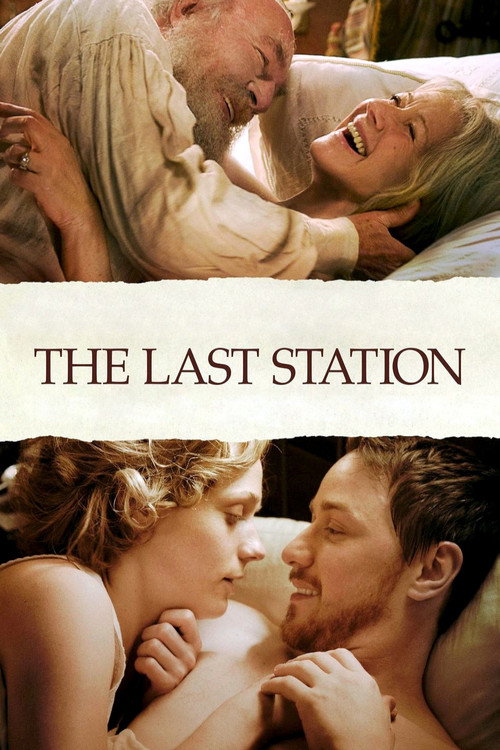
The Last Station2009
Both centre on men of principle in their final confrontation with what they've believed. Where Servants is cold and observational, this is intimate and elegiac—same material, different temperature.
Tolstoy in his final days, wrestling with the gap between faith and life, principle and compromise. Two old men—the director and his wife—in conflict over what it means to live according to your beliefs. Quieter register, but the same exhausted moral reckoning.
But Prestige biopic with movie stars. The spiritual crisis is real, but the comfort of literary adaptation and warm cinematography softens the bite.
People
Cast
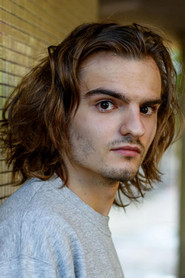 Samuel SkyvaJuraj
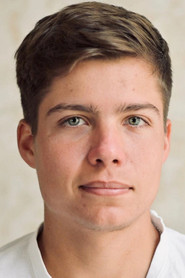 Samuel PolakovičMichal
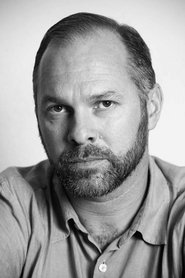 Vlad IvanovDr. Ivan
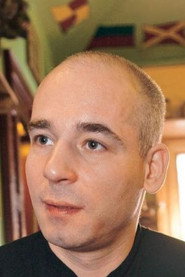 Milan MikulčíkClergyman
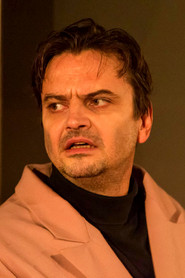 Tomáš TurekLeader
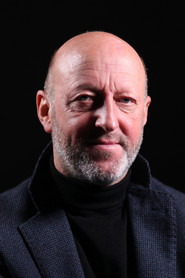 Vladimír ZboroňSecretary
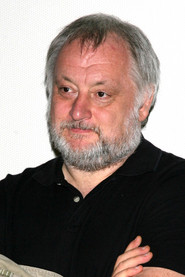 Martin ŠulíkPhysician
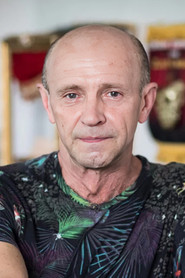 Vladimír ObšilFather Coufar
- Peter ZálesnákSecret Policeman 2
- Zvonko LakčevičSecret Policeman 1
- Dusan KuznecovMinister
Directing
- Ivan OstrochovskýDirector
Writing
- Ivan OstrochovskýScreenplay
- Marek LeščákScreenplay
- Rebecca LenkiewiczScreenplay
Production
- Mike DowneyCo-Producer
- Oana GiurgiuCo-Producer
- Pavel StrnadCo-Producer
- Petr OukropecCo-Producer
- Sam TaylorCo-Producer
- Tudor GiurgiuCo-Producer
- Albert MalinovskýExecutive Producer
- Albert MalinovskýProducer
- Ivan OstrochovskýProducer
- Katarína TomkováProducer