
Film
Andrei Rublev
Tarkovsky's monumental portrait of the 15th-century icon painter is less biography than meditation: long, contemplative, often brutal vignettes of medieval Russia's violence, faith and endurance, building toward the quiet miracle of his surviving work. Shot in stark black-and-white until a final burst of colour reveals the icons themselves, it rewards patience and stillness rather than plot, best watched by anyone drawn to slow cinema's power to make time feel sacred.
If you liked this
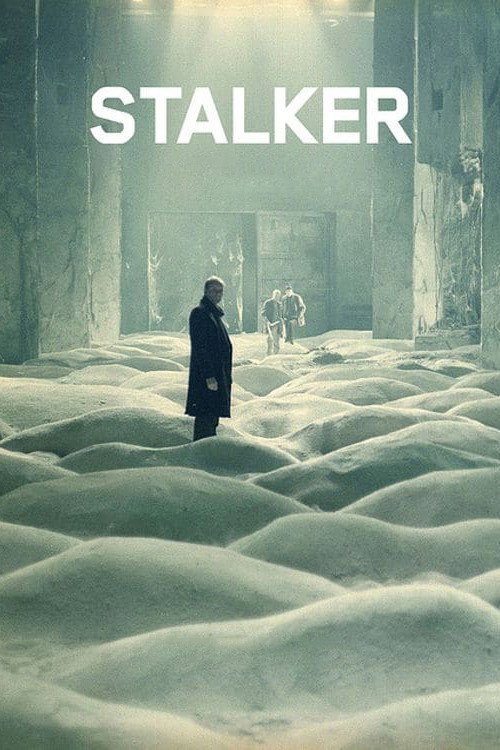
Stalker1979
The other half of Tarkovsky's method: long unbroken takes, mud and rust standing in for cathedral stone, and the same patient faith that meaning will surface if you just keep looking.
But It's even slower than Rublev, with almost no plot and a runtime that tests patience hard.
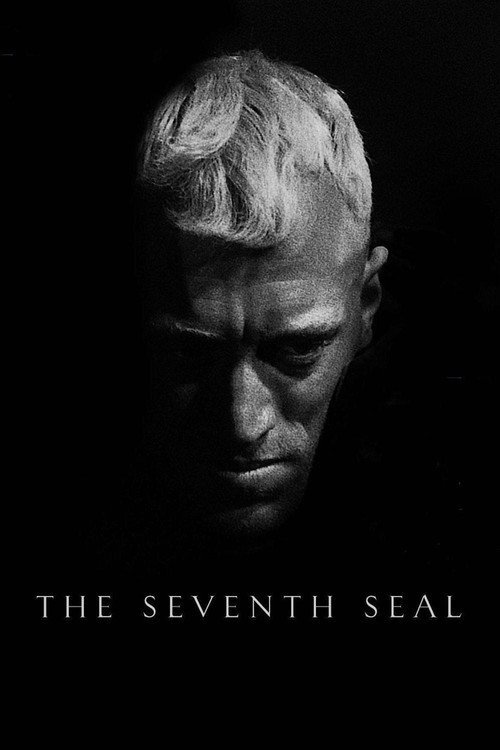
The Seventh Seal1957
Bergman's medieval knight bargains with Death across a plague-ravaged landscape, asking the same unanswerable questions about faith, mortality and suffering that haunt Rublev's Russia centuries later.
But The theatrical, symbol-heavy style feels more stagey and less physically immersive than Tarkovsky's earthbound realism.
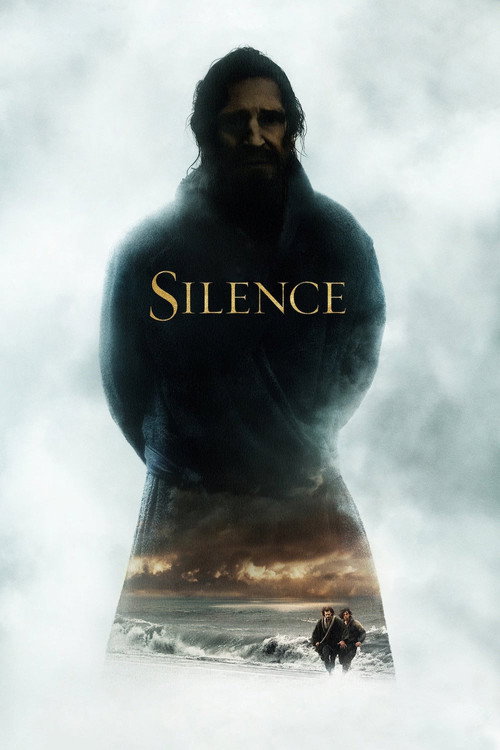
Silence2016
Two Jesuit priests risk torture and death in 17th-century Japan, wrestling with doubt in a way that mirrors Rublev's own crisis of faith and purpose.
But Scorsese's reverence occasionally tips into ponderousness, and its two-and-a-half-hour runtime asks a lot without much levity.
The wildcard
Something you would not have found on your own.
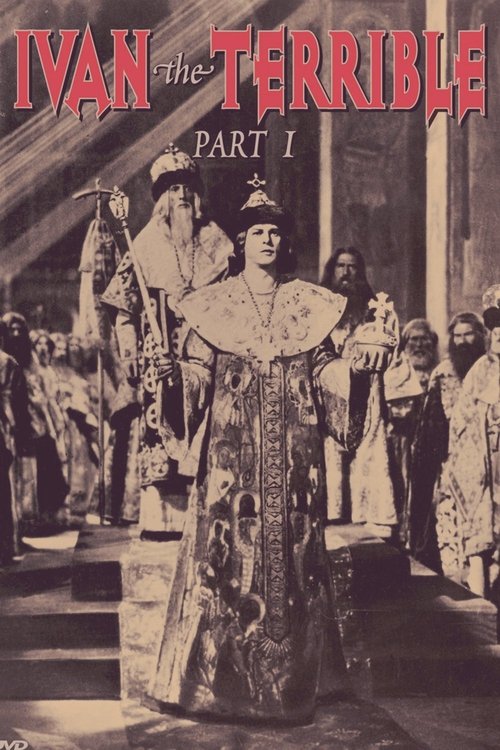
Ivan the Terrible, Part I1944
Both are Russian historical epics made under Soviet censorship about the cost of making art (or ruling) inside an autocracy — Eisenstein's film was shelved by Stalin much as Rublev was shelved by the Brezhnev-era state.
Eisenstein's stylised, shadow-drenched epic covers the same Russian past through an entirely different aesthetic — expressionist faces, theatrical gesture — and was itself half-suppressed by Stalin for its portrait of tyranny.
But The performances are deliberately stylised rather than naturalistic, and the political subtext can feel dated or heavy-handed to modern eyes.
More like this (8)
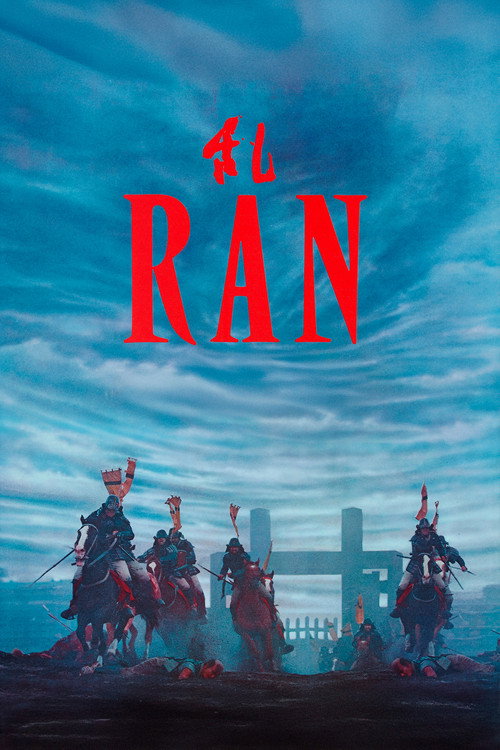
Ran1985
Kurosawa transposes King Lear into a splintering feudal Japan, staging painterly, almost unbearably beautiful battle scenes that turn slaughter into something you simply cannot look away from.
But It's grander and more operatic than Rublev's grounded chronicle, with less interior stillness and more spectacle.
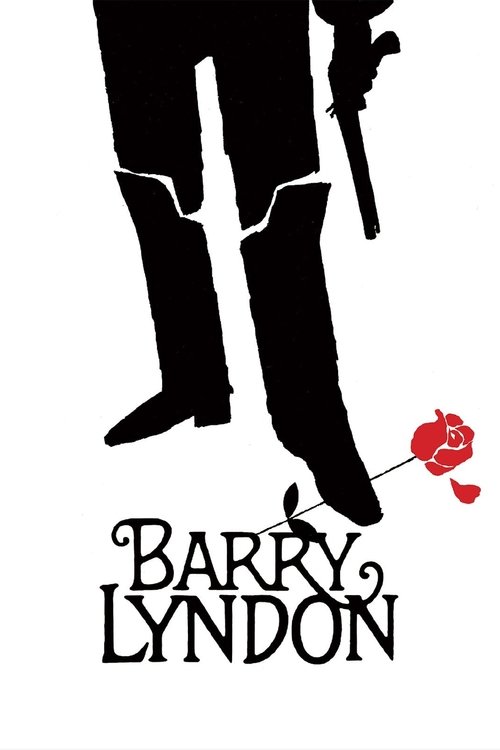
Barry Lyndon1975
Kubrick's 18th-century picaresque moves at a stately, candlelit pace, treating every single frame like a period painting, the same patience Tarkovsky brings to Rublev's world.
But Its irony is colder and its hero far less sympathetic than the wandering monk you'll have just spent three hours with.
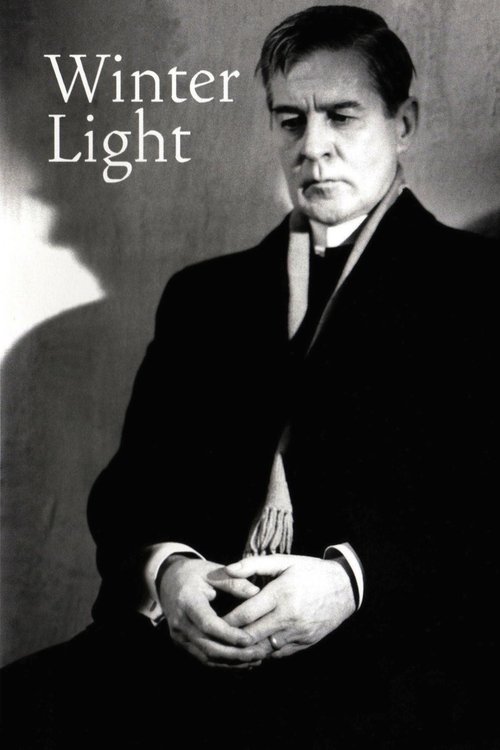
Winter Light1963
A pastor loses his faith in real time, in eighty minutes as unflinching as anything Tarkovsky attempts, stripped down to bare walls and bare conscience.
But It's austere to the point of bleakness, with almost no visual reward to offset the spiritual despair.
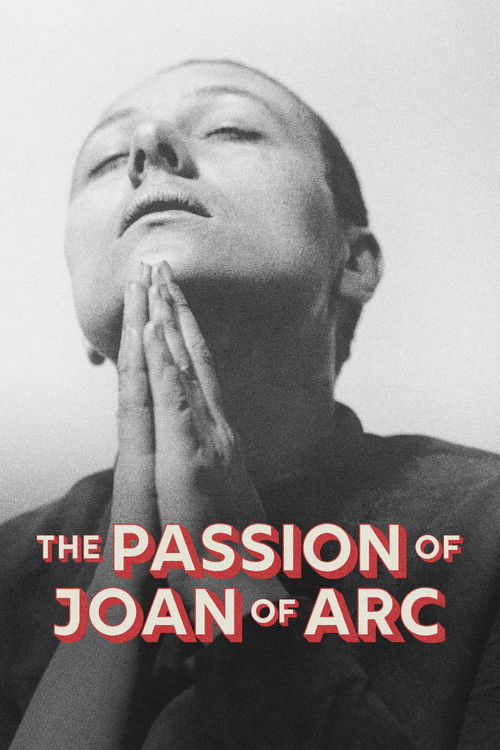
The Passion of Joan of Arc1928
Falconetti's face alone carries an entire film about faith, persecution and martyrdom in this silent masterpiece, decades before Tarkovsky filmed his own suffering visionary monk.
But Silent cinema and title cards take real adjustment, and its intensity is almost entirely facial rather than pictorial.
Ivan's Childhood1962
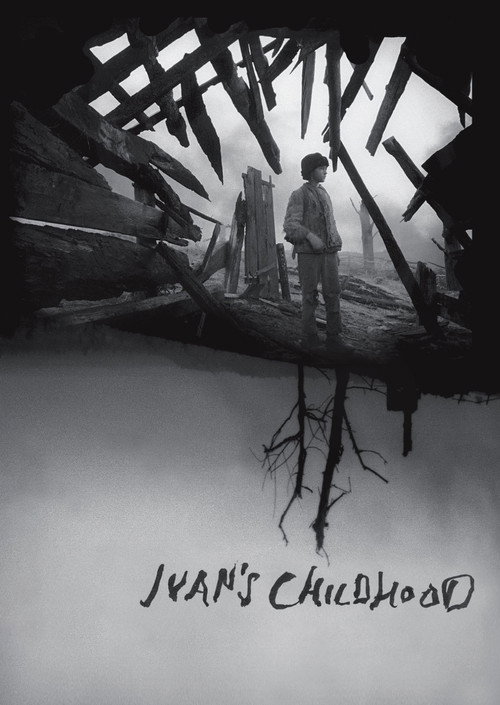
Tarkovsky's debut, about a boy orphaned by war and turned into a scout, shows the same eye for beauty inside horror that later defines Rublev.
But It's shorter and more conventional than his later work, closer to straight war drama than meditation.
The Lord of the Rings: The Return of the King2003
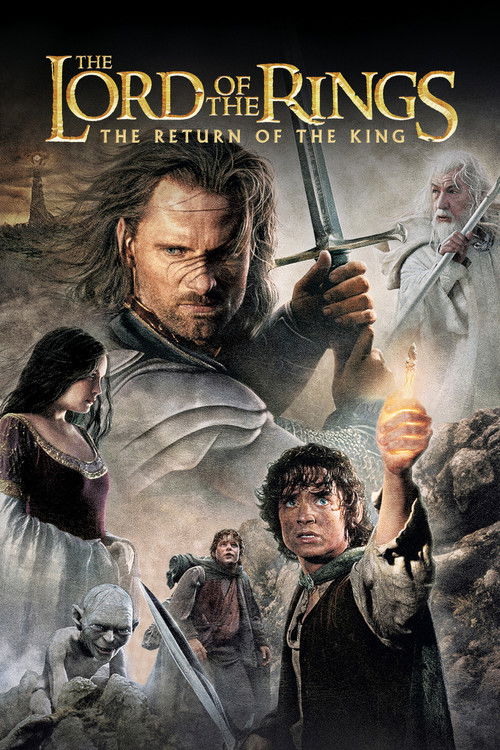
A modern Russian father reappears to take his sons on a strange, silent journey, carrying Tarkovsky's DNA into the 21st century with the same patient dread.
But Its ambiguity can feel withholding, and newcomers to this style may find the silence more frustrating than transcendent.
Come and See1985
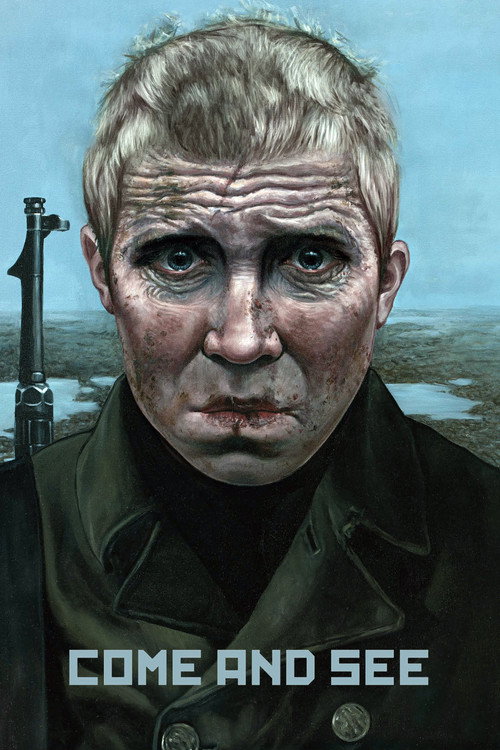
Rublev's vow of silence follows one glimpse of slaughter; Come and See asks what staring at slaughter without looking away does to a soul, just louder and closer.
This Belarusian war film drags a teenage boy through the Nazi occupation with a nightmarish intensity that makes Rublev's own witnessed massacre look almost restrained.
But It is genuinely traumatic, one of the most punishing war films ever made, with none of Rublev's contemplative distance.
Loving Vincent2017
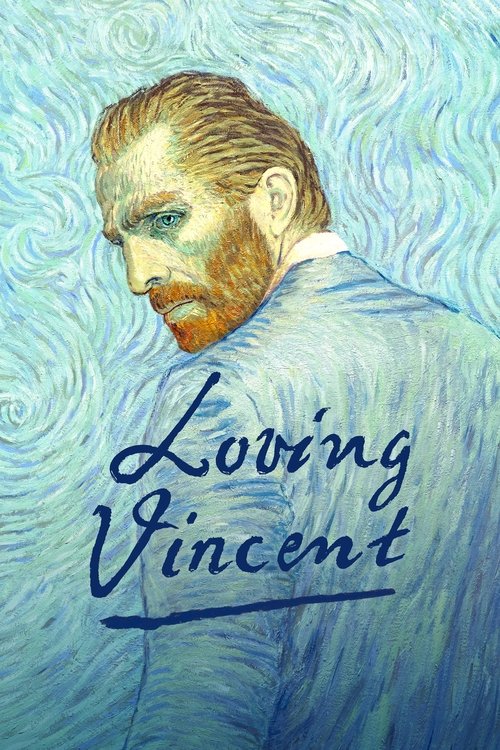
Where Rublev shows an icon painter finding his way back to the brush after horror, Loving Vincent imagines the end of a painter's road — both use the artist's actual medium to tell his story.
Every frame of this biography of Van Gogh's death is an oil painting, animated by a hundred artists — a strange, moving way of asking what a life spent making art actually costs.
But The mystery-plot framing is thin, and the visual novelty can distract from genuine emotional depth.
People
Cast
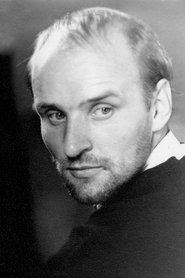 Anatoliy SolonitsynAndrei Rublev
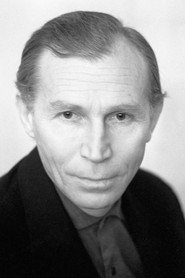 Ivan LapikovKirill
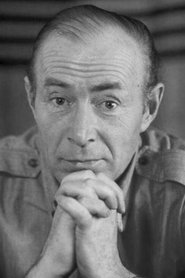 Mykola HrynkoDaniil Chornyy
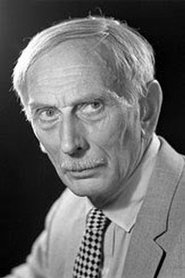 Nikolai SergeyevTheophanus the Greek
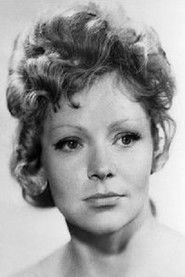 Irma RaushGod's Fool
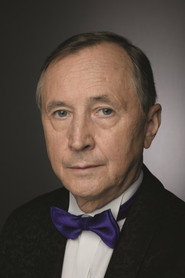 Nikolay BurlyaevBoriska
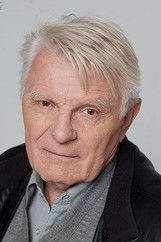 Yuriy NazarovGrand Duke / Minor Duke
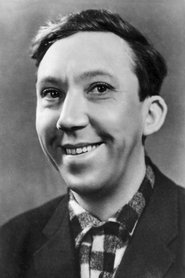 Yuriy NikulinPatrikey
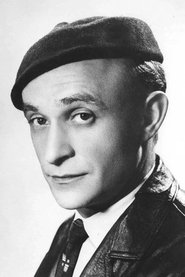 Rolan BykovBuffoon
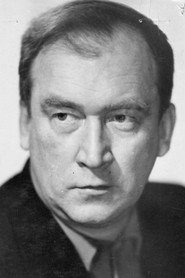 Nikolay GrabbeStepan, Centurion of the Grand Duke
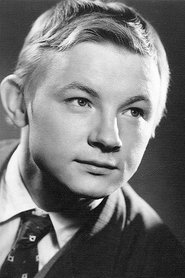 Mikhail KononovFoma
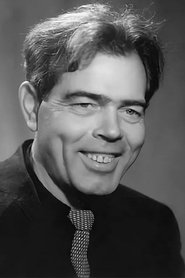 Stepan KrylovSenior Foundry Worker
Directing
- Aleksandra MacheretAssistant Director
- Larisa TarkovskayaAssistant Director
- Marina VolovichAssistant Director
- А. НиколаевAssistant Director
- Andrei TarkovskyDirector
- Bagrat OganesyanFirst Assistant Director Trainee
- Igor PetrovSecond Unit Director
Writing
- Maria MertsalovaScript Consultant
- Saveliy YamshchikovScript Consultant
- Владимир ПашутоScript Consultant
- L. LazarevScript Editor
- Andrei KonchalovskyWriter
- Andrei TarkovskyWriter
Production
- Tamara OgorodnikovaExecutive Producer
Recommended by
Ran, The Seventh Seal, The Devils, Ivan's Childhood, Ivan the Terrible, Part I, The Virgin Spring, Becket