
Film
Warsaw Uprising
- Drama
- Very dark
An animated account of the 1944 Warsaw Uprising told through the eyes of a downed American airman and two Polish newsreel cameramen documenting the conflict. This is a serious, historically grounded drama that trades spectacle for intimate witness—what it felt like to live inside an impossible moment, unable to look away.
If you liked this
Come and See1985
Elem Klimov's masterpiece follows a boy conscripted into the Soviet army during WWII, charting his loss of innocence through overwhelming sensory brutality. It's cinema as moral reckoning, unflinching about the human cost of war.
But It is genuinely difficult to watch—not for shock value, but because it insists you witness suffering without flinching or distance. Some find this necessary; others find it unbearable.

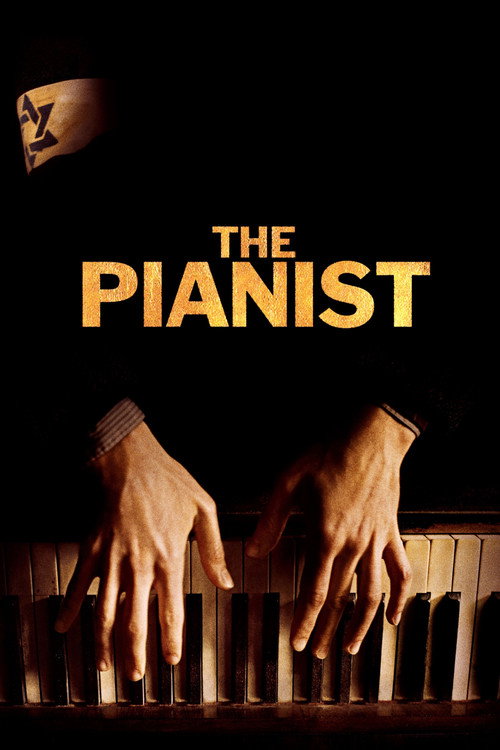
The Pianist2002
Roman Polanski's account of a Jewish pianist navigating Warsaw's occupation combines technical brilliance with emotional precision. It's historically anchored but intimate—one man's impossible choices during atrocity.
But The fame of the film has somewhat calcified it into 'important' rather than vital. If you know it already, you know what you're getting.
Winter Light1963
Bergman's study of faith and doubt during the Cold War explores spiritual paralysis through sparse, austere filmmaking. Like Warsaw Uprising, it dwells in the space between witness and action, belief and numbness.
But It's philosophical and slow, with none of the narrative propulsion you might expect. Bergman assumes your patience and your willingness to sit with discomfort.

Not sure tonight? Get a pick in a minute, starting from Warsaw Uprising
The wildcard
Something you would not have found on your own.
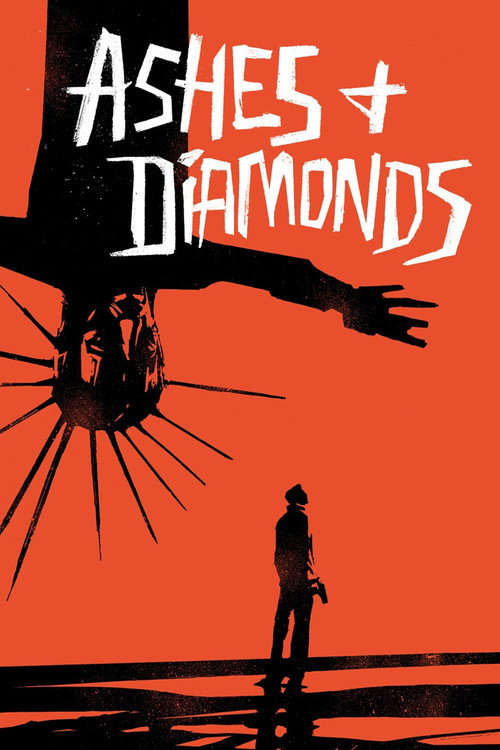
Ashes and Diamonds1958
Both Wajda films are Polish testimonies to the Home Army's struggle, but this one inverts the question: not how do we document atrocity, but how do we live with what comes after.
Andrzej Wajda's masterpiece follows a Home Army soldier in the final days of WWII, caught between duty and the impossible realization that Poland's liberation means Soviet occupation. It shares Warsaw Uprising's setting and Wajda's intimate knowledge of that specific Polish tragedy—but it's about the moment after, when moral clarity dissolves.
But It's a 1950s Polish film, formally restrained and philosophically dense. The black-and-white cinematography is beautiful but austere; there is no warmth here.
More like this (7)
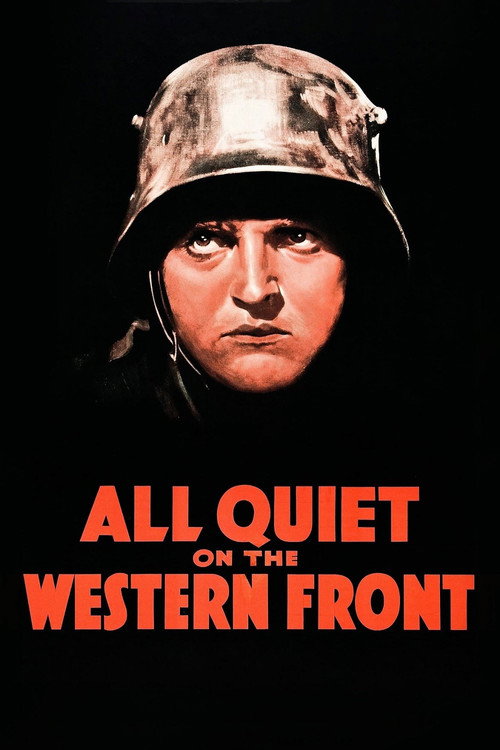
All Quiet on the Western Front1930
Lewis Milestone's adaptation captures the mechanised horror of WWI through the eyes of young soldiers. It shares Warsaw Uprising's commitment to documenting experience from ground level rather than commanding height.
But It's nearly a century old and shows it—the pacing and some of the acting feel archival now. Respect for its age shouldn't substitute for engaging with its actual power.
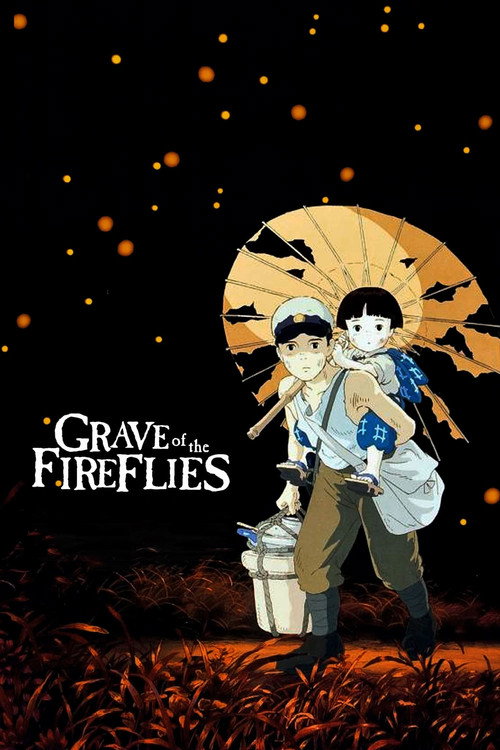
Grave of the Fireflies1988
Isao Takahata's animated tragedy follows two siblings trying to survive in Japan during WWII's final months. Animation becomes not escape but intensification—the beauty of the form makes the suffering more acute.
But It's emotionally devastating and offers no redemption. Some viewers find this honesty essential; others find it too bleak to warrant the experience.
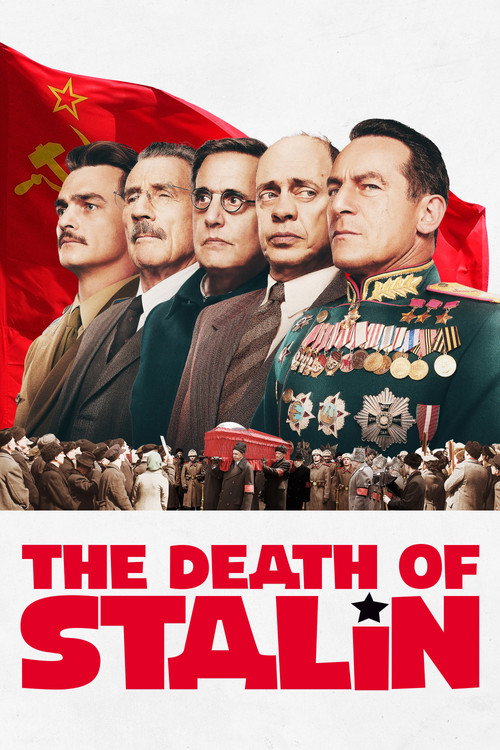
The Death of Stalin2017
Armando Iannucci's black-and-white satire about Soviet bureaucracy in crisis proves you can find dark comedy in totalitarianism without diminishing its horror. The form—satirical, absurdist—feels liberating after so much earnest war drama.
But Its satirical approach may feel tonally wrong if you're looking for reverence about historical atrocity. Some find the irreverence clarifying; others find it inappropriate.
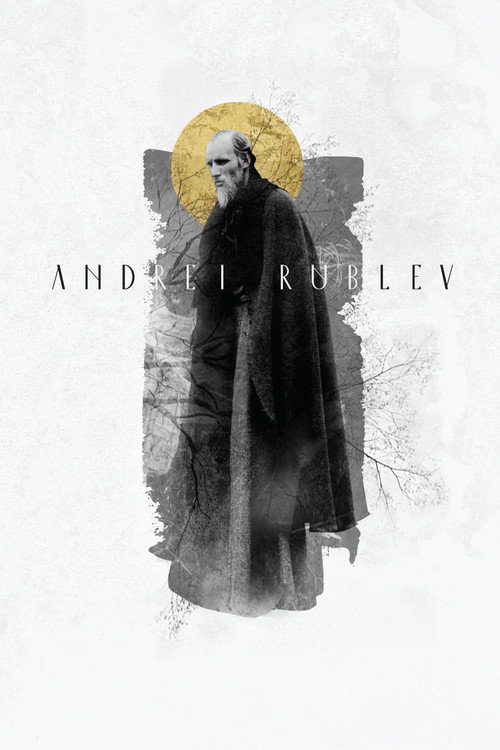
Andrei Rublev1966
Tarkovsky's epic about a 15th-century icon painter grapples with art, faith, and suffering across Russian history. It's long and demanding but operates in the same register as Warsaw Uprising—how do you create beauty in the presence of brutality?
But It's three hours of deliberately paced cinema that asks everything of the viewer. Patience is not optional; engagement is assumed.
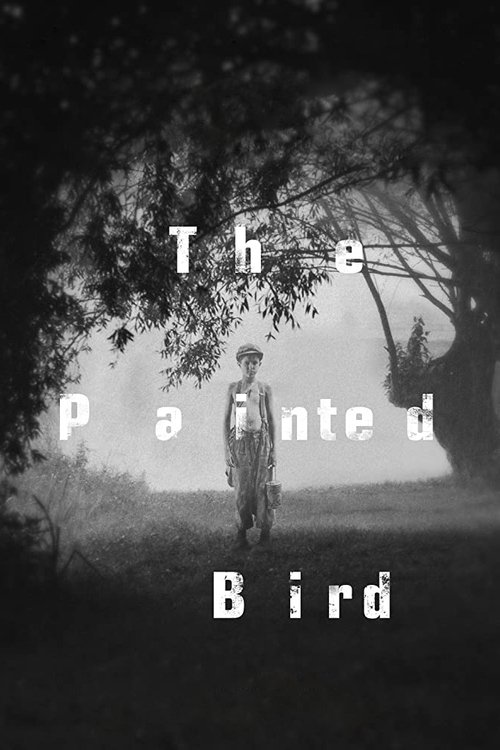
The Painted Bird2019
Václav Marhoul's adaptation of Jerzy Kosiński's novel follows a boy adrift in Eastern Europe during WWII. Shot in monochrome, it's visually austere and morally uncompromising, documenting violence and degradation as historical fact.
But It is extremely brutal, depicting cruelty to animals and children. The film makes no concessions to viewer comfort; historical accuracy is its defense, not its apology.
Night and Fog1956
Both films use a specific visual approach—animation in Warsaw Uprising, colour-and-monochrome montage in Night and Fog—to create distance that paradoxically deepens emotional truth. Both ask: how do we document the undocumentable?
Alain Resnais's 32-minute documentary interweaves colour footage of abandoned Auschwitz with archival black-and-white, using Jean Cayrol's devastating narration to ask what it means to bear witness. It proves that documentary and animation can both be art forms equal to dramatisation.
But It is brief but unbearably dense. The quiet tone and measured pacing can feel glacial if you expect conventional documentary outrage.
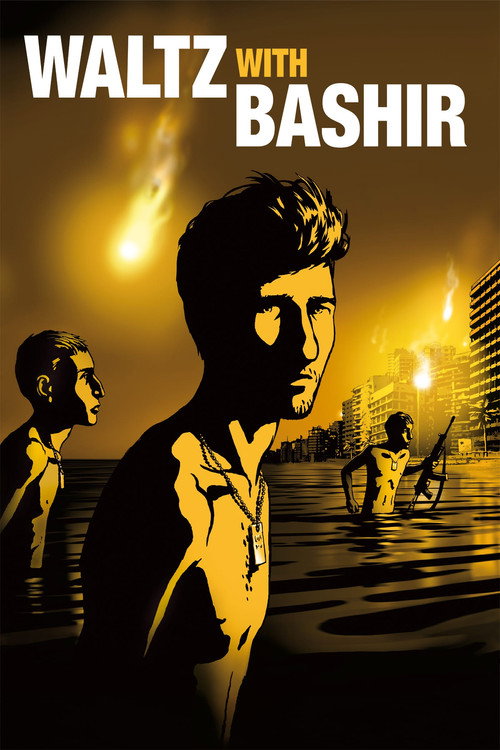
Waltz with Bashir2008
Both use animation for historical testimony about war, but Waltz with Bashir is personal memory rather than collective witness. It proves animation can investigate subjective truth as rigorously as Warsaw Uprising investigates objective documentation—and sometimes more so.
Ari Folman's animated documentary reconstructs his own buried memories of fighting in the 1982 Lebanon War. It uses animation not to lighten but to access emotional truth that conventional documentary cannot—memory is fluid, unreliable, dreamlike, and animation admits this honestly.
But It ends with a devastating cut to live-action footage that many find manipulative. The shift in register—from animation to reality—will either clarify the film's argument or rupture it depending on your tolerance.
People
Cast
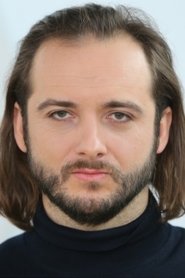 Michał ŻurawskiKarol (voice)
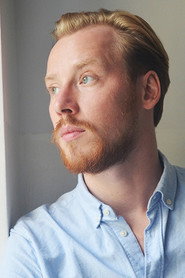 Maciej NawrockiWitek (voice)
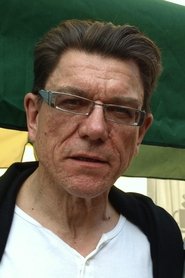 Mirosław Zbrojewicz'Prezes' (voice)
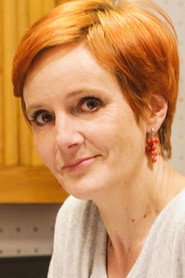 Agnieszka KunikowskaJoanna (voice)
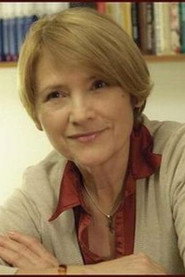 Ewa KaniaMother (voice)
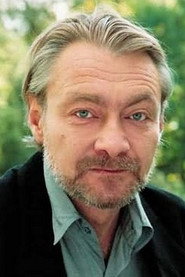 Jacek CzyżWitek (older) (voice)
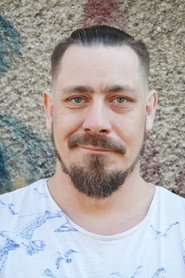 Jan Aleksandrowicz-Krasko(voice)
- Modest Aleksandrowicz-Krasko(voice)
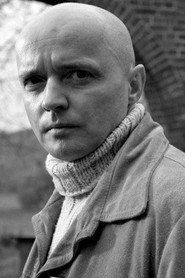 Piotr Bajor(voice)
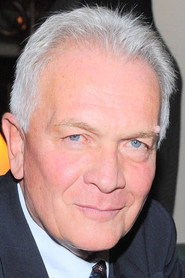 Marek Barbasiewicz(voice)
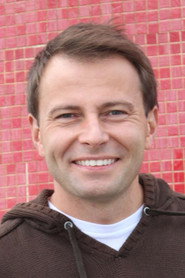 Tomasz Bednarek(voice)
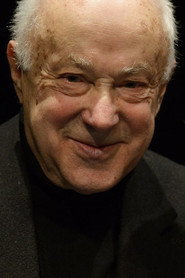 Stanisław Brudny(voice)
Directing
- Jan KomasaDirector
Writing
- Joanna PawluśkiewiczDialogue
- Michał SufinDialogue
- Jan OłdakowskiIdea
- Piotr C. ŚliwowskiIdea
- Jan OłdakowskiScreenplay
- Joanna PawluśkiewiczScreenplay
- Piotr C. ŚliwowskiScreenplay
Production
- Małgorzata DedekAdministration
- Agnieszka MatysiakCasting
- Miriam AleksandrowiczCasting
- Piotr C. ŚliwowskiExecutive Producer
- Jan OłdakowskiProducer
- Andrzej BesztakProduction Manager
- Grzegorz OlkowskiProduction Manager