
Film
In Darkness
- Drama
- Very dark
In Darkness dramatizes Leopold Soha, a Polish burglar and thief who shelters a dozen Jewish refugees in the sewers beneath Nazi-occupied Lviv for fourteen months. It's a finely crafted, unflinching portrait of moral complexity—how survival, self-interest, and humanity collide in the darkest circumstances. For those drawn to intimate WWII stories that refuse easy heroism.
Should you watch it?
Watch it if you want a slow, patient story built on moral change rather than heroics, and you can sit with cramped, claustrophobic dread for two and a half hours.
Skip it if it is grim and unrelenting with little light relief, so if you need air between harrowing scenes, the constant damp and despair may wear you down.
What it asks of you: Its shape is long and deliberately suffocating, with scenes stretching across months of confinement, so it asks for patience and steady attention throughout.
Not sure? Find tonight's pick in a minute.
If you liked this
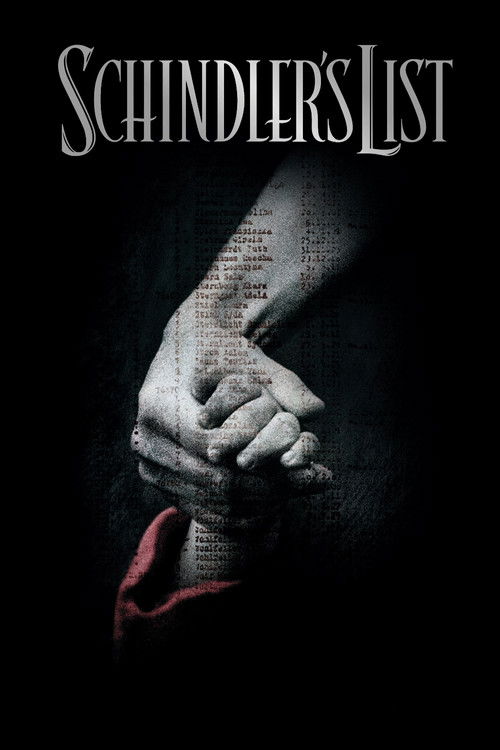
Schindler's List1993
Spielberg's masterpiece about Oskar Schindler, another morally complicated figure who saved Jewish lives during the Holocaust. Shares the same intensity and refusal to sentimentalize suffering, with devastating power.
But Extremely long at three-and-a-quarter hours, and the emotional weight is relentless—it demands full attention and leaves you drained.
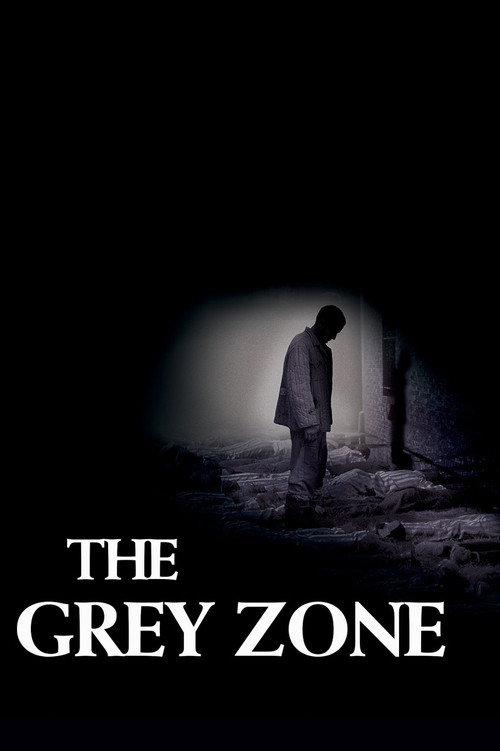
The Grey Zone2001
Tim Blake Nelson's brutal, precise film about the Sonderkommando—Jewish prisoners forced to dispose of bodies in Auschwitz. Explores impossible moral choices with the same unflinching honesty as In Darkness, no melodrama.
But Visually and morally harrowing in ways that feel almost clinical. The subject matter and tone will not comfort you.
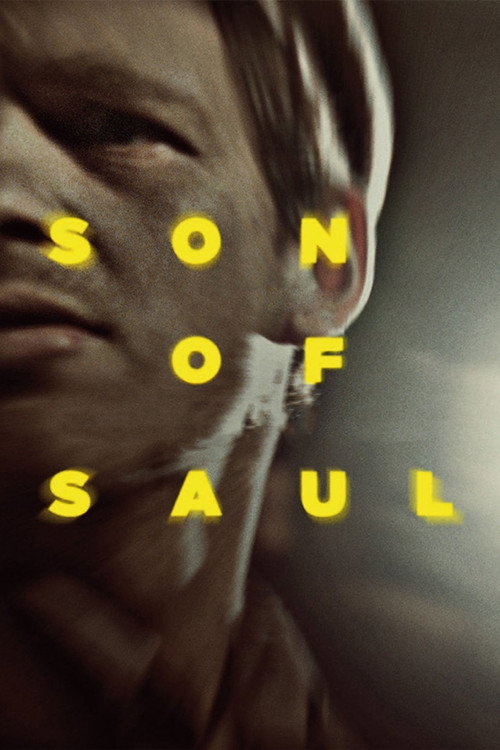
Son of Saul2015
A Hungarian film about a Jewish prisoner in Auschwitz trying to give a boy a proper burial. Shot with intimate, claustrophobic intensity that mirrors the sewer setting—focused on one man's private act of defiance amid systematic horror.
But The camera work is deliberately constrained and the pacing deliberate, which creates distance some find difficult. It's a film that requires you to meet it halfway.
Not sure tonight? Get a pick in a minute, starting from In Darkness
The wildcard
Something you would not have found on your own.
Come and See1985
Both films locate heroism not in grand gestures but in the specific, human choice to resist dehumanization when all incentives point toward complicity. Both use confined geography as moral landscape.
Elem Klimov's Soviet masterpiece follows a boy conscripted into an anti-partisan brigade. It shares In Darkness's refusal to look away from complicity and moral disintegration, but from the perpetrator's side. Devastatingly different angle on the same historical moment.
But Considered one of cinema's most nihilistic films—not just brutal but spiritually annihilating. It's not cathartic or redemptive in any way. The final sequences are almost unwatchable.

More like this (8)
The Pianist2002
Polanski's devastating account of Władysław Szpilman's survival through Warsaw's occupation. Similar Polish setting, similar focus on one person's desperate struggle, with moments of unexpected grace amid dehumanization.
But Can feel emotionally manipulative in ways In Darkness deliberately avoids. The score and cinematography sometimes soften what should remain brutal.

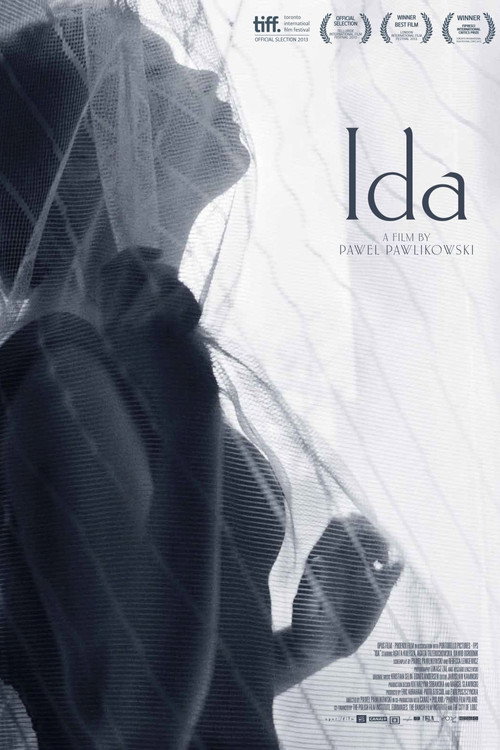
Ida2013
Another Polish film about moral ambiguity in postwar reckoning. Black-and-white, spare, and deeply unsettling—it asks hard questions about complicity and truth without offering comfort.
But Extremely slow and glacial. The visual beauty can feel at odds with the disturbing subject matter, and some find that alienating rather than clarifying.
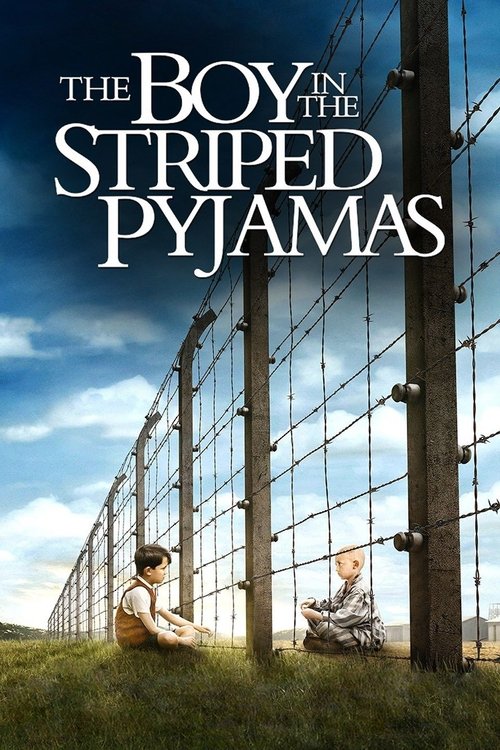
The Boy in the Striped Pyjamas2008
Told from a child's innocent perspective, it creates devastating irony without ever explaining the true horror. Different approach to the same period, with similar emotional precision.
But The twist relies on the audience knowing more than the characters, which can feel manipulative. Some find the perspective choice oversimplifies the moral landscape.
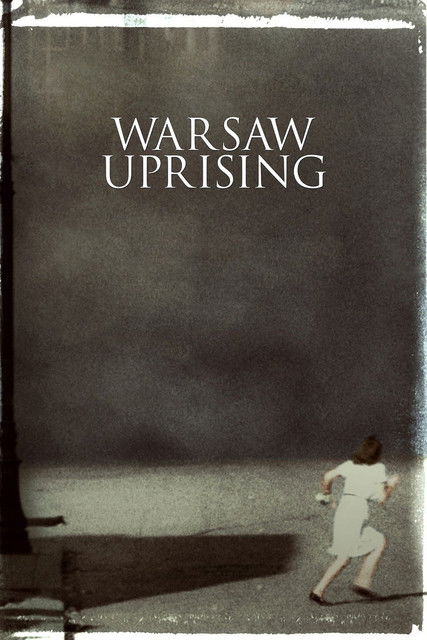
Warsaw Uprising2014
A documentary that captures the 1944 uprising with raw archival footage and survivor testimony. Grounds the human stories in historical specificity—you see the city Soha knew.
But Documentary fatigue is real. The archival material, while powerful, can feel distant compared to narrative drama's emotional immediacy.
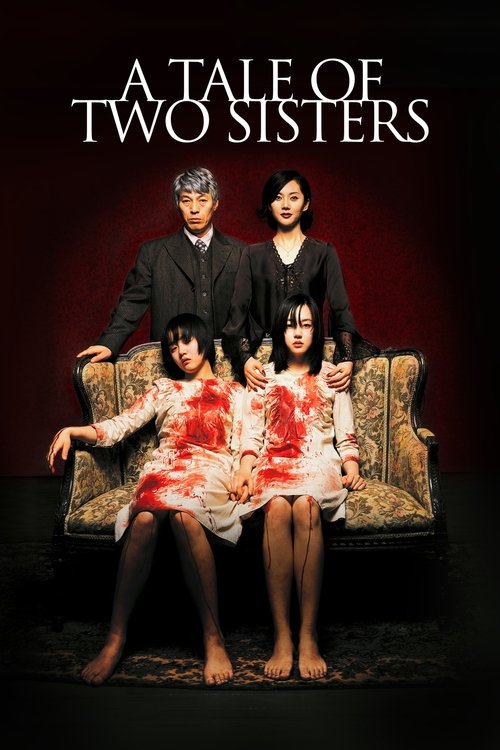
A Tale of Two Sisters2003
A Korean psychological horror film that uses confined domestic space and family trauma to create suffocating dread. The claustrophobia echoes the sewer sequences, though in a completely different register.
But Tonal whiplash from WWII drama to surrealist family horror. The shift in genre might feel jarring rather than illuminating.
Kes1970
Ken Loach's portrait of a working-class boy finding agency in a indifferent world. Like In Darkness, it shows survival and small acts of grace without sentimentality or uplift.
But Sixty-year-old British social realism set in a mining town—no apparent connection to WWII drama. The tonal leap requires faith that mood and structure matter more than subject.

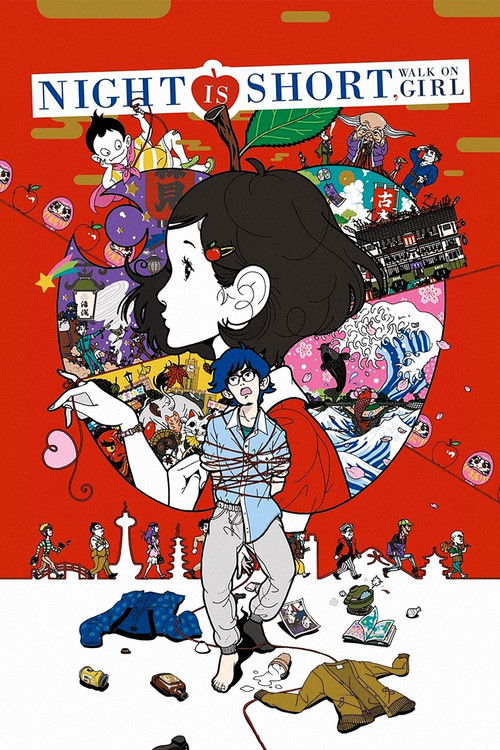
Night Is Short, Walk On Girl2017
Both films ask what it means to maintain dignity and choice in spaces designed to deny them. In Darkness uses the sewer; this uses the city at night. Both are about territory where normal rules collapse.
Masaaki Yuasa's animated Japanese film about a young woman's night wandering Kyoto. Completely different genre and tone, but it shares In Darkness's structural obsession with a confined timespan and the spaces between survival and living—how do you remain human when systems try to erase you?
But Animation, whimsy, surrealism, and magical realism throughout. If you want literal period drama realism, this will feel offensively frivolous by comparison.
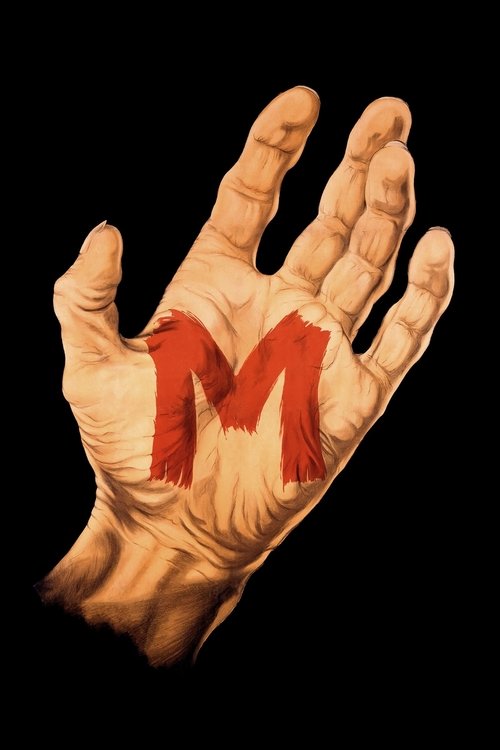
M1931
Both films locate moral ambiguity in urban spaces designed to hide things. Both ask what ordinary people become when survival depends on choices that compromise their humanity. Both use darkness—literal and metaphorical—as the place where truth emerges.
Fritz Lang's Weimar masterpiece about a child murderer hunted through Berlin's underworld. Made just before the Holocaust, it explores how ordinary people become complicit in violence, and how the hunted and hunters aren't always who you think. Leopold Soha's moral complexity has deep roots here.
But 1931 German cinema—silent-ish, high-contrast expressionism, very much a period piece. Some find the pacing glacial and the emotional register too abstract for modern taste.
People
Cast
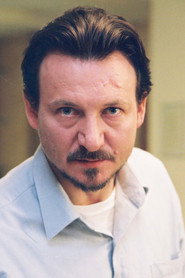 Robert WięckiewiczLeopold Soha
 Benno FürmannMundek Margulies
 Agnieszka GrochowskaKlara Keller
 Maria SchraderPaulina Chiger
 Herbert KnaupIgnacy Chiger
 Marcin BosakJanek Weiss
 Julia KijowskaChaja
 Jerzy WalczakJacob Berestycki
- Oliwer StanczakPawel Chiger
- Milla BankowiczKrystyna Chiger
 Krzysztof SkoniecznySzczepek
 Kinga PreisWanda Socha
Directing
- Agnieszka HollandDirector
- Daniel J. MurphyFirst Assistant Director
- Olga ChajdasFirst Assistant Director
- Katarzyna BinieckaScript Supervisor
- Małgorzata RoszkowskaScript Supervisor
- David ForsythSecond Assistant Director
- Kasia AdamikSecond Unit Director
- Hubert KoprowiczSecond Unit First Assistant Director
Writing
- Robert MarshallNovel
- Robert MarshallStory Consultant
- Maureen DoreyStory Editor
- David F. ShamoonWriter
Production
- Dariusz DunowskiADR Voice Casting
- Heta MantscheffCasting
- Weronika MigońCasting
- Antje MewsExtras Casting
- Katharina KrischkerExtras Casting
- Eric JordanProducer
- Juliusz MachulskiProducer
- Leander CarellProducer
- Marc-Daniel DichantProducer
- Patrick KnippelProducer
- Paul StephensProducer
- Steffen ReuterProducer
- Wojciech DanowskiSupervising Producer
Recommended by
The Pianist, Defiance, Nuremberg, Katyn, All the Light We Cannot See, A Woman in Berlin, Catch Me Daddy, The Exception, The Hiding Place, Lore, Female Agents