
Film
The Grey Zone
The Grey Zone examines the impossible choices facing the Sonderkommando, Jewish prisoners forced to assist in extermination at Auschwitz. A 2001 film that refuses easy moral judgments, it's thoughtful and unbearably bleak—for viewers ready to confront how totalitarianism corrupts even the act of survival itself.
Should you watch it?
Watch it if you want a hard, unflinching look at moral compromise under atrocity, told as a debate among prisoners rather than as spectacle, and you can sit with questions that stay unresolved.
Skip it if you want the atrocity itself front and centre, since this keeps most of it offscreen and in cramped rooms, and its talk-heavy pacing can feel stagey.
What it asks of you: Long stretches of airless argument and waiting, little relief, and sustained attention; at just under two hours the mood rarely lifts, and it lingers afterward.
Not sure? Find tonight's pick in a minute.
If you liked this
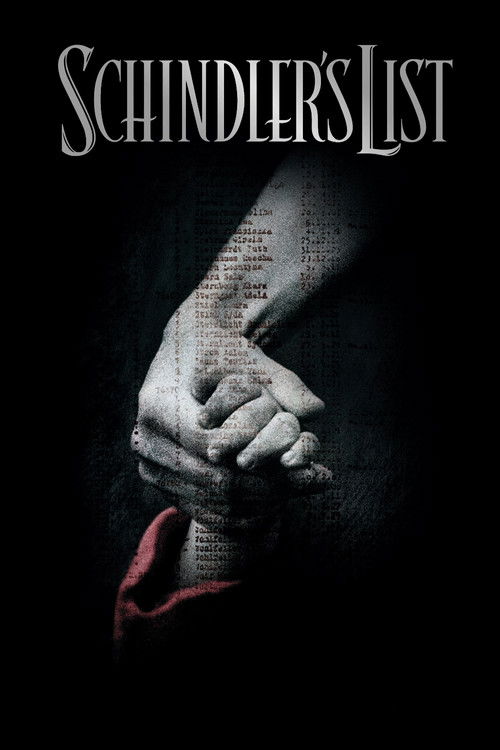
Schindler's List1993
Spielberg's masterpiece about moral courage under Nazi rule, structured around a man who uses power to save rather than destroy. Essential viewing that frames the Holocaust through redemptive action.
But At three and a half hours, and emotionally exhausting. The classical score and narrative shape can feel—to some—like it aestheticizes atrocity rather than confronting it raw.
The Pianist2002
Polanski's brutally intimate account of survival in the Warsaw Ghetto. A pianist's perspective narrows the lens to individual agency and luck, stripped of any redemptive frame. Extraordinary performance by Adrien Brody.
But Relentlessly grim, with graphic violence. The second half becomes almost abstract in its despair, which some find numbing rather than clarifying.

Come and See1985
A Soviet film about a boy partisan that refuses heroism or meaning-making. War as pure annihilation. Shot with a directness that makes most Holocaust cinema look mediated. A masterwork of anti-war cinema.
But In Russian with subtitles. Visually devastates in ways that feel almost hostile to the viewer. Not a film you watch; an ordeal you survive.

Not sure tonight? Get a pick in a minute, starting from The Grey Zone
The wildcard
Something you would not have found on your own.
The Act of Killing2012
Both examine how ordinary people rationalize participation in their own moral destruction, but from opposite poles: those forced to assist versus those who volunteered.
A documentary where Indonesian death-squad leaders re-enact their killings for the camera, with no shame or reckoning. It shows how perpetrators construct meaning from atrocity—the moral inversion of Sonderkommando desperation. Profoundly unsettling.
But Methodologically disturbing—you watch mass murderers play-act their crimes without punishment. The film trusts the viewer to make moral sense of complicity and power.

More like this (7)
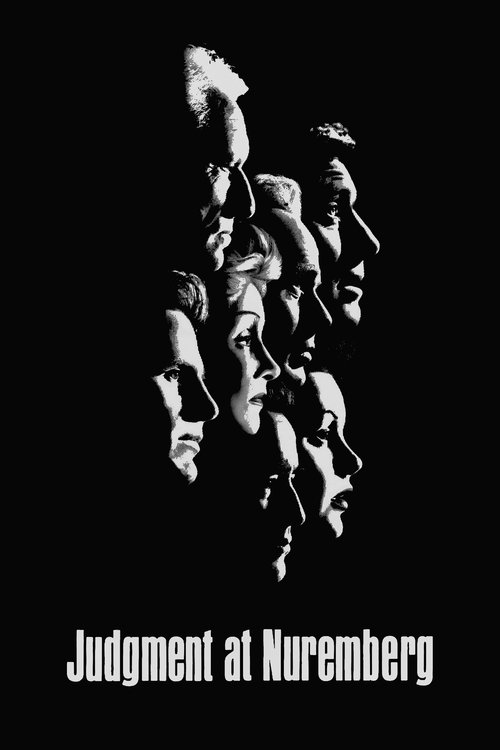
Judgment at Nuremberg1961
A courtroom drama that puts Nazi judges on trial, forcing witnesses to articulate what systemic evil looks like. Spencer Tracy and Maximilian Schell are magnificent. Explores complicity with precision.
But A Hollywood product from the 1960s—occasionally the emotional beats feel managed. The structure privileges legal clarity over moral ambiguity.
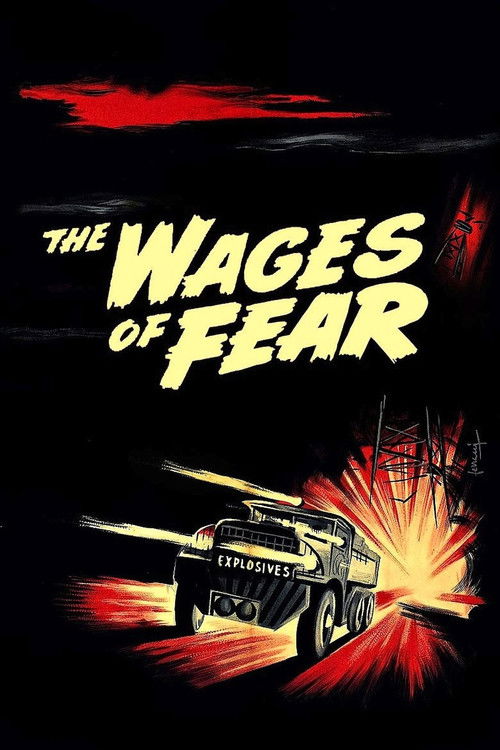
The Wages of Fear1953
Clouzot's masterpiece about desperate men in an impossible situation, forced to choose between survival and conscience. Not about the Holocaust, but structurally identical: how do humans behave when coerced?
But A thriller first, not a history lesson. The moral complexity emerges through tension rather than reflection, which some find unsatisfying philosophically.
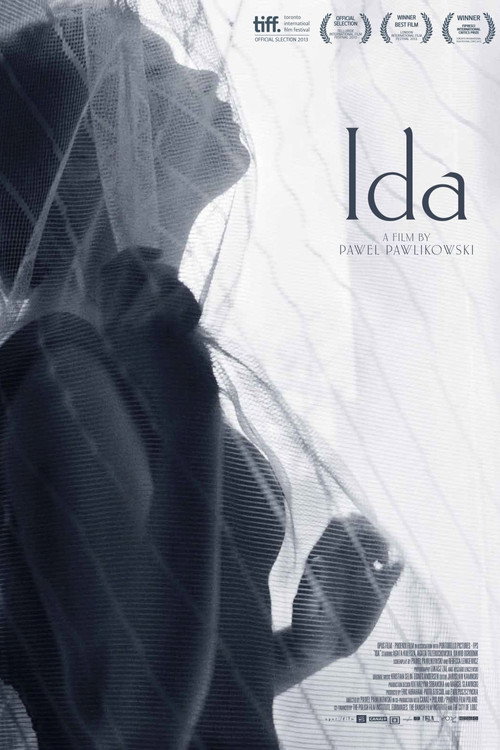
Ida2013
A Polish nun searches for her murdered family in post-war Poland. Shot in black and white, visually austere. It examines faith, identity, and the long shadow of the Holocaust on a single life.
But Glacially paced and elliptical. The film trusts you to find meaning in what's not said, which can feel withholding.
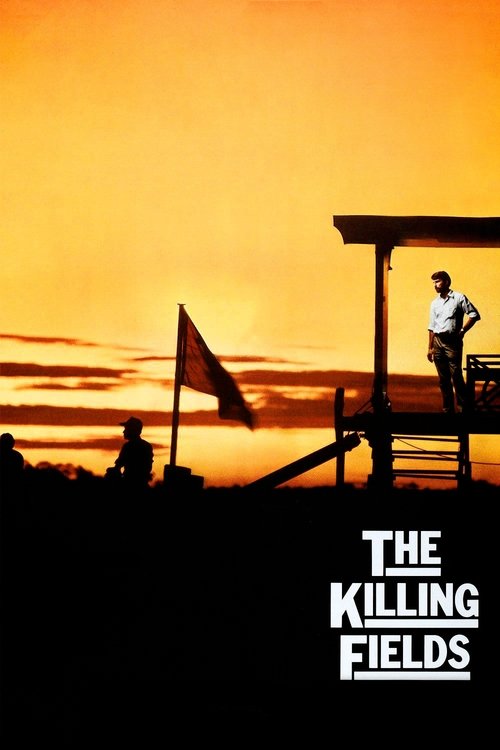
The Killing Fields1984
Schanberg and Dith Pran's survival during the Khmer Rouge genocide. A journalist and his fixer bond across class and culture while witnessing systematic annihilation. Deeply moving about friendship under extremity.
But The second half becomes more conventional war-survival narrative. Graphic violence. Some find it humanizes a different atrocity rather than deepening understanding of this one.
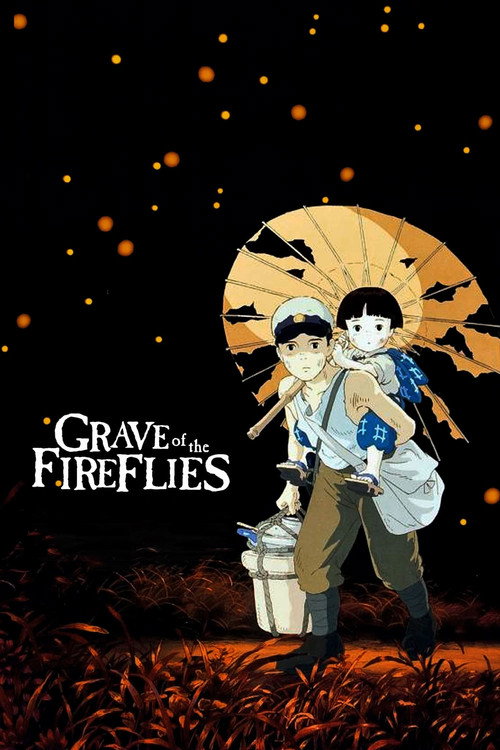
Grave of the Fireflies1988
Isao Takahata's animated film about two siblings surviving Japan's firebombing. Formally stunning and morally precise. Animation allows a tenderness that live action can't touch without sentimentality.
But Animated, which some resist for historical subjects. The softness of the medium can feel like it's softening the material itself.
Shoah1985
Where The Grey Zone imagines interiority, Shoah strips it away: we only hear voices and watch faces, forcing the viewer into the discomfort of bearing witness without narrative scaffolding.
Claude Lanzmann's nine-hour documentary contains almost no archival footage—only interviews with survivors, perpetrators, and witnesses. Testimony as the only honest historical form. Unbearably long and unbearably necessary.
But Nine hours. Minimal visual content. Demands immersion over explanation. Many find it too demanding, though that's precisely Lanzmann's point.

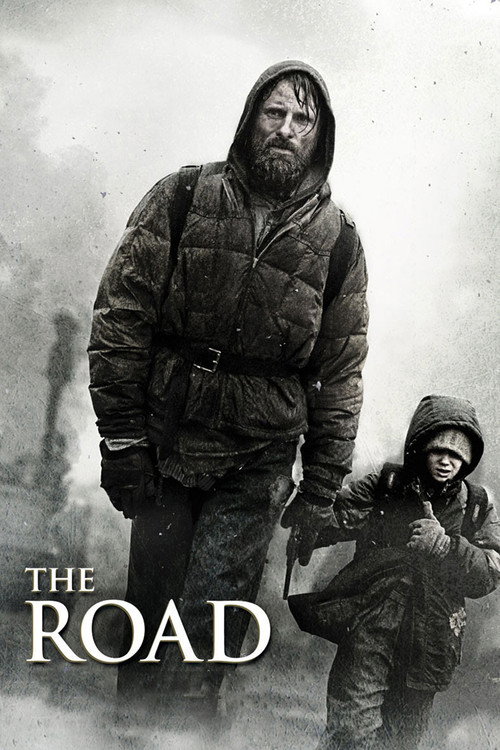
The Road2009
Both ask whether survival at the cost of moral agency is survival at all, but separated by genre—one grounded in history, one in allegory.
An adaptation of McCarthy's post-apocalyptic novel: a father and son traverse a dead world. The moral framework is identical to the Sonderkommando's—how much of your humanity do you trade to survive? It's bleak science fiction that thinks like history.
But An American studio film, accessible but sometimes muted. McCarthy's prose power doesn't always translate. The bleakness can feel stylized rather than earned.
People
Cast
 David ArquetteHoffman
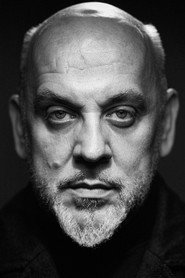 Velizar BinevMoll
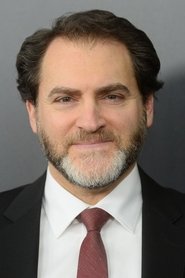 Michael StuhlbargCohen
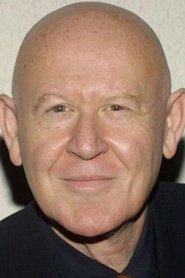 Daniel BenzaliSimon Schlermer
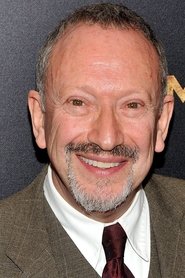 Allan CordunerNyiszli
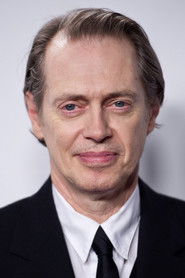 Steve Buscemi'Hesch' Abramowics
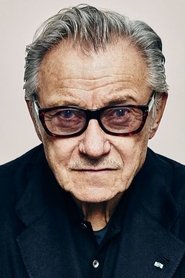 Harvey KeitelSS-Oberscharfuhrer Eric Muhsfeldt
 Natasha LyonneRosa
 Mira SorvinoDina
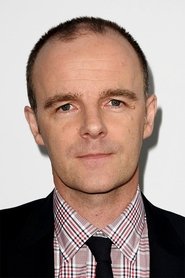 Brían F. O'ByrneInterrogator
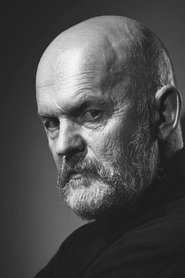 Valentin GanevTorturer
 Velimir VelevKS Man
Directing
- Tim Blake NelsonDirector
- Franklin A. ValletteFirst Assistant Director
- Milos MilicevicSecond Assistant Director
- Kamen VelkovskySecond Second Assistant Director
- Peter MechkoffSecond Second Assistant Director
Writing
- Miklos NyiszliNovel
- Tim Blake NelsonWriter
Production
- Bernard TelseyCasting
- David VaccariCasting
- Will CantlerCasting
- David VarodCo-Producer
- Brad WestonExecutive Producer
- Danny DimbortExecutive Producer
- Harvey KeitelExecutive Producer
- John WellsExecutive Producer
- Peggy GormleyExecutive Producer
- Trevor ShortExecutive Producer
- Trish HofmannLine Producer
- Avi LernerProducer
- Christine VachonProducer
- Danny LernerProducer
- Pamela KofflerProducer
- Tim Blake NelsonProducer
- Maria DjurkovicProduction Designer
Recommended by
The Pianist, Son of Saul, Europa Europa, In Darkness, The Last Stage, Korczak, Uprising, Who Will Write Our History?, Men Behind the Sun, Auschwitz: The Nazis and the Final Solution, Triumph of the Spirit, Carol of the Bells, Naked Among Wolves, The Assisi Underground