
Film
The Assisi Underground
A 1985 dramatization of how Franciscan monks and townspeople in Assisi hid Italian Jews from Nazi occupiers during 1943. It's a quietly dignified film about faith tested by absolute moral clarity, told with restraint and reverence. For anyone moved by stories of ordinary courage and religious conviction under impossible pressure.
Should you watch it?
Watch it if you are drawn to quiet, true-history dramas about ordinary people quietly risking everything, where the tension comes from clever improvisation and moral nerve rather than battlefield spectacle.
Skip it if you want a fast, tightly plotted wartime thriller; this one takes its time with conversations, church politics and resistance logistics, and some of its acting is stagy.
What it asks of you: About under two hours of steady, unhurried attention, with a serious tone that stays earnest and occasionally light, asking you to follow the schemes as much as the faces.
Not sure? Find tonight's pick in a minute.
If you liked this
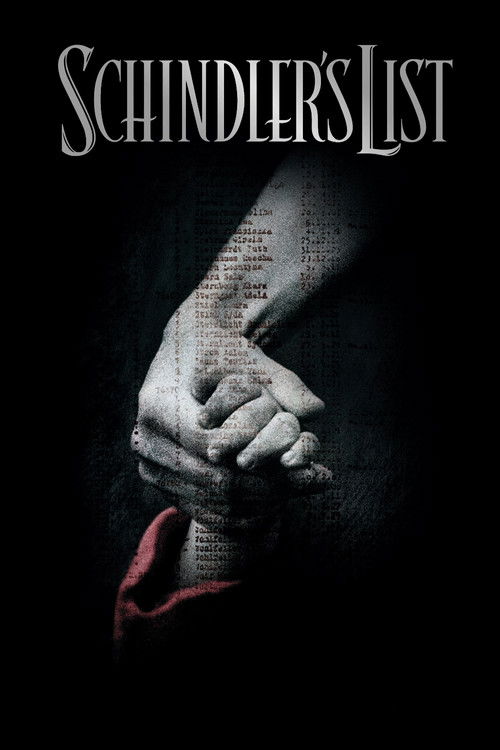
Schindler's List1993
The definitive film about systematic rescue during the Holocaust. Spielberg's unflinching direction and Liam Neeson's performance create something both monumental and intimately human. If you're drawn to *Assisi*'s moral seriousness, this is essential.
But Three and a half hours of unrelenting darkness. The famous shower scene is not something you watch—it is something you survive. Emotionally exhausting in ways that linger.
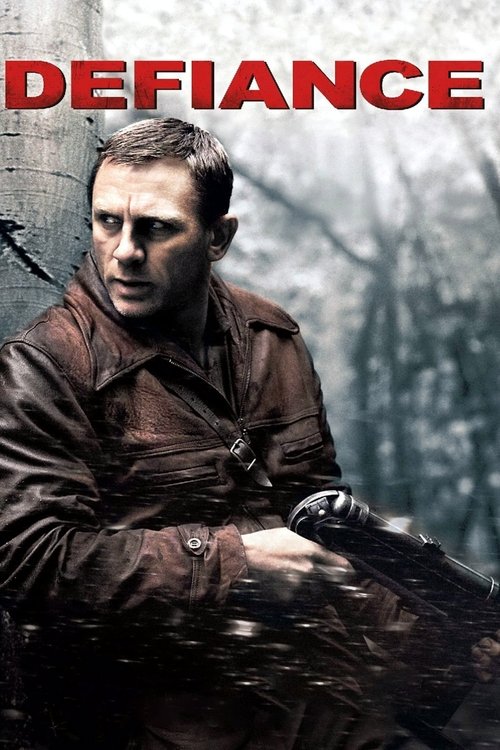
Defiance2008
Daniel Craig and Liev Schreiber as brothers protecting a Jewish community in the Belarusian forests. Shares *Assisi*'s focus on quiet, unglamorous survival and the weight of keeping others alive. Action grounded in moral necessity rather than spectacle.
But Slower than its premise suggests. Long stretches of camp life and logistics can feel static if you're expecting a thriller. Some will find it underdramatic.
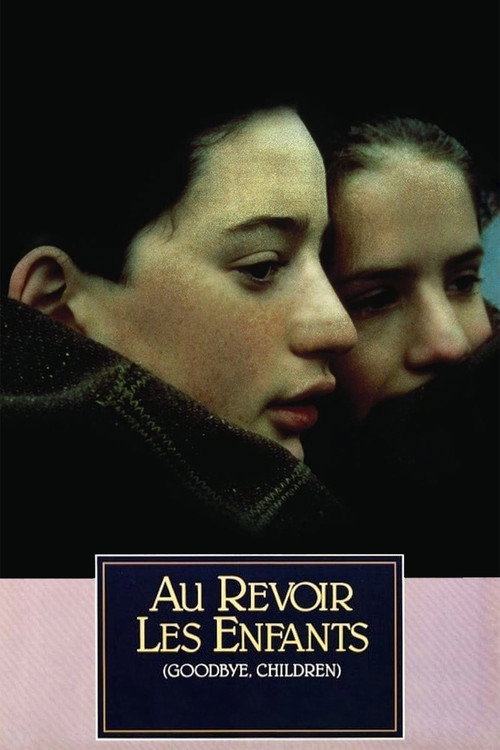
Au Revoir les Enfants1987
A French boys' school harbors Jewish children. Told from a young student's perspective, it captures the same combination of innocence and moral stakes as *Assisi*, with devastating simplicity. Louys Malle directing at his most sensitive.
But Nothing is explained to you. The weight of what's happening accumulates quietly, which means some viewers will find it slow and oblique rather than moving.
Not sure tonight? Get a pick in a minute, starting from The Assisi Underground
The wildcard
Something you would not have found on your own.
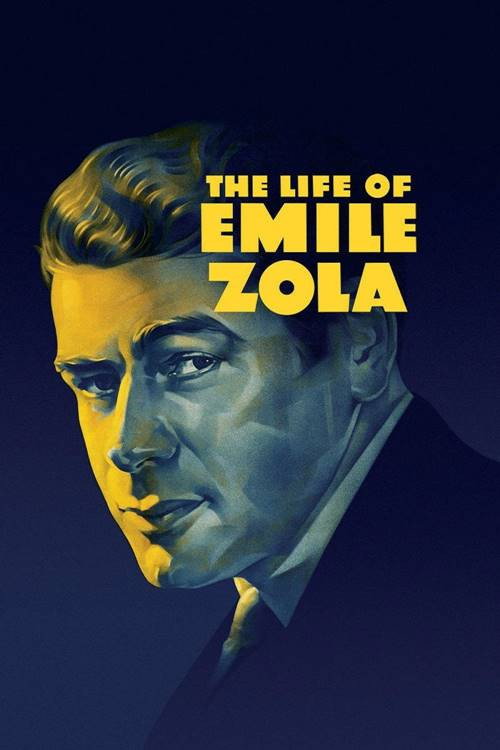
The Life of Emile Zola1937
Both are about institutions risking themselves for justice. Both argue that faith—in humanity, in law, in God—requires action against the state. Both are made by people who believe in the redemptive power of doing the right thing when it costs you.
Paul Muni as Zola fighting the Dreyfus injustice through words and witness. A 1930s Hollywood film about standing up to institutional evil and protecting the wrongfully accused. Same moral architecture as *Assisi*, 45 years earlier, and far better crafted than its prestige suggests.
But A studio film from the Golden Age, which means it's watchable but sometimes feels mannered. The triumph-of-conscience template can feel quaint to modern viewers expecting grit over dignity.
More like this (8)
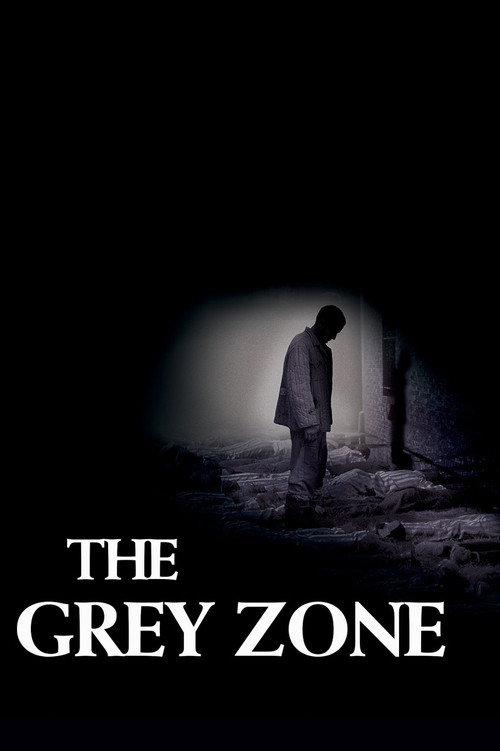
The Grey Zone2001
A Sonderkommando unit in Auschwitz plans rebellion. Morally uncompromising in ways that complement *Assisi*'s faith—here asking what resistance looks like when all choices are compromised. Searingly intelligent.
But Brutally graphic and philosophically dense. No catharsis, no easy answers. Tim Blake Nelson's script demands active thinking, and the subject matter is almost unbearable.
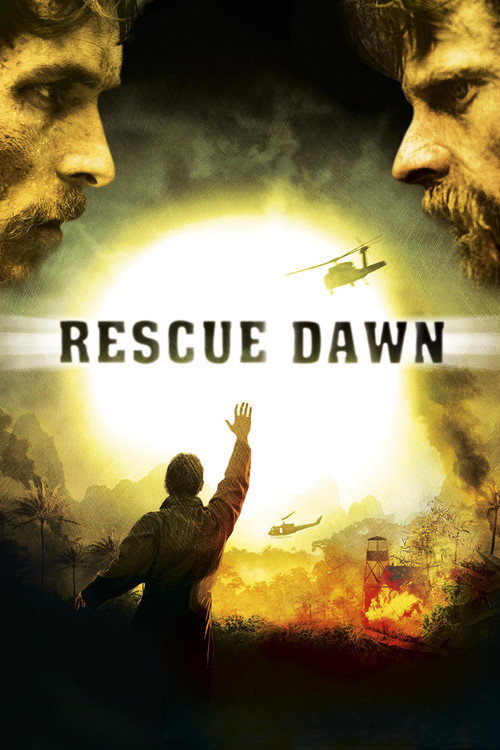
Rescue Dawn2007
Christian Bale as a downed American pilot escaping Laotian captors. Werner Herzog's direction and Bale's commitment create real desperation and dignity. Like *Assisi*, it's about survival as spiritual act, not action movie heroics.
But A Christian message film disguised as war cinema. If that sensibility bothers you, it won't disappear into the background. Some will find the moral clarity too neat.
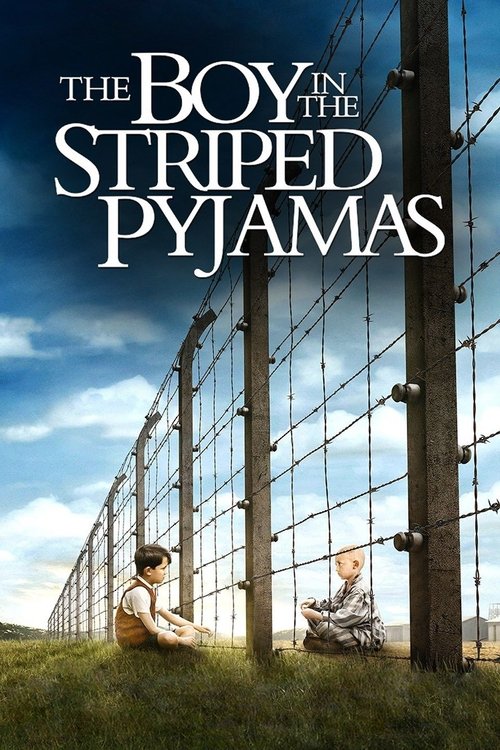
The Boy in the Striped Pyjamas2008
Seen through a boy's eyes from both sides of a camp fence. Structured innocence that makes the horror all the more devastating. Shares *Assisi*'s approach to faith and protection across impossible divides.
But The twist ending is widely known and controversial. Some find it manipulative; others think it undermines the film's moral seriousness. Also: watching children in danger is its own kind of ordeal.
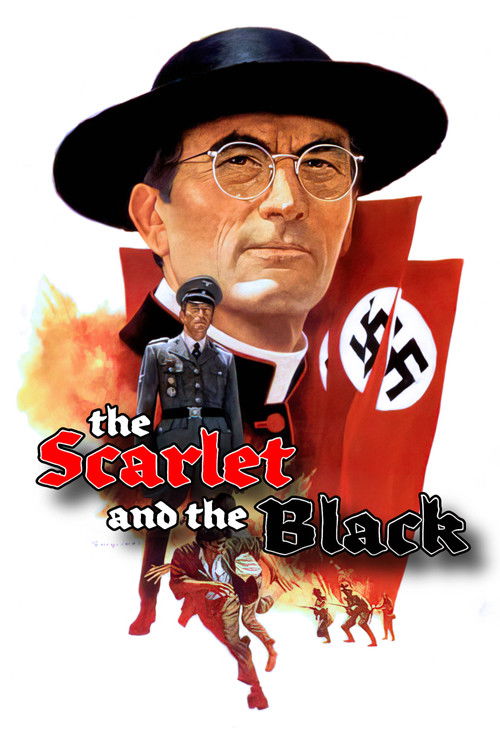
The Scarlet and the Black1983
Gregory Peck as a Vatican monsignor smuggling people past Nazi lines. Stylish 1980s television movie with genuine excitement and faith under pressure. Perfect companion to *Assisi*—similar era, similar subject, different tone.
But Broader and more conventionally heroic than *Assisi*. The TV-movie pace and occasional melodrama might feel dated if you want realism over inspiration.
The Pianist2002
Adrien Brody as a Jewish pianist surviving the Warsaw ghetto. Polanski's direction is ice-cold and unflinching. Survival as day-to-day, unglamorous endurance—*Assisi* as remembered from the inside.
But Relentlessly bleak and isolating. Less about rescue than about perseverance through indifference. Some find Polanski's distance from sentiment alienating rather than powerful.

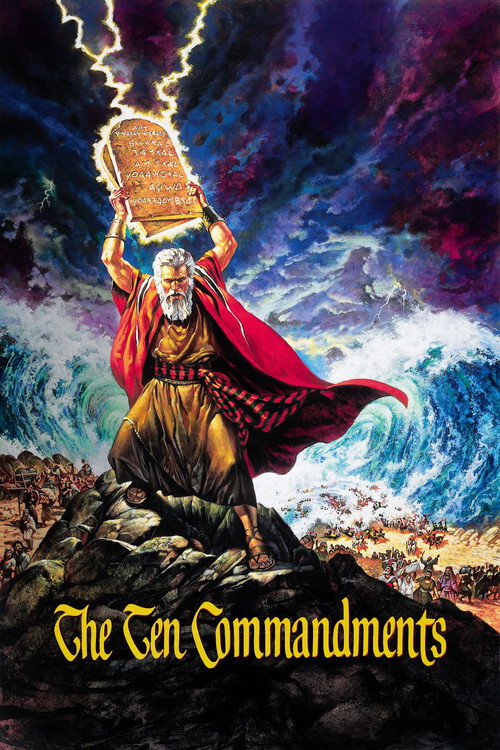
The Ten Commandments1956
DeMille's biblical epic about liberation and faith. Shares *Assisi*'s reverence for religious conviction as the engine of moral action. A completely different genre, but the same root belief in organized faith as shelter.
But Nearly four hours of 1950s spectacle and Charlton Heston declamation. If the combination of bombast and piety sounds like your personal hell, nothing here will change your mind.
Come and See1985
Both are about WWII and faith, but *Come and See* asks what happens when faith shatters. Where *Assisi* shows people surviving through moral conviction, *Come and See* shows conviction being destroyed. They're in conversation—light and darkness talking to each other.
A Soviet film about a boy conscripted into a partisan unit fighting Nazis in Belarus. Made the same year as *Assisi Underground*, it is the anti-*Assisi*: not about shelter and faith, but about the annihilation of innocence. Apocalyptic, visionary, unforgettable.
But Psychologically and physically brutal. Not a film about rescue but about the impossibility of remaining human in war. Some will find it gratuitously dark; others will say it's exactly as dark as the truth.

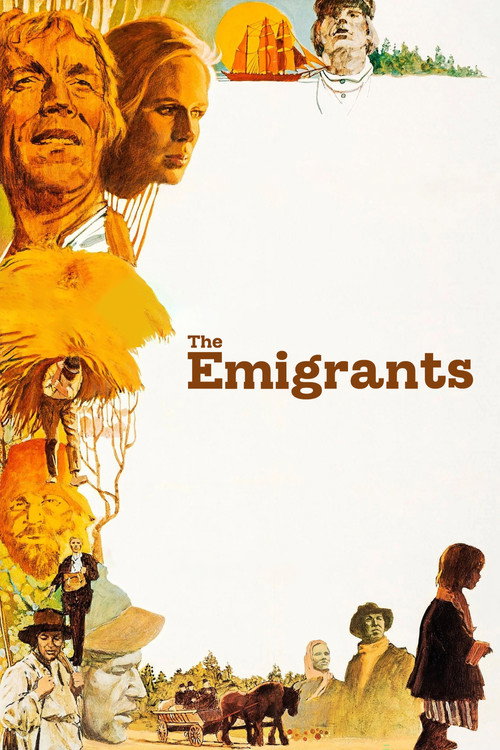
The Emigrants1971
Both films believe that ordinary people's faith—tested, strained, deepened—is a fit subject for cinema. Both argue that survival is not an action beat but a spiritual process. *Assisi* is about faith protecting others; *The Emigrants* is about faith surviving displacement. Both are about what people carry with them when everything else is taken.
Liv Ullmann and Max von Sydow as Swedish farmers immigrating to Minnesota in the 1850s. Not about Nazis or rescue, but about displacement, belonging, and whether faith survives uprootment. Jan Troell's epic is about survival as spiritual reckoning—the same engine, completely different geography and era.
But Three and a half hours of landscape and slow accumulation. There is no plot in the conventional sense. If you need narrative momentum or dialogue-driven drama, this will feel like watching paint dry.
People
Cast
 Ben CrossPadre Rufino
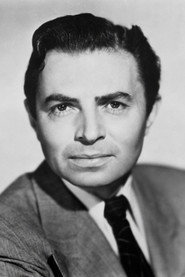 James MasonBishop Nicolini
 Irene PapasMother Giuseppina
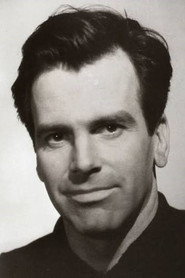 Maximilian SchellCol. Müller
 Karlheinz HacklCapt. von Velden
 Paolo MalcoPaolo Josza
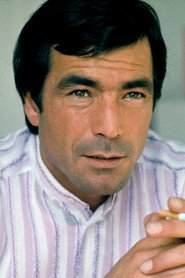 Maurice PoliVito
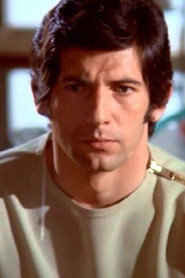 Giancarlo PreteCol. Gay
 Edmund PurdomCardinal Della Costa
 Tom FelleghyGeneral Bremer
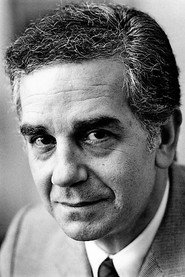 Riccardo CucciollaLuigi Brizzi
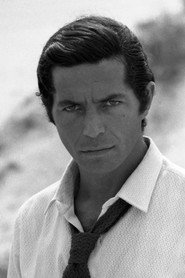 Angelo InfantiGiorgio Kropf
Directing
- Alexander RamatiDirector
- Renata FranceschiScript Supervisor
Writing
- Alexander RamatiWriter
Production
- Francesco CinieriCasting Director
- Menahem GolanProducer
- Yoram GlobusProducer
- Anna DunnProduction Coordinator
- Luciano SpadoniProduction Designer
- Attilio VitiProduction Manager
- Mario CotoneProduction Supervisor