
Film
The Life of Emile Zola
A Warner Bros. prestige biopic that spends its first half building Emile Zola's career as a scandalous, then celebrated, novelist, then pivots into a full courtroom drama once he takes up the wrongly convicted Alfred Dreyfus's cause. Paul Muni won an Oscar nomination and the film took Best Picture. It's stately, earnest, occasionally hagiographic old Hollywood — best for lovers of classic biopics and moral-courage stories.
If you liked this
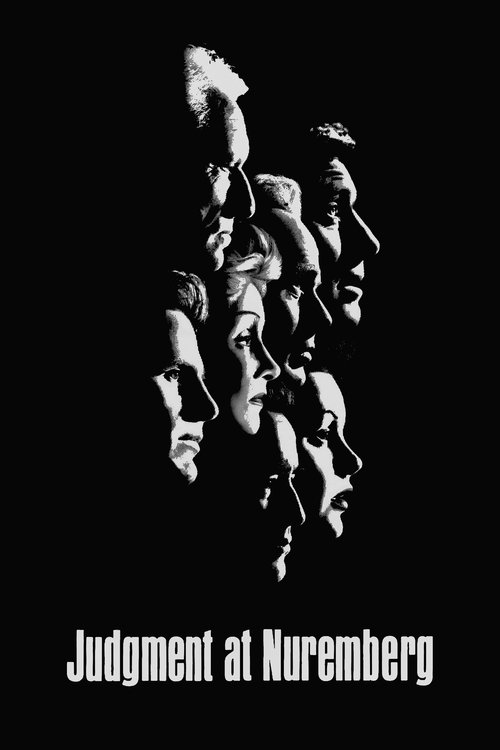
Judgment at Nuremberg1961
The same engine — a courtroom used to litigate a nation's moral guilt — run at even higher stakes, with towering performances from Spencer Tracy, Burt Lancaster and Judy Garland.
But It runs over three hours and asks for real patience with dense legal argument.
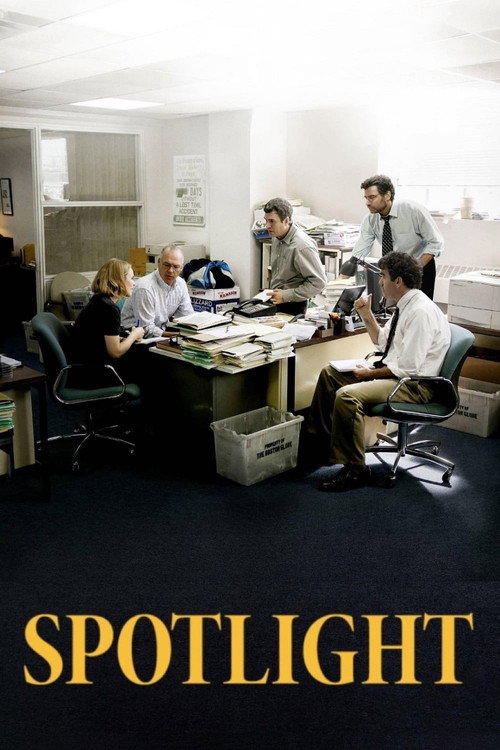
Spotlight2015
Trades the courtroom speech for unglamorous shoe-leather journalism, but it's the same story underneath: exposing an institution that would rather you stayed quiet.
But No big oratory, no dramatic flourishes — it's deliberately procedural and undramatic by design.
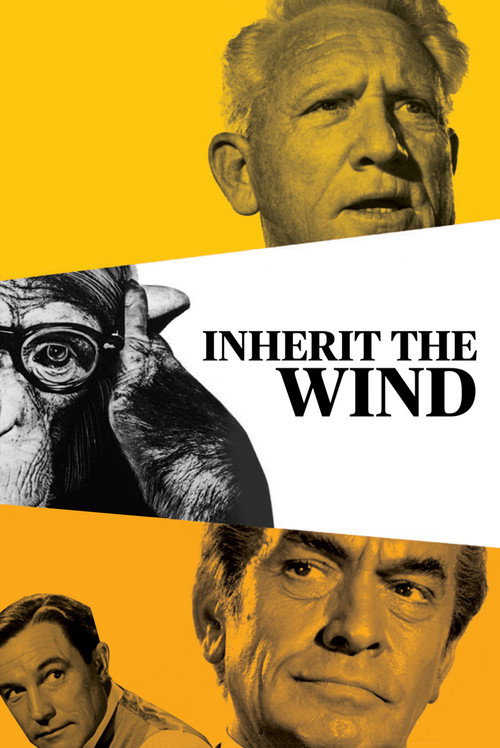
Inherit the Wind1960
A courtroom drama built on a real trial, with the same shape of one man's public stand against a crowd that wants him silenced.
But It's talky and theatrical, adapted from a stage play, and can tip into speechifying.
The wildcard
Something you would not have found on your own.
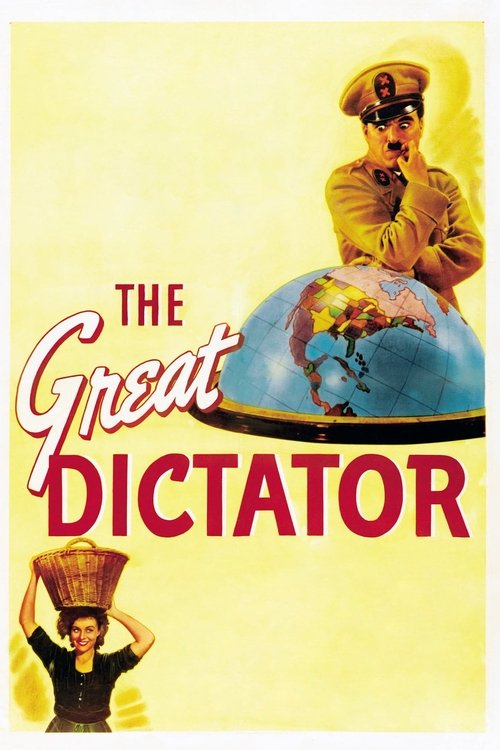
The Great Dictator1940
Both are big studio pictures built around their era's biggest star, using enormous popular platforms to sound an alarm about the same rising European antisemitism as it was actually happening — one in tragedy, one in farce.
Chaplin's fearless satire of European fascism, made as the same antisemitism Zola fought decades earlier was curdling into catastrophe again — and it ends on a plea for tolerance as sincere as any courtroom speech.
But The whiplash between slapstick and sudden earnestness in the final speech divides people sharply.
More like this (8)
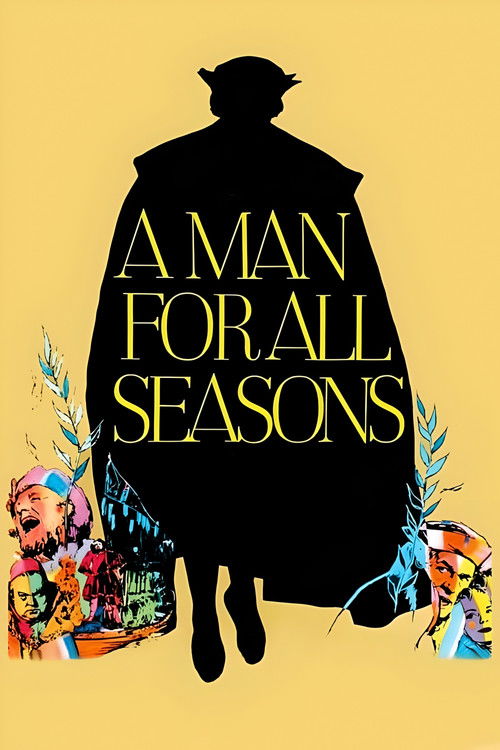
A Man for All Seasons1966
Another prestige picture about a principled man refusing to bend to state power, with the same period polish and Oscar pedigree as Zola.
But It's slow and cerebral, and the Tudor setting is a harder sell than a Parisian scandal.
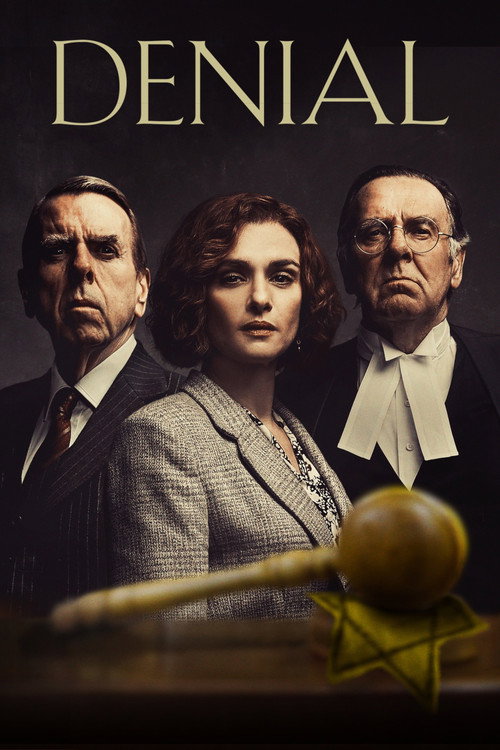
Denial2016
A libel trial, real history, and antisemitism argued in a courtroom — almost a direct cousin to the Dreyfus case, just seventy years later.
But Much lower voltage than the Muni film — restrained, British, and deliberately unshowy.
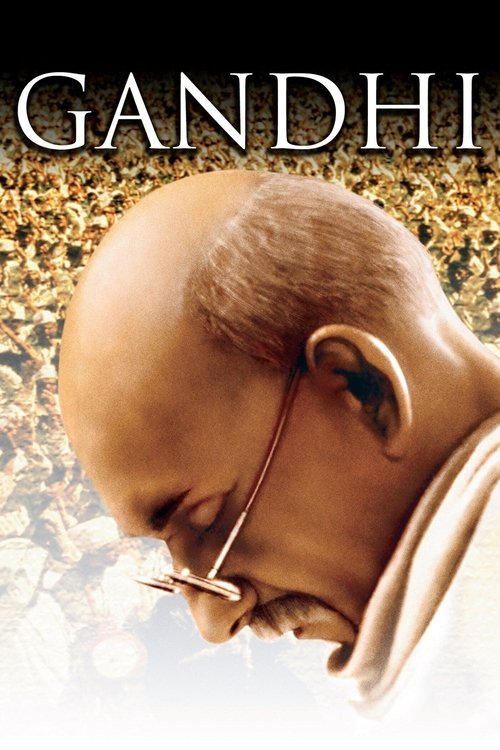
Gandhi1982
An epic biopic of a moral crusader who takes on an unjust system and wins, told with the same reverence and sweep.
But Over three hours, and shares Zola's tendency toward hagiography rather than complication.
The Story of Louis Pasteur1936no page yet
Paul Muni again, same studio, same biopic formula one year earlier — a chance to see the machine that made Zola work.
But Lower stakes than the Dreyfus case and even more uncritically admiring of its subject.
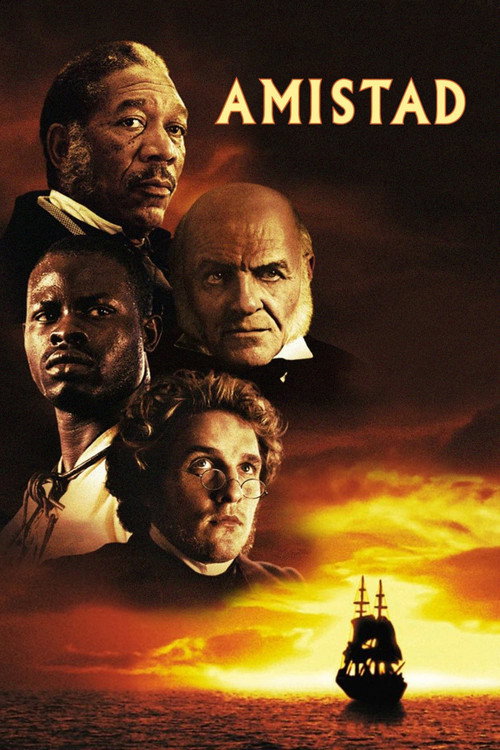
Amistad1997
A courtroom drama about justice, freedom and historical injustice, with the same faith that the truth can be won in a room full of powerful men.
But Spielberg's courtroom moments lean melodramatic where Zola's restraint feels more earned.
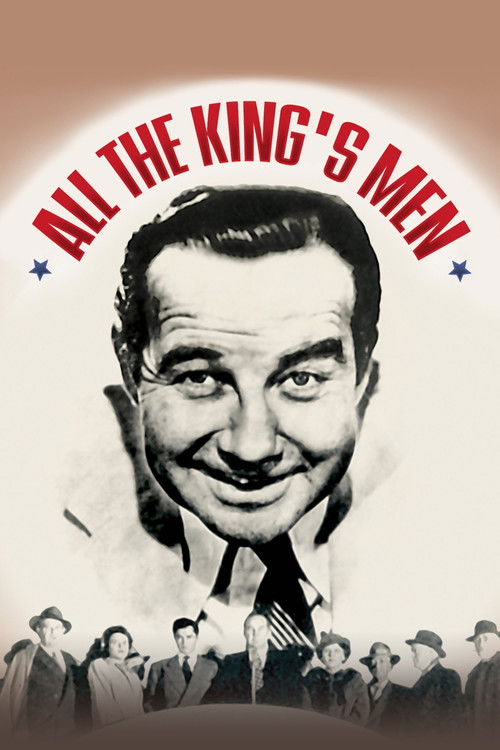
All the King's Men1949
A biopic about a public figure's rise and the machinery of power around him, with journalism and corruption in the same frame.
But Its hero is corrupt rather than righteous — a much darker, more cynical companion piece.
The Central Park Five2012
It's the same wrongful-conviction machine Zola exposed in Dreyfus's case, stripped of prestige-picture polish and shown as it actually looks — grinding, bureaucratic, and decades in the correcting.
Ken Burns's documentary lays bare the same architecture — a rush to judgment fuelled by prejudice, an innocent man's name destroyed, a slow and painful path to exoneration — but in modern New York, with no redemptive courtroom victory.
But Bleaker and slower than Zola's film, with no stirring speeches to soften the injustice.
J'Accuse1919no page yet
Zola's own headline, "J'accuse!", became so culturally charged that a landmark anti-war filmmaker borrowed it whole two decades later — proof of how far one man's act of public accusation can travel.
Abel Gance's silent WWI epic borrows its title directly from Zola's famous open letter, using the same phrase for an entirely different act of accusation — the dead rising to condemn the living for the war.
But Silent, French, and about trench warfare rather than Dreyfus — a real leap in subject and form.
People
Cast
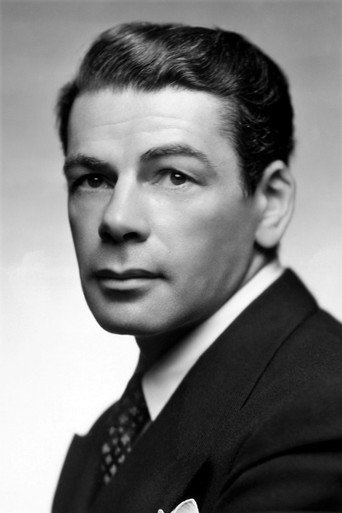 Paul MuniEmile Zola
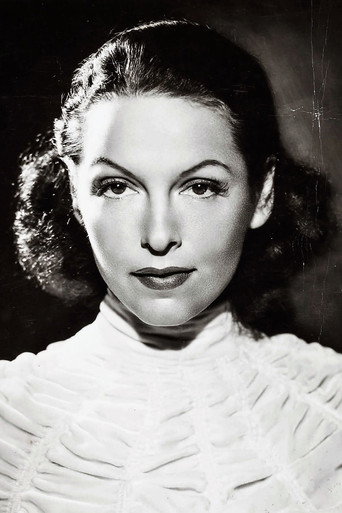 Gale SondergaardLucie Dreyfus
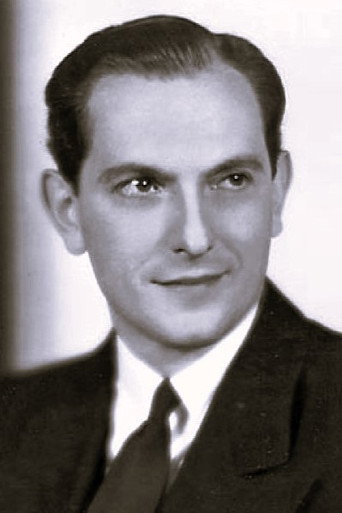 Joseph SchildkrautCapt. Alfred Dreyfus
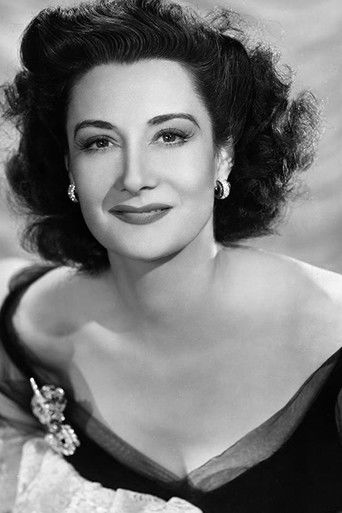 Gloria HoldenAlexandrine Zola
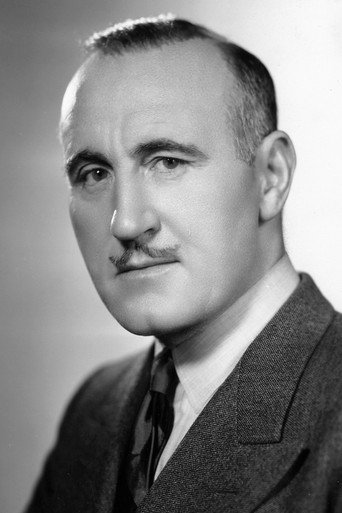 Donald CrispMaitre Labori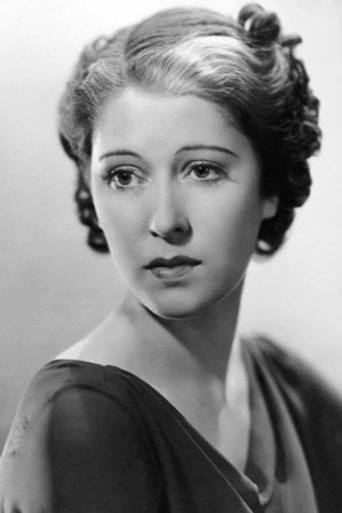
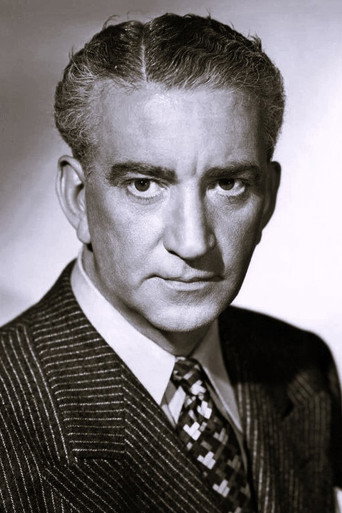 John LitelCharpentier
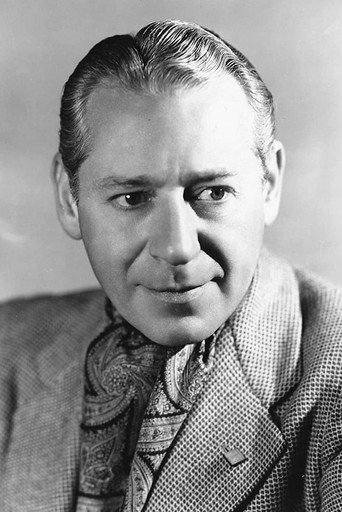 Henry O'NeillColonel Picquart
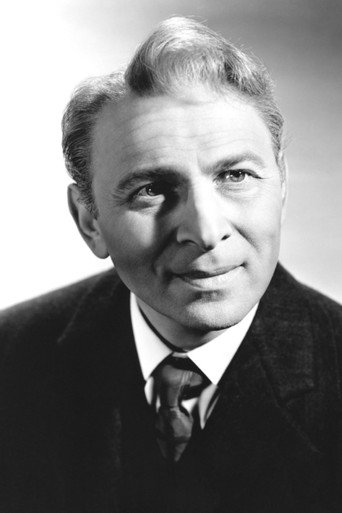 Morris CarnovskyAnatole France
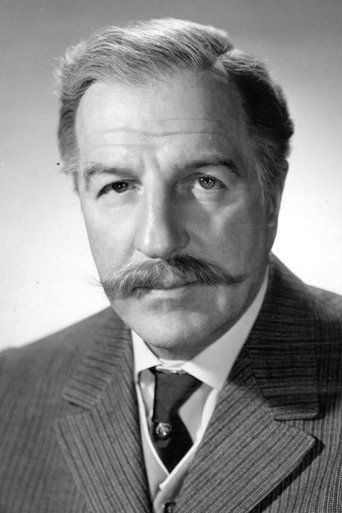 Louis CalhernMajor Dort
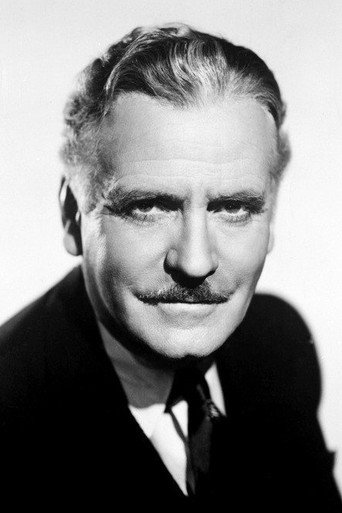 Ralph MorganCommander of Paris
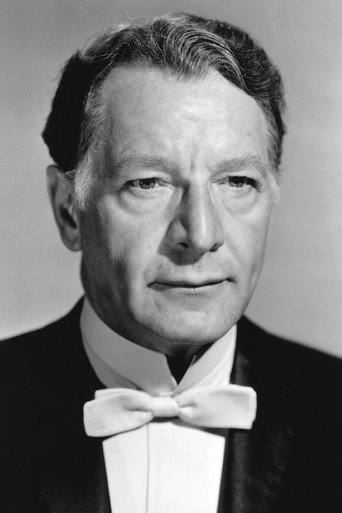 Robert BarratMajor Walsin-Esterhazy
Directing
- William DieterleDirector
Writing
- Matthew JosephsonBook
- Geza HerczegScreenplay
- Heinz HeraldScreenplay
- Norman Reilly RaineScreenplay
- Geza HerczegStory
- Heinz HeraldStory
Production
- Henry BlankeProducer