
Film
Inherit the Wind
Stanley Kramer's fictionalized retelling of the 1925 Scopes Monkey Trial pits Spencer Tracy's weary defense lawyer against Fredric March's blustering evangelist prosecutor over the right to teach evolution in a small Tennessee schoolroom. Adapted from the stage play, it's essentially two great actors arguing morality at each other for two hours — a courtroom drama that's really a debate about who decides what's true. Talky, theatrical, unmistakably serious.
If you liked this
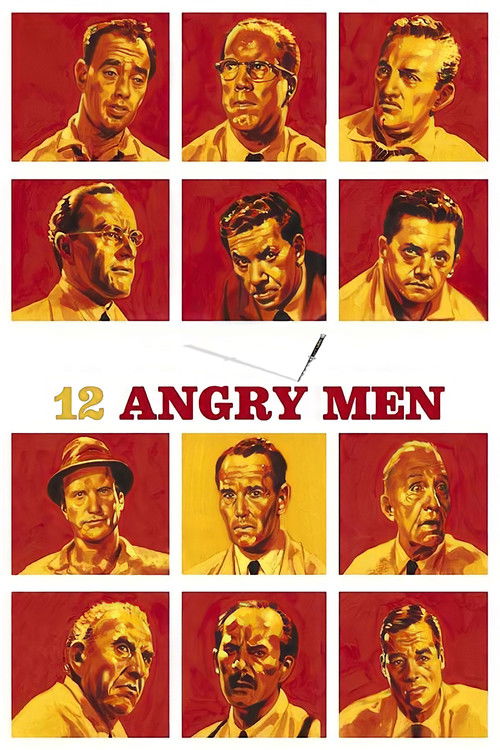
12 Angry Men1957
One room, twelve men, and the same question Inherit the Wind asks on a bigger stage: does the law protect truth, or just the loudest voice in the room? Tighter, meaner, just as electric.
But No trial, no verdict theatrics — just deliberation, so if you wanted courtroom fireworks, they stay entirely off-stage.
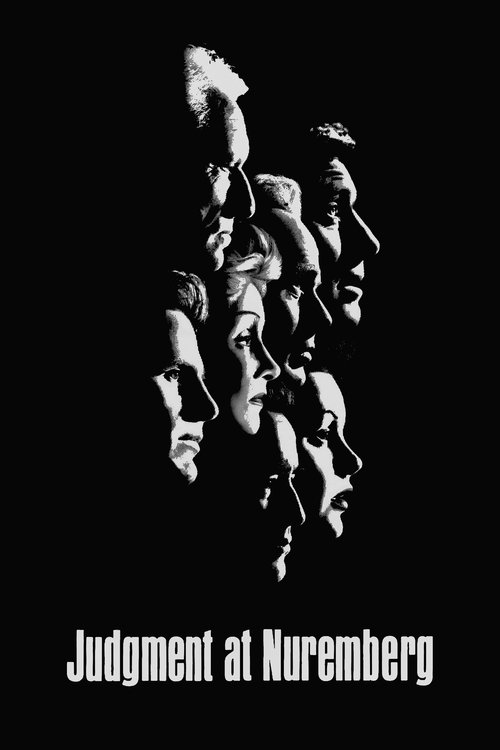
Judgment at Nuremberg1961
Same director, same star, same appetite for turning a trial into a referendum on conscience — only here the stakes are genocide, not textbooks, and the cast is even more stacked.
But Three hours long and considerably heavier; it's Kramer without the courtroom wit that leavens Inherit the Wind.
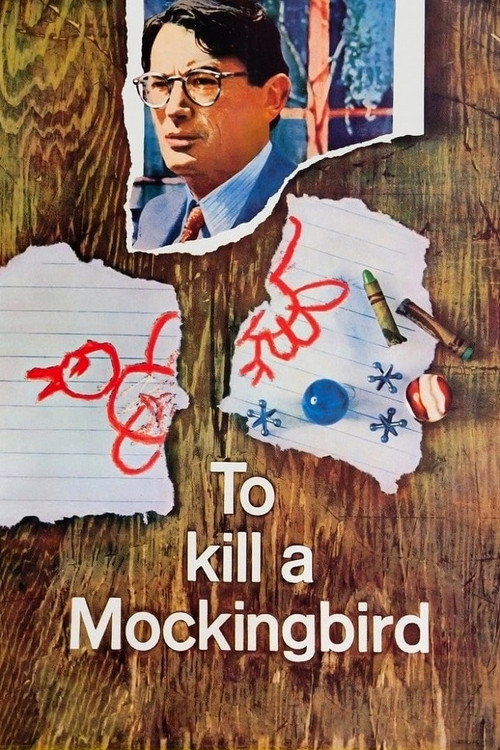
To Kill a Mockingbird1962
Gregory Peck's small-town lawyer shares Drummond's quiet decency, and the film shares Kramer's faith that one stubborn, principled man can hold a line an entire town has already crossed.
But It's gentler and more elegiac — a child's-eye memory piece rather than a verbal slugfest.
The wildcard
Something you would not have found on your own.
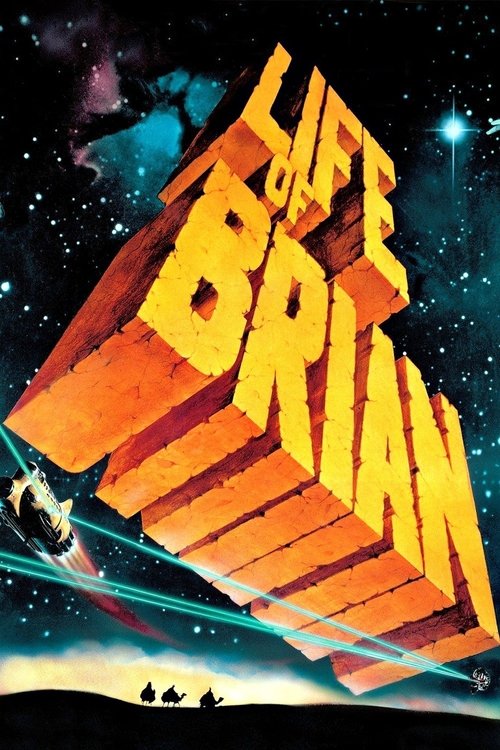
Life of Brian1979
Same anatomy as Inherit the Wind — a crowd whipped into righteous fervor, a lone dissenter punished for questioning received truth — except Kramer plays it as tragedy and the Pythons play it as the world's funniest crucifixion.
It's the funniest film ever made about mob certainty and the terror of independent thought — once you've clocked the trial-by-crowd machinery underneath the jokes, you'll never watch righteous mobs the same way.
But If you hold the Scopes trial's themes in solemn regard, watching them played as slapstick blasphemy might feel like a betrayal rather than a companion piece.
More like this (8)
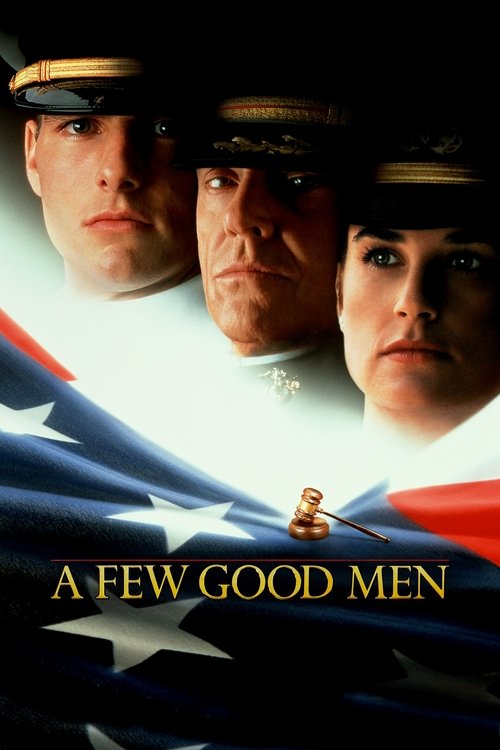
A Few Good Men1992
If what you loved was two big actors trading monologues until one of them cracks, this is the glossier modern descendant — Cruise and Nicholson standing in for Tracy and March.
But Slicker and more Hollywood-cynical; it's chasing courtroom adrenaline more than moral inquiry.
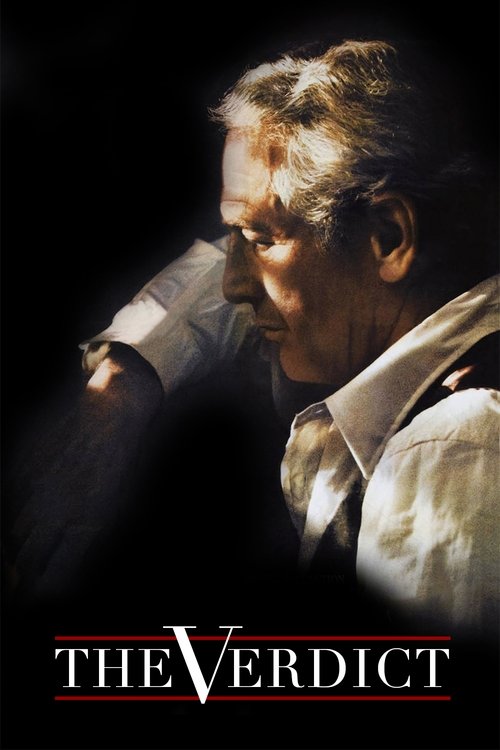
The Verdict1982
Paul Newman's washed-up lawyer finds his conscience mid-trial, sharing the same unglamorous faith that a courtroom, however battered, can still be where justice gets done.
But Slower and sadder — more character study than ideological showdown.
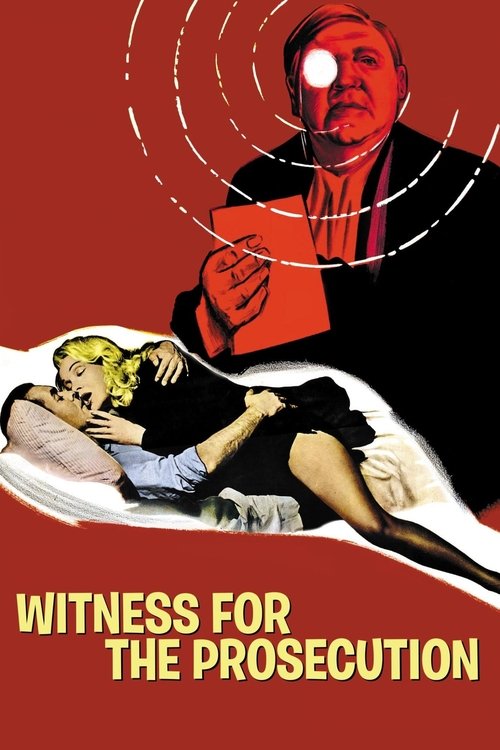
Witness for the Prosecution1957
Billy Wilder's courtroom thriller has none of the moral certainty — twistier, funnier, and a good reminder that a trial can be pure entertainment as well as a battle of ideas.
But It's after a twist ending, not a moral reckoning, so don't expect the same weight.
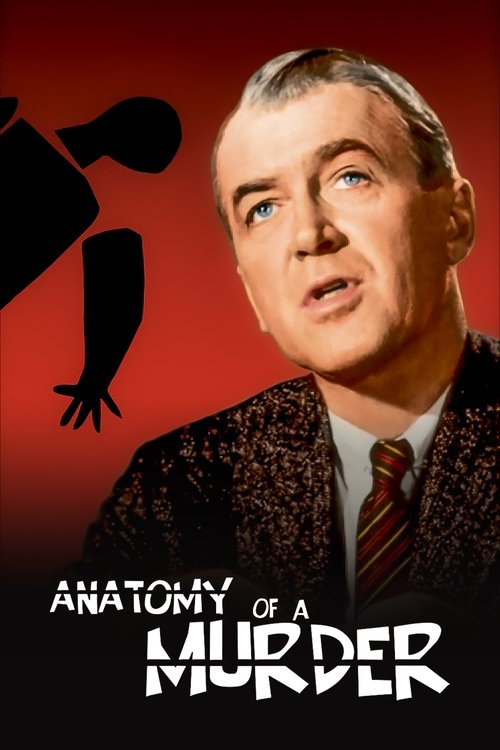
Anatomy of a Murder1959
Same vintage, same taste for long, procedural courtroom scenes played for real tension, with Jimmy Stewart doing morally murky work instead of righteous crusading.
But Cooler and more cynical about the law itself — nobody here is fighting for a cause.
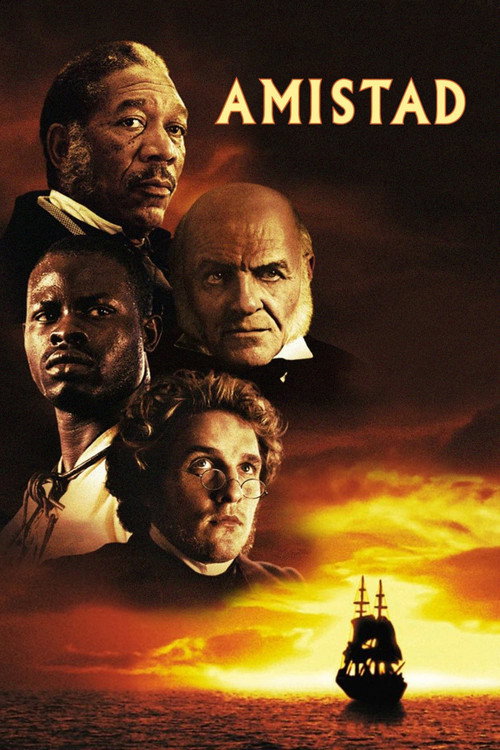
Amistad1997
Spielberg's take on a real trial asks the same question — does the law bend toward truth or toward power — with slavery instead of Darwin at the center.
But Heavier subject matter, and Spielberg's sentimentality can feel a size too big for a courtroom story.
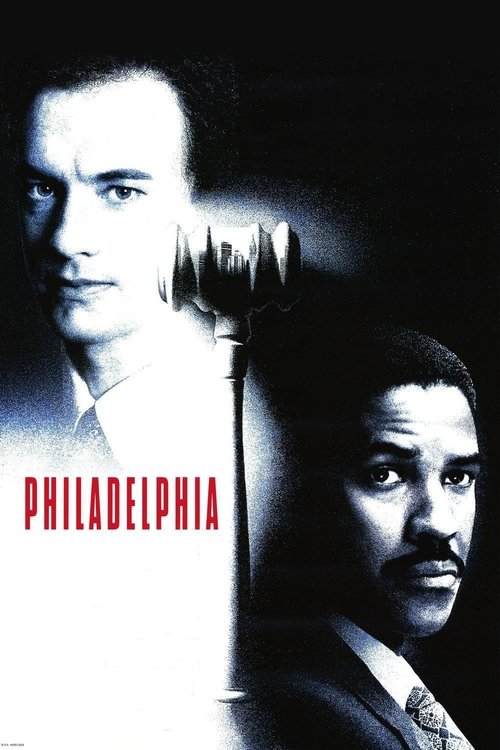
Philadelphia1993
A courtroom drama built on prejudice dressed up as principle, echoing Brady's righteous certainty — only here AIDS-era homophobia stands in for creationism.
But More earnest melodrama than debate; it wants you moved more than argued with.
The Trials of Muhammad Ali2013no page yet
Swap the Tennessee schoolroom for a boxing ring and a draft board: Ali was prosecuted and vilified for a stance of conscience, echoing Cates's fight to think freely without the state's permission.
Real footage, real stakes, a man stripped of his livelihood for a stance of conscience — it's the quieter, true-life cousin of Drummond's courtroom fight, without a script's tidy resolution.
But It's a sober documentary, not courtroom theatre — no dueling monologues, just archival patience and a slow-burn injustice.
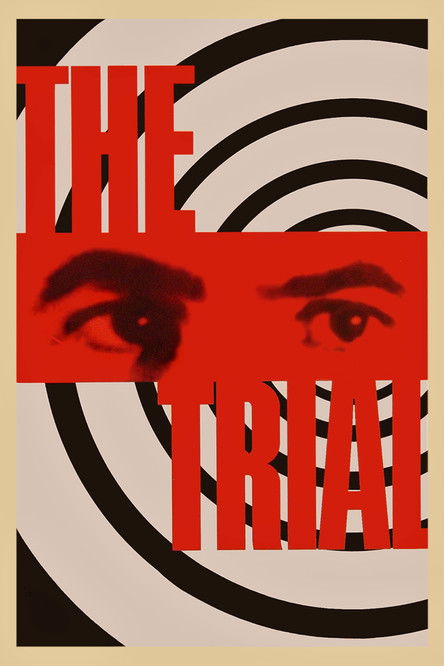
The Trial1962
Welles adapts Kafka's nightmare of a man arrested for a crime nobody will name — the surreal, dread-soaked flip side of Cates's very concrete indictment, both asking what happens when justice stops making sense.
If Inherit the Wind's courtroom felt like a stage for competing ideas, this is the same anxiety turned into expressionist nightmare — shadows, staircases, a trial with no solid ground underfoot.
But It's disorienting on purpose — don't expect closure, clarity, or even much dialogue you can hold onto.
People
Cast
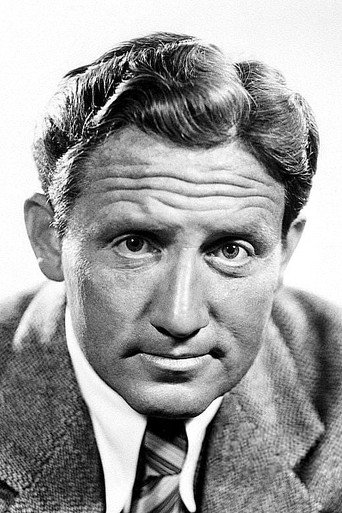 Spencer TracyHenry Drummond
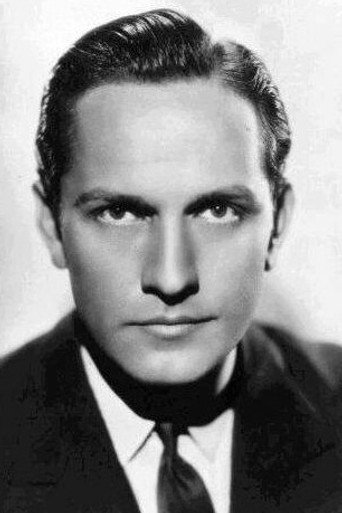 Fredric MarchMatthew Harrison Brady
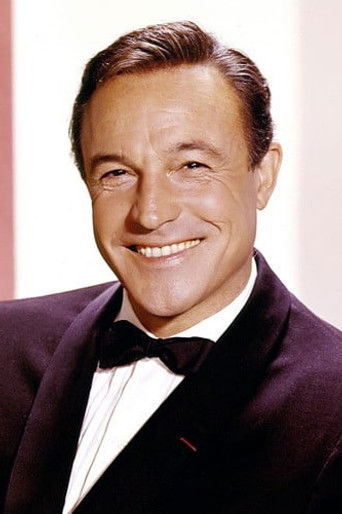 Gene KellyE.K. Hornbeck
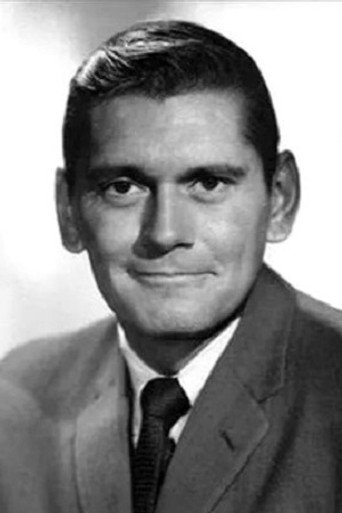 Dick YorkBertram T. Cates
 Donna AndersonRachel Brown
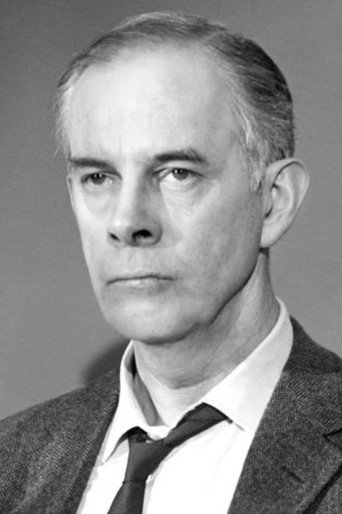 Harry MorganJudge Mel
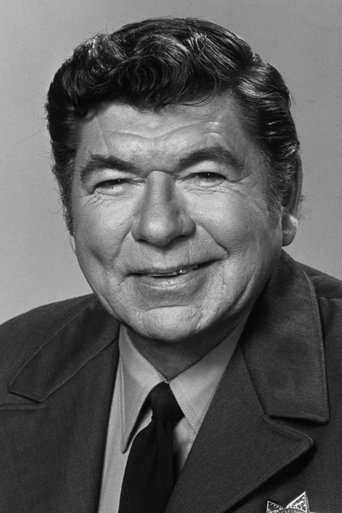 Claude AkinsRev. Jeremiah Brown
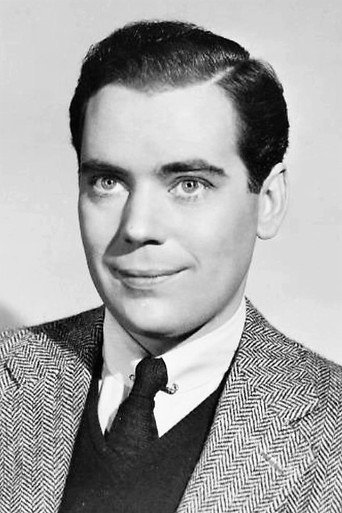 Elliott ReidProsecutor Tom Davenport
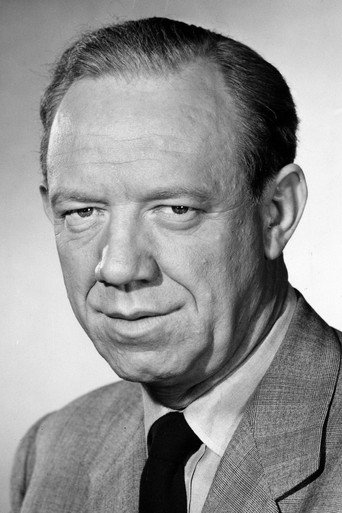 Paul HartmanBailiff Mort Meeker
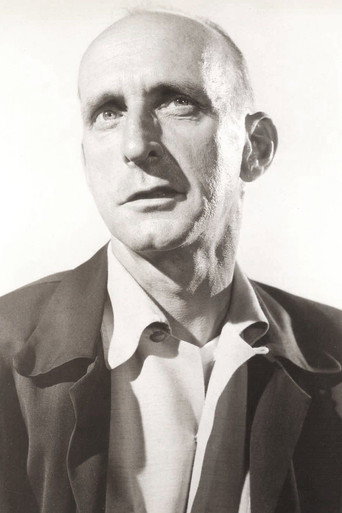 Philip CoolidgeMayor Jason Carter
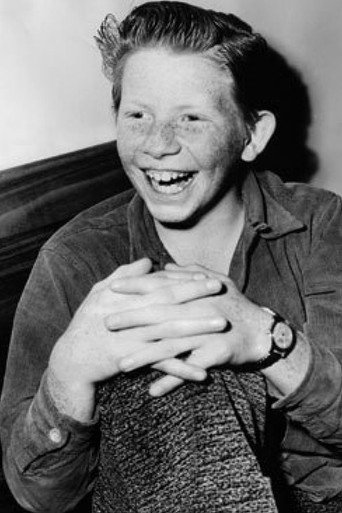 Jimmy BoydHoward
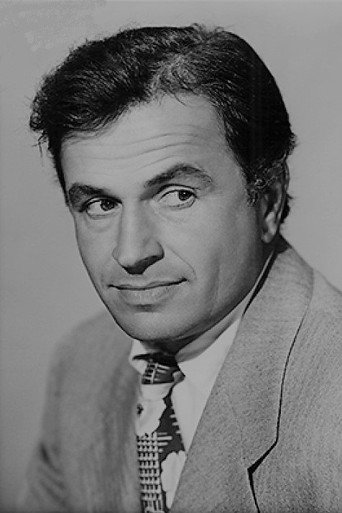 Noah Beery Jr.John Stebbins
Directing
- Ivan VolkmanAssistant Director
- Stanley KramerDirector
- Sam FreedleScript Supervisor
- Leonard KunodySecond Assistant Director
- Herman ShumlinStage Director
Writing
- Harold Jacob SmithScreenplay
- Nedrick YoungScreenplay
- Jerome LawrenceTheatre Play
- Robert Edwin LeeTheatre Play
Production
- James ListerCasting
- Lynn StalmasterCasting
- Stanley KramerProducer
- Anne P. KramerProducer's Assistant
- Clem BeauchampProduction Manager
Recommended by
Judgment at Nuremberg, Behind the Curve, Amistad, The Life of Emile Zola