
Film
The Atheism Tapes
Jonathan Miller's intimate documentary series features extended conversations with philosophers, scientists, and theologians wrestling with disbelief, faith, and what it means to think seriously about existence. These aren't debates—they're unhurried discussions with some of the era's sharpest minds. It's contemplative, humane, and treats disagreement as an occasion for thinking together rather than winning.
Should you watch it?
Watch it if you enjoy hearing clever people argue carefully about belief, with a theologian pushing back against the thinkers around him, and you don't need the camera to do much.
Skip it if you want visual variety or a documentary that moves around, since this is almost entirely people seated and talking, one interview after another.
What it asks of you: Mostly a long run of seated conversation, so it rewards patience and steady attention; the arguments unfold slowly and rarely hurry to a point.
Not sure? Find tonight's pick in a minute.
If you liked this
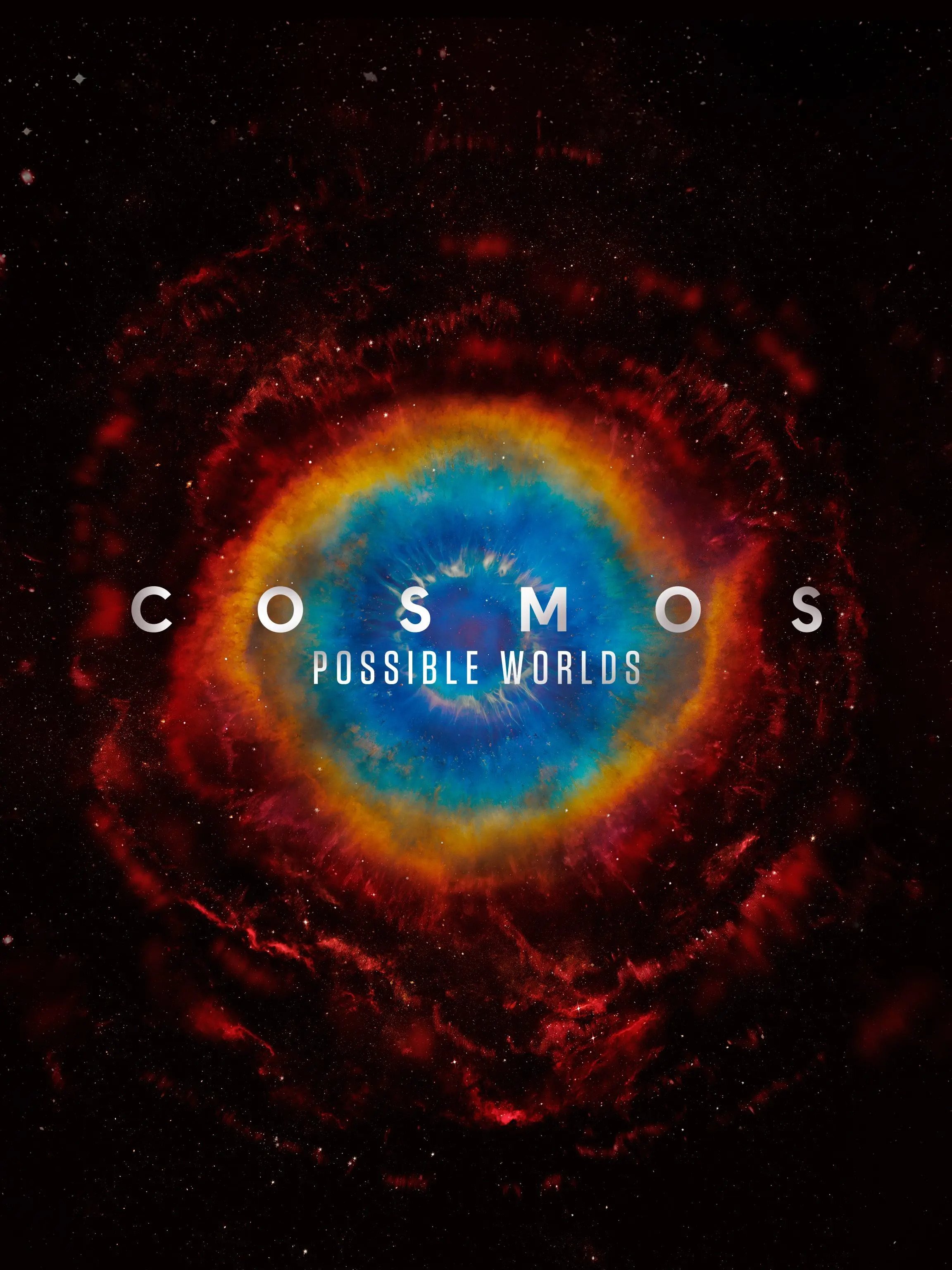
Cosmos1980
Carl Sagan's cosmos remade with Neil deGrasse Tyson, blending scientific wonder with philosophical depth. Like The Atheism Tapes, it asks big questions about our place in the universe while respecting both the mystery and the evidence.
But Heavy on visual spectacle; some viewers find it more celebratory of science than genuinely interrogative about doubt and uncertainty.
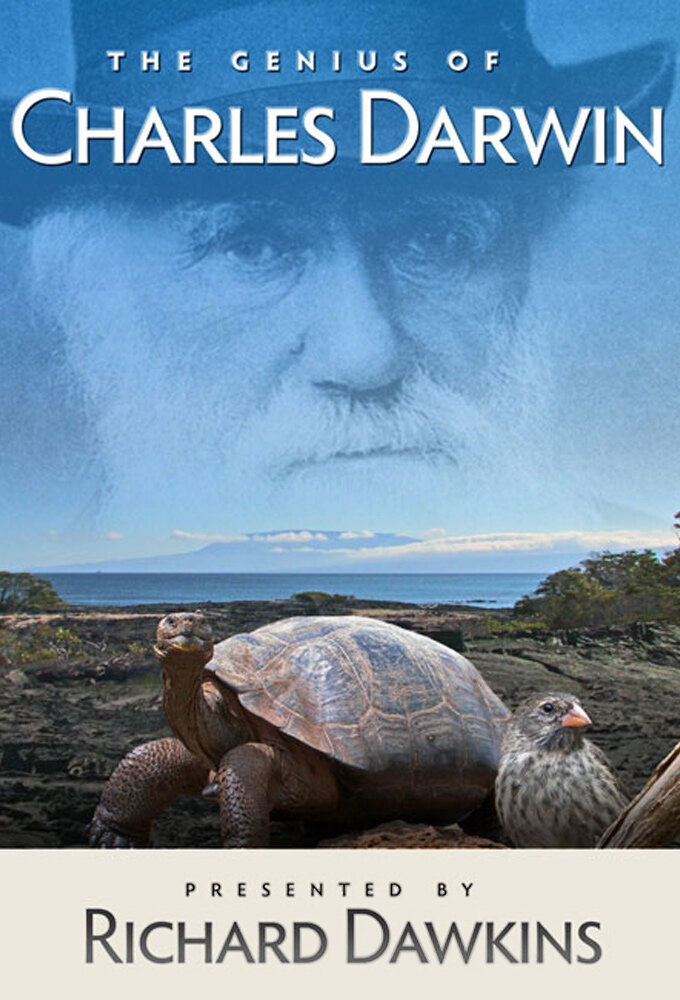
The Genius of Charles Darwin2008
Richard Dawkins presents the intellectual and moral weight of evolution, not as a science lesson but as a worldview challenge. Thoughtful without being didactic, and genuinely interested in how evolution reshapes human self-understanding.
But If you already know evolution inside-out, the biological content won't surprise you. Some find Dawkins's tone presumptive rather than exploratory.
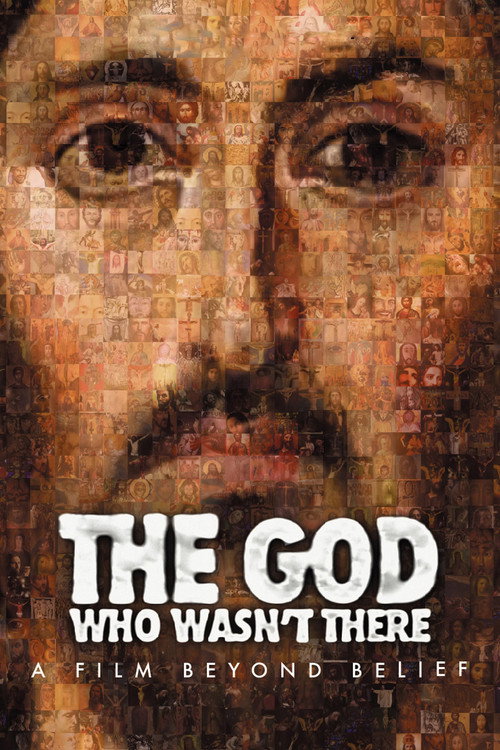
The God Who Wasn't There2005
Brian Flemming's challenging documentary questions the historical Jesus, arguing for a mythicist position. It's rigorous, unsentimental, and willing to follow the argument where it leads—uncomfortable for believers and unbelievers alike.
But The tone is polemical where Miller stays open; some historical claims are contested even among scholars sympathetic to mythicism. Feels designed to provoke rather than to invite dialogue.
Not sure tonight? Get a pick in a minute, starting from The Atheism Tapes
The wildcard
Something you would not have found on your own.
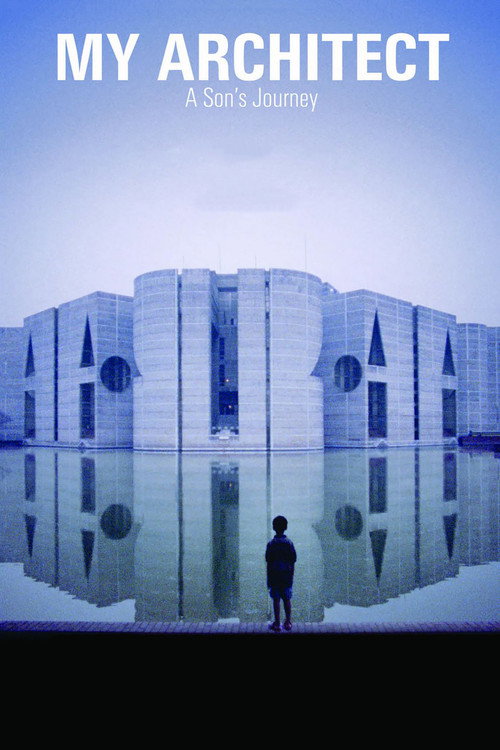
My Architect: A Son's Journey2003
Both films trust the viewer to sit with ambiguity and unfinished thoughts. Both are conversations that circle a central absence rather than resolving it. Both understand that the deepest questions don't have clean answers.
Nathaniel Kahn's documentary about discovering his father Louis Kahn through his buildings. Like Miller's tapes, it's an intimate interrogation of a complicated legacy—what we inherit, what we understand, what remains mysterious about the people who shaped us.
But It's about architecture and personal loss, not philosophy or science. If you come for atheism arguments, you'll be puzzled by what you actually get—which is the point.
More like this (6)
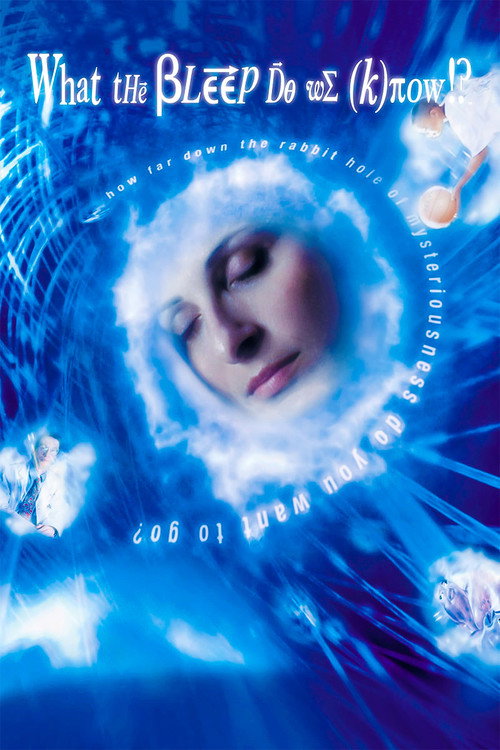
What the #$*! Do We (K)now!?2004
A formally inventive documentary blending quantum physics, neuroscience, and philosophy, asking what consciousness really is. It's visually playful and genuinely weird in ways that mirror the intellectual vertigo of deep thinking.
But The science is speculative at best and misleading at worst. It chases wonder at the expense of rigor, which is the opposite of the intellectual honesty you're seeking here.
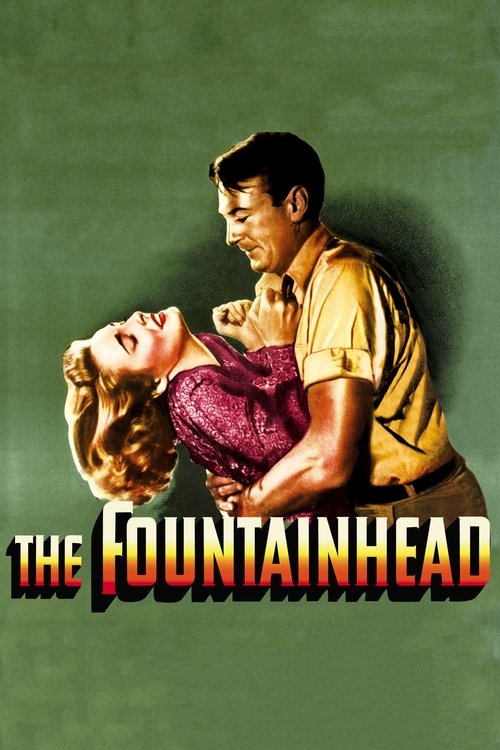
The Fountainhead1949
Not a documentary, but a film obsessed with atheism as a moral stance: individualism against collective faith. Watch it as a philosophical artifact—a wild, earnest attempt to dramatize secular conviction and its cost.
But The dialogue is wooden, the plotting heavy-handed, and the sexual politics extremely dated. It's a historical document, not a model of good filmmaking.
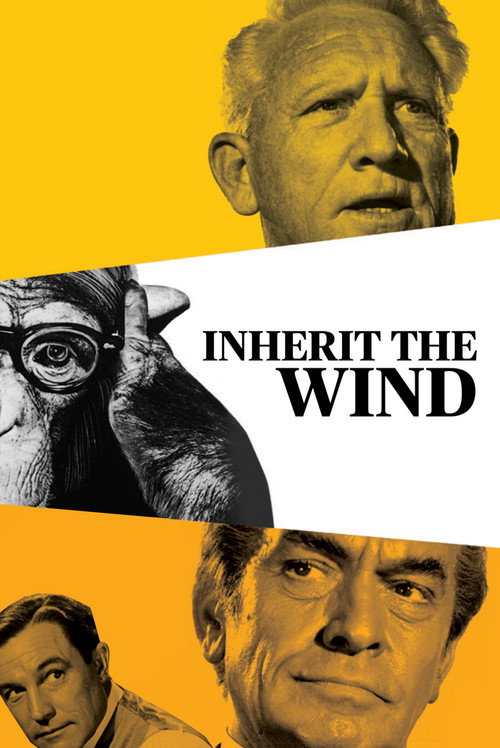
Inherit the Wind1960
A courtroom drama about the Scopes trial, pitting faith against reason. It's a mid-century liberal fantasy, but it captures the genuine intellectual stakes of the creation-evolution debate with real dramatic weight.
But Simplifies both positions; treats faith as ignorance and reason as virtue with little ambiguity. Feels more like a sermon for the already-convinced than a genuine inquiry.
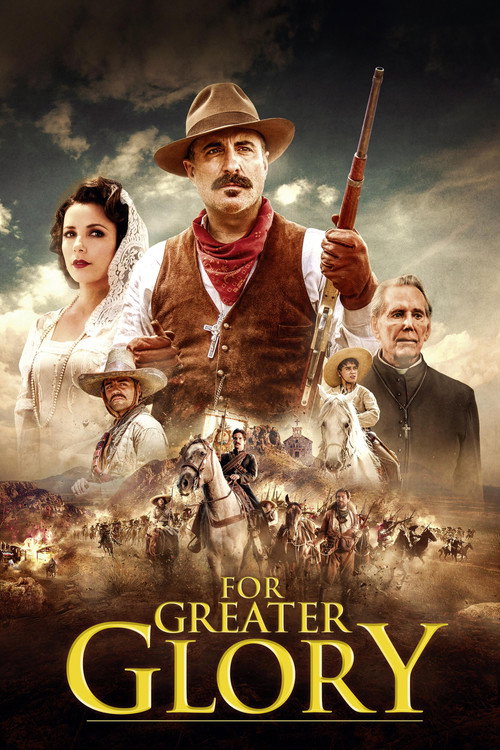
Outlaws - For Greater Glory2012
A Mexican historical epic about the Cristero War, where faith and state collide violently. It's the opposing viewpoint dramatized: how atheist governments persecute believers. A necessary corrective to secular certainty.
But Made from a devout Catholic perspective; the atheist characters are largely vilified rather than understood. Aesthetically muddled, and the narrative is scattered across too many storylines.
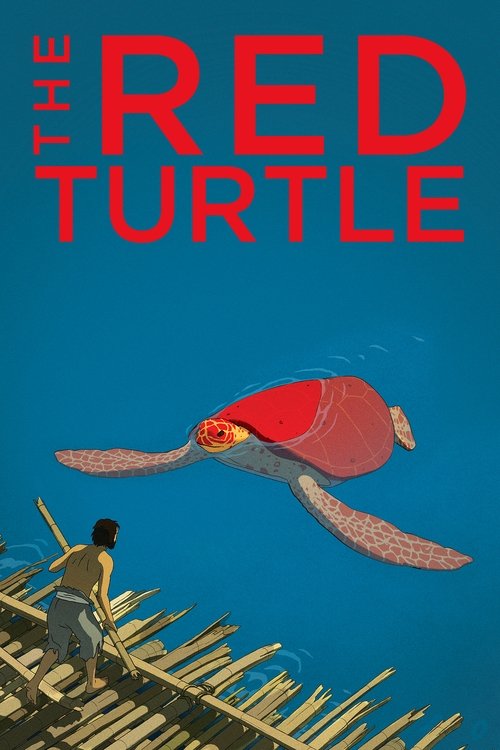
The Red Turtle2016
Where The Atheism Tapes uses language to approach the unknowable, The Red Turtle uses silence and image. Both refuse easy answers. Both trust the audience to think rather than to accept instruction.
A dialogue-free animated fable about a man shipwrecked on an island, learning to live with mystery and acceptance. Profound without explaining itself. It's a meditation on existence that asks nothing of your belief system yet somehow addresses the deepest human questions.
But There's no plot, no conflict, no argument. If you want intellectual combat or clear ideas, you'll find it mute and frustrating. It operates in metaphor rather than language.
Synecdoche, New York2008
Like The Atheism Tapes, it's asking: what do we do with the time we have? How do we live without ultimate answers? But where Miller's film speaks rationally about this, Kaufman drowns you in the visceral panic of not knowing.
Charlie Kaufman's baroque masterpiece about mortality, meaning-making, and the impossibility of capturing truth. It's a film about the experience of existing—confusion, ambition, love, decay—without leaning on any theology or ideology to explain it.
But It's genuinely difficult to follow; narrative logic collapses deliberately. The style is oppressive and exhausting. Some will find it self-indulgent rather than profound.

People
Cast
- Colin McGinnSelf
- Daniel DennettSelf
- Arthur MillerSelf
- Richard DawkinsSelf
- Denys TurnerSelf
- Steven WeinbergSelf
Recommended by
The Genius of Charles Darwin, The God Who Wasn't There, The Unbelievers, The God Delusion Debate