
Film
The God Who Wasn't There
A provocative 2005 documentary that questions whether Jesus existed historically, then uses that premise to interrogate Christianity's origins and evolution. Stylishly made with sharp editing and a confrontational tone, it features academic voices alongside pop-culture references. Designed to unsettle believers and intrigue the skeptical—not to persuade gently.
If you liked this
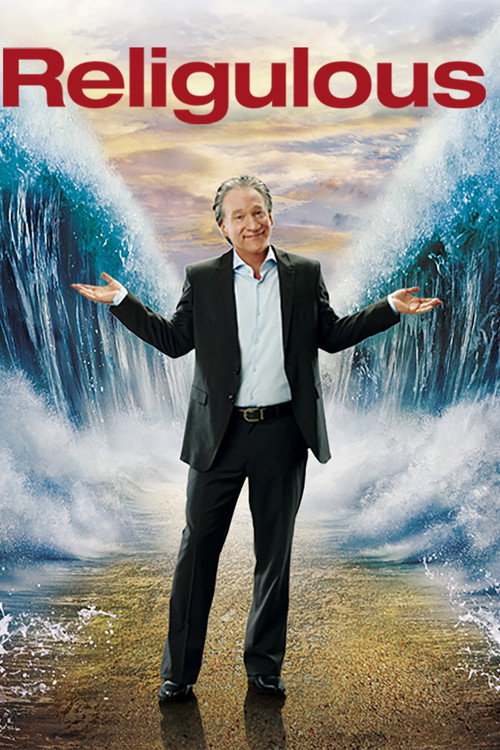
Religulous2008
Bill Maher travels globally interviewing religious practitioners with sardonic intensity. Like *God Who Wasn't There*, it's a smart person's polemic, funny and infuriating in equal measure, asking hard questions without pretending neutrality.
But Maher's smugness can wear thin. The film sometimes mistakes zingers for arguments, and believers will feel (rightly) that they're being set up rather than genuinely engaged.
The Atheism Tapes2004
Jonathan Miller's six-part documentary interviews leading atheists and agnostics with genuine curiosity rather than scorecard-keeping. Intellectually serious in ways that complement rather than echo this film's more combative approach.
But Slower paced and less flashy. If you're drawn to polemic urgency, this meditative style might feel too measured.
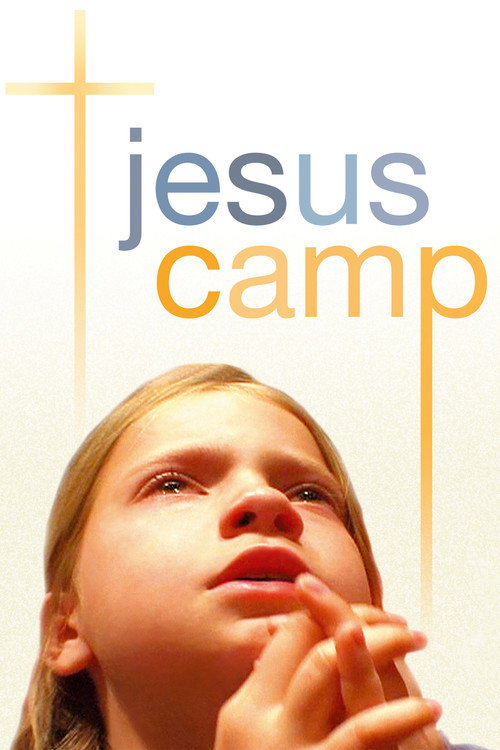
Jesus Camp2006
A straightforward observational documentary about evangelical Christian summer camps. No narration, no thesis imposed—just footage that speaks for itself. A perfect counterpoint for examining religious instruction and belief formation.
But The neutrality can feel evasive. You're left to draw conclusions without much guidance, which some find refreshing and others find frustrating.
Not sure tonight? Get a pick in a minute, starting from The God Who Wasn't There
The wildcard
Something you would not have found on your own.
The Age of Adaline2015
Both use a historically/scientifically anomalous event as a springboard for examining how stories grow around the inexplicable. The difference is the tone: one interrogates, one accepts.
Blake Lively plays a woman who stops aging after a car accident. Not about religion, but structurally identical to *God Who Wasn't There*: it takes an extraordinary premise (immortality, resurrection) and reverses it—asking what happens when the impossible becomes mundane.
But It's a romantic fantasy, not an argument. If you're seeking intellectual rigor, this will feel like cotton candy. The film never probes the philosophical implications of its setup.

More like this (7)
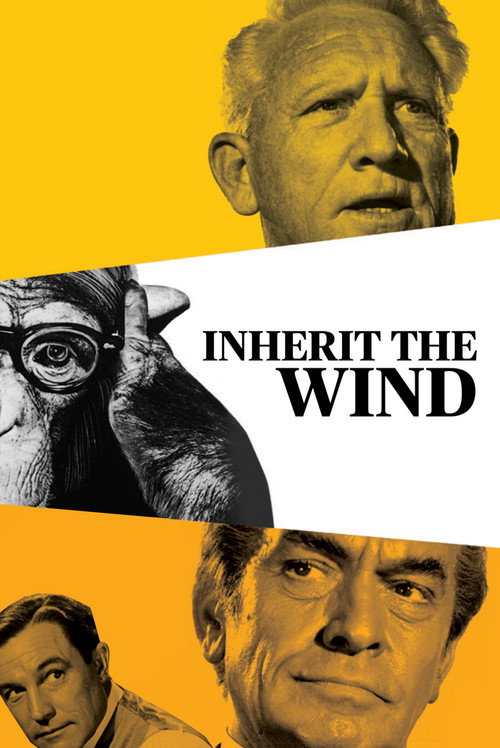
Inherit the Wind1960
A courtroom drama about the Scopes monkey trial that's really about dogmatism versus inquiry. Beautifully acted, it examines how institutions (religious and otherwise) resist inconvenient truths.
But It's a liberal's fantasy of winning the argument. The religious characters are straw men, and history is simplified for dramatic clarity.
Spotlight2015
Boston Globe journalists uncover systematic child abuse within the Catholic Church. Methodical and damning, it's about institutional failure and complicity—showing how belief structures enable harm.
But The focus is investigative journalism, not theology. If you want intellectual argument about doctrine, this offers institutional critique instead.

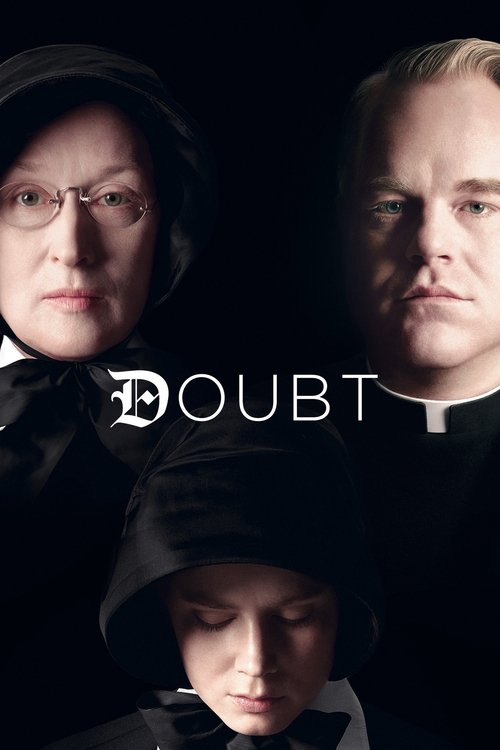
Doubt2008
Meryl Streep and Philip Seymour Hoffman in Shanley's play about suspicion, faith, and moral certainty in a Catholic school. Brilliantly ambiguous—everyone has a point, and nobody is entirely right.
But The ambiguity will frustrate you if you want clarity. It's deliberately unsettled, which some find cowardly rather than sophisticated.
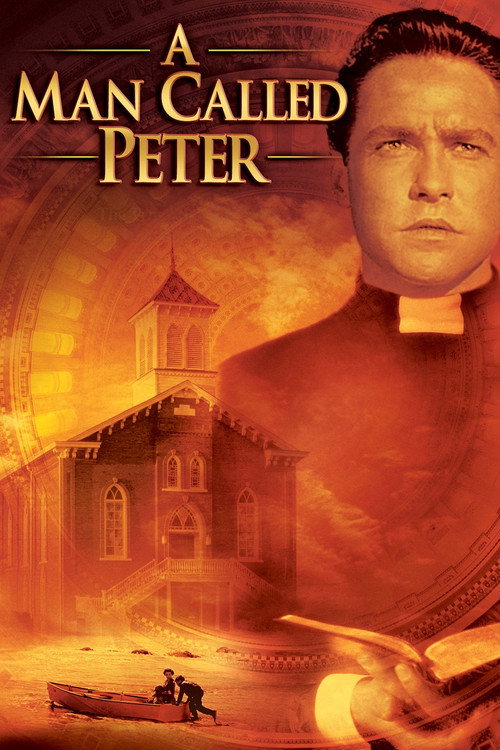
A Man Called Peter1955
A biographical film about a Scottish minister who becomes Chaplain of the Senate. It's a genuine expression of Christian faith without defensiveness, offering a portrait of sincere belief from an era that assumed it.
But It's hagiography. The film never questions its subject or his worldview, which modern viewers may find quaint or frustrating.
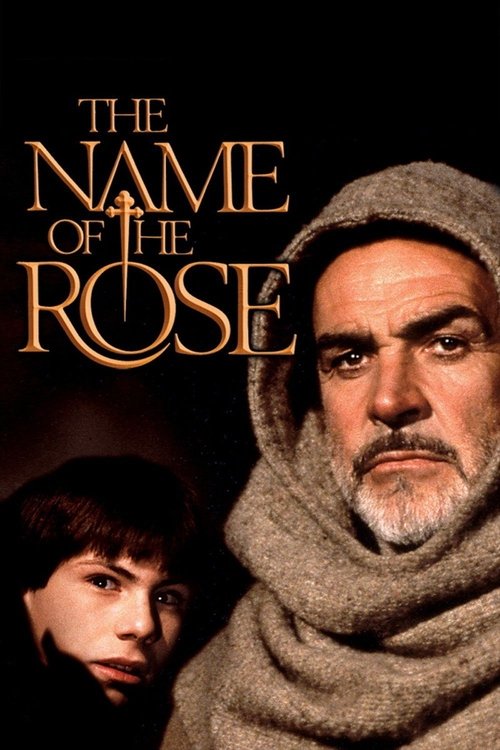
The Name of the Rose1986
A murder mystery in a medieval monastery where theology, power, and the control of knowledge collide. Sean Connery is superb, and the film captures how religious institutions weaponize doctrine for institutional survival.
But It's long, deliberately paced, and sometimes feels more interested in atmosphere than plot. The intellectual questions can get lost in the aesthetics.
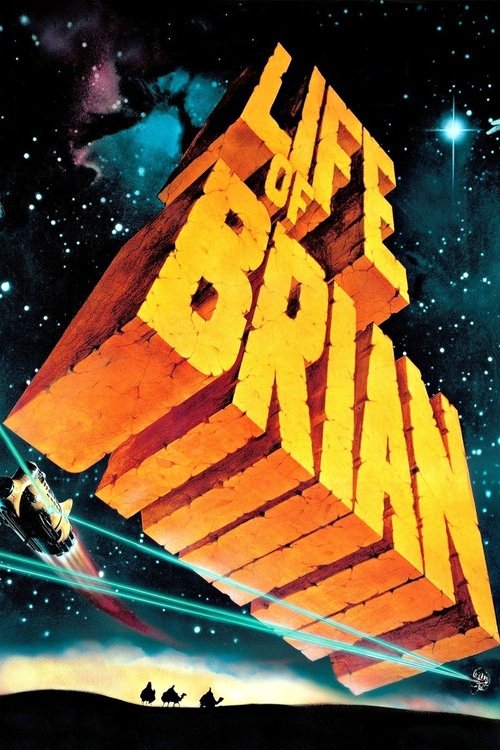
Life of Brian1979
Both examine the gap between historical event and religious narrative, but Python discovers the absurdity through comedy rather than criticism. The mechanism is identical; the temperature is entirely different.
Python's savage satire about mistaken messianism exposes how easily charisma becomes dogma, how followers construct meaning from accident, how institutions harden around personality. Funnier and more structurally clever than any polemical documentary.
But Broad comedy—slapstick and shouting—which some find juvenile. The satire works fast and doesn't linger on each point, so it can feel scattered.
Synecdoche, New York2008
*God Who Wasn't There* asks: what happens when a story becomes more real than history? Kaufman enacts that collapse in real time, showing how constructed narratives can consume their creators. One is intellectual; one is visceral.
Charlie Kaufman's bewildering masterpiece about a theater director who builds a replica of New York inside a warehouse, collapsing reality and fiction until they're indistinguishable. Strange, disorienting, about how stories we tell become the reality we inhabit.
But Genuinely difficult and oblique. If you want clarity or linear narrative, this will frustrate you into fury. It's a puzzle that may not have an answer.

People
Cast
 Richard DawkinsSelf
 Sam HarrisSelf
 Robert M. PriceSelf
- Richard CarrierSelf
- Alan DundesSelf
- Brian FlemmingSelf – Narrator
Directing
- Brian FlemmingDirector
Writing
- Brian FlemmingWriter
Production
- Amanda JacksonProducer
- Brian FlemmingProducer
Recommended by
Hell House, The Question of God: Sigmund Freud & C.S. Lewis, Religulous, The Atheism Tapes, The Unbelievers