Film
The Question of God: Sigmund Freud & C.S. Lewis
- Biopic
- Slow-burning
A PBS documentary exploring life's deepest questions through the contrasting worldviews of Sigmund Freud and C.S. Lewis. Rather than debate, it traces how their personal struggles shaped their philosophical conclusions about God, suffering, and meaning. Thoughtful, intimate, and genuinely moving—for anyone wrestling with faith, doubt, or what makes life worth living.
Should you watch it?
Watch it if you enjoy slow, argumentative documentaries where two opposed minds are set side by side and left to disagree, and you have an appetite for questions about pain and belief.
Skip it if the running time, close to four hours of reflective talk and slow pacing, will test anyone who needs momentum or a clear narrative arc.
What it asks of you: Long stretches of quiet, measured talk and a tone that stays serious throughout, with ideas doing the work that plot usually would.
Not sure? Find tonight's pick in a minute.
If you liked this
A Brief History of Time1991
Errol Morris's portrait of Stephen Hawking asking the biggest questions about the universe and existence. Like Question of God, it's about how one brilliant mind's personal circumstances shape their search for cosmic meaning.
But Heavy on theoretical physics; you don't need to understand the science, but the abstraction may frustrate viewers wanting emotional stakes.
The Golden Compass2007
BBC Radio 4 series (available as podcast) where people of faith and non-believers discuss life's meaning. It has the same exploratory spirit—listening rather than lecturing—without the PBS scope but with more voices.
But Radio format means no visuals; some episodes meander without resolution, which suits contemplation but not everyone's patience.
The God Who Wasn't There2005
Brian Flemming's provocative documentary about his own loss of faith offers an atheist counterweight to the Freud-Lewis framework. Personal, angry where appropriate, and unafraid of contradiction.
But It's polemical rather than balanced; if you're looking for intellectual neutrality, this swings hard in one direction.
Not sure tonight? Get a pick in a minute, starting from The Question of God: Sigmund Freud & C.S. Lewis
The wildcard
Something you would not have found on your own.
The Seventh Seal1957
Both use the figure of death and suffering as the true test of belief; both refuse easy comfort and insist the questions matter more than the answers.
Ingmar Bergman's masterpiece is essentially Question of God as a medieval fable: a knight plays chess with Death while wrestling with faith. It does what the documentary does—make theology visceral and personal—but through myth and image rather than argument.
But Black-and-white, slow, deeply melancholic; if you need contemporary explanations of philosophy, its beauty may feel inaccessible.

More like this (4)
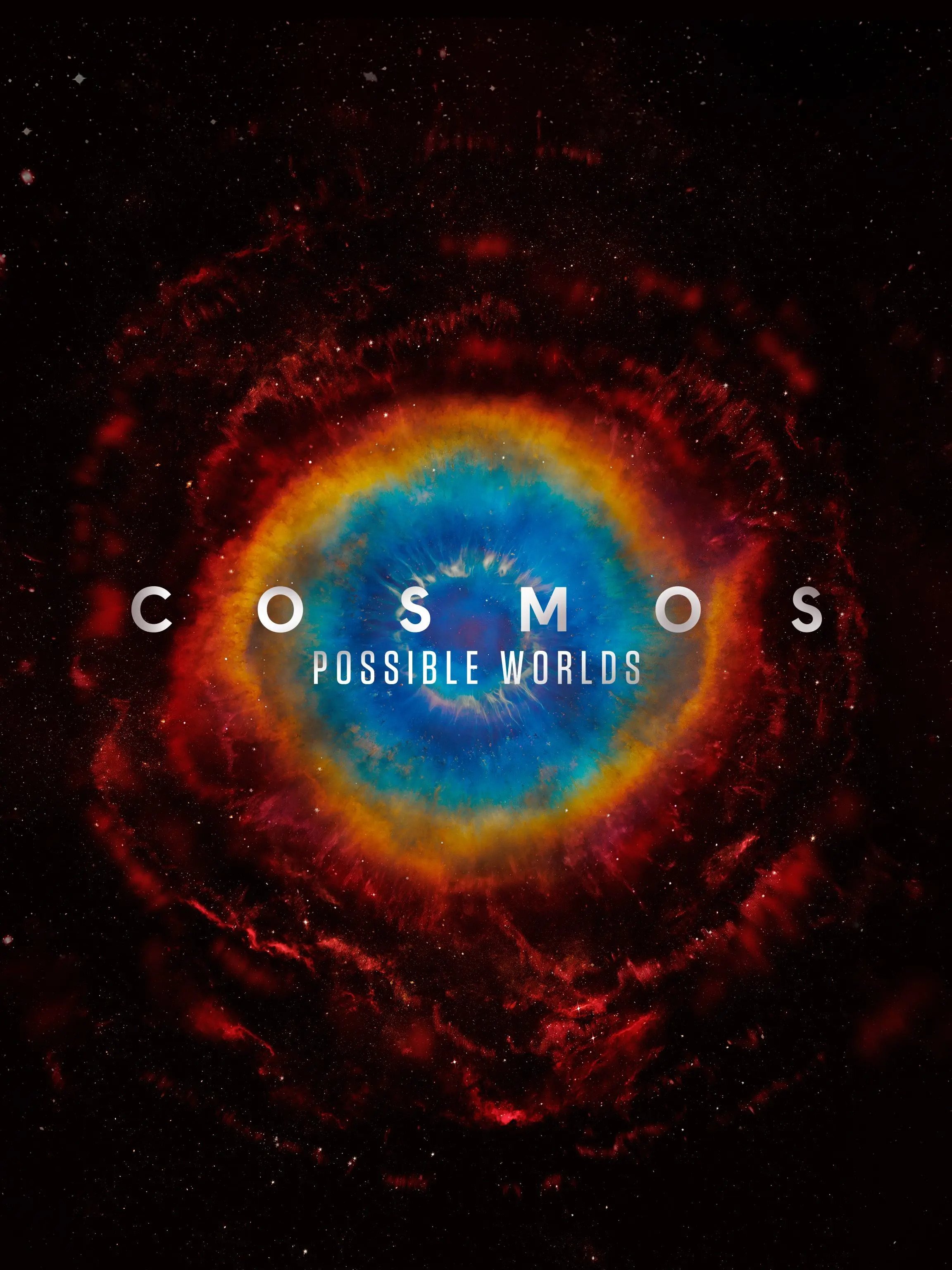
Cosmos1980
Neil deGrasse Tyson's series tackles wonder, meaning, and our place in existence with genuine reverence. It shares the documentary's sense that big questions deserve big, beautiful treatment.
But Primarily about science, not philosophy; some may find the spiritual language without religious commitment thin or evasive.
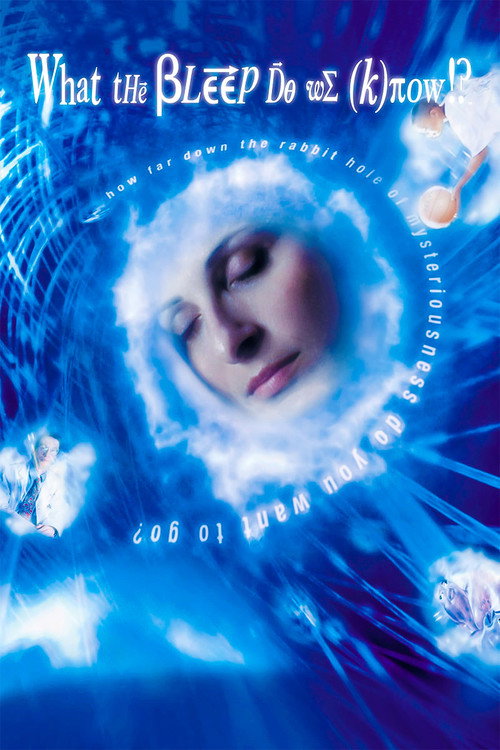
What the #$*! Do We (K)now!?2004
Released the same year, it also weaves quantum physics, consciousness, and spirituality through a fictional frame. Playful where Question of God is serious, but asking similar questions about reality and meaning.
But Mixing fiction with documentary is disorienting; some critics found the quantum physics selectively presented or misinterpreted.
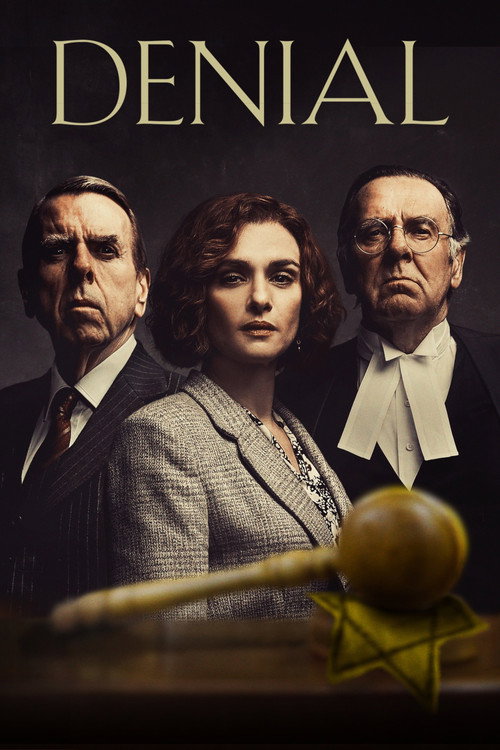
Denial2016
Both examine how ideology and personal psychology determine what we believe to be true, and whether reason alone can overcome conviction.
Tom Wilkinson plays a historian defending the existence of the Holocaust against a denier's legal challenge. Not about God, but about how the same mind can deny overwhelming evidence—how belief shapes perception itself, the core tension between Freud and Lewis.
But Courtroom drama is necessarily less philosophical; the gravity of the subject may make some feel the film doesn't do it justice.
The Tale2018
Like the Freud-Lewis debate, it explores whether lived experience can be trusted, how trauma reshapes our narrative, and whether we can ever really know ourselves.
Jennifer Fox's autobiographical documentary reconstructs a childhood trauma, interrogating her own memory and complicity. It's a Question of God for the self: how do we know what happened to us, and what does it mean? Visually inventive and emotionally raw.
But Experimental form—mixing interview, acted scenes, and introspection—is deliberately fractured; some will find it confusing rather than illuminating.