
Film
A Man Called Peter
A 1955 biographical drama about Scottish immigrant Peter Marshall, who abandons his plans for a seafaring life after a spiritual calling leads him to become a minister. Richard Todd carries this earnest, faith-centered film as Marshall rises from small congregations to chaplain of the U.S. Senate. It's a straightforward, beautifully mounted story about conviction and purpose for viewers drawn to inspirational biography and Christian drama.
Should you watch it?
Watch it if you enjoy earnest, old-fashioned biopics where faith is treated seriously and the warmth comes from character rather than cynicism, the sort of sincere Hollywood period piece that takes a quiet preacher's inner life as its real subject.
Skip it if you want sharp irony or a fast-moving plot, since this is a gentle, talky portrait of one man's ministry and its sermons and conversations may feel long if religious themes leave you cold.
What it asks of you: Settle in for nearly two hours of unhurried scenes, mostly conversation and church life, with a sincere tone that rewards patience more than sudden momentum.
Not sure? Find tonight's pick in a minute.
If you liked this
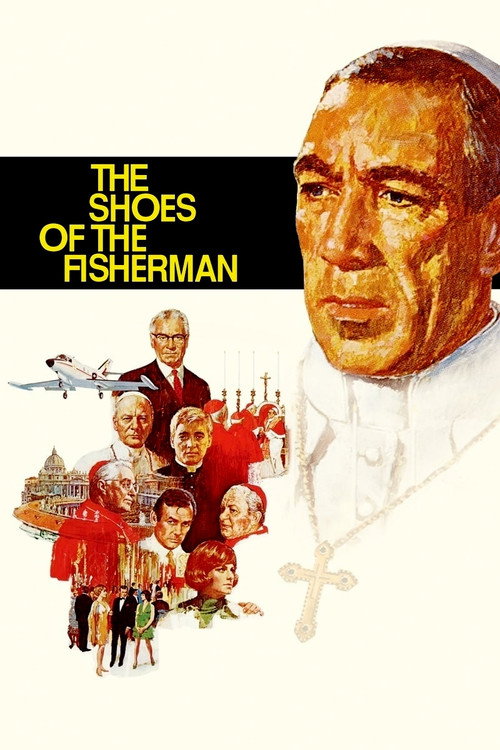
The Shoes of the Fisherman1968
Anthony Quinn as a newly elected Pope navigating Cold War politics with moral conviction. Like Marshall, it follows a spiritual leader thrust into unexpected influence, exploring faith and duty against grand historical backdrops.
But The geopolitical subplot can feel dated and heavy-handed, and the pacing sags in the middle hour despite Quinn's warmth.
Ben-Hur1959
Charlton Heston in an epic about spiritual transformation and redemption, built on the same foundation of conviction changing a life. Superbly crafted and visually magnificent in ways that match Marshall's sincerity without irony.
But Nearly four hours long, and the scale can overwhelm the intimate character moments that made you care about the story in the first place.

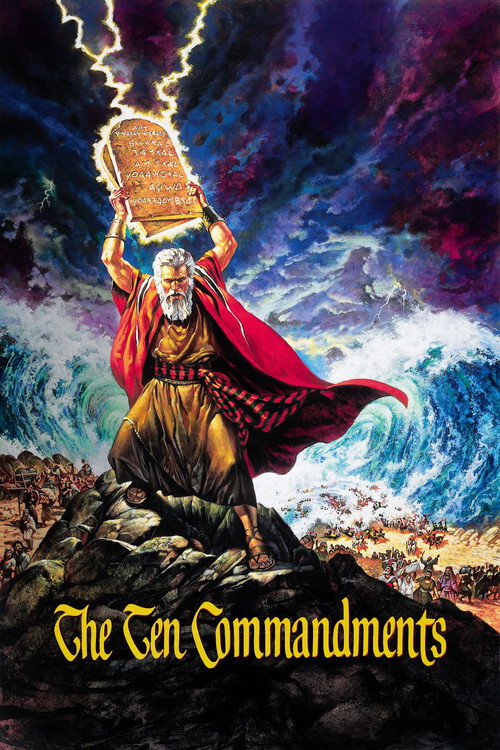
The Ten Commandments1956
DeMille's biblical spectacle with the same reverent tone and genuine belief in its material. If you connected with Marshall's earnestness, this delivers similar spiritual conviction on a desert-spanning canvas.
But The ham-fisted dialogue and overwrought theatrical delivery will test your tolerance for mid-century earnestness. It's a lot of movie.
Not sure tonight? Get a pick in a minute, starting from A Man Called Peter
The wildcard
Something you would not have found on your own.
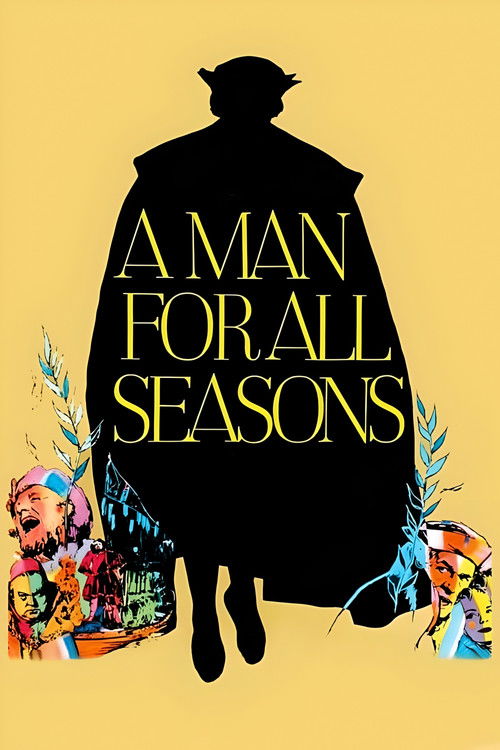
A Man for All Seasons1966
Both trace a biographical arc where a man's spiritual calling puts him in direct conflict with temporal authority, but where Marshall rises to influence, More stands alone against it.
Paul Scofield as Thomas More facing an impossible choice between obedience to state and obedience to conscience. Both films are about men of faith tested by institutional power, but this is a towering intellectual duel rather than a inspirational biopic—More's conviction carries him toward suffering, not ascension.
But It's a dialogue-heavy period drama with little action. If you want uplift, this ends in execution. The theological argument matters more than plot momentum.
More like this (8)
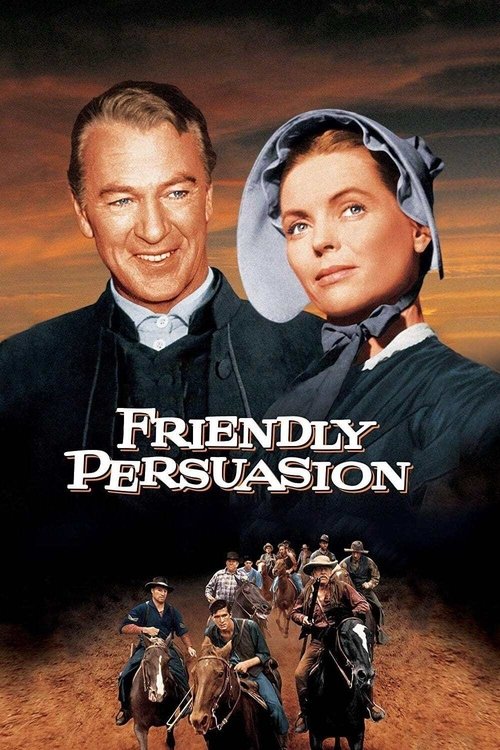
Friendly Persuasion1956
Gary Cooper and Dorothy McGuire as Quakers whose faith is tested by the Civil War. A gentler exploration of conscience and conviction, with real warmth and humor balanced against genuine moral stakes.
But The episodic structure means it meanders; some side plots feel tacked on rather than integral to the larger picture.
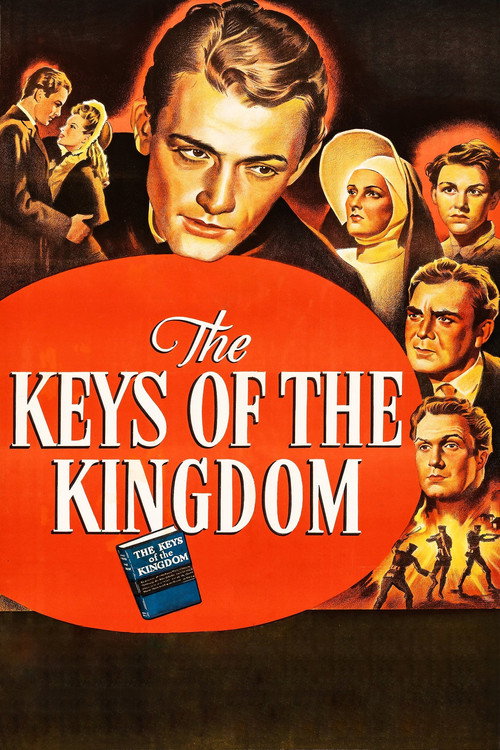
The Keys of the Kingdom1944
Gregory Peck as a Scottish priest serving in China, spanning decades of quiet devotion. It shares Marshall's interest in an individual's faith journey across continents and time, with similar emotional restraint and dignity.
But Episodic and sometimes plodding, with long stretches where not much happens except reflection and patience, which isn't for everyone.
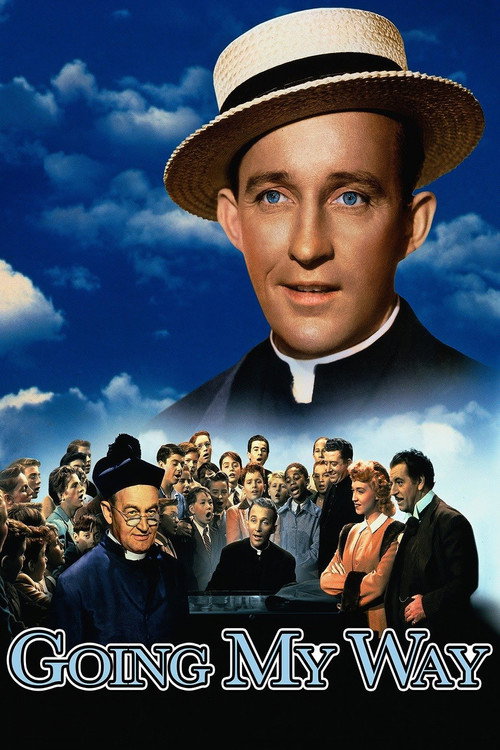
Going My Way1944
Bing Crosby as a young priest bringing warmth and modernity to a struggling parish. Lighter in tone than Marshall but built on the same bedrock of faith, community, and a good man doing his calling with grace.
But The whimsy can feel saccharine, and some musical interludes interrupt what is otherwise a sincere story about redemption and belonging.
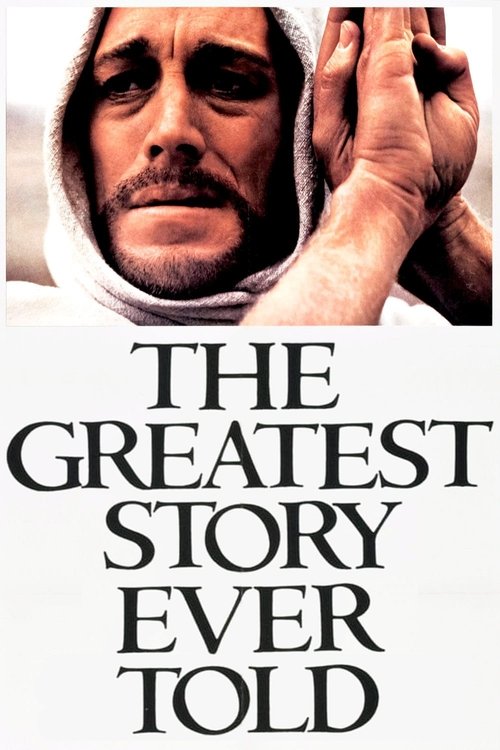
The Greatest Story Ever Told1965
George Stevens' reverent, painterly epic about Christ's life. If Marshall spoke to you, this operates in the same register of sincere faith drama treated with visual grandeur and genuine spiritual intention.
But At 225 minutes, it's a commitment, and Stevens' deliberate pacing—while respectful—can feel glacial. The large ensemble occasionally dilutes focus.
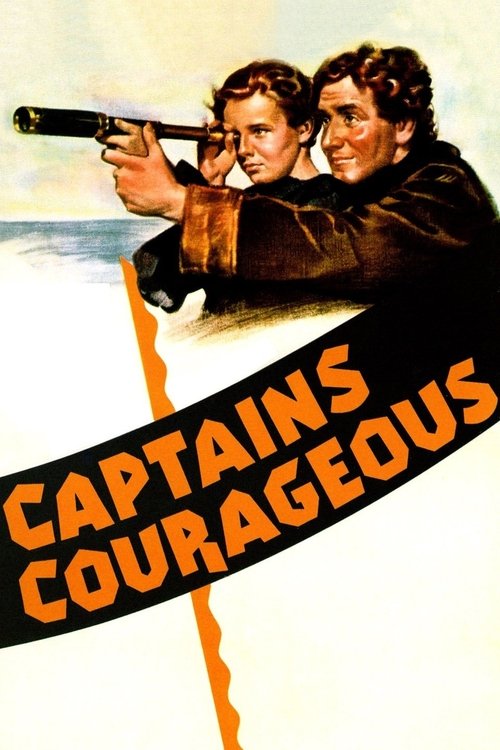
Captains Courageous1937
Spencer Tracy as a mentor figure who transforms a young man through discipline and purpose. Thematically linked to Marshall's journey from one calling to another, with Tracy delivering quiet, genuine warmth.
But It's a coming-of-age story first and foremost, so the spiritual elements are lighter. The seafaring adventure may overshadow what Marshall fans appreciate most.
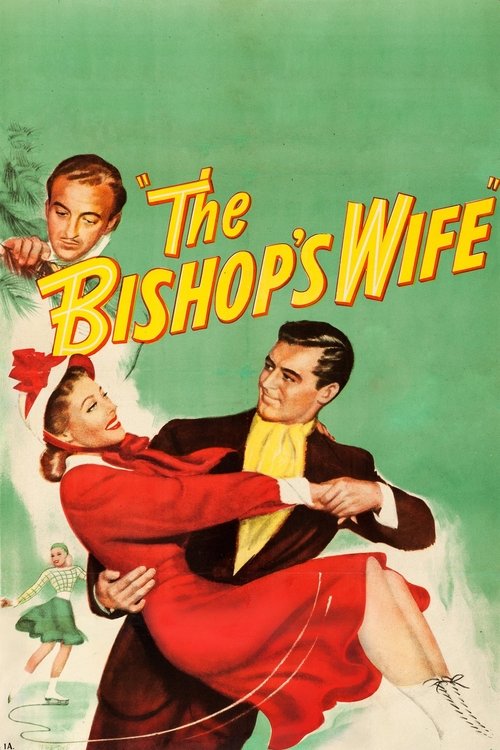
The Bishop's Wife1947
Cary Grant, Loretta Young, and David Niven in a gentle Christmas fantasy about faith, marriage, and duty. It shares Marshall's interest in a clergyman's life, though it approaches the subject with warmth and magic rather than stark drama.
But It's fundamentally a romantic comedy, not a biographical drama, so the spiritual sincerity takes a backseat to charm and sentiment.
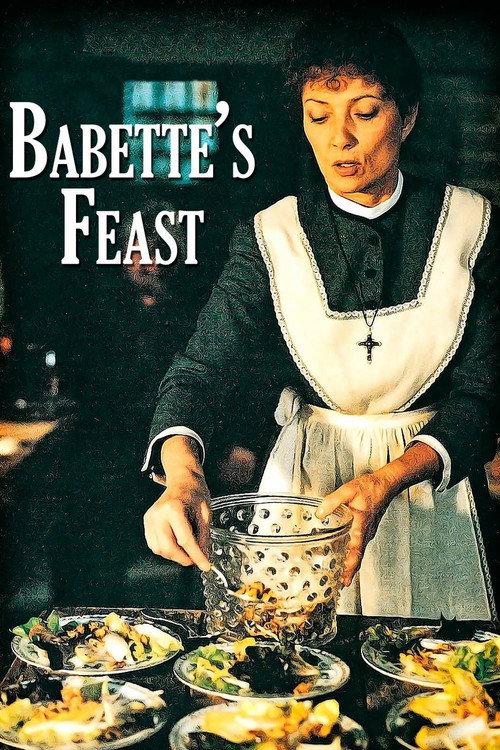
Babette's Feast1987
Both films believe completely in the possibility of grace transforming ordinary life, but Babette finds it in sacrifice and mystery, while Marshall finds it in ambition answered by purpose.
A Danish film about two sisters living a spartan religious life, disrupted by an act of grace disguised as a meal. Like Marshall, it's about faith lived quietly in community, but it achieves transcendence through sensory experience and paradox rather than narrative triumph.
But Almost nothing happens by conventional standards. If you need plot, character arcs, or a rousing climax, this will feel glacially slow and almost static.
Winter Light1963
Both center on a pastor's relationship to his calling and his people, but where Marshall discovers divine purpose, Bergman's pastor discovers only silence and the terrible burden of continuing without certainty.
Bergman's austere portrait of a Swedish pastor whose faith is collapsing under the weight of his congregation's suffering and his own doubt. If Marshall spoke to your love of spiritual biography, this is its photographic negative—a film about a man of God for whom God has become absent.
But It is bleak, slow, and theologically unresolved. There is no uplift. If you came to Marshall for reassurance about faith, this will feel punishing.

People
Cast
 Richard ToddThe Rev. Peter Marshall
 Jean PetersCatherine Wood Marshall
 Marjorie RambeauMiss Laura Fowler
 Jill EsmondMrs. Findlay
 Les TremayneSenator Willis K. Harvey
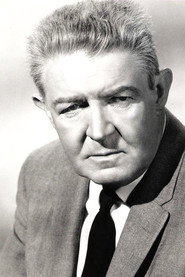 Robert BurtonMr. Peyton
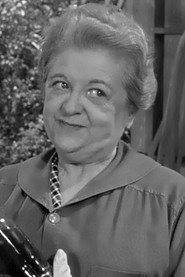 Gladys HurlbutMrs. Peyton
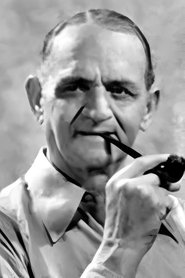 Richard GarrickColonel Evanston Whiting
 Gloria GordonBarbara
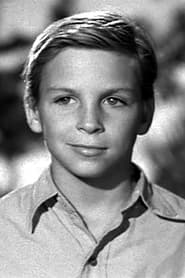 Billy ChapinPeter John Marshall
 Marietta CantyEmma
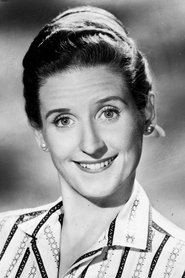 Ann B. DavisRuby Colman
Directing
- Henry KosterDirector
Writing
- Catherine MarshallAuthor
- Eleanore GriffinScreenplay
Production
- Samuel G. EngelProducer
Recommended by
Boys Town, Where No Vultures Fly, The Holy Family, Paul, Apostle of Christ, The God Who Wasn't There, The Mighty McGurk