
Film
The Keys of the Kingdom
Gregory Peck as a priest sent to 1930s China to build a mission from nothing. A quietly devastating study of faith tested by indifference, poverty, and the collision between Western certainty and Eastern skepticism. Peck carries it with restraint—no grandstanding, no easy answers. For anyone who wants their spirituality complicated, not confirmed.
Should you watch it?
Watch it if you love slow, character-first stories where a stubborn, decent man's faith is tested by small daily hardships rather than big set pieces, and you don't mind a little old-fashioned sentiment.
Skip it if you want brisk plotting or modern pacing, since this is long and leisurely, and its devotion to uplift can feel heavy-handed to viewers wary of religious earnestness.
What it asks of you: Nearly two and a half hours at an unhurried pace, built from long episodes of quiet hardship with little urgency and few sharp turns, rewarding patience over suspense.
Not sure? Find tonight's pick in a minute.
If you liked this
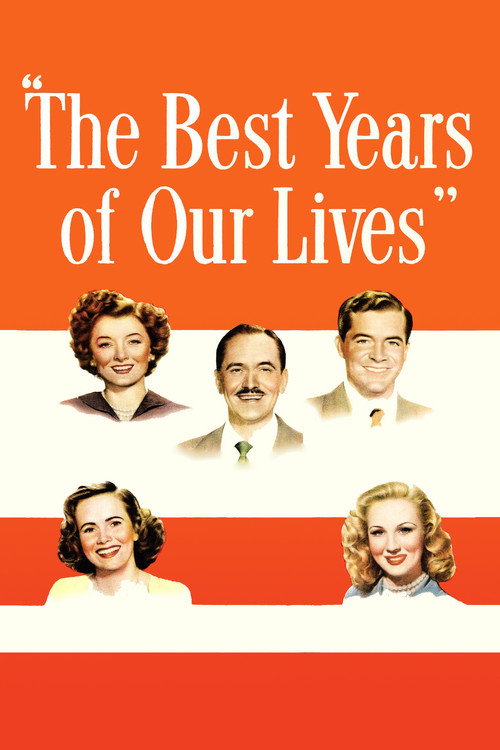
The Best Years of Our Lives1946
Like Keys, it's a patient postwar drama about men finding purpose in changed circumstances. Wyler's direction feels both intimate and epic; the performances burrow into quiet desperation and modest hope.
But Nearly four hours long, and the pacing is deliberate. It rewards attention but won't grab you by the throat.
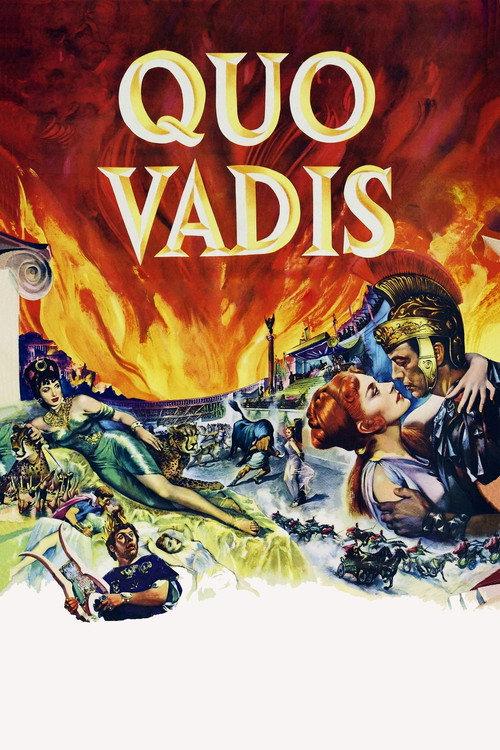
Quo Vadis1951
Another MGM epic of faith under pressure, with a similar scope and sincerity. It has the same earnest confrontation between belief systems, though with more spectacle and Robert Taylor's Roman centurion wrestling conscience.
But The scale is grander, the message more obvious. It's a different temperature—less ambiguous, more triumphalist than Keys.
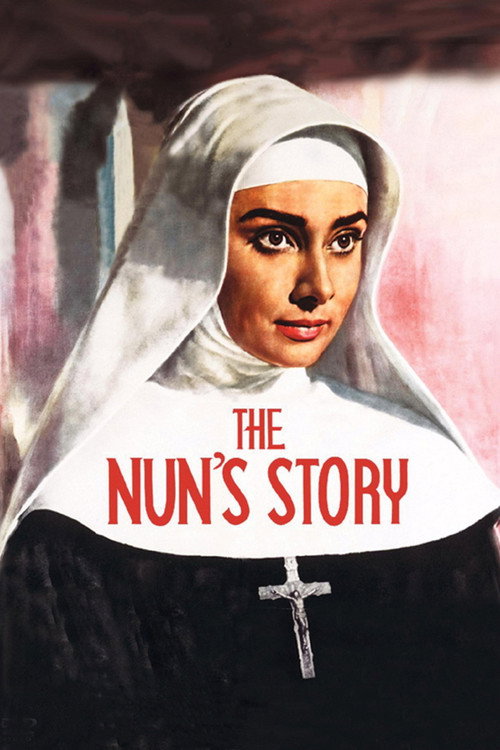
The Nun's Story1959
Audrey Hepburn in a French convent, then the Congo, grappling with whether her vows still hold when confronted with real suffering. The same DNA as Keys: institution versus individual, faith versus doubt, beautifully shot in widescreen.
But It's quieter than you'd expect from the setup. Some find the pacing slack; others find it meditative.
Not sure tonight? Get a pick in a minute, starting from The Keys of the Kingdom
The wildcard
Something you would not have found on your own.
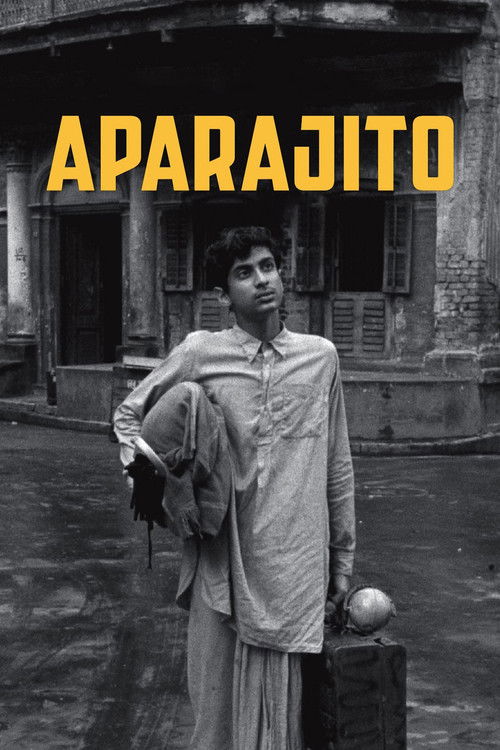
Aparajito1956
Both track a young man's spiritual formation against the texture of a place. Both are patient with their characters' doubts. Both believe small acts of kindness matter more than theological certainty.
Ray's middle film in the Apu trilogy: a boy grows up in Bengal, his mother dreams he'll be a priest. It has Keys' structure—a young man's journey, India as setting, faith as the pivot point—but shot in a completely different language and aesthetic. Humanist, lyrical, grounded in daily life rather than dramatic crisis.
But It's a 1950s Bengali film; the print quality varies, subtitles required, rhythm unfamiliar to Western audiences. It moves by observation, not plot.
More like this (8)
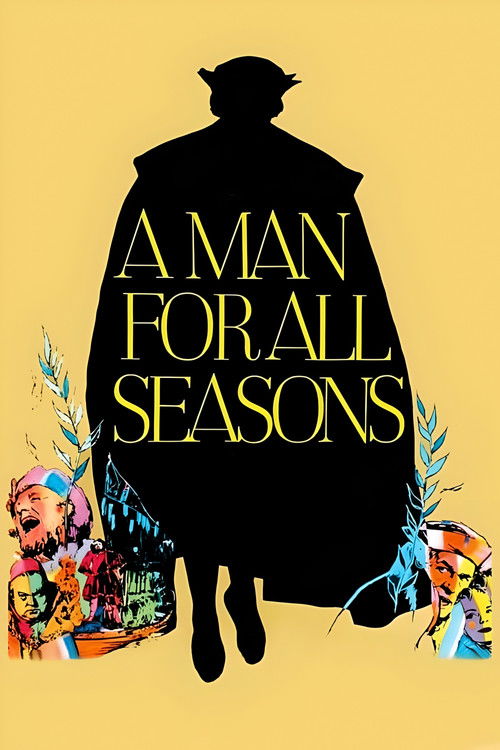
A Man for All Seasons1966
Paul Scofield as Thomas More, facing down authority with principle. It has Keys' moral backbone—conscience against pressure—but crystallizes around one crystalline choice rather than decades of accumulated small failures.
But The play origins show. It can feel stagy and a bit schematic compared to Keys' messiness and lived-in quality.
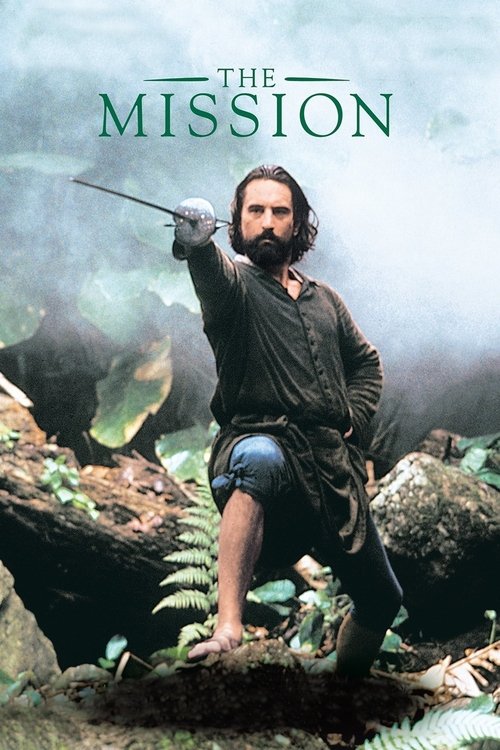
The Mission1986
Jeremy Irons and Robert De Niro as priests in the Amazon, caught between the church hierarchy and indigenous people. Similar themes of faith corrupted by politics, spiritual ideals versus institutional pragmatism, shot in stunning locations.
But It swings toward action-film climax in ways Keys never does. Some find the violence cathartic; others find it undercuts the moral complexity.
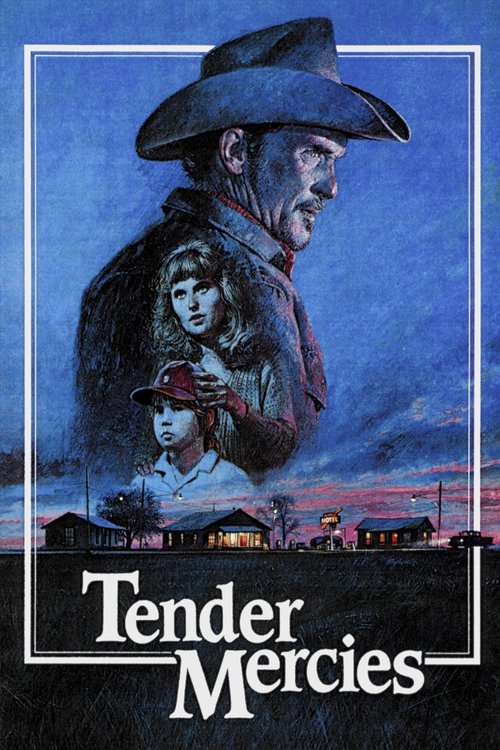
Tender Mercies1983
Robert Duvall as a washed-up country singer finding grace in small gestures and rural Texas. Not about priesthood, but about humility, second chances, and faith as something lived rather than preached. Achingly quiet.
But Aggressively understated. If you need dramatic arcs and confrontation, this will feel like nothing is happening.
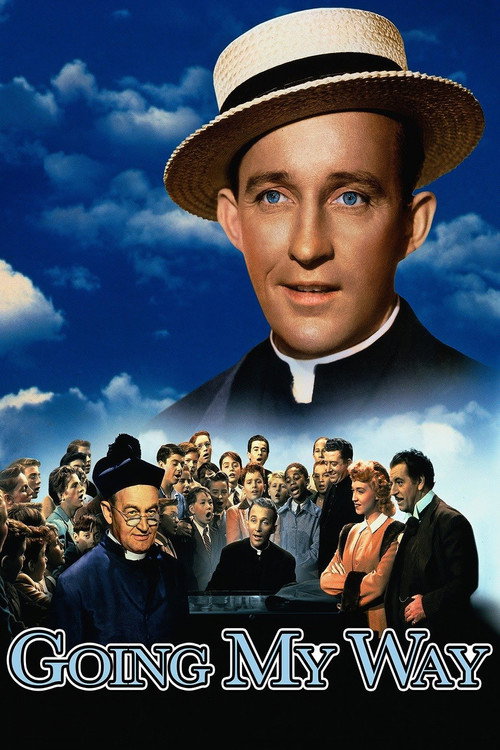
Going My Way1944
Bing Crosby as a charming young priest; Peck's near-contemporary about faith in America. It's lighter and more sentimental, but shares the warmth and the sense of small victories mattering profoundly.
But It's sunnier than Keys by several degrees. The tone is comfort-food Catholic, not crisis-of-faith Catholic.
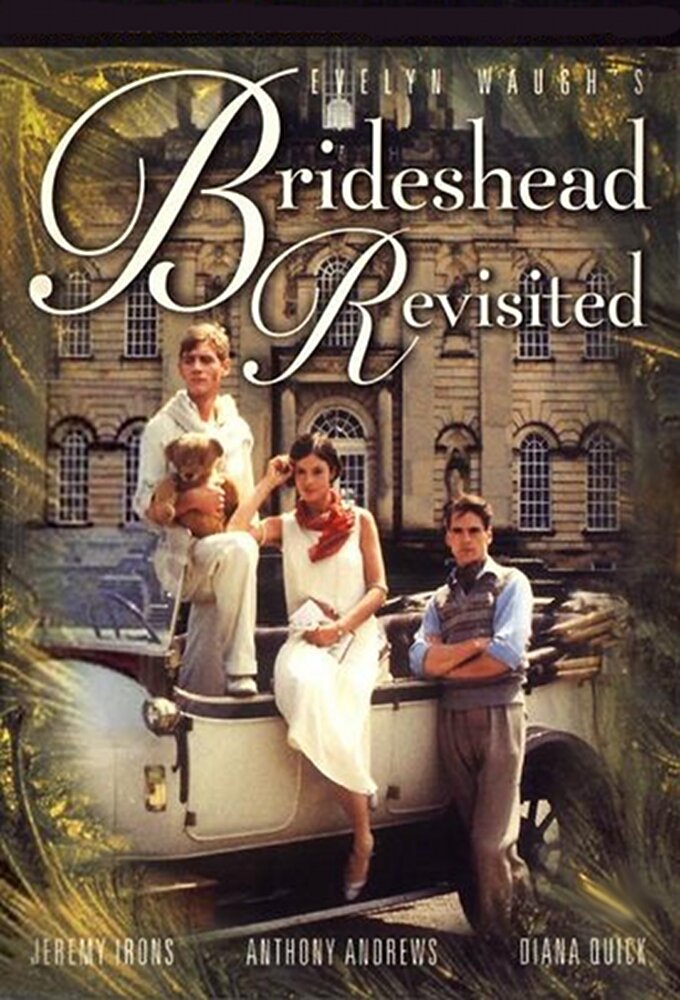
Brideshead Revisited1981
Jeremy Irons and Anthony Andrews in Waugh's masterpiece of faith, class, and longing. A miniseries that takes time to sink into the spiritual and social currents Keys also explores—belief as family inheritance, faith's costs.
But Nearly 11 hours total. The 1981 production looks like 1981. Some find its nostalgia for Catholic ritual precious; others find it necessary.
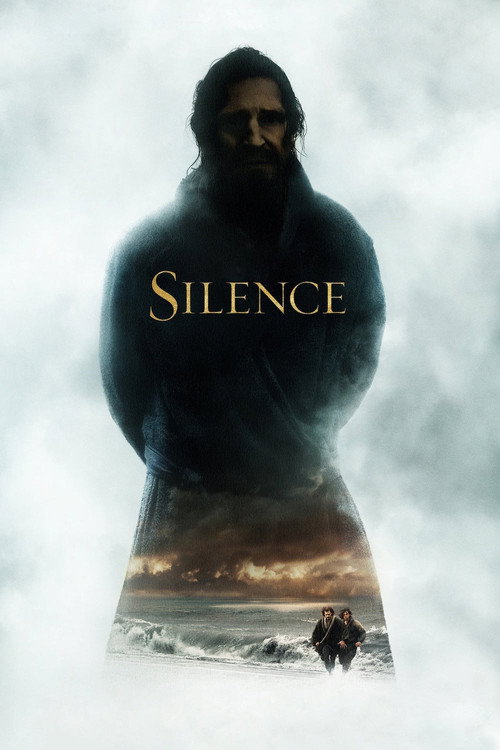
Silence2016
Scorsese's film of Shusaku Endo's novel: a priest in 1600s Japan witnessing martyrdom and asking if God exists. It's the darkest answer to Keys' questions about faith and suffering. Uncompromising, haunting, theologically serious.
But Three hours of mounting despair with a conclusion that will trouble believers and unbelievers alike. Scorsese in his most severe mode; not redemptive.
Stalker1979
Both films trust that uncertainty and struggle are more interesting than resolution. Both suggest that faith's value lies not in being rewarded but in being practiced. Both move at the speed of a man walking.
Andrei Tarkovsky's Soviet sci-fi about a guide leading two men through a mysterious Zone to a room that grants wishes. Not remotely about Christianity, but structured identically to Keys: a pilgrimage, a guide tested by doubt, the question of whether faith in something unseen is rational or necessary. Hypnotic and strange.
But 163 minutes, dialogue-heavy, minimal plot, long static shots. If you need momentum or conventional narrative, it will feel like a punishment.

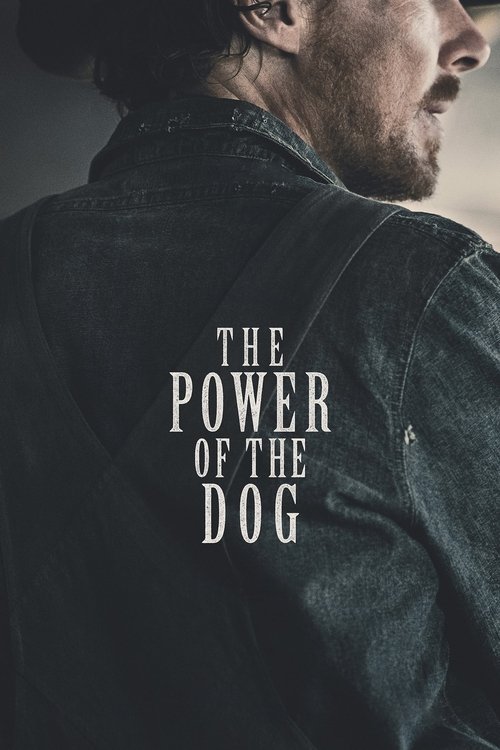
The Power of the Dog2021
Both films understand that faith's opposite isn't doubt but rigid certainty. Both are about men learning too late, or not learning at all. Both suggest that salvation is possible but terrifying, and that many people choose damnation instead.
Benedict Cumberbatch as a sadistic rancher in 1920s Montana hiding something beneath cruelty. On the surface, nothing like Keys—it's a Western, it's savage, it's claustrophobic. But it's about the violence of certainty, the masks faith wears, a man hollowed by the refusal to accept grace. Shot in chiaroscuro that recalls 1940s noir.
But It's slow, psychological, and deeply ugly. The protagonist is despicable. It offers no comfort and withholds its meaning until the end. Some find that withholding dishonest.
People
Cast
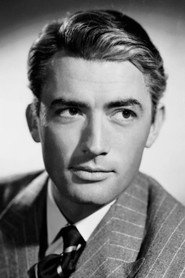 Gregory PeckFr. Francis Chisholm
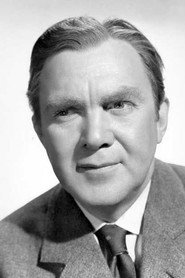 Thomas MitchellWillie Tulloch
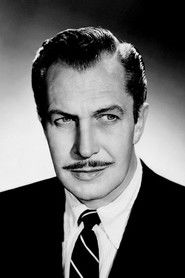 Vincent PriceAngus Mealey
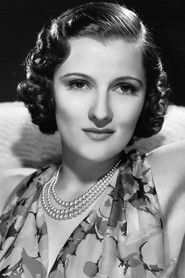 Rose StradnerReverend Mother Maria-Veronica
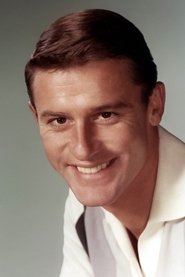 Roddy McDowallFrancis Chisholm, as a boy
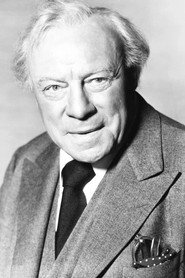 Edmund GwennFr. Hamish MacNabb
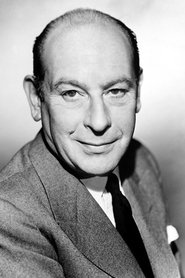 Cedric HardwickeMonsignor at Tweedside
 Peggy Ann GarnerNora as a Girl
 Jane BallNora, as an Adult
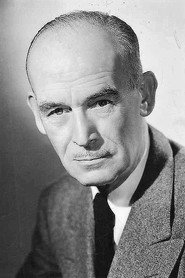 James GleasonRev. Dr. Wilbur Fiske
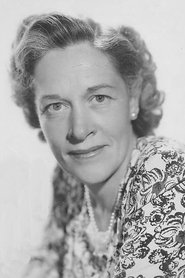 Anne RevereAgnes Fiske
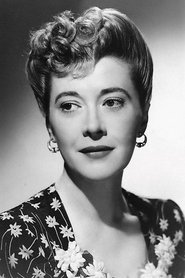 Ruth NelsonMrs. Chisholm, Francis' Mother
Directing
- Howard W. KochAssistant Director
- John M. StahlDirector
Writing
- A.J. CroninNovel
- Joseph L. MankiewiczScreenplay
- Nunnally JohnsonScreenplay
Production
- Joseph L. MankiewiczProducer
- Frances C. RichardsonResearcher