
Film
Quo Vadis
Other titles called Quo Vadis: the 1924 film.
A sweeping historical epic set in Nero's Rome, where a proud military commander falls for a Christian woman and finds his faith and loyalty tested. Grand in scale, operatic in emotion, with spectacle that still impresses nearly seventy years on. For anyone who loves costume drama with genuine stakes and isn't afraid of melodrama done at the highest level.
Should you watch it?
Watch it if you enjoy old-fashioned Hollywood spectacle, with sweeping sets, a slow-building romance and a ruler played with gleeful menace, and don't mind the theatrical acting that comes with it.
Skip it if the running time is a real commitment at nearly three hours, and its devotional sincerity can feel stately and earnest when you want something lean.
What it asks of you: Settle in for an evening-length stretch of pageantry and long talky scenes, unhurried and grand, where the emotional stakes build slowly rather than arriving in bursts.
Not sure? Find tonight's pick in a minute.
If you liked this
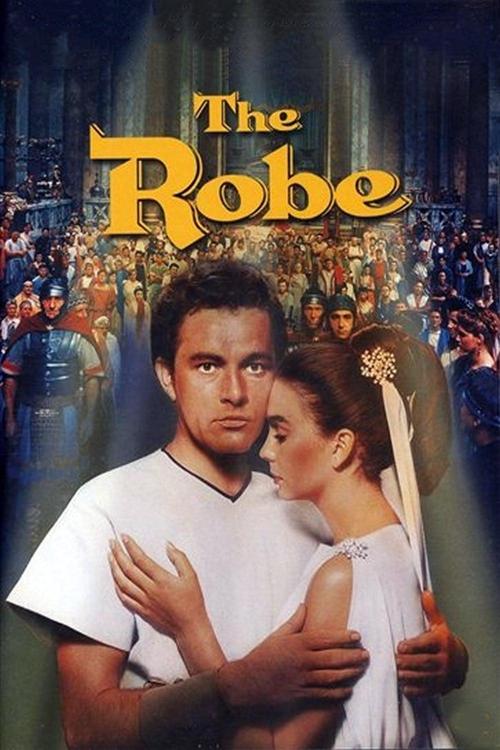
The Robe1953
A Roman officer converts to Christianity after witnessing the Crucifixion. It has the same collision of pagan power and Christian conviction, shot through with romance and moral reckoning. Richard Burton is magnificent.
But Slower paced than modern epics, and the religious conviction on display won't resonate if faith narratives feel foreign to you.
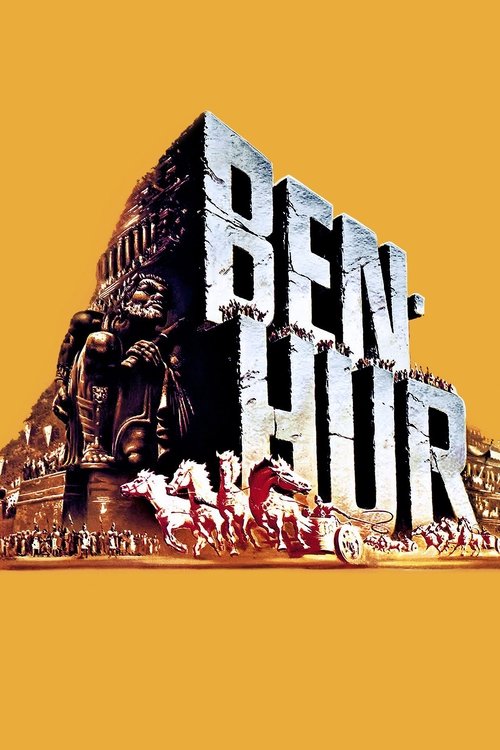
Ben-Hur1959
A Jewish prince wronged by a Roman friend becomes a slave, then a chariot racer seeking revenge. The scale, the action sequences, the personal stakes wrapped in historical grandeur—this is the template Quo Vadis helped write, perfected.
But Nearly four hours long, and the first hour is almost entirely setup before the story properly ignites.
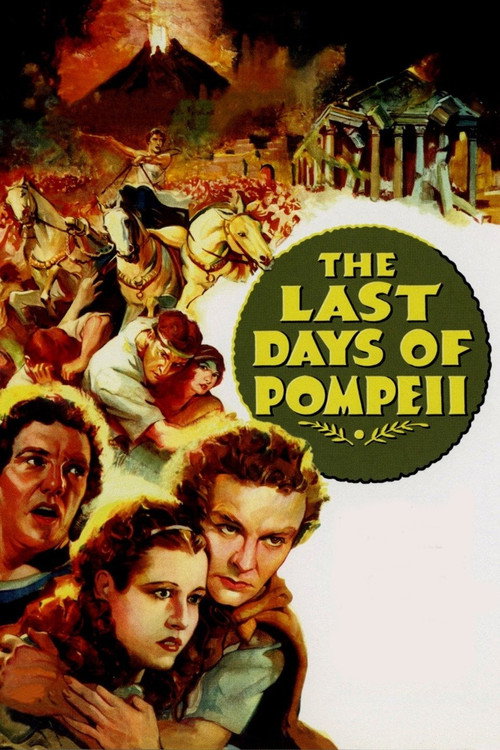
The Last Days of Pompeii1935
Ambitious historical spectacle about faith and redemption set against the eruption of Vesuvius. Pre-dates Quo Vadis but hits many of the same emotional notes about belief tested by catastrophe.
But The pacing and special effects feel decidedly of the 1930s, which will either charm or frustrate you depending on your patience with older cinema.
Not sure tonight? Get a pick in a minute, starting from Quo Vadis
The wildcard
Something you would not have found on your own.
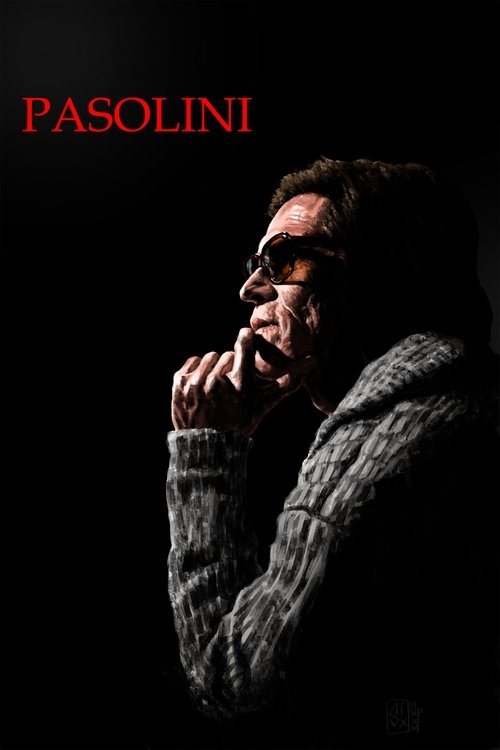
Pasolini2014
Both explore the collision between personal desire and institutional power (Rome/the Church) through bodies that are beautiful and condemned. Both are unafraid to be sensual about suffering.
A film about the final days of director Pier Paolo Pasolini, murdered in 1975—an artist whose own work was consumed by controversy over bodies, faith, and power. Shocking, beautiful, morally complex in ways that mirror Quo Vadis's preoccupation with desire and belief colliding with institutional violence. Abel Ferrara at his most austere.
But Intentionally difficult and graphic. It's an arthouse film that will not comfort you, and it offers no easy answers about art or faith or sex.
More like this (7)
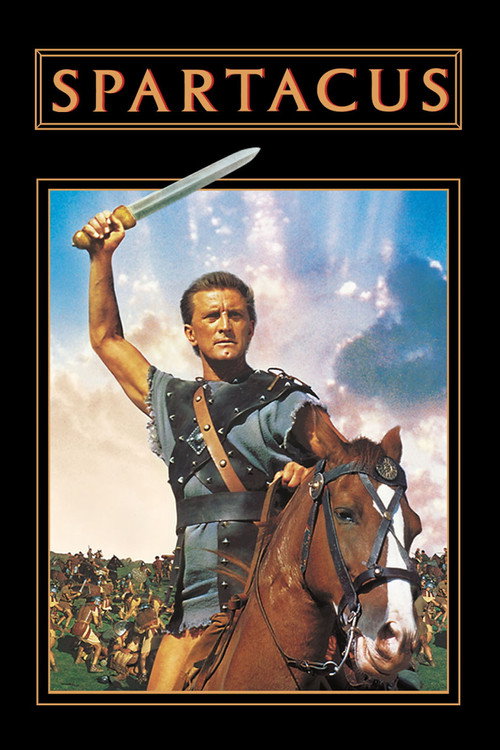
Spartacus1960
Kirk Douglas leads a slave rebellion against Rome in Kubrick's masterpiece. Different genre—this is muscular and political—but it has the same epic scope, the same examination of tyranny and resistance, the same commitment to spectacle in service of story.
But It's a political drama first, which means long stretches of talk and strategy. The famous scenes don't arrive until you've earned them.
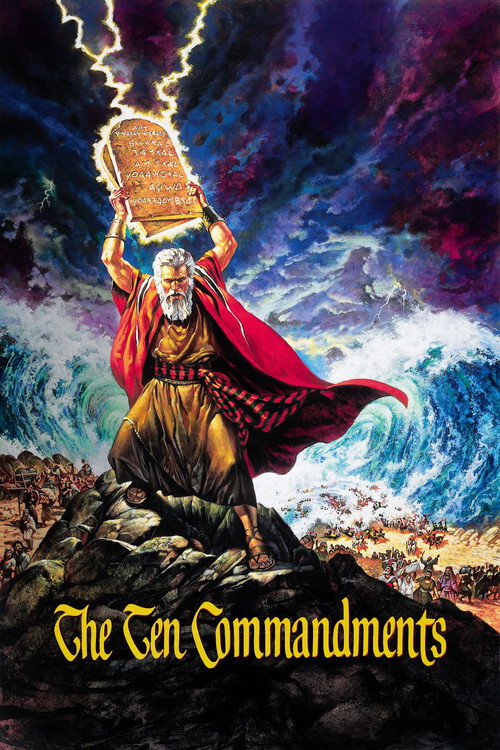
The Ten Commandments1956
DeMille's colossal biblical epic with Charlton Heston. If you loved the sheer audacity of Quo Vadis—the crowd scenes, the sets, the willingness to go huge—this is the logical next stop. Pure cinema spectacle.
But At nearly four hours, and given DeMille's theatrical hand, it can feel overwrought. The performances are pitched to the back row of a drive-in, which some find inspired and others exhausting.
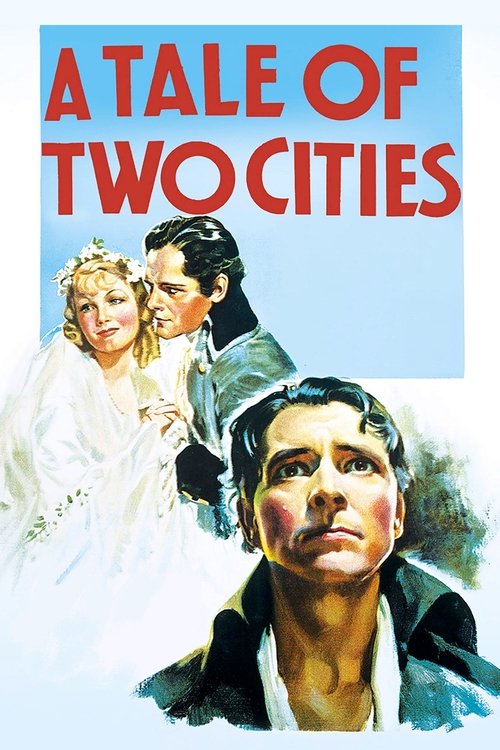
A Tale of Two Cities1935
Ronald Colman in a sweeping historical romance set during the French Revolution. The same blend of personal passion and historical upheaval, with a hero compelled to choose between love and conscience. Deeply moving.
But The production values and acting style are unmistakably 1930s, and if you're looking for grit or contemporary sensibility, you won't find it here.
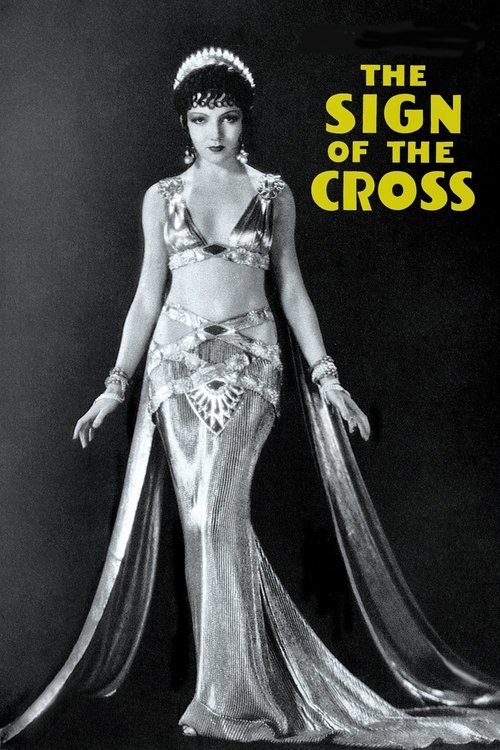
The Sign of the Cross1932
DeMille's earlier take on Christian Rome under Nero: a Roman officer falls for a Christian girl amid circus spectacles and moral corruption. It's the spiritual predecessor to Quo Vadis, and fascinatingly different in tone and emphasis.
But Pre-Code Hollywood sensibility means it's more interested in decadence than faith, which some find refreshing and others find cynical.
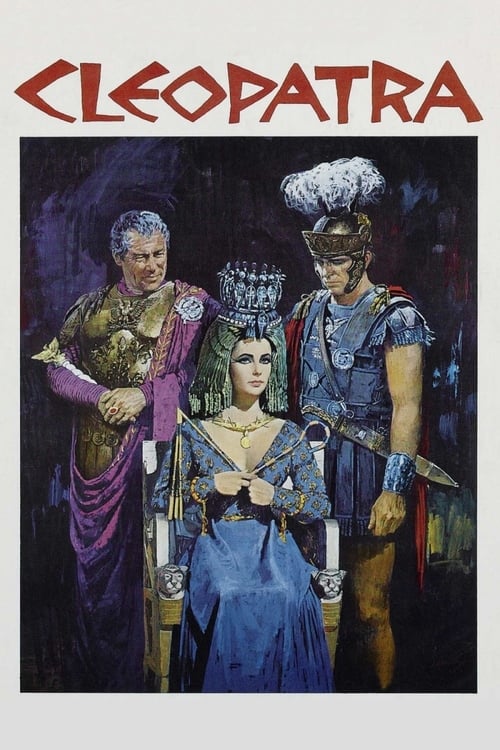
Cleopatra1963
Elizabeth Taylor and Richard Burton in Mankiewicz's sprawling, scandal-soaked historical epic. It has the same devotion to historical grandeur, the same romantic intensity, the same willingness to spend enormous sums to capture a moment.
But Notorious for its bloated production and glacial pacing. Even at nearly four hours, it feels unfinished, and watching it can feel like work.
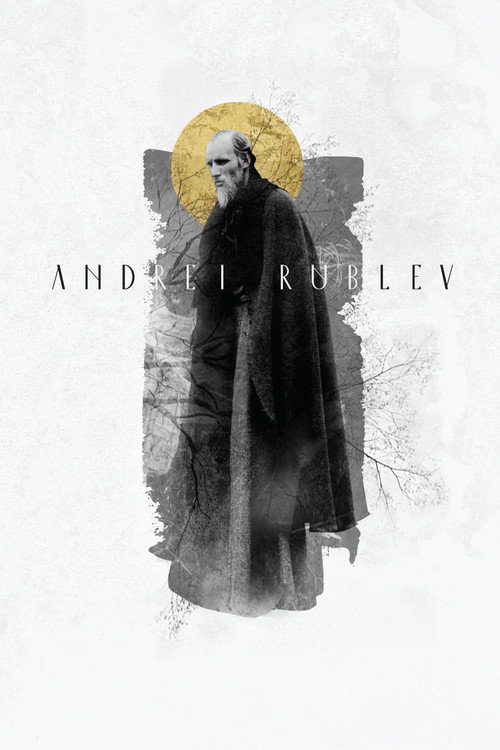
Andrei Rublev1966
Both are obsessed with the relationship between faith and power, and both argue (in very different registers) that what matters most cannot be photographed or quantified or controlled by emperors.
Tarkovsky's monumental meditation on faith, art, and suffering during medieval Russia. Formally unlike anything else—slow, visual, wordless in stretches—but it shares Quo Vadis's conviction that art and belief matter, that they're worth suffering for, worth dying for. Profound.
But Nearly three hours of deliberately paced cinema with minimal plot. If you need narrative momentum or contemporary sensibility, this will test your patience severely.
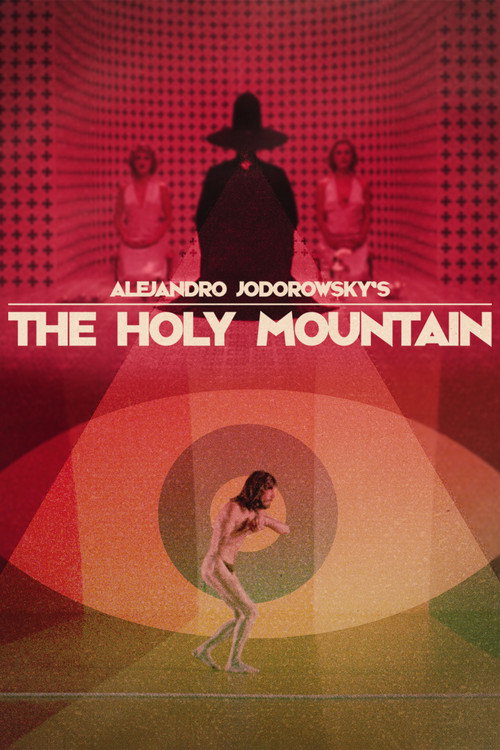
The Holy Mountain1973
Both treat religious conversion and spiritual transformation as dramatic, embodied experiences rather than intellectual exercises. Both argue that faith is something you *become*, not something you believe.
Jodorowsky's surrealist spiritual odyssey—two men climb a holy mountain encountering guides and trials. Visually extraordinary, genuinely unclassifiable, and animated by the same question that drives Quo Vadis: what does faith actually cost, and what does transcendence look like when you're desperate enough to pursue it?
But Experimental to the point of confrontation. It's graphic, blasphemous by design, and makes no concessions to conventional narrative or comfort. Some will find it transcendent; others will find it pretentious nonsense.
People
Cast
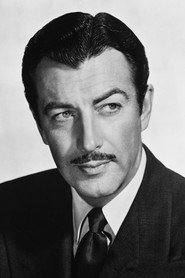 Robert TaylorMarcus Vinicius
 Deborah KerrLygia
 Leo GennPetronius
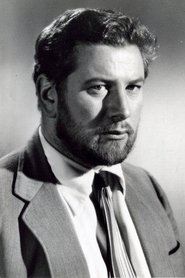 Peter UstinovNero
 Patricia LaffanPoppaea
 Finlay CurriePeter
 Abraham SofaerPaul of Tarsus
 Marina BertiEunice
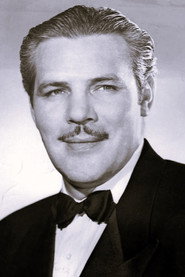 Buddy BaerUrsus
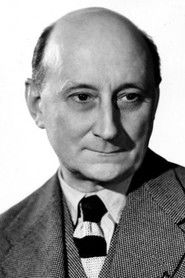 Felix AylmerPlautius
 Nora SwinburnePomponia
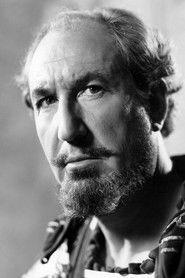 Ralph TrumanTigellinus
Directing
- Peter BoltonAssistant Director
- Mervyn LeRoyDirector
- Anthony MannSecond Assistant Director
- Sergio LeoneSecond Unit Director
Writing
- Hugh GrayLyricist
- Henryk SienkiewiczNovel
- John Lee MahinScreenplay
- S. N. BehrmanScreenplay
- Sonya LevienScreenplay
Production
- Irene HowardCasting
- Mel BallerinoCasting
- Sam ZimbalistProducer
Recommended by
Ben-Hur, Spartacus, The Ten Commandments, The Robe, The Bible: In the Beginning..., Helen of Troy, The Crusades, The Egyptian, Samson and Delilah, The Naked Jungle, The Sign of the Cross, Risen, A.D. The Bible Continues, Barabbas, The Silver Chalice, The Last Days of Pompeii, The King of Kings, Ben-Hur: A Tale of the Christ, Esther and the King, The Bible, The Story of Ruth, The Keys of the Kingdom, Romulus and Remus, The Last Days of Pompeii, Demetrius and the Gladiators, Land of the Pharaohs, Sign of the Gladiator, The Ten Commandments, Salome