
Film
Land of the Pharaohs
Howard Hawks' 1955 epic about building the Great Pyramid, filtered through the obsessions of a vain pharaoh and the ingenuity of his prisoner architect. It's sweeping and strange, the kind of film that takes itself completely seriously while operating in pure melodrama. For those who want spectacle with genuine craft underneath.
Should you watch it?
Watch it if you enjoy big, old-fashioned studio epics where the spectacle is built from crowds, sand and scheming courts, and you don't mind a grand stage over subtle psychology.
Skip it if you want a lean, modern pace or sharp, restrained acting; the dialogue is often stilted and the court intrigue moves with a ceremonial slowness that can feel like waiting.
What it asks of you: Roughly an hour and three-quarters of ceremony and pageantry, a long unhurried build through lavish sets and broad, declamatory performances, with the scheming needing steady attention.
Not sure? Find tonight's pick in a minute.
If you liked this
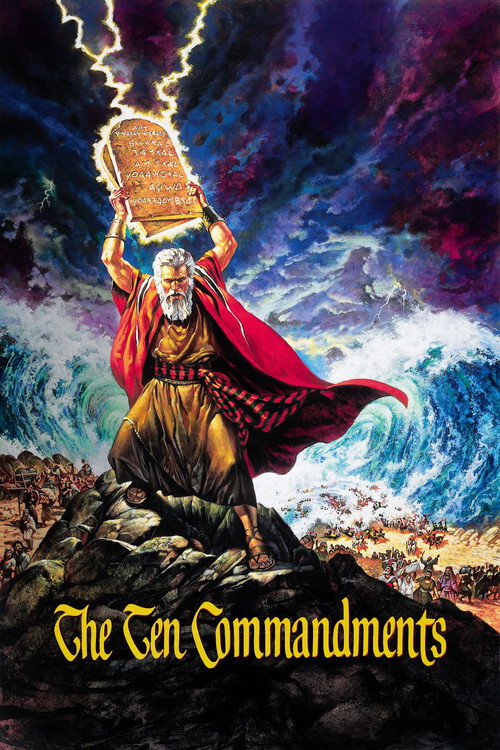
The Ten Commandments1956
DeMille's follow-up brings similar ambition and scale, biblical grandeur, and the same commitment to building genuine sets and moving enormous crowds. Equally earnest, equally transportive.
But At 220 minutes, it's a serious time investment. The piety can feel suffocating if you're not in the mood for it.
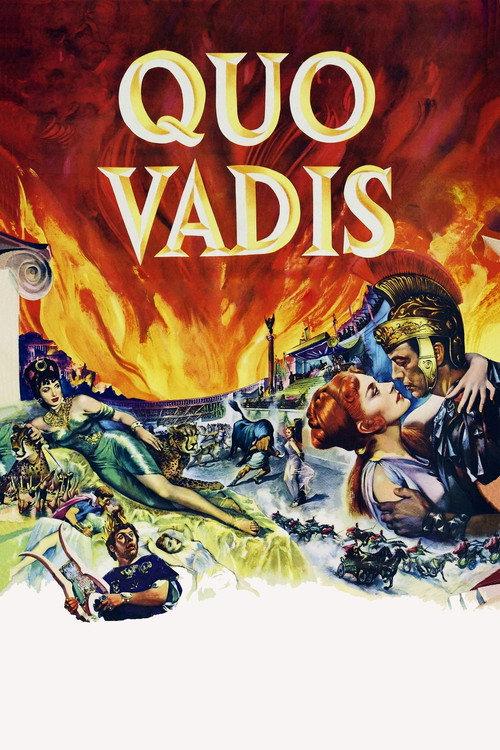
Quo Vadis1951
Ancient Rome as crucible for personal power and faith. Sweeping, well-acted, and genuinely interested in the collision between individual ambition and historical forces. Builds real tension from character, not just spectacle.
But Pacing drops in the middle act. Some sequences feel airless and overly formal by modern standards.
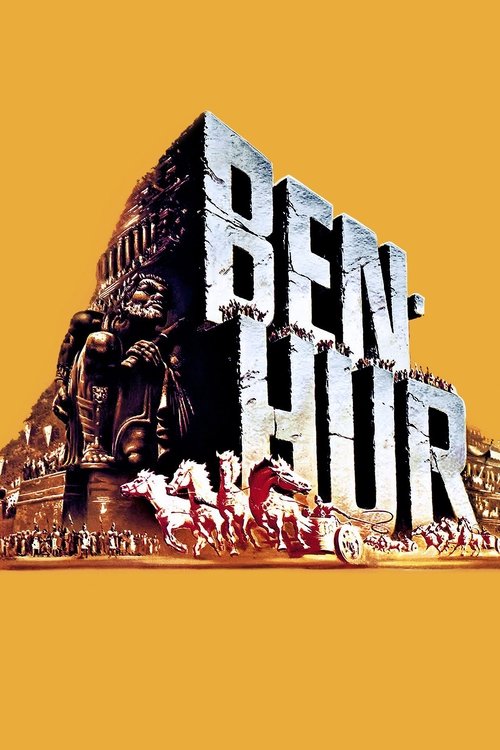
Ben-Hur1959
The spectacle film done to absolute perfection: the chariot race alone justifies the runtime, but it's the personal stakes—revenge, faith, family—that make it sing. Wyler's direction is precise and purposeful.
But Three and a half hours. The religious elements intensify in the final act, which doesn't work for everyone.
Not sure tonight? Get a pick in a minute, starting from Land of the Pharaohs
The wildcard
Something you would not have found on your own.
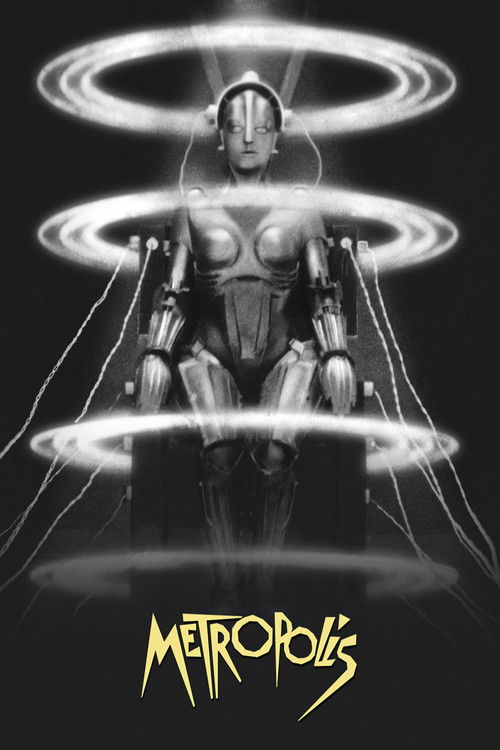
Metropolis1927
Both films use architectural ambition as a metaphor for the conflict between vision and tyranny; both question whether grand creation can survive intact through the hands of the powerful.
Fritz Lang's masterpiece is, like Hawks' film, fundamentally about an architect's vision being corrupted by power and ego. Both center on the moral question of creating monuments—and what we're really building them for. The visual language is completely different but the obsession is identical.
But It's silent, it's nearly 2.5 hours, and the restoration you'll find varies wildly in quality. Requires patience with an utterly different cinematic grammar.
More like this (7)
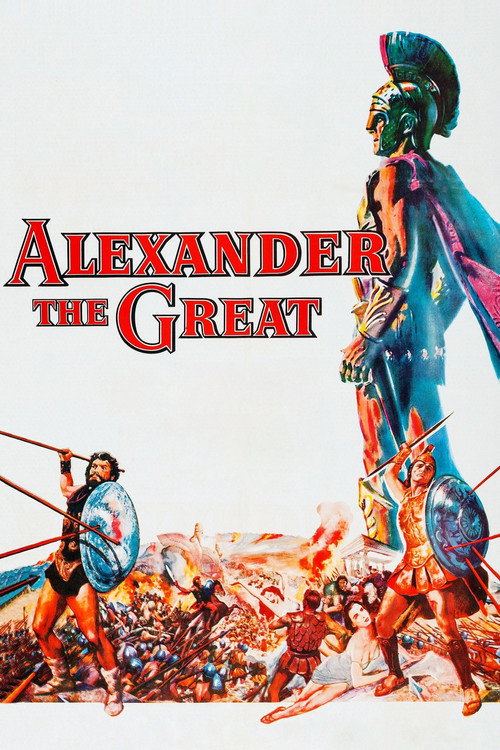
Alexander the Great1956
Another Hawks contemporary exploring ambition, vision, and the loneliness of absolute power. Less cluttered than some epics; interested in the man inside the legend. Burnsian in its scope.
But The romance subplot feels obligatory and pulls focus. Some historical liberties are jarring if you know the period.
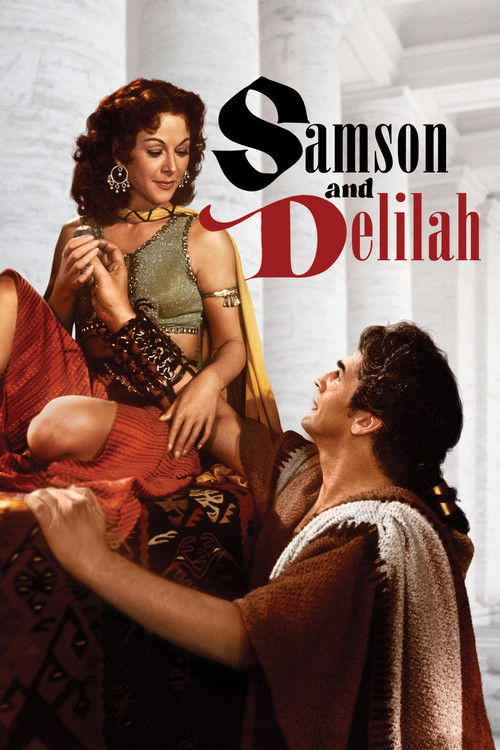
Samson and Delilah1949
DeMille's predecessor: Old Testament spectacle, seduction, power, betrayal. The same operatic emotional register but tighter and, oddly, more psychologically complex.
But The gender politics are dated and uncomfortable. Hedy Lamarr's Delilah is written as villainous, not nuanced.
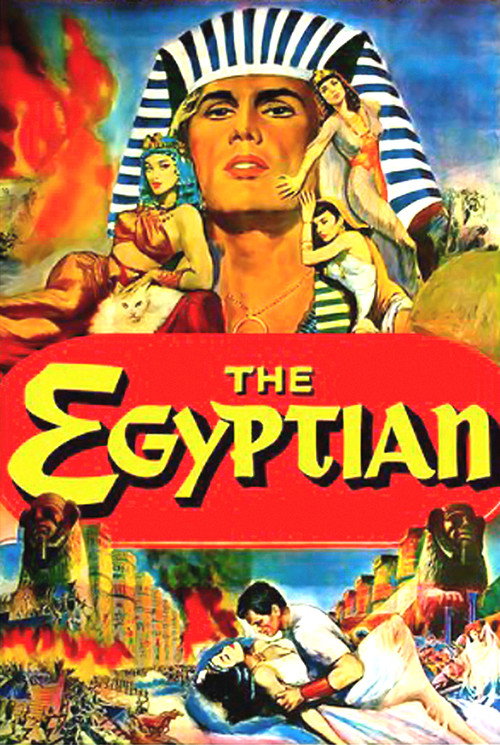
The Egyptian1954
A year before Hawks, another ambitious recreation of ancient Egypt. More romantic in tone, rich production design, and it dwells on the spiritual questions that Egypt raised for filmmakers in this era.
But The plot meanders. It's prettier than it is dramatically satisfying, and occasionally precious.
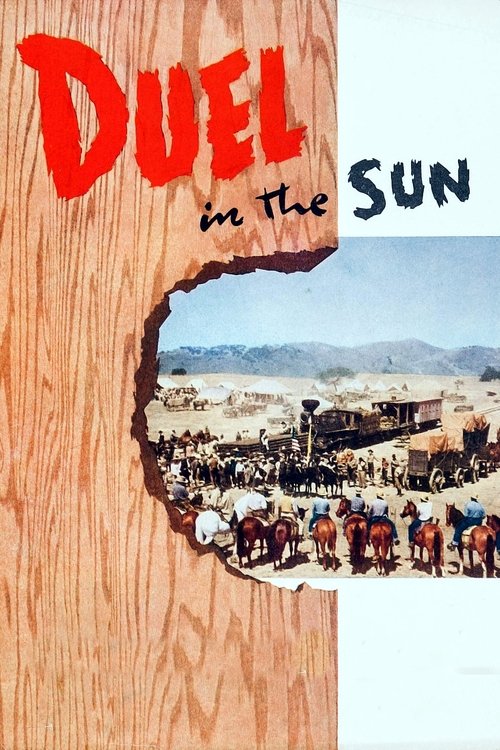
Duel in the Sun1946
King Vidor's sprawling, sensual epic about passion and power in the Old West. Same DNA as *Land of the Pharaohs*—obsessive, formally ambitious, willing to be gaudy.
But The sexual politics are retrograde. Some finds it overwrought; it's definitely not subtle.
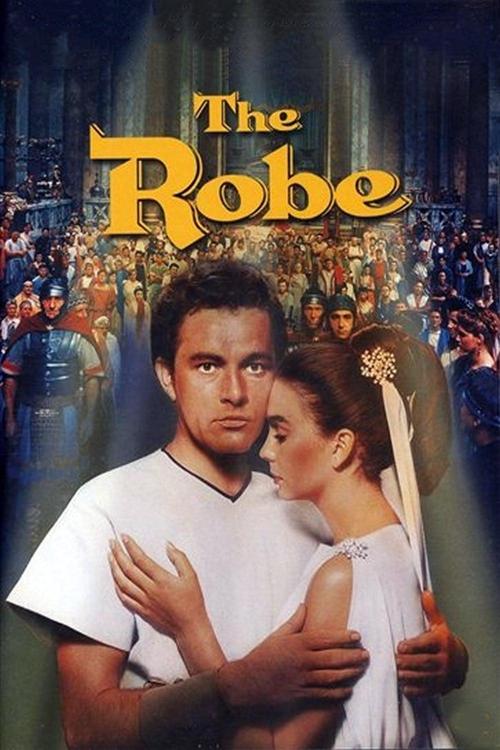
The Robe1953
Early CinemaScope epic about faith and complicity under tyranny. Good performances, genuine emotional weight beneath the spectacle. Richard Burton is terrific.
But Heavily Christian in its messaging, which you either embrace or find preachy. Slower-paced than you'd expect.
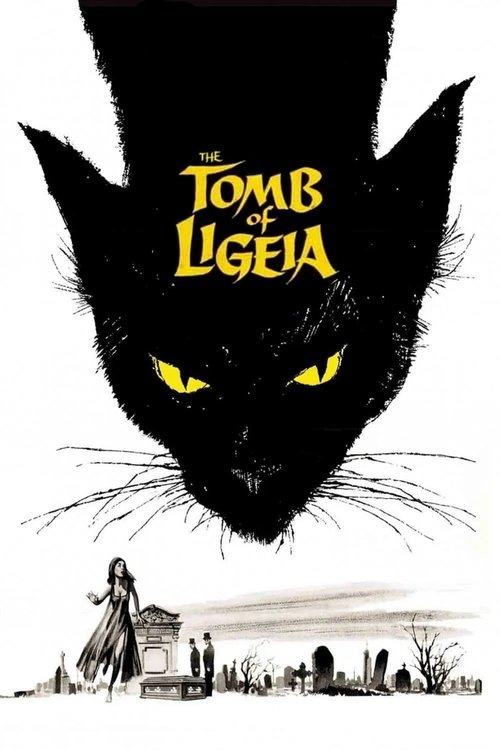
The Tomb of Ligeia1964
Both explore necrophilic fixation disguised as duty or love. The pharaoh designing his tomb and Ligeia's obsessed lover are the same impulse dressed in different centuries.
Roger Corman's adaptation of Poe is obsessed with tombs, desire, and the dead refusing to stay buried. It has none of the epic scale but all of the Gothic psychology—the same man unable to let go, the same architecture of obsession. Haunting and perverse.
But It's intentionally artificial and theatrical; if you want realism, you'll find the staginess maddening. Low budget shows everywhere.
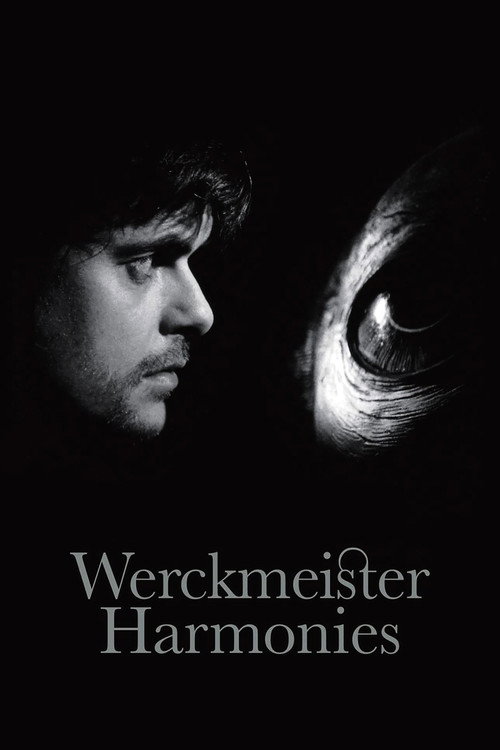
Werckmeister Harmonies2001
Both films treat grand structures—the pyramid, the ship—as vessels for community delusion and private obsession. Both ask what we're really worshipping when we build monuments.
Béla Tarr's three-and-a-half-hour Hungarian masterpiece about a mysterious ship arriving in a provincial town, carrying something that awakens dormant violence and obsession. Formally austere, hypnotic, interested in how monuments and myths reshape entire communities. Completely opposite in register from Hawks—contemplative where he is loud—but the engine is the same: how do we build meaning, and what destroys it?
But Shot in black and white with minimal dialogue, it moves at a glacial pace. If you need plot momentum and character arcs, you will be miserable.
People
Cast
 Jack HawkinsPharaoh Khufu
 Joan CollinsPrincess Nellifer
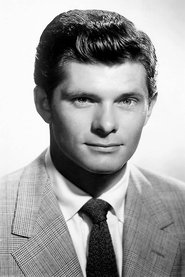 Dewey MartinSenta
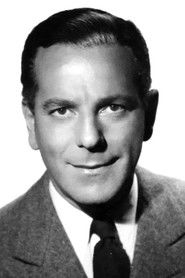 Alex MinotisHamar
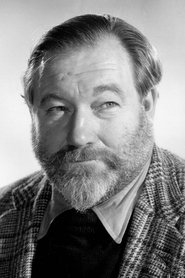 James Robertson JusticeVashtar
 Luisella BoniKyra
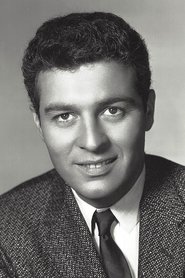 Sydney ChaplinTreneh
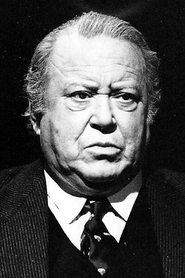 James HayterMikka
 KerimaQueen Nailla
- Piero GiagnoniXenon
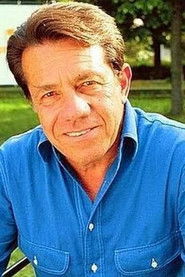 Ferruccio AmendolaEgyptian Architect (uncredited)
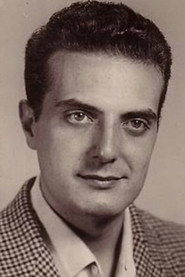 Gianfranco BelliniCaptain of the Guard (uncredited)
Directing
- Alfonso FeliciAssistant Director
- Jean-Paul SassyAssistant Director
- Paul HelmickAssistant Director
- Maisie KellyContinuity
- Howard HawksDirector
- Chuck HansenSecond Assistant Director
- Noël HowardSecond Unit Director
Writing
- Harold Jack BloomWriter
- Harry KurnitzWriter
- Howard HawksWriter
- William FaulknerWriter
Production
- Arthur SitemanAssociate Producer
- Chuck HansenAssociate Producer
- Howard HawksProducer
- Chuck HansenUnit Manager