
Film
Blacksmith Scene
The Edison Company's 1893 'Blacksmith Scene' is a one-minute marvel of early cinema: three men hammering at an anvil, passing beer, performing rather than merely existing before the camera. It's the first deliberately staged scene in film history—a threshold moment where cinema discovered acting. For anyone curious about how cinema learned to tell stories, this is the seed.
Should you watch it?
Watch it if you are curious about where moving pictures began and enjoy seeing a single, unpolished idea that still feels alive, like a sketch from a forgotten workshop.
Skip it if you need story or character to feel rewarded, since this is one minute of rhythmic hammering and a shared drink, with little else.
What it asks of you: Barely a minute of your time, and a plain, unhurried rhythm that asks you to settle into the workshop's pace instead of waiting for drama.
Not sure? Find tonight's pick in a minute.
If you liked this
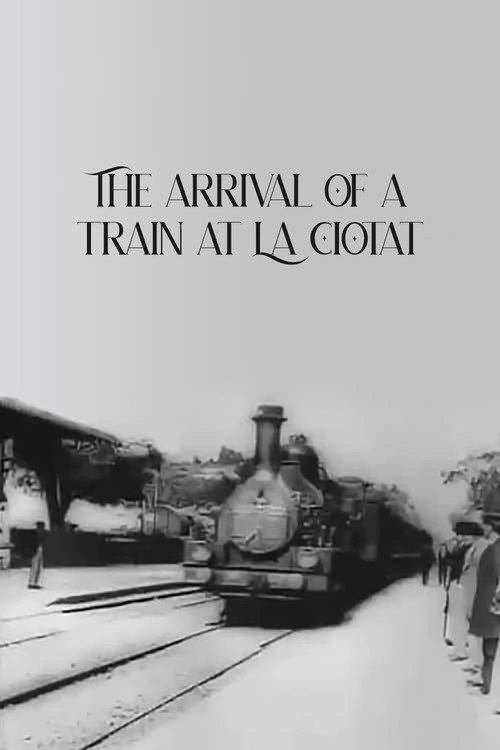
The Arrival of a Train at La Ciotat1896
Lumière brothers' three-minute sensation captures the exact moment audiences realized film could show real life. A train pulls toward the camera. The crowd's terror was real. Cinema's birth as spectacle.
But Literally nothing happens. A train arrives and leaves. Watching it requires you to imagine the shock of the first viewers, which is harder than just experiencing wonder.
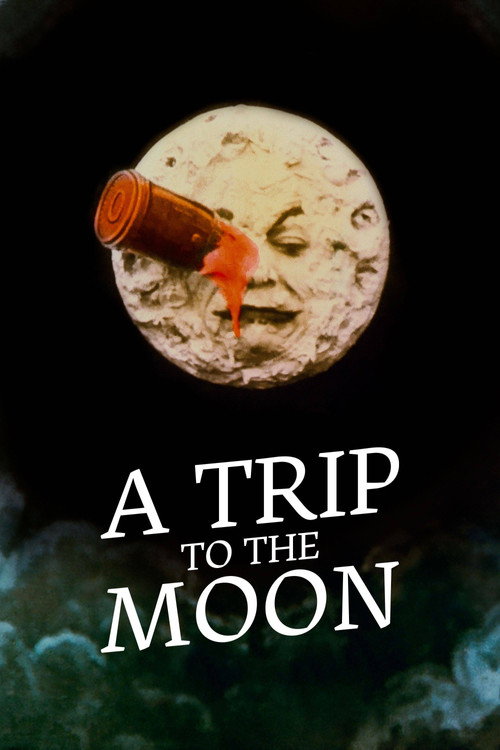
A Trip to the Moon1902
Méliès' twelve-minute fantasy explodes everything 'Blacksmith Scene' hinted at. A spaceship reaches the moon. Acrobats become aliens. This is cinema discovering it can *imagine*, not just document.
But Hand-painted color versions feel overcooked. The stop-motion logic is pure magic-trick—clever, but you see the seams if you're in the mood for mystery.
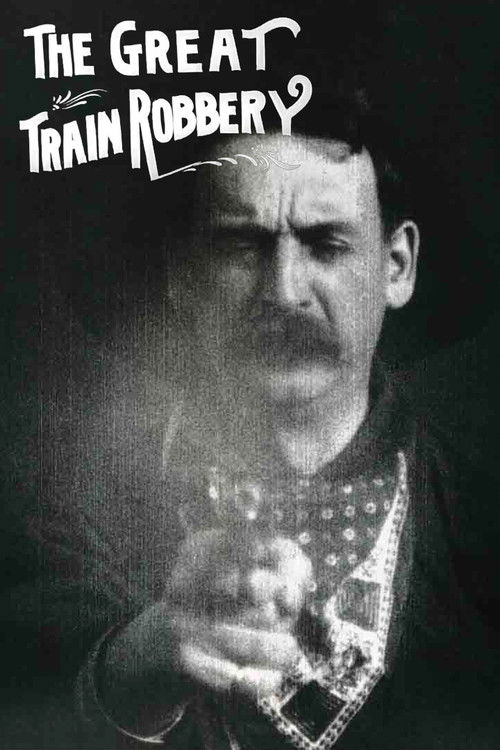
The Great Train Robbery1903
Ten minutes of gunplay, robbery, and chase. Narrative cinema's first blockbuster. It has action, suspense, and a final shot of someone firing directly at you. This is where the language of film became operational.
But Pacing is glacial by modern standards. You'll spend five minutes watching horsemen ride across empty landscape. Patience required.
Not sure tonight? Get a pick in a minute, starting from Blacksmith Scene
The wildcard
Something you would not have found on your own.
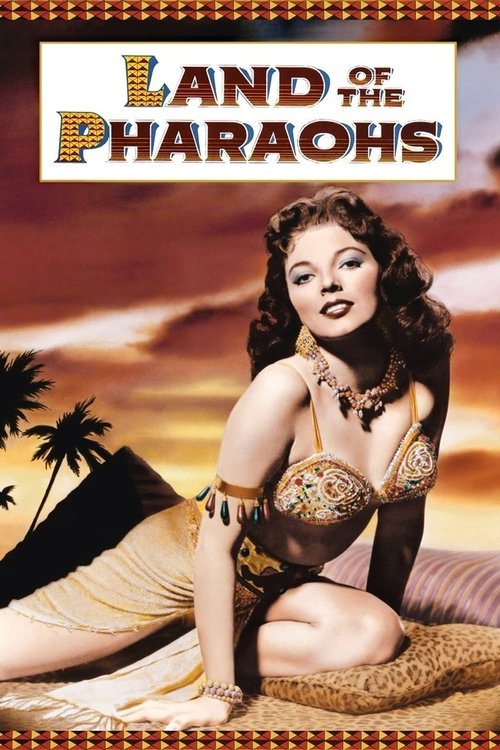
Land of the Pharaohs1955
Both are about the labor and craft of making something for an audience—cinema itself as a temple requiring ingenuity, sweat, and coordination.
Hawks' epic about building the Great Pyramid, shot in VistaVision, tells the story of cinema as a physical *construction*—geometry, labor, craft, all visible. A film about making cinema, structurally.
But Jack Hawkins is wooden, the dialogue is clunky, and it's a 1950s epic that doesn't feel urgent. The spectacle is what matters; character is incidental.
More like this (8)
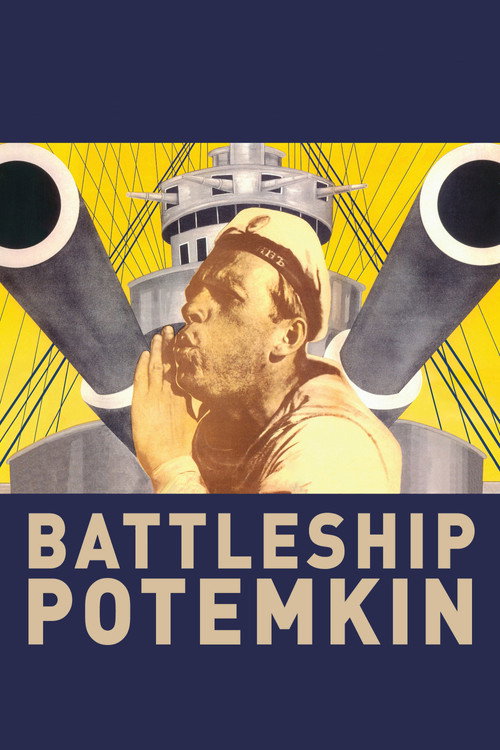
Battleship Potemkin1925
Eisenstein's revolution in editing and emotion. The Odessa Steps sequence redefined what montage could do—not just show events, but make you *feel* injustice. Essential cinema grammar.
But It's politically didactic and sometimes visually muddy on restored prints. The revolutionary fervor can feel dated if you're allergic to manifestos.
Nosferatu1922
German Expressionism's masterpiece. Count Orlok's shadow on the wall. Vampire cinema before vampires learned dialogue. The atmosphere is still suffocating—proof that dread doesn't need sound.
But Plot is thin and melodramatic by intent. If you need momentum, this is a mood piece that asks you to sit in discomfort. The pacing is deliberate, almost glacial.

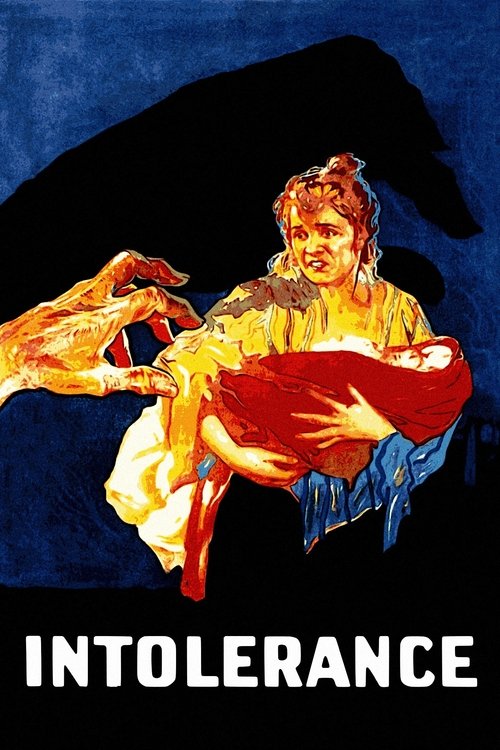
Intolerance: Love's Struggle Throughout the Ages1916
Griffith's four-story epic intercuts across centuries—Babylon, Judea, Renaissance France, modern America—all arguing the same moral lesson about mercy. The ambition is staggering; the Babylon set was the most expensive thing ever built for film.
But Three hours and deeply ideological in a way that hasn't aged perfectly. White savior narrative threads through it. You're watching cinema pioneer technique while wrestling with its politics.
Man with a Movie Camera1929
Dziga Vertov's Soviet documentary is pure visual symphony. No plot, no actors—just the city waking, working, playing, set to rhythmic editing that feels like music. Cinema as choreography.
But Entirely abstract and structural. If you need narrative or emotional stakes, this is an experimental film that asks you to think like a musician, not a storyteller.

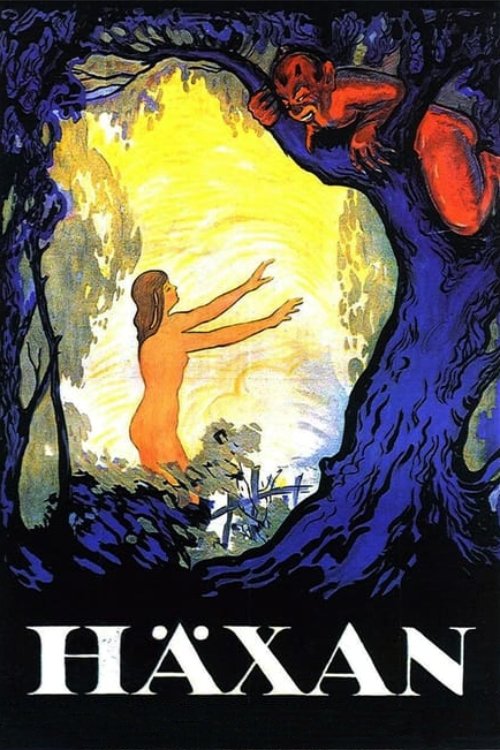
Häxan1922
Swedish documentary about witchcraft that plays like avant-garde horror. Real witch-trial reenactments, surrealist tableaux, psychological explanations. It's anthropology made visible, and weirdly beautiful.
But Some sequences are disturbing by design—including animal cruelty depicted without context. The tone swings erratically between scholarly and nightmarish, which can feel tonally confused.
The Phantom Carriage1921
Swedish supernatural drama where a dying man confronts his ghost on Christmas Eve. Double-exposure ghosts, genuine emotional weight, and a camera that moves like no one else's. Silent cinema at its most sophisticated.
But Gothic melodrama isn't for everyone. It's slow, moralistic, and the resolution comes from supernatural intervention rather than character choice. Heavy on sentiment.

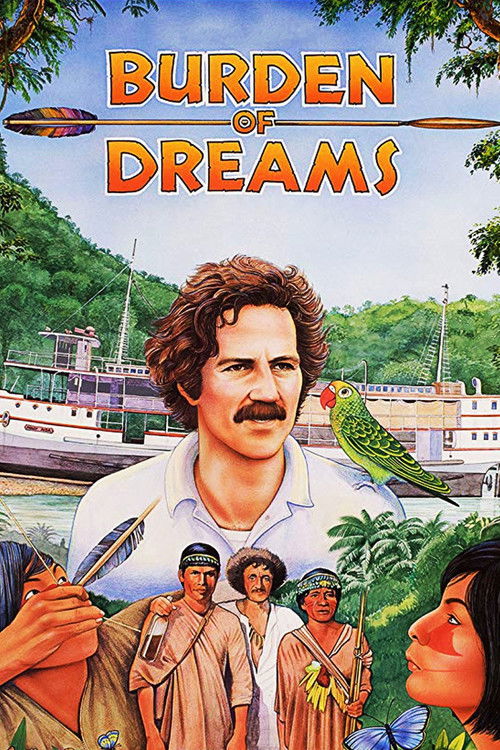
Burden of Dreams1982
Like 'Blacksmith Scene,' it documents the act of *performing* for the camera—but here the performance is Herzog directing, struggling, almost breaking under his own vision.
Les Blank's documentary watches Werner Herzog make 'Fitzcarraldo' in the Amazon—watching a filmmaker struggle to create spectacle against chaos, nature, ego. Becomes a film about cinema's ambition colliding with reality.
But It's a making-of that's more about suffering than joy. Brutal, repetitive, and sometimes feels like watching someone fail. No triumphalism, no neat resolution.
Singin' in the Rain1952
A century of cinema in mirror: 'Blacksmith Scene' asked 'what is this?', 'Singin' in the Rain' celebrates the answer—a medium that can capture real bodies moving to imagined worlds.
Kelly and Donen's musical is *about* the transition from silent to sound cinema—the panic, the opportunism, the creative problem-solving. And it's joyful, gorgeous, and musically perfect. A film that celebrates what cinema could become.
But It's glossy, optimistic, and frankly sentimental about Hollywood's story. If you're allergic to musicals or studio romanticism, this will feel like propaganda. Lightweight by design.

People
Cast
- Charles KayserBlacksmith
- John OttBlacksmith
Directing
- William HeiseDirector
- William K.L. DicksonDirector
Production
- Thomas A. EdisonProducer
- William K.L. DicksonProducer