
Film
The Great Train Robbery
The 1903 film that invented the action movie. Twelve minutes of pure cinematic adrenaline: a train heist, a chase, gunfire, and practical effects that astonished audiences who'd never seen anything like it. Essential viewing for anyone who wants to understand how cinema learned to tell stories.
Should you watch it?
Watch it if you love early cinema's raw inventiveness, the thrill of a story told in bold, blunt strokes, and you're curious how the medium found its first grammar of chase and cut.
Skip it if you need characters with inner lives or slow-building tension, since this is brisk, stagey and nearly all motion, with little interest in anyone's feelings.
What it asks of you: Almost nothing: about twelve minutes, played fast and flat, with a shot-by-shot clarity that rewards a little historical patience rather than close emotional attention.
Not sure? Find tonight's pick in a minute.
If you liked this
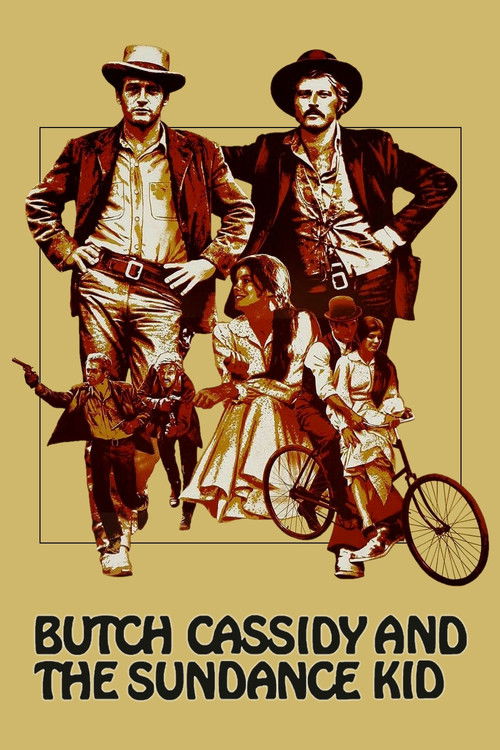
Butch Cassidy and the Sundance Kid1969
Newman and Redford steal across Bolivia in a film that treats outlaws as charismatic antiheroes. It's beautifully shot, very funny, and understands the romantic appeal of the outlaw life in ways The Great Train Robbery could only gesture at.
But If you want heist precision and plot momentum, the rambling middle section stops the story cold. It's a character study wearing a western.
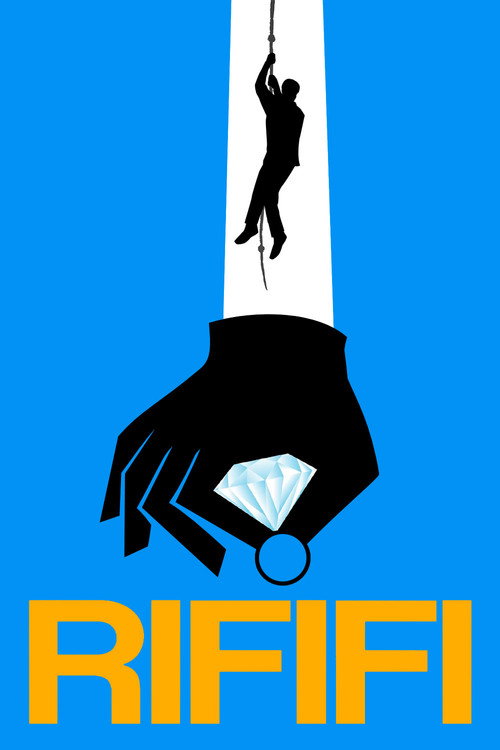
Rififi1955
A nearly silent heist film where the central robbery unfolds without dialogue—pure cinema, the way Melies and Porter understood it. The influence of The Great Train Robbery runs through its DNA, refined and darkened.
But Black-and-white French noir is a narrower appeal than Westerns. The pacing is deliberate; it's not thrilling in a modern sense.
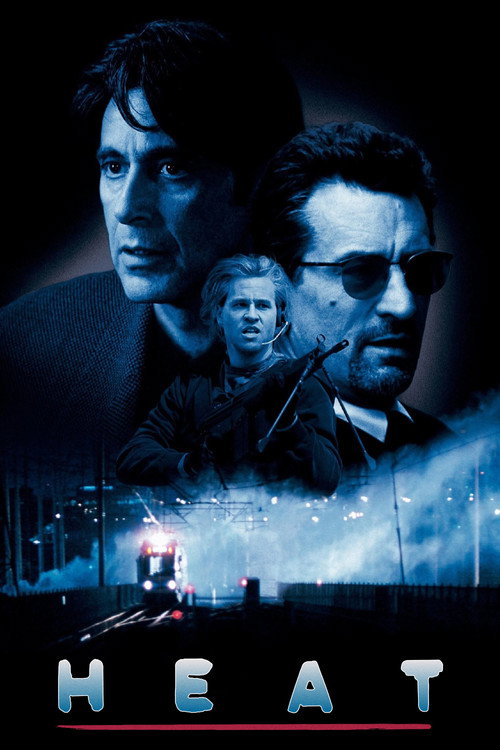
Heat1995
Mann gives you the heist film grown to epic scale: a meticulously planned robbery, a long pursuit, and the cat-and-mouse between cop and criminal that Portal intuited. The LA shootout is unprecedented.
But At nearly three hours, it demands serious attention. The dialogue can be stiff, and the emotional beats feel forced if you're not patient with them.
Not sure tonight? Get a pick in a minute, starting from The Great Train Robbery
The wildcard
Something you would not have found on your own.
The Asphalt Jungle1950
Both are about the meticulous planning and execution of a robbery, and both understand that the job—the mechanics, the skill—is the story. One is 12 minutes of pure action; the other is the mature form that action cinema would take.
Huston's crime masterpiece isn't a Western, but it is The Great Train Robbery's true spiritual descendant: the template for every heist film that followed. Perfect plotting, an ensemble of desperate men, moral ambiguity. This is what the form became.
But It's a crime film, not an action film. The pace is deliberate and the mood is noir-grey. No heroics, no romance, no catharsis.

More like this (8)
Johnny Guitar1954
Nicholas Ray's strange, rule-breaking Western. It's got train robberies, gunfights, and a fever-dream quality that shows how far the form had evolved—and how much stranger it could get.
But It's genuinely peculiar in ways that alienate a lot of viewers. The gender politics are confused, and the plot is secondary to mood.

The Ballad of Little Jo1993
A revisionist Western about a woman passing as a man in the frontier. Like The Great Train Robbery, it's fascinated by how the frontier invents new selves, but it's smarter and angrier about it.
But It's a slow, quiet film that subverts genre expectations rather than satisfying them. The pacing will test your patience.

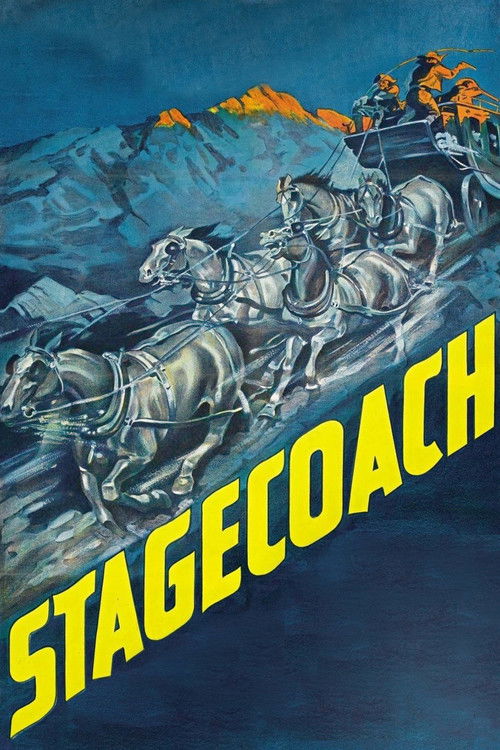
Stagecoach1939
Ford's masterpiece: a chamber Western where a stagecoach becomes the whole world. It's got action, character, and moral complexity in equal measure, and it moves like a dream.
But Some of the racial attitudes haven't aged well. The front-loading of exposition can feel creaky if you're used to modern pacing.
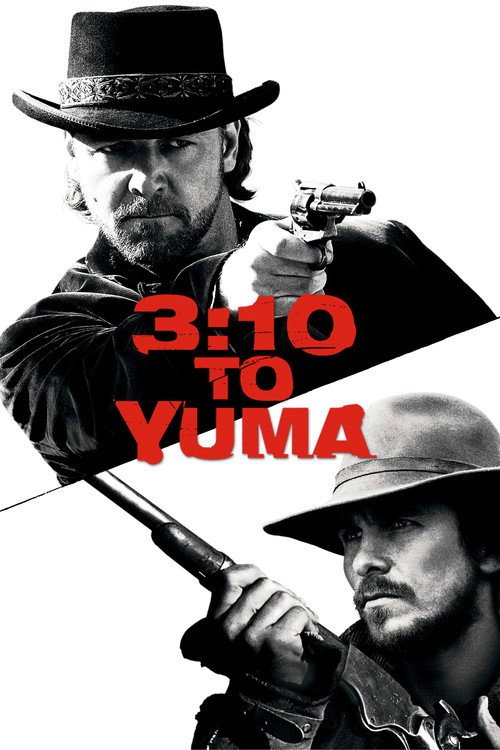
3:10 to Yuma2007
A tense, elegant Western about a man escorting a criminal to a train. It understands the appeal of the outlaw and the desperation of the law, and Christian Bale and Russell Crowe are phenomenal.
But It's almost entirely dialogue-driven. If you're here for action set pieces, you'll spend a lot of time watching two men talk in a hotel room.
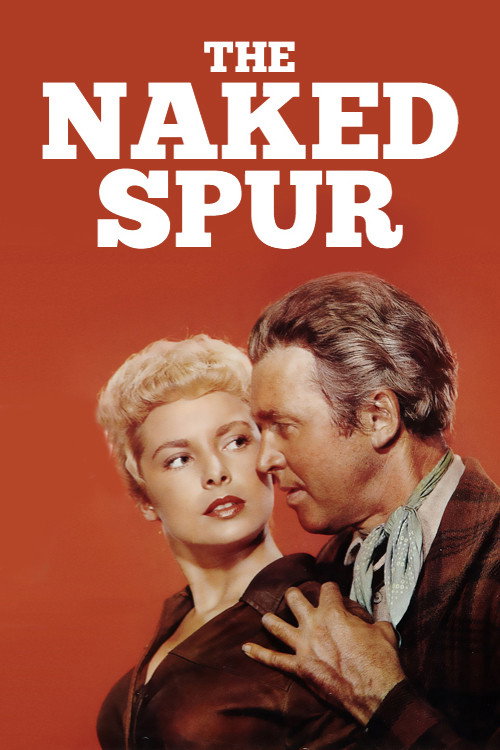
The Naked Spur1953
Mann's masterpiece: a psychologically acute Western where a bounty hunter pursues a criminal into the mountains. It's tightly plotted, beautifully shot, and morally unsettling in ways The Great Train Robbery wasn't equipped to be.
But It's a B-picture in pacing and scope. If you want grand vistas and historical sweep, this is small and claustrophobic.
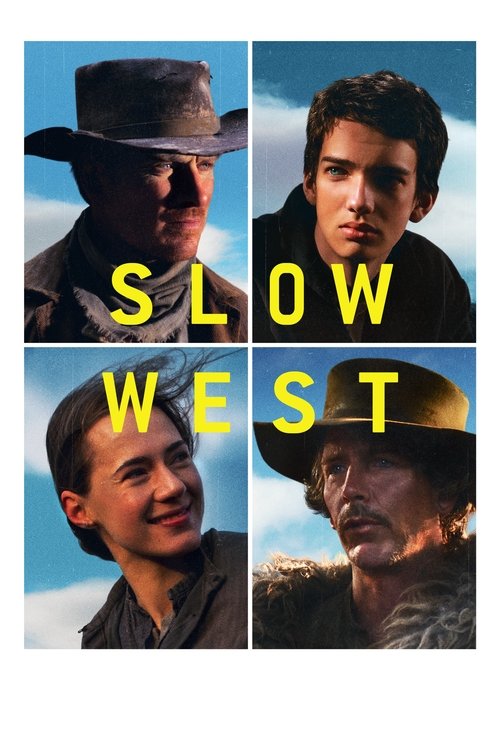
Slow West2015
A strange, poetic, darkly funny Western about a Scottish teenager tracking his love across the American frontier. It's influenced by the form's history while being entirely its own thing.
But It's aggressively indie and oblique. The tonal shifts are deliberate but jarring, and the ending is bleak in ways that feel earned but punishing.
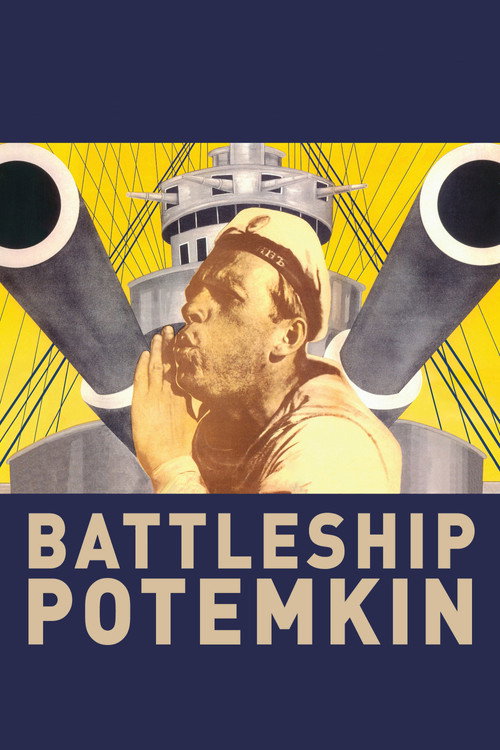
Battleship Potemkin1925
Both are films that invented something: The Great Train Robbery showed that cinema could tell a linear narrative; Potemkin showed that cinema could make meaning through editing alone. They're the two pillars of what film became.
Eisenstein's revolutionary montage technique didn't just influence how cinema tells stories—it fundamentally changed how human eyes perceive rhythm and meaning. The Odessa Steps sequence alone is worth the price of admission.
But It's a silent Soviet film made as Marxist propaganda. The politics are unsubtle, the emotional register is operatic, and the pacing assumes you're willing to sit with images for their own sake.
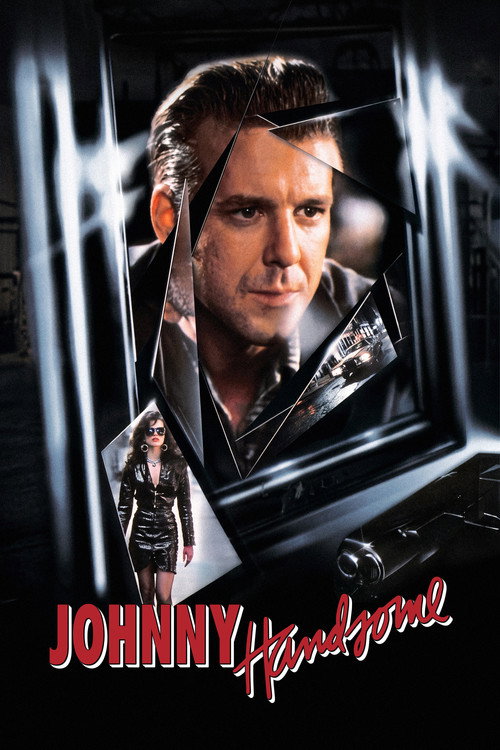
Johnny Handsome1989
The Great Train Robbery is fundamentally about frontier transformation—bandits become new men in a new land. Johnny Handsome is the noir version of that same myth: a criminal becomes a new self through violence and reinvention. Same engine, different moral register.
Walter Hill's crime thriller is a portrait of a criminal remade by plastic surgery—reinvention as the central motif. It's got heist-film mechanics, but it's really about identity and the frontier myth of becoming someone new.
But It's a minor 80s thriller that hasn't aged gracefully. The synth score is dated, the plot is schematic, and it's rarely available. The gender politics are uncomfortable.
People
Cast
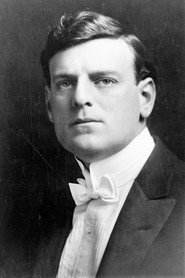 Gilbert M. AndersonBandit / Shot Passenger / Tenderfoot Dancer (uncredited)
- John Manus Dougherty Sr.Bandit (uncredited)
- Frank HanawayBandit (uncredited)
- Adam Charles HaymanBandit (uncredited)
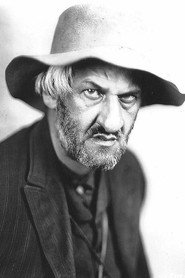 Robert MilaschTrainman / Bandit (uncredited)
- Marie MurrayDance-Hall Dancer (uncredited)
- Mary SnowLittle Girl (uncredited)
- A.C. AbadieSheriff (uncredited)
- Walter CameronSheriff (uncredited)
- Donald GallaherLittle Boy (uncredited)
- Shadrack E. GrahamChild (uncredited)
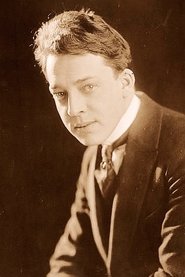 George Barnes(uncredited)
Directing
- Gilbert M. AndersonAssistant Director
- Edwin S. PorterDirector
Writing
- Scott MarbleStory
- Edwin S. PorterWriter
Production
- Edwin S. PorterProducer
Recommended by
The General, The Shadow of the Eagle, Blue Steel, In Old Arizona, Blacksmith Scene, Virginia City, Son of Paleface, The Sons of the Pioneers, The Gay Caballero, The Arizona Kid, The Lonedale Operator, The Girl and Her Trust, The Story of the Kelly Gang