
Film
The Story of the Kelly Gang
The world's first feature-length narrative film, made in Australia in 1906. A sprawling, episodic account of the notorious Kelly Gang bushrangers, shot on location with real landscapes and a cast of locals. Watching it is like holding a fossil of cinema itself—primitive in craft, vast in ambition, utterly alive. For anyone who loves film history, or who wants to understand how storytelling on screen began.
Should you watch it?
Watch it if you are drawn to early cinema as a living experiment, where the frame is still learning how to hold a story and you enjoy watching that effort show.
Skip it if you need tight pacing and modern polish, because the surviving fragments are patchy and the staging, acting and editing are of their time, so the gaps may frustrate.
What it asks of you: At seventy minutes it is short and episodic, moving in broad silent-era strokes, so it rewards patience with gesture over fine-grained psychology.
Not sure? Find tonight's pick in a minute.
If you liked this
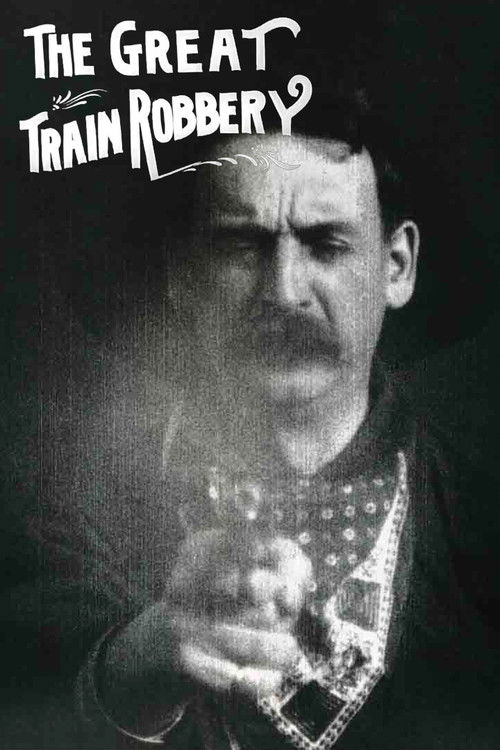
The Great Train Robbery1903
Edison's masterpiece proves cinema can tell a complete story in ten minutes. It's why The Story of the Kelly Gang dared to be longer. Essential viewing to understand what the Australian film answered.
But Shot in a studio against painted backdrops, it feels stagy and remote compared to the landscapes of Kelly Gang. Very brief, very much a curiosity rather than a narrative.
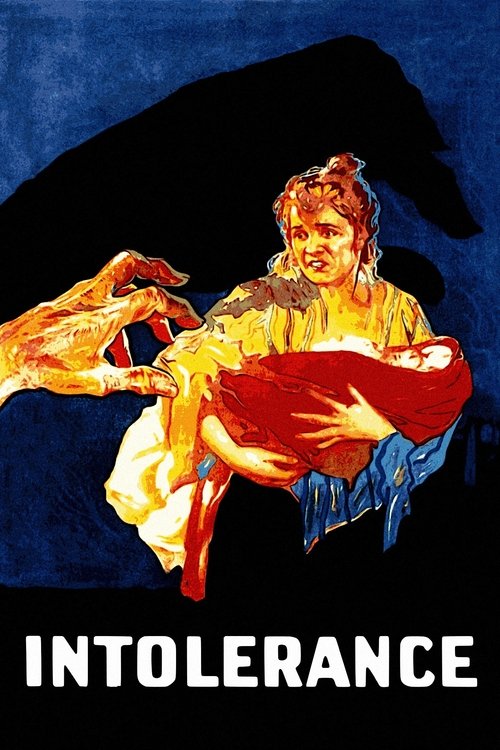
Intolerance: Love's Struggle Throughout the Ages1916
D.W. Griffith's response to accusations of racism: four parallel stories across history, ambitious and almost uncontrollably energetic. Proves that early cinema wanted to be epic, just like Kelly Gang.
But Four hours long and structurally confusing; the film's moral grandeur doesn't excuse its construction. Feels like you're watching someone think in real time.
Nosferatu1922
German Expressionism at its peak, and a film that knows exactly what cinema can do with shadows, movement, and space. A masterpiece made just over a decade after Kelly Gang—shows how fast the medium evolved.
But Silent, austere, deliberately artificial. If you want the raw documentary quality of early Australian film, this is the opposite approach.

Not sure tonight? Get a pick in a minute, starting from The Story of the Kelly Gang
The wildcard
Something you would not have found on your own.
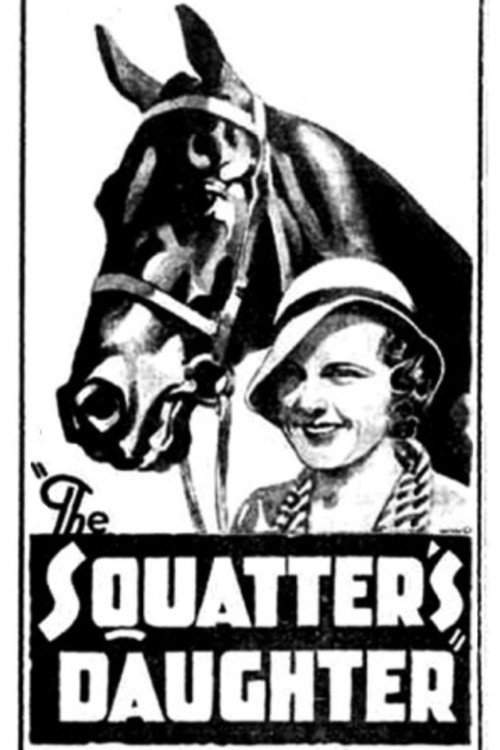
The Squatter's Daughter1933
Both are foundational works of Australian cinema made on location, documenting the landscape and social conflicts of their era through the stories of rural outsiders.
An Australian rural melodrama made a generation after Kelly Gang, proving that Australian cinema found its voice in stories about land, class, and survival. It shows what the Kelly Gang tradition became.
But Virtually forgotten and rarely screened; tracking it down requires patience. The acting is broad and the plot predictable by modern standards.
More like this (8)
Sunrise: A Song of Two Humans1927
Murnau's triumph—a love story, a thriller, a visual poem. By 1927, silent cinema had learned everything, and this is proof. Ravishing to watch.
But Lush romanticism might feel distant if you're drawn to the stark realism of early Australian location shooting.

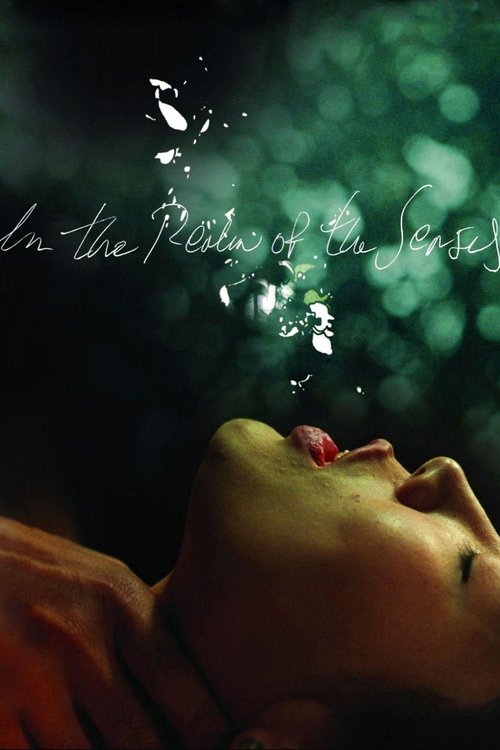
In the Realm of the Senses1976
Nagisa Oshima's transgressive masterpiece about desire and obsession, based on a true crime. Like Kelly Gang, it's a film that shattered what audiences thought cinema could show.
But Explicit and unsparing about sex and violence. The subject matter is deliberately confrontational, which some may find gratuitous.
Man with a Movie Camera1929
Dziga Vertov's documentary symphony of Soviet life—no narrative, just cinematic language pushed to its limit. A meditation on what the camera can see and how to make meaning from it.
But No plot, no actors, no traditional entertainment. It's an essay in image and rhythm; if you need a story, this will feel like work.

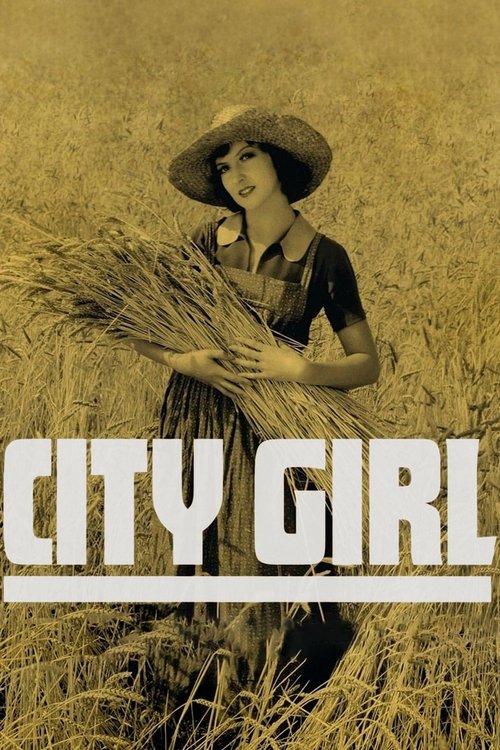
City Girl1930
F.W. Murnau's underrated pastoral drama, shot on real farms with real light. A story of rural life and class, made with the sophistication cinema had earned by 1930.
But Melodramatic and slow by modern standards. The emotional beats are telegraphed; you're watching how cinema *used* to persuade.
The Phantom Carriage1921
Victor Sjöström's Swedish ghost story—visually extraordinary, deeply moving, proof that early cinema could make you feel things. Influences horror and art cinema alike.
But Glacially paced by contemporary standards. The moral message about redemption through suffering can feel heavy-handed.

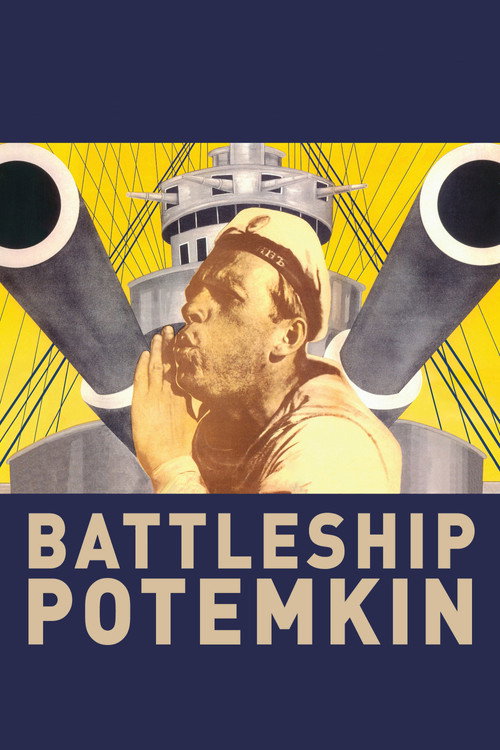
Battleship Potemkin1925
Eisenstein's revolutionary montage technique created a new visual grammar for cinema. A propaganda film, yes, but also a technical masterclass that changed filmmaking forever.
But Explicitly didactic propaganda for Soviet revolution. The editing style, while influential, can feel mannered and distant compared to naturalistic storytelling.
Johnny Guitar1954
Both take the outlaw myth and refuse to sentimentalize it—instead they're interested in how power works, how violence shapes community, and the mythology we build around criminals.
Nicholas Ray's hallucinatory Western—surreal, operatic, obsessed with power and desire between two people. It proves the Western can be as strange and personal as any art film.
But Barely a conventional Western; slow, stylized, and often opaque about its meanings. If you want action and plot clarity, it will frustrate.

The Ballad of Little Jo1993
Both are based on true historical outlaws and use their stories to ask what frontier mythology demands—who it includes, who it erases, and whether the legend tells the truth.
Maggie Greenwald's true-crime Western about a woman who lived as a man on the frontier. A revisionist work that interrogates the Kelly Gang's world—what happens when you can't fit the myth?
But Period drama pacing will test your patience if you're after incident-driven storytelling. The film is quiet about its radicalism, which some may find insufficiently pointed.

People
Cast
Directing
- Sam CrewesAssistant Director
- Charles TaitDirector