
Film
Gul-e-Bakavali
A 1924 Indian silent film adapting a beloved Persian legend about a prince journeying to find a magical healing flower to save his blind father. Lavishly staged with theatrical spectacle, it captures the dreamlike register of fairy tale cinema—less concerned with narrative realism than with creating wonder through image and movement. For anyone drawn to early cinema's visual poetry or the history of Indian film.
Should you watch it?
Watch it if you enjoy fairy-tale quests told through the broad gestures and theatrical spectacle of early silent cinema, where the wonder comes from staging rather than dialogue.
Skip it if you need tight pacing and modern performance naturalism, since the acting is big and stagey and the plot moves through a legend's episodic leaps.
What it asks of you: Its shape is episodic and loose, with a silent-era pace where gesture and tableau carry the meaning instead of intertitles explaining it.
Not sure? Find tonight's pick in a minute.
If you liked this
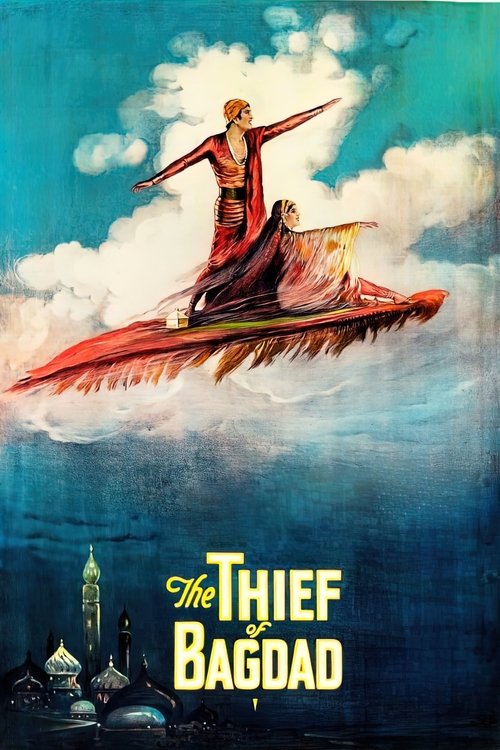
The Thief of Bagdad1924
Released the same year, this Douglas Fairbanks fantasy uses similar magical-quest architecture and production scale. Both films show how silently cinema could conjure the exotic and impossible through pure visual storytelling.
But The American version's pacing feels brisk to modern eyes, and Fairbanks's acrobatic heroics may overshadow the genuine strangeness you're after.
The Phantom Carriage1921
Arne Börresen's masterpiece of supernatural cinema—ghosts, visions, moral reckoning told through camera work alone. If Gul-e-Bakavali moved you, this proves silent film's capacity for genuine emotional depth beneath the spectacle.
But It's bleak and slow, a meditation on regret rather than adventure. The fairy-tale register is entirely absent.

Nosferatu1922
German Expressionist horror from cinema's first great age. Like Gul-e-Bakavali, it shows how silent film could make the impossible feel visceral—but through shadow and dread instead of wonder.
But It's genuinely unsettling in ways that pull against pleasure. If you want beauty and enchantment, this isn't it.

Not sure tonight? Get a pick in a minute, starting from Gul-e-Bakavali
The wildcard
Something you would not have found on your own.
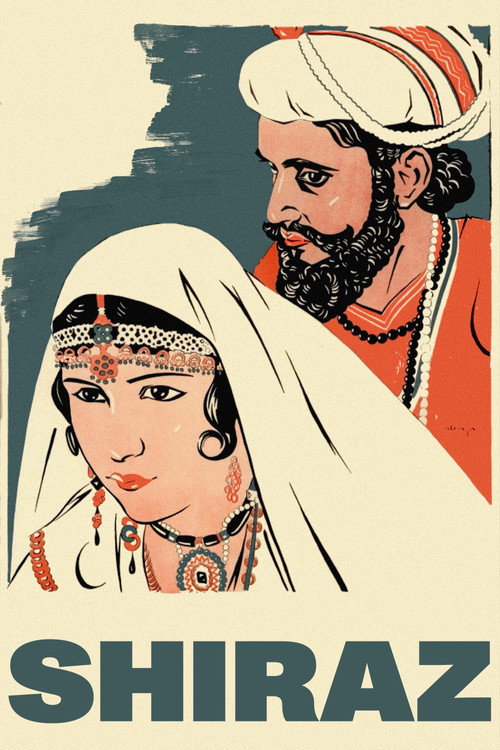
Shiraz: A Romance of India1928
Both emerge from Indian silent cinema's fusion of Parsee theater, Persian narrative, and early film language—the same studio, the same visual vocabulary, the same imagined East.
Made by the same Indian studio that produced Gul-e-Bakavali, this is what happened when that tradition matured. A Mughal romance with deeper narrative sophistication and equal visual splendor—a direct continuation of the cinema you've just seen, four years forward.
But The surviving print quality is poor, and the theatrical staging can feel stodgy if you've become accustomed to more naturalistic acting styles.
More like this (7)
Battleship Potemkin1925
Eisenstein's revolutionary montage cinema proves that silent film's real power lay in editing and composition, not plot. A corrective if you wonder whether Gul-e-Bakavali's staginess reflects the medium's actual capabilities.
But It's a political agitprop film with no narrative arc or characters you'll care about. Austere where the fairy tale is ornate.

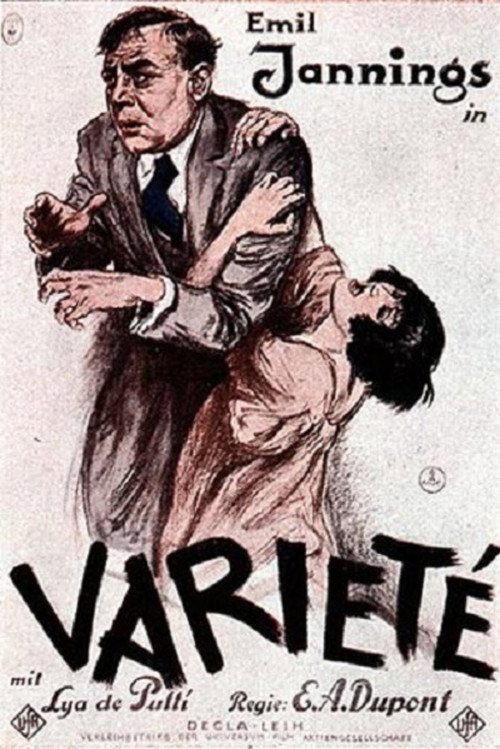
Variety1925
Dupont's Berlin circus melodrama uses camera movement and spatial composition in ways that feel astonishingly modern. Shows what European cinema was discovering just as Gul-e-Bakavali was being made in India.
But The story is sordid jealousy and betrayal. No magic, no redemption—just the machinery of desire and ruin.
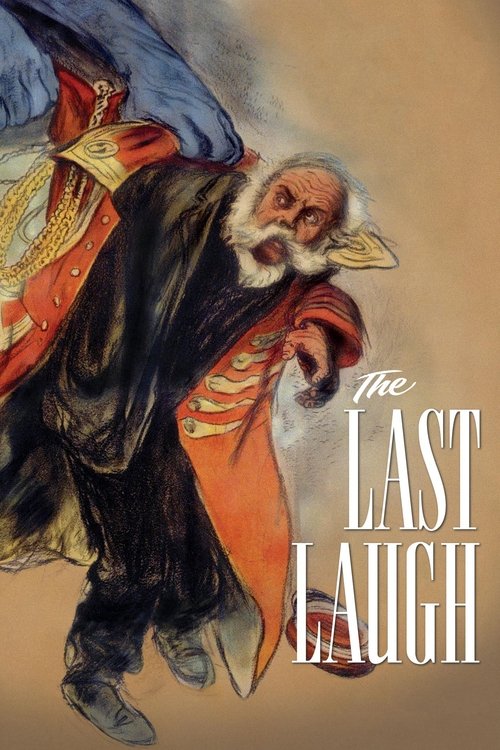
The Last Laugh1924
Murnau's portrayal of ordinary human dignity through camera technique alone—no intertitles, no plot contrivance. The inverse of Gul-e-Bakavali's theatrical fable: intimate where that film is grand.
But It's about an aging hotel doorman. If you came for spectacle and legend, this quiet story of social humiliation will feel claustrophobic.
The Cabinet of Dr. Caligari1920
German Expressionist fantasy with painted sets and hallucinatory logic. Proves that early cinema could sustain nightmare and unreality as aesthetic principles, not just plot devices.
But It's deliberately artificial in ways that strain credulity now. The distortions read as dated rather than dreamlike.

Intolerance: Love's Struggle Throughout the Ages1916
Griffith's mammoth epic crosscuts between four historical periods with the same ambition toward scale and visual storytelling that governs Gul-e-Bakavali. A predecessor that dwarfs most cinema in scope.
But It's nearly four hours, structurally chaotic, and its racial politics are vile. The grandeur comes wrapped in ideology you'll have to reckon with.

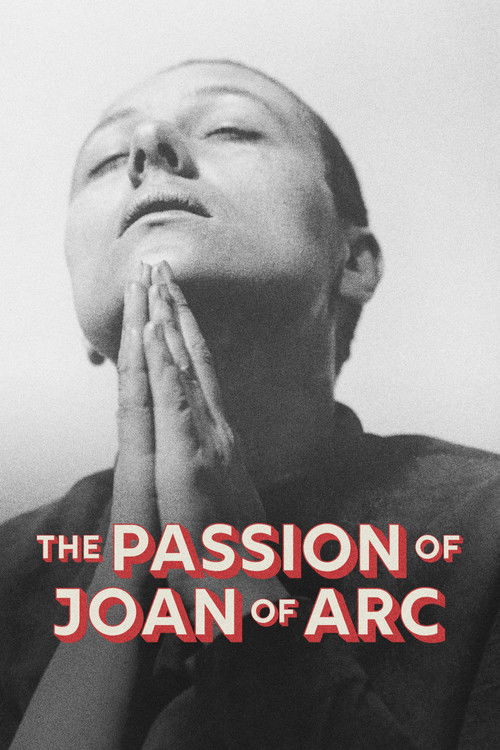
The Passion of Joan of Arc1928
Dreyer's close-up study of spiritual ordeal and transcendence. Where Gul-e-Bakavali found magic in legend, this finds it in the human face alone—a different alchemy entirely, but equally silent cinema at its peak.
But It's almost plotless: mostly Renée Jeanne Falconetti's face as she's interrogated and burned. Austere, repetitive, and emotionally punishing.
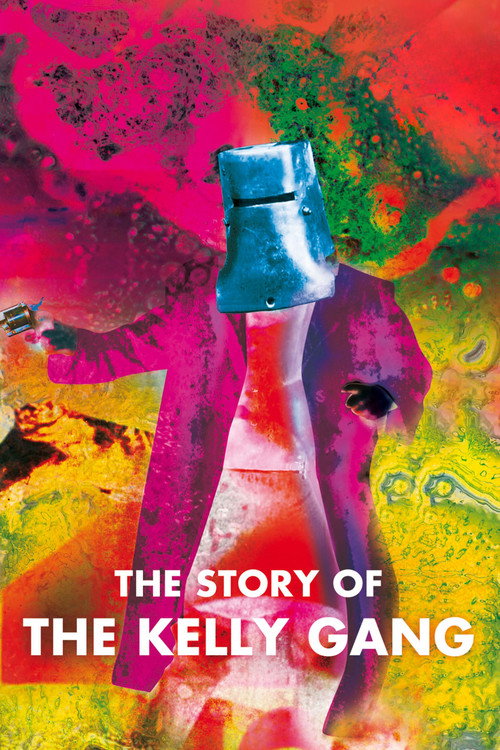
The Story of the Kelly Gang1906
Historical: when you see Gul-e-Bakavali, you're watching cinema that has inherited two decades of narrative possibility from experiments in countries you'd never expect.
The world's first feature-length narrative film—eighteen years before Gul-e-Bakavali—made in Australia about an outlaw. It proves Indian silent cinema wasn't alone in discovering that film could sustain grand storytelling beyond ten minutes. Essential context for understanding what 1924 actually represented.
But It's extremely crude, morally murky, and less visually accomplished than Gul-e-Bakavali. Watching it feels like homework, not pleasure.
People
Cast
- Ahmed KhalilTajul Malik
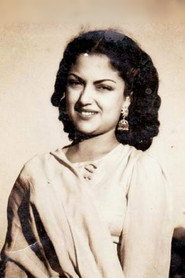 ZubeidaBakavali
Directing
- Kanjibhai RathodDirector
Writing
- Mohanlal G. DaveWriter