
Film
Shiraz: A Romance of India
A 1928 silent film that imagines the Taj Mahal's creation through a love story across the Mughal Empire. A potter's son pursues the foundling girl he loves when she's taken to the imperial court. Lush, theatrical, and earnest—a romance scaled to myth, shot with genuine beauty by a filmmaker working at the edge of Indian cinema's technical reach.
Should you watch it?
Watch it if you love old-fashioned lovers' pursuits told through lavish sets and faces rather than dialogue, and you're happy to sit with a sentimental story that never apologises for its sincerity.
Skip it if you need dialogue and fast cutting to stay engaged, since this is a slow, melodramatic film that plays its emotions broadly and moves at the pace of its era.
What it asks of you: Settle in for just under two hours of unhurried, pictorial storytelling, where long stretches are carried by gesture, costume and landscape rather than plot turns or quick edits.
Not sure? Find tonight's pick in a minute.
If you liked this
Intolerance: Love's Struggle Throughout the Ages1916
D.W. Griffith's silent epic sprawls across centuries and empires to defend love against prejudice. Like Shiraz, it's ambitious spectacle in service of intimate feeling, built on massive sets and conviction.
But It's a four-hour silent film from 1916, which means intertitles, a breakneck plot, and the patience it demands will test anyone watching it today.

The Phantom Carriage1921
Sjöström's masterpiece about redemption and memory uses supernatural fantasy to unlock emotional truth. Both films treat melodrama as the route to something genuinely moving, not as camp.
But The pacing is deliberate—silent film time, not modern time. The story hinges on a moral reckoning that some will find didactic or obvious.

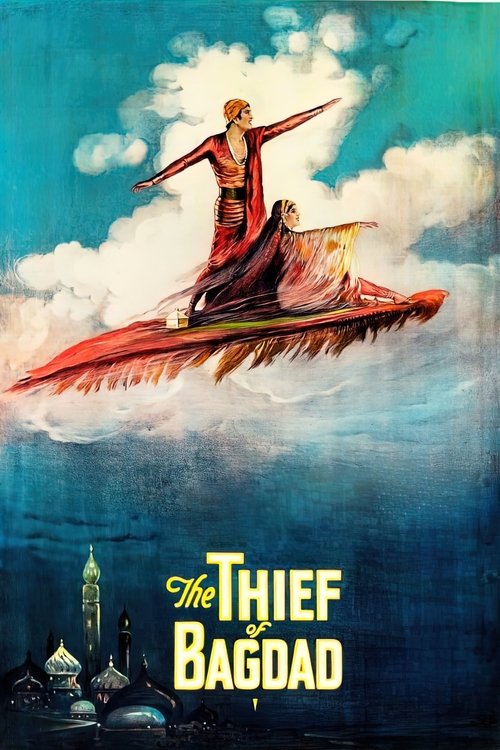
The Thief of Bagdad1924
Raoul Walsh's fantasy adventure roams across magic and empire with the same visual generosity Shiraz displays. Practical effects, dazzling sets, and a hero's journey through gorgeous impossible worlds.
But The racism embedded in the framing—the orientalism—is unavoidable and uncomfortable, and the story favors spectacle over psychological depth.
Not sure tonight? Get a pick in a minute, starting from Shiraz: A Romance of India
The wildcard
Something you would not have found on your own.
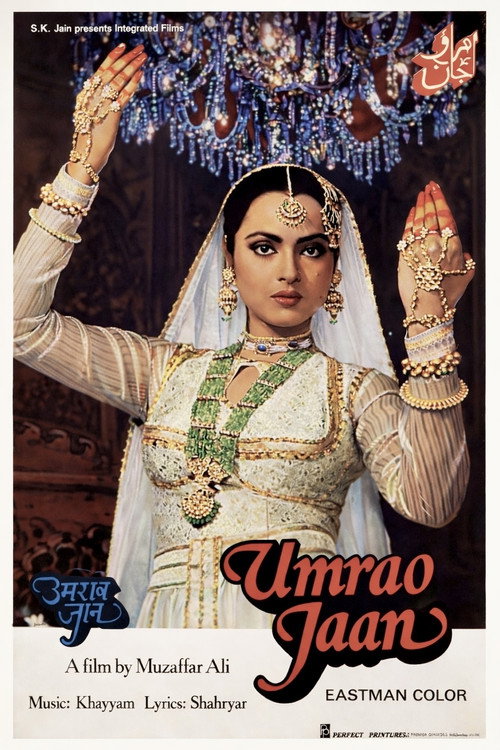
Umrao Jaan1981
Both are Indian romances set in empires of the past, but Ali reverses the gaze—showing imperial seduction not as adventure but as loss.
Muzaffar Ali's sumptuous period romance also centers on a woman torn from her world and moved through the courts of power—but told from inside her interiority, with Rekha's magnetic presence. It's Shiraz reshot as tragedy, close and sensual.
But Nearly three hours, and the fatalism runs deep. The film grieves what it shows you, which is beautiful but not light.
More like this (7)
Nosferatu1922
Murnau's gothic horror shows what German Expressionism could do with shadow and space. Both films prove silent cinema could move you without dialogue, through composition alone.
But It's a vampire film fundamentally concerned with dread and mortality. If you want romance, this inverts it into horror.

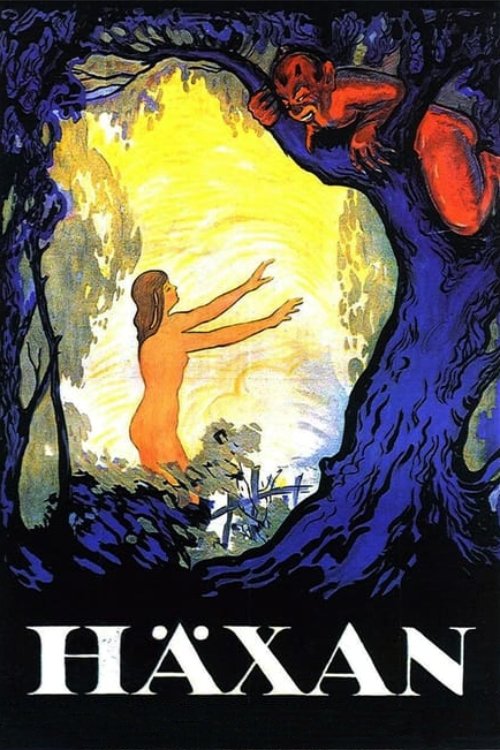
Häxan1922
Christensen's documentary-fantasia about witch-hunts mixes history, nightmare, and performance in ways that feel startlingly modern. An unforgettable visual essay that rewires how you see the past.
But It's nearly two and a half hours of silent film without a conventional narrative, and its images of suffering are genuinely disturbing.
Battleship Potemkin1925
Eisenstein's revolutionary masterpiece about mutiny and politics moves with balletic force through montage and geometry. Essential cinema—the film that changed what film could be.
But It's a Soviet propaganda film about a failed revolution, and the politics are upfront. The style, while influential, can feel mannered to modern eyes.

Sunrise: A Song of Two Humans1927
Murnau again—this time about a husband tempted away from his wife. Technical virtuosity married to genuine feeling; it won Best Picture and deserved it.
But The gender politics are archaic, and the redemption arc through suffering may feel prescriptive rather than earned.

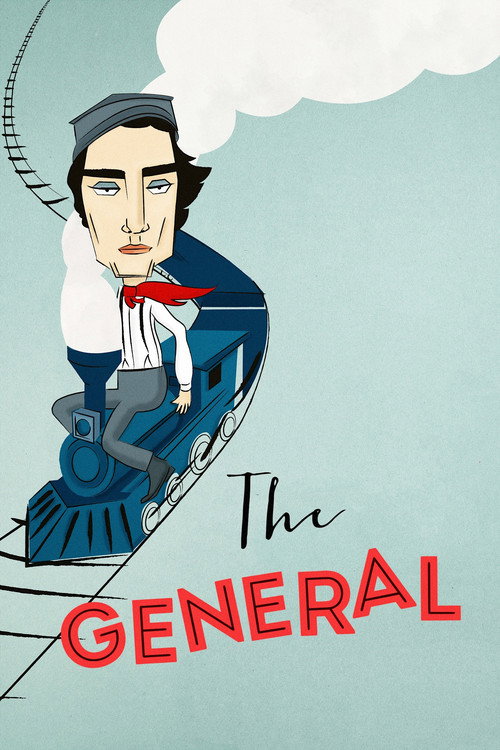
The General1926
Buster Keaton's silent comedy is also a love story and a war film—a genre hybrid that moves between romance and action with the same fluidity Shiraz attempts.
But It's a comedy from a century ago, and historical distance plus changing humor sensibilities may make the jokes inert.
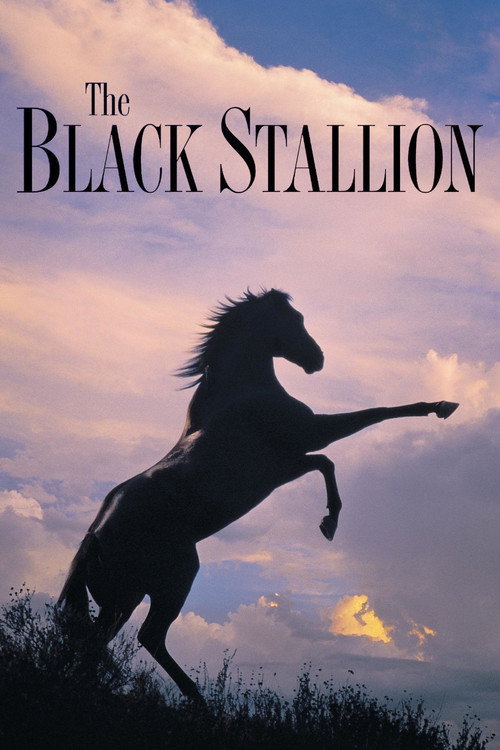
The Black Stallion1979
Both use spectacle and devoted followership to explore devotion between two people separated by impossible circumstance—but Ballard strips away all ornament.
Carroll Ballard's visual poem about a boy and a wild horse uses minimal dialogue and pure cinema to tell a story of connection across difference. It's silent-film storytelling in a modern film, with the same faith in image over exposition.
But Plot-wise, it's almost absent. If you need narrative momentum and clear stakes, you'll find it slow and vague.
A Prophet2009
Both follow a powerless outsider infiltrating an imperial structure through devotion and cunning, but where Shiraz asks about love's nobility, A Prophet asks what that climb actually costs.
Audiard's masterpiece tracks a young man rising through prison hierarchy, gaining power and protection. It's Shiraz inverted—the foundling who gains the world, shot in grayscale modern France rather than Mughal gold, but the skeleton is identical.
But It's brutal and tense, a crime film about incarceration and survival. If you want beauty and romance, this is visceral and ugly and modern.

People
Cast
- Himansu RaiShiraz
- Enakshi Rama RauSelima
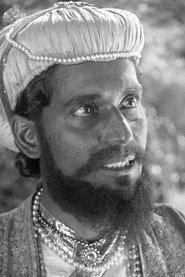 Charu RoyPrince Khurram
 Seeta DeviDalia
Directing
- Franz OstenDirector
Writing
- Niranjan PalOriginal Story
- William A. BurtonScreenplay
Production
- Himansu RaiProducer