
Film
The Phantom Carriage
- Fantasy
- Supernatural horror
- Drama
- Very dark
A 1921 Swedish masterpiece about a brutal drunk who encounters a ghostly carriage on New Year's Eve. Victor Sjöström's performance is raw and unsettling; the visual storytelling—double exposures, flowing supernatural imagery—feels urgently modern. Essential silent cinema for anyone curious how early film could be truly haunting.
Should you watch it?
Watch it if you love slow, moody silent cinema where a ghostly premise becomes a hard look at drink, cruelty and regret, with images that linger long after the picture ends.
Skip it if you need brisk pacing or modern effects; its silent-era rhythm is deliberate, with long stretches of intertitles and stillness that some viewers will find heavy going.
What it asks of you: Around110 minutes of patience, with unhurried scenes and few jokes, so settle in and let its gloom build rather than expecting quick payoff or relief.
Not sure? Find tonight's pick in a minute.
If you liked this
Nosferatu1922
The same era, same visual inventiveness, same commitment to making the uncanny feel absolutely real. If you loved the phantom carriage's atmosphere, this vampire film hits with the force of genuine dread.
But It's slow by modern standards, and the plot is a skeleton. The strangeness has to be enough for you.

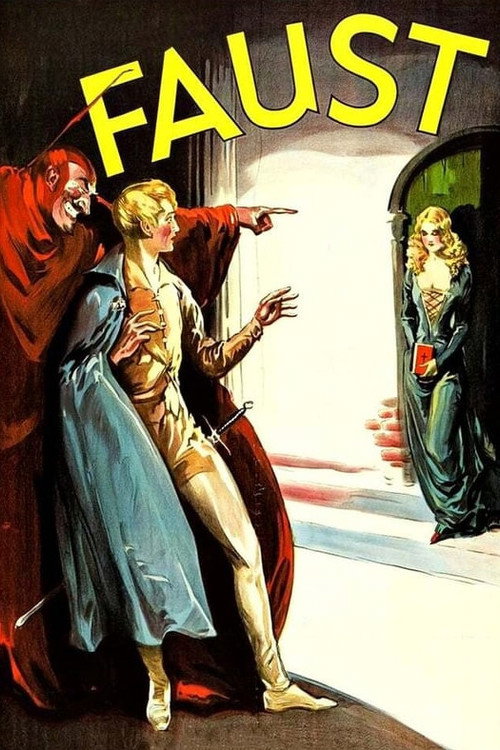
Faust1926
Murnau again, wrestling with a man's soul and the supernatural. The visual effects are staggering—more ambitious than Phantom Carriage—and the moral reckoning is just as devastating.
But Nearly four hours of silent film. Your patience has to match the film's pace or you'll feel every minute.
The Wailing2016
A modern film that inherits Phantom Carriage's DNA: guilt made flesh, dread that builds from character rather than jump scares, the question of whether redemption is even possible. Extraordinary filmmaking.
But Deliberately ambiguous in ways that frustrate some viewers. It asks you to sit with uncertainty for three hours.

Not sure tonight? Get a pick in a minute, starting from The Phantom Carriage
The wildcard
Something you would not have found on your own.
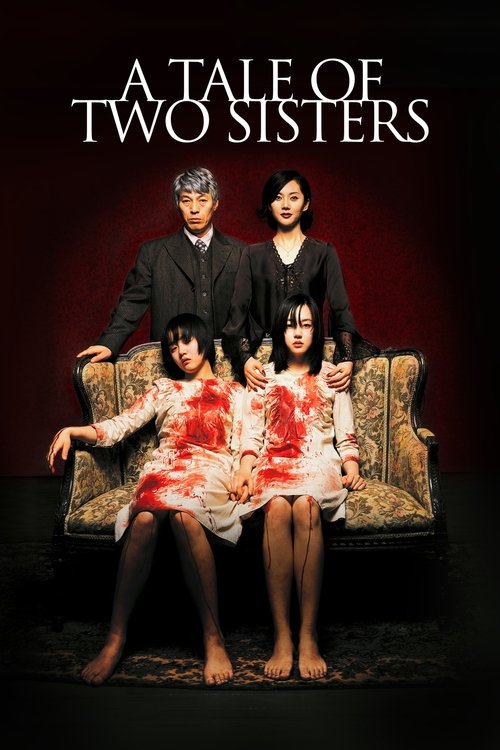
A Tale of Two Sisters2003
Both use the supernatural as a mirror for guilt and self-punishment; both suggest the haunting is inescapable until the haunted person accepts what they've done.
A South Korean horror film about trauma and grief that uses the ghost-story form to process psychological breakdown—exactly what Phantom Carriage does, but through a completely different cultural lens. Visually rapturous and morally complex.
But The horror is internal, not external. If you're expecting scares you'll be disappointed. The twist divides viewers sharply.
More like this (7)
The Seventh Seal1957
Bergman's meditation on death, faith, and the games we play to stave off the inevitable. Carries the same metaphysical weight as Phantom Carriage but expressed through chess and medieval pageantry.
But Existential gloom throughout. Not a film that leaves you feeling hopeful. Very Swedish in that way.

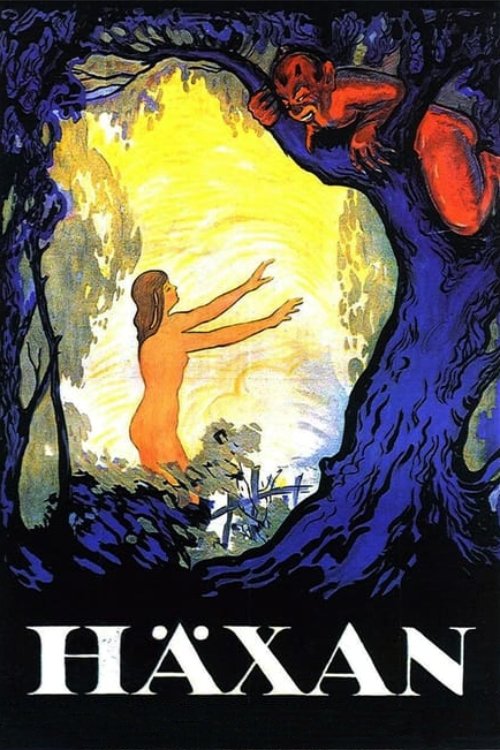
Häxan1922
Another 1920s Danish-Swedish production about supernatural horror and human cruelty. Visually baroque, genuinely disturbing, and structured as a fever dream rather than a narrative.
But It's hostile to easy viewing. The pacing is strange and the imagery deliberately grotesque. Demands active attention.
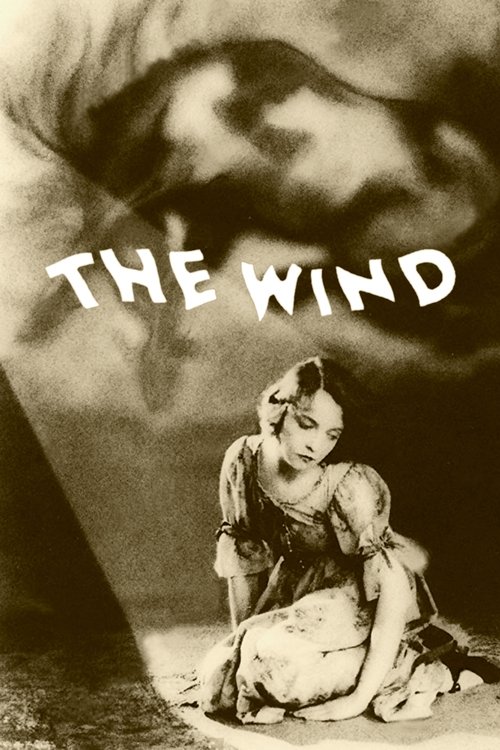
The Wind1928
Silent American horror-drama where psychological torment becomes visual and tactile. The protagonist's unraveling echoes Holm's descent, but filtered through an entirely different landscape and sensibility.
But The ending is bleak and somewhat arbitrary. Some find it punitive rather than cathartic.
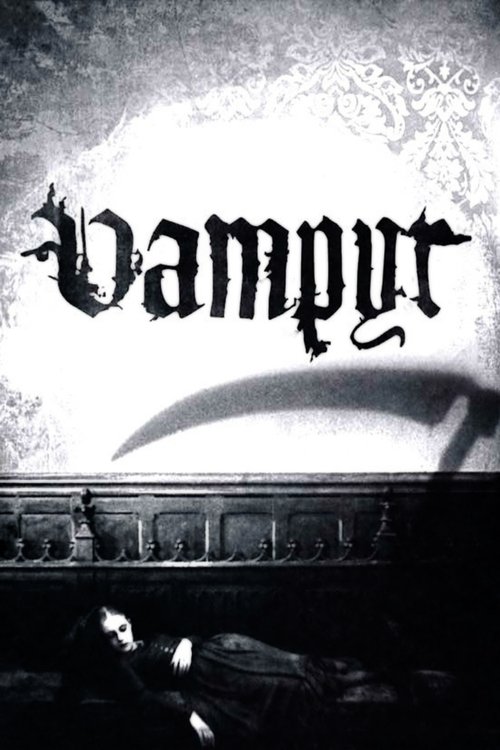
Vampyr1932
Dreyer (who made The Passion of Joan of Arc) applies that same unsettling precision to vampirism. The atmosphere is fog-thick and the logic dreamlike. Genuinely unsettling in a quiet way.
But Very slow. The plot barely moves. If you need propulsion, you'll find it aggravating.
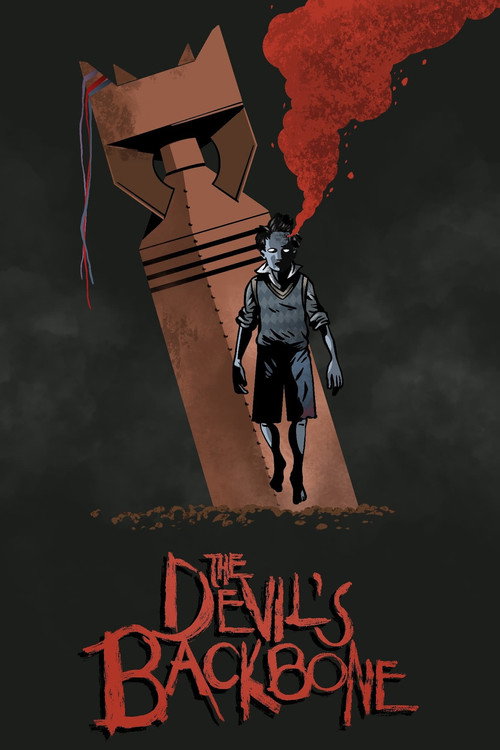
The Devil's Backbone2001
Guillermo del Toro's haunted-house film set in a Spanish orphanage. It has Phantom Carriage's fascination with ghosts as markers of sin and redemption, but in a more contemporary register with clearer narrative stakes.
But It's a supernatural thriller first and a meditation second. Less ambiguous than the Sjöström, which some find less interesting.
Stalker1979
Both films use the framework of a supernatural or metaphysical encounter to ask whether redemption is possible—and both suggest the answer is complicated and possibly tragic.
Tarkovsky's meditation on desire, faith, and the spaces we create for ourselves. Not a ghost story, but structurally it's about a journey toward moral reckoning and the question of whether salvation is even real.
But 163 minutes of deliberate slowness. No plot twists, minimal action. Pure cinema of thought. Many people find it tedious rather than profound.

Bicycle Thieves1948
Both are about men brought to moral reckoning, but where Phantom Carriage uses fantasy to externalize guilt, Bicycle Thieves shows that the haunting is already here—it's just called poverty and shame.
Italian neorealism's masterpiece: a man's slow corruption and moral collapse played out over one day as he searches for a stolen bicycle. No ghosts, no spectacle—just the anatomy of how ordinary people become corrupted by desperation.
But Utterly bleak and realistic. The supernatural framework of Phantom Carriage is replaced by economic fact. Emotionally punishing to watch.

People
Cast
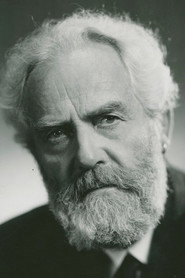 Victor SjöströmDavid Holm
 Hilda BorgströmMrs. Holm
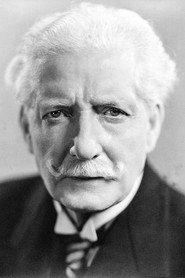 Tore SvennbergGeorges
 Astrid HolmSister Edit
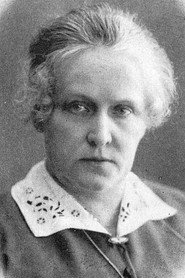 Concordia SelanderEdit's Mother
- Lisa LundholmSister Maria
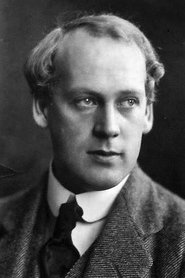 Tor WeijdenGustafsson
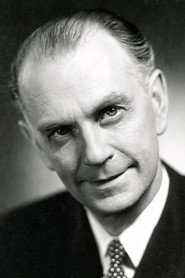 Einar AxelssonDavid's Brother
 Olof ÅsDriver
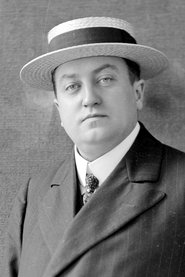 Nils AréhnPrison Chaplain
- Simon LindstrandDavid's Companion
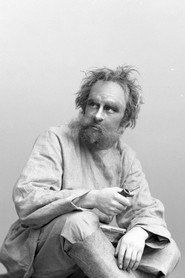 Nils ElfforsDavid's Companion
Directing
- Arthur EngborgAssistant Director
- Victor SjöströmDirector
Writing
- Selma LagerlöfNovel
- Victor SjöströmWriter
Production
- Charles MagnussonProducer
Recommended by
The Singing Detective, The Kid Brother, À Nous la Liberté, Broken Blossoms or The Yellow Man and the Girl, The Freshman, The Miracle Man, His Regeneration, Cyclo, White Zombie, Opening Night, Our Hospitality, Seven Chances, The Last Command, Destiny, The Scarlet Letter, Woman in the Moon, Three Ages, Way Down East, Aelita: Queen of Mars, Waxworks, The Ghost Goes West, The Scarecrow, Vaudeville, The Italian Straw Hat, The Iron Mask, Robin Hood, Cops, 7th Heaven, A Florida Enchantment, Die Nibelungen: Siegfried, Body and Soul, Dracula: Pages from a Virgin's Diary, The Phantom of the Opera, The Invisible Man, The Sea Beast, City Girl, Diary of a Lost Girl, An American Tail: Fievel Goes West, Dr. Mabuse, the Gambler, The Unknown, The Miracle of Morgan's Creek, The Perils of Pauline, Les Misérables, Popeye, He Who Gets Slapped, Hercules Unchained, The Cave of the Silken Web, Elephant Boy, Napoleon, One A.M., Pee-wee's Big Adventure, Anna Karenina, The Seashell and the Clergyman, Lola Montès, The Wedding March, The Thief of Bagdad, Orphans of the Storm, Battling Butler, Beau Geste, Foolish Wives, The Black Cat, The Pleasure Garden, The Leopard Man, Murders in the Rue Morgue, Babes in Toyland, The Cat Creeps, The Wonderful Story, The Organizer, A Woman of Affairs, L'Atlantide, Entr'acte, Don Giovanni, Howdy Doody, Ten Days That Shook the World, Champagne, A Page of Madness, Anna Karenina, Russian Ark, Arsenal, Scaramouche, Don Q Son of Zorro, Hotel Imperial, Thérèse Raquin, Under Two Flags, The Nutcracker, The Night Before Christmas, The Haunted House, The Monster, The Gorilla, The Bottle Imp, Lucía, The Penalty, The Great K&A Train Robbery, The Hands of Orlac, Neighbours, Old Mother Riley Overseas, The Viking, The Loves of Pharaoh, Speedy, Flesh and the Devil, The Shadow of the Eagle, The Battle of the Sexes, Maciste in Hell, True Heart Susie, Stella Maris, Cabiria, The Assassination of the Duke de Guise, The Curse of the Mummy's Tomb, The Sinking of the Lusitania, The Last Days of Pompeii, The Son of the Sheik, Salome, Leonor, Swing You Sinners!, La Bohème, Judex, The Enemy, The Fall of Babylon, Street Angel, Mystery of the Wax Museum, The Haunted Castle, Don Juan, Captain Clegg, Ashes of Vengeance, Sparrows, A Woman of Paris: A Drama of Fate, The Godless Girl, The Midnight Express, The Exquisite Sinner, Lovers, The Patriot, The Divine Woman, The Student of Prague, Brats, Fires of Fate, The Haunted House, The Gorilla, The Unholy Three, The Ace of Cads, The Reckless Age, Mother Goose Goes Hollywood, Return to the 36th Chamber, A Cottage on Dartmoor, Felix the Cat, The Axe, The Mysterious Island, The Eagle and the Hawk, The Branded Woman, Atlantis, The Last of the Mohicans, Limite, The Wishing Ring: An Idyll of Old England, Madame DuBarry, Glorifying the American Girl, Jabberwocky, The Foreign Legion, Workers Leaving the Lumière Factory, Old San Francisco, Carmen, The Ghoul, Wildfire, The Perils of Pauline, The Constant Nymph, The Fair Co-Ed, The Dancer of Paris, The Big Broadcast of 1938, Girl Shy, Merry-Go-Round, Under Two Flags, A Corner in Wheat, Asphalt, Tabu: A Story of the South Seas, Salammbô, The Octopus, Humoresque, Blacksmith Scene, The Locker Room, Cheap Kisses, The Mysterious Dr. Fu Manchu, Piccadilly, Secrets of a Soul, Woody Woodpecker, The Story of a Cheat, The Sting of the Lash, London After Midnight, The Mikado, The Golden Goose, Hollywood Party, Murder at the Vanities, Commando Duck, Topper Takes a Trip, The Fall of the House of Usher, Not Reconciled, Bimbo's Initiation, Betty Boop, M.D., The Four Horsemen of the Apocalypse, L'Argent, La Roue, A Kiss Before Christmas, The Winding Stair, The Bells, The Dybbuk, The Kid from Spain, Palmy Days, Mark of the Vampire, The Manxman, Quo Vadis?, L'assommoir, The Sport of Kings, Gul-e-Bakavali, The Student of Prague, The Flaming Disk, The Crimes of Stephen Hawke, Tillie's Punctured Romance, Tramp, Tramp, Tramp, Grandma's Boy, The Master Mystery, The Smiling Madame Beudet, Mayerling, Madame Butterfly, The Mayor of Casterbridge, The Love of Sunya, The Arab, The Leopard Woman, Hell-Bound Train, The Woman on Trial, Bride of the Storm, Filibus, A Man's Mate, The Son of Tarzan, Hands Up!, Suspense, The Wrecker, An Unseen Enemy, The Spanish Dancer, The Lonedale Operator, The Girl and Her Trust, Submarine, My Best Girl, Hula, 20,000 Leagues Under the Sea, La fille du régiment, The Love of Jeanne Ney, The Eagle, Tell It to the Marines, Spies, In Old California, The Tales of the Thousand and One Nights, Shiraz: A Romance of India, The Story of the Kelly Gang, The Fight for the Matterhorn, Storm Over Mont Blanc, What Price Glory, Flesh and Blood, The Rainbow Trail, The Tower of Lies, Whoopee!, Riders of the Purple Sage, A Connecticut Yankee in King Arthur's Court, Born Reckless, Sky Devils, The Play House