
Film
Murder at the Vanities
A 1934 backstage musical-mystery hybrid that wraps murder and suspicion around a Broadway revue. It's a curious artifact: part genuine whodunit, part excuse for musical numbers and chorus spectacle. The plot meanders, but the appeal lies in watching early-sound cinema figure out how to blend genres and seeing a slice of Depression-era stagecraft. For people charmed by the artifice of early musicals.
If you liked this
Singin' in the Rain1952
The gold standard of backstage musicals: elegant, funny, and constructed with perfect craftsmanship. Debbie Reynolds, Gene Kelly, and Donald O'Connor create pure joy. It proves the genre at its best.
But If you're looking for plot substance or emotional depth, you'll find neither. It's entertainment as an end in itself, which some find hollow.

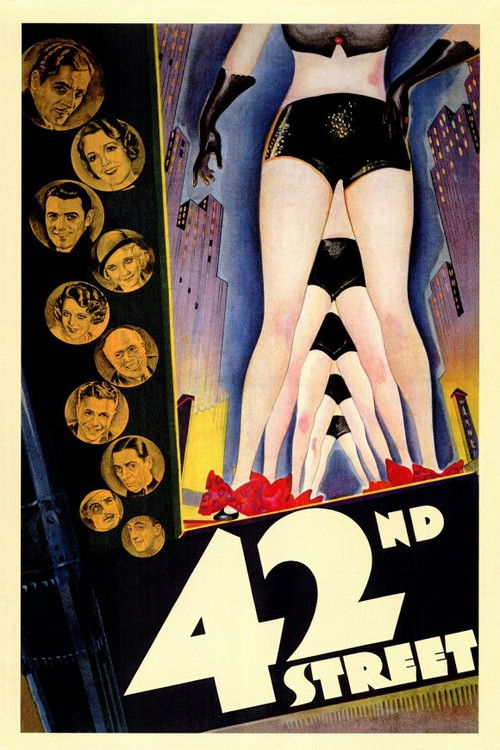
42nd Street1933
An earlier backstage musical that's rawer and more chaotic than Singin' in the Rain. Busby Berkeley's choreography is audacious; the Depression-era desperation gives it an edge most musicals lack.
But The pacing is uneven and the romance is perfunctory. Some numbers feel artificially tacked on. It's rougher around the edges than sleeker productions.
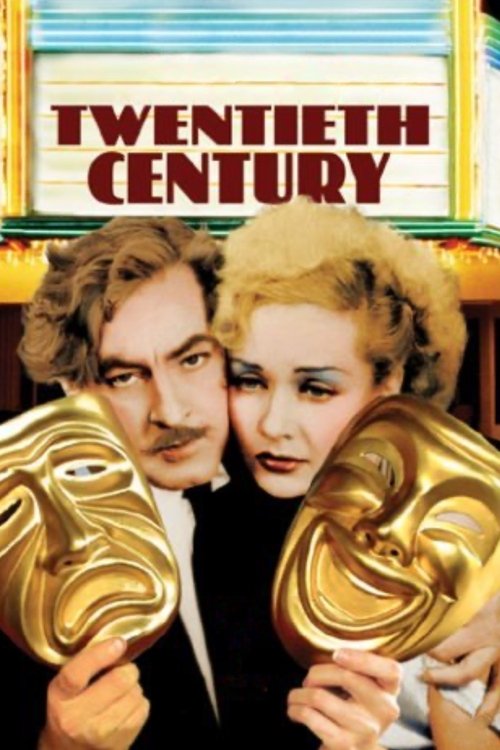
Twentieth Century1934
A screwball comedy from the exact same year about theatrical life, with John Barrymore and Carole Lombard sparring brilliantly. It captures the chaos and ego of show business with wit and speed.
But No music, no spectacle—if you're after visual grandeur, this is intimate and dialogue-heavy. The chaos can feel relentless rather than charming.
Not sure tonight? Get a pick in a minute, starting from Murder at the Vanities
The wildcard
Something you would not have found on your own.
The Phantom Carriage1921
Both films blend spectacle with mystery and investigation, using the machinery of their respective eras to create unease within performance.
A Swedish silent film about a man who sees spectral visions and must reckon with his choices. It predates American sound cinema, yet feels more psychologically complex than Murder at the Vanities. Visually haunting and structurally daring.
But It's silent, slow by modern standards, and tonally serious—no musical numbers or comedy levity. The emotional weight can be exhausting.

More like this (8)
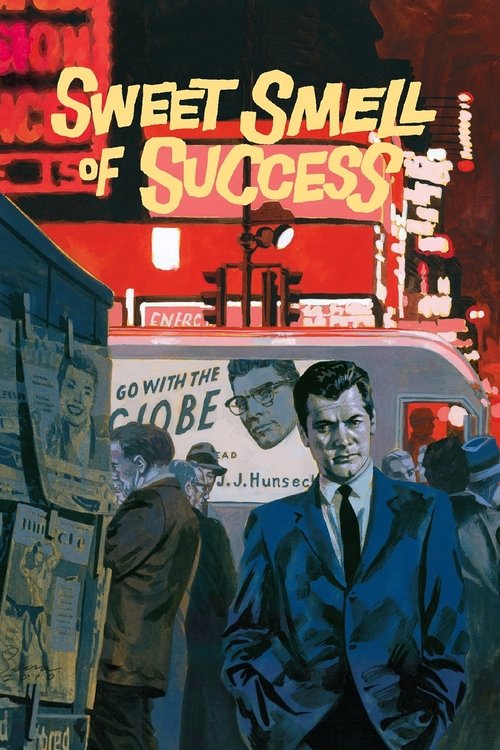
Sweet Smell of Success1957
A sleek, noir-inflected backstage thriller with Burt Lancaster and Tony Curtis. It's cynical and sophisticated, showing how darkness hides behind theatrical glamour. The dialogue crackles.
But It's a serious, bitter film with no lightness or music. The moral rot of its characters can feel oppressive, and there's no one to root for.
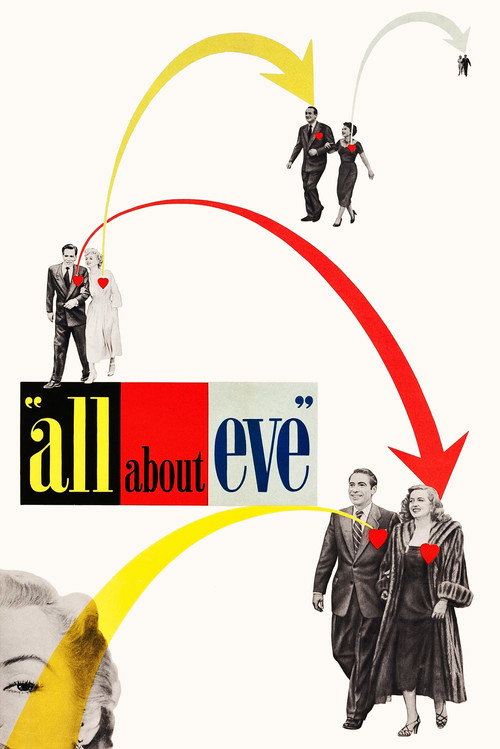
All About Eve1950
The ultimate backstage drama: Bette Davis as an aging actress, Anne Baxter as a manipulative protégée, and George Sanders delivering the wittiest monologue ever filmed. It's about theatre as blood sport.
But It's entirely serious and theatrical in a mannered way. If you want fun or music, look elsewhere. Some find the artifice exhausting.
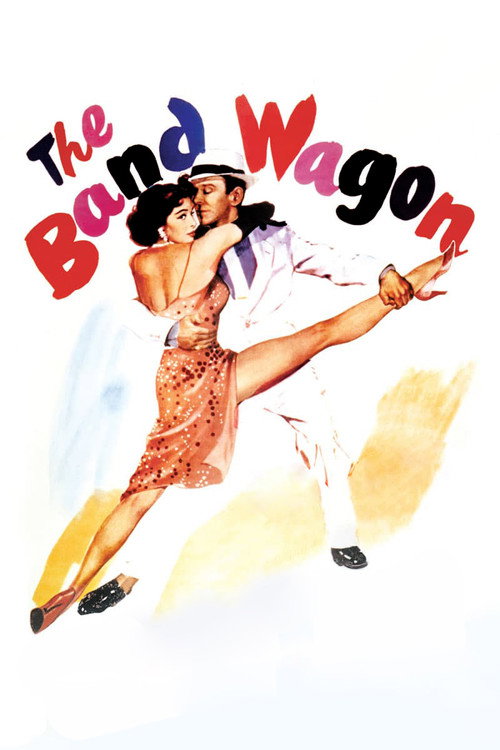
The Band Wagon1953
Fred Astaire and Cyd Charisse in a backstage musical about mounting a Broadway show. Tonally lighter than 42nd Street, visually ravishing, with dance sequences that still astonish. Pure craft meeting pure joy.
But The plot is gossamer-thin and the romance uninspired. If you don't care about dance, long sequences of it will test your patience.
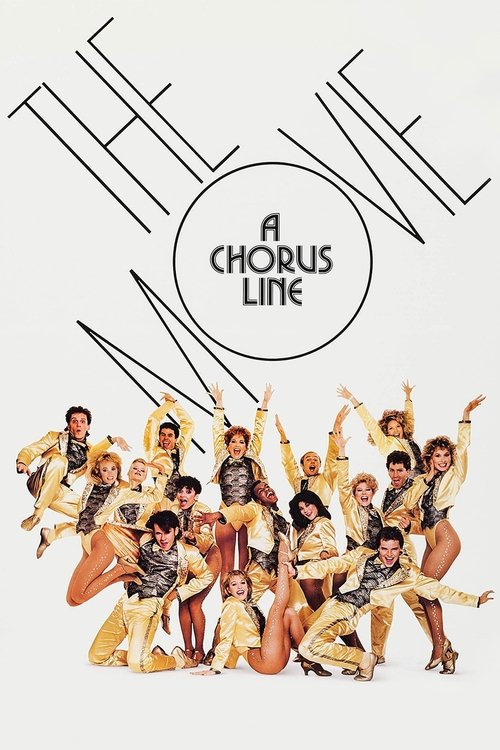
A Chorus Line1985
The filmed version of the legendary musical, built entirely around an audition for a Broadway show. It's an ensemble piece about ambition, failure, and the vulnerability of performers. Emotionally generous and genuinely moving.
But The film adaptation loses some theatrical magic. The dancing is solid but not extraordinary. Newcomers might find the dated synth score off-putting.
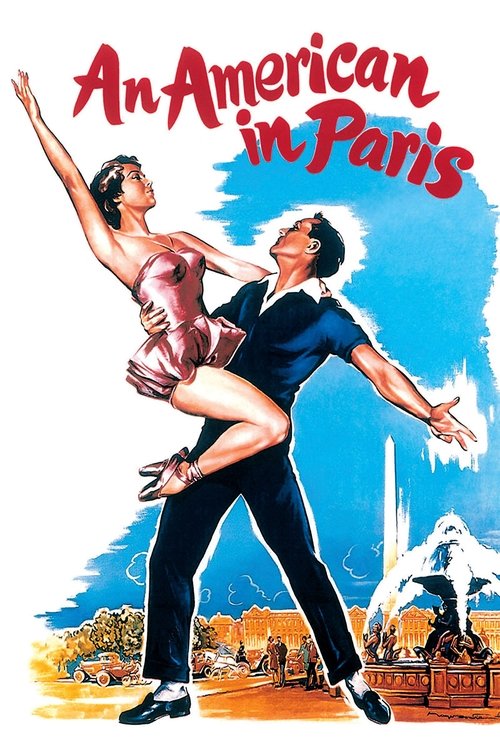
An American in Paris1951
Gene Kelly in Paris, an American dancer trying to find himself through art and love. George Gershwin on the score. A 17-minute ballet finale that feels like cinema itself learning to dance.
But The story is thin and the romance saccharine. The extended ballet, while technically brilliant, can feel self-indulgent if you're not in the right mood.
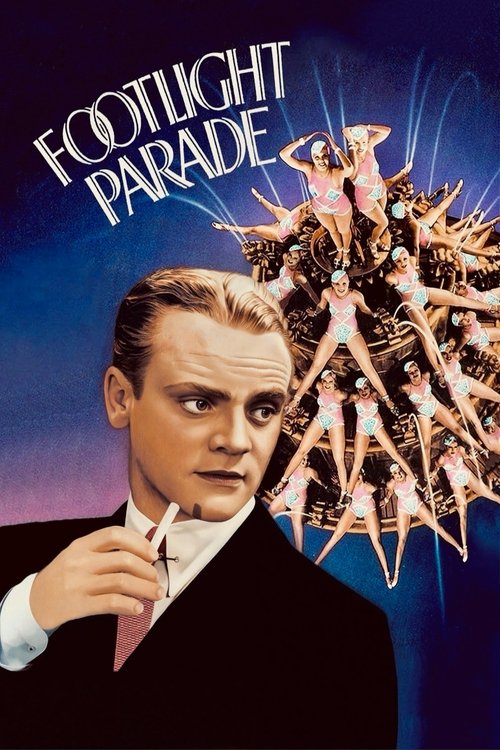
Footlight Parade1933
James Cagney as a wisecracking theatrical producer, pre-dating 42nd Street. It's energetic and strange, with Busby Berkeley choreography that defies logic. A document of pure 1930s invention.
But The pacing is jerky, the plot nonsensical, and some comedy bits land flat. You're watching because it's weird and historical, not because it's polished.
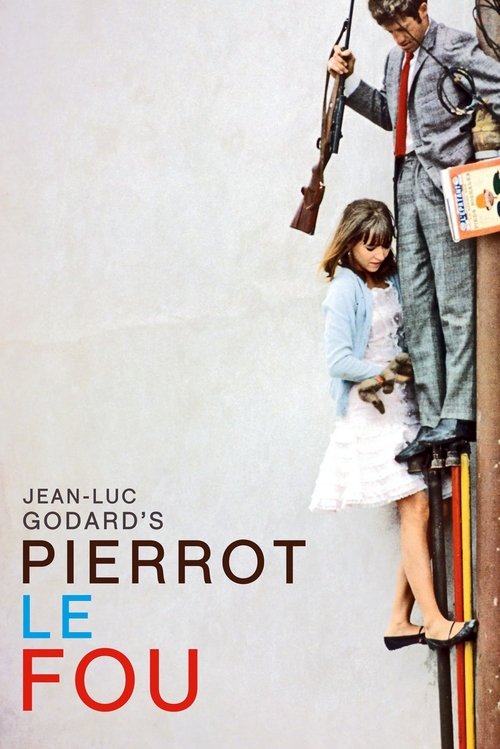
Pierrot le Fou1965
Both use theatrical artifice (music, spectacle, performance) as a frame for violence and transgression, questioning what's real beneath the staging.
Godard's baroque crime-spree film with Jean-Paul Belmondo and Anna Karina. It's jazz, chaos, primary colors, and destructive passion. A modernist's violent reckoning with theater, performance, and the death drive.
But It's deliberately anti-narrative, fragmented, and alienating. If you expect plot clarity or emotional warmth, you'll be frustrated. Very French, very 1960s, very difficult.
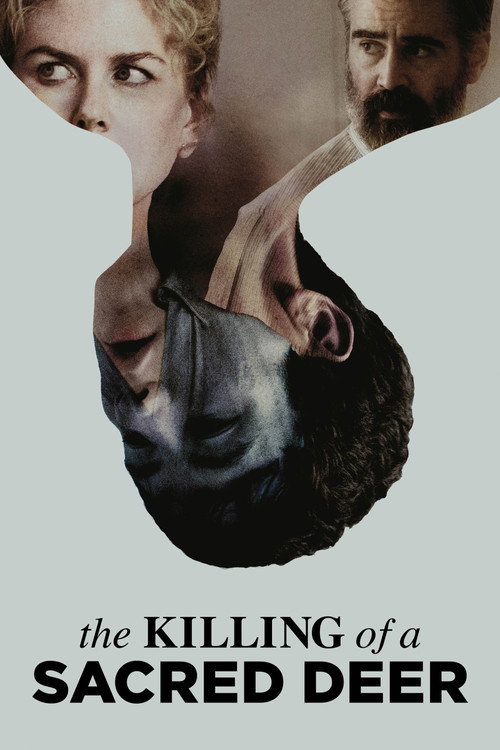
The Killing of a Sacred Deer2017
Like Murder at the Vanities, it wraps a mystery-crime plot in heightened theatrical formality—but inverts the tone entirely, making artifice feel sinister rather than entertaining.
Yorgos Lanthimos's icy, ritualistic thriller about a surgeon and a mysterious boy. It's hypnotic and grotesque, filmed with operatic precision. A modern mystery that uses formality and repetition as terror.
But It's cold, slow, and deliberately artificial in tone. The plot mechanics are absurd and the violence is punishing. Not a comfortable watch.
People
Cast
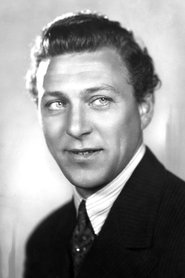 Carl BrissonEric Lander
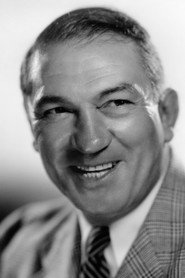 Victor McLaglenBill Murdock
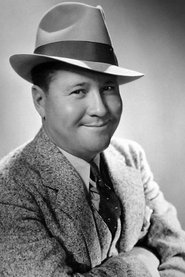 Jack OakieJack Ellery
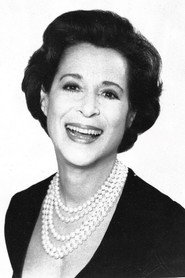 Kitty CarlisleAnn Ware
 Dorothy StickneyNorma Watson
 Gertrude MichaelRita Ross
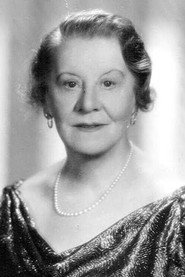 Jessie RalphMrs. Helene Smith
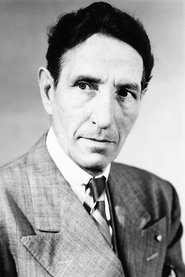 Charles MiddletonHomer Boothby
 Gail PatrickSadie Evans
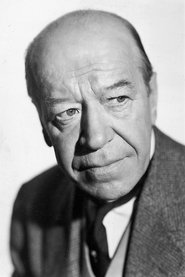 Donald MeekDr. Saunders
 Toby WingNancy
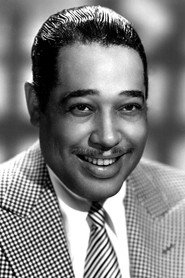 Duke EllingtonDuke Ellington
Directing
- Mitchell LeisenDirector
Writing
- Sam HellmanDialogue
- Carey WilsonScreenplay
- Joseph GollombScreenplay
- Earl CarrollTheatre Play
- Rufus KingTheatre Play
Production
- E. Lloyd SheldonProducer