
Film
The Big Broadcast
- Comedy
- Light-hearted
A 1932 musical comedy where radio station executives fret over their star singer's divided attention between romance and showbiz. Bing Crosby anchors this breezy, tuneful affair that feels like watching a live broadcast: sketches, musical numbers, comic digressions. It's genuinely funny, warmly performed, and moves at the speed of vaudeville. A snapshot of Depression-era entertainment at its most cheerful.
Should you watch it?
Watch it if you enjoy breezy, fast-talking early-sound-era comedy, where the jokes come from characters cutting corners in a radio studio and bursting into song along the way.
Skip it if you need your comedy modern and your plots tight, since the story sags between musical numbers and the creaky 1932 pacing and stagey sound can wear thin quickly.
What it asks of you: Expect a brisk 87 minutes, with the plot kept loose and the songs and gags arriving in quick succession, so you have to keep up rather than settle in.
Not sure? Find tonight's pick in a minute.
If you liked this
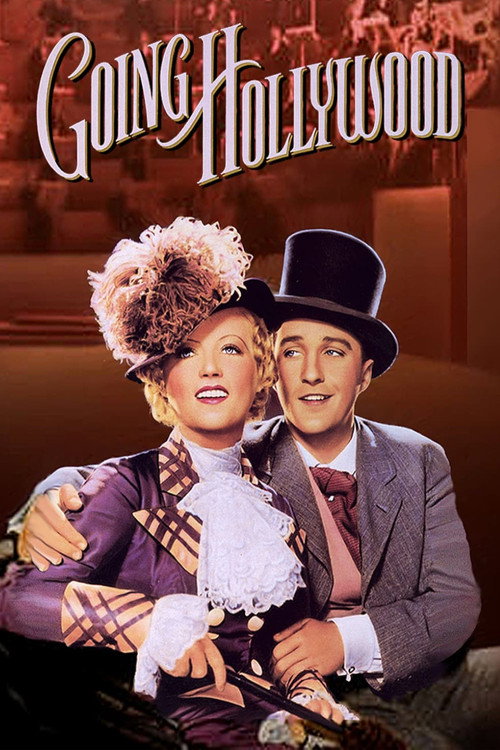
Going Hollywood1933
Marion Davies and Bing Crosby navigate romance and the movie business with infectious charm. A colour musical that captures the same giddy energy and behind-the-scenes chaos as The Big Broadcast.
But The plot is tissue-thin and exists mostly to string together musical numbers. If you need narrative momentum, you'll be frustrated.
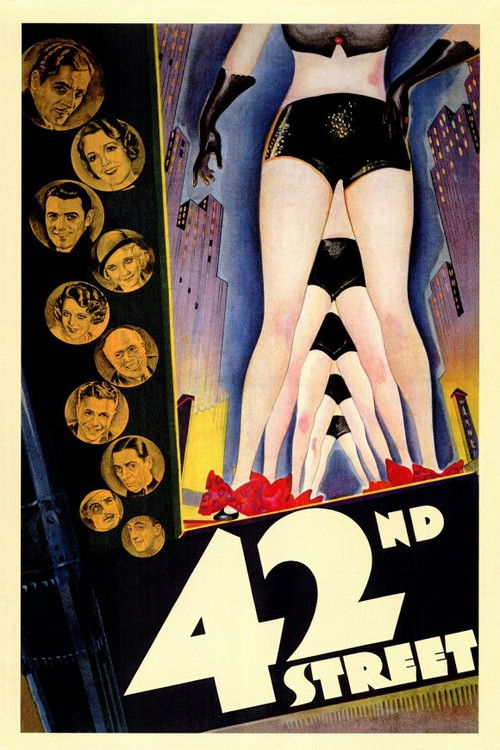
42nd Street1933
Busby Berkeley's backstage musical masterpiece. Tap-dancing, gorgeous choreography, and that familiar tension between art and romance, but with infinitely more spectacle and darker undertones beneath the gloss.
But It's nearly 90 minutes of plot you've seen before, carried entirely on visual invention. The dancing has to grab you or it drags.
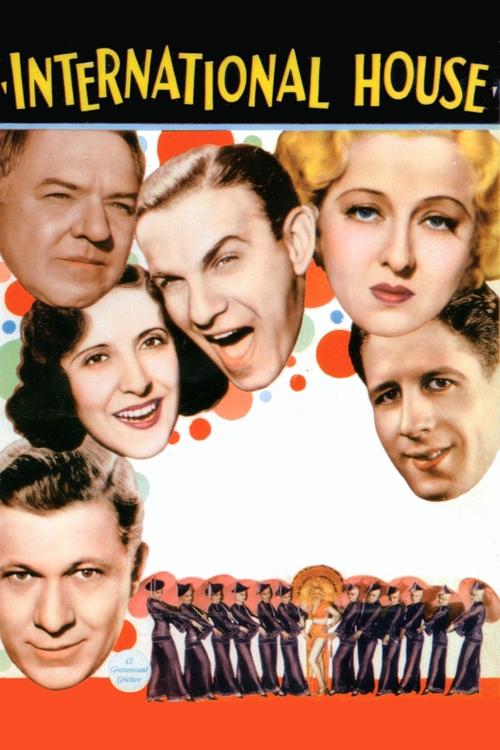
International House1933
W.C. Fields, Burns and Allen, and a hotel full of eccentric guests in another loose, sketch-driven comedy with musical interludes. The same spirit of gleeful chaos and rapid-fire gags.
But The structure is deliberately scattered and some of the humour hasn't aged well. It requires patience with 1930s comedy timing and sensibilities.
Not sure tonight? Get a pick in a minute, starting from The Big Broadcast
The wildcard
Something you would not have found on your own.
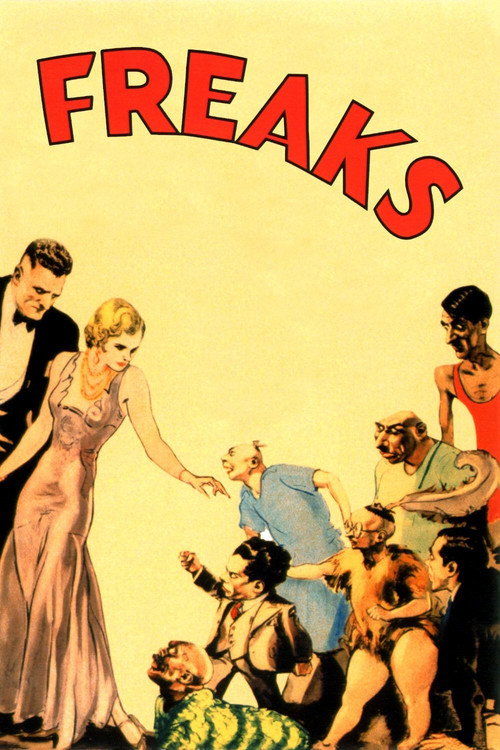
Freaks1932
Both use marginal performers and the world of public spectacle; both treat them with surprising dignity beneath the surface entertainment.
Released the same year, another film that uses carnival/sideshow performers as its main cast. Tod Browning's film is genuinely unsettling where The Big Broadcast is cheerful, but both celebrate performance and spectacle while finding humanity in those on the margins of respectability.
But It's disturbing and exploitation-adjacent; some of its human interest now feels uncomfortable. It requires a strong stomach and willingness to sit with genuine discomfort.
More like this (7)
Singin' in the Rain1952
The blueprint for everything that works best about backstage musicals: great songs, genuine romance, and Gene Kelly and Donald O'Connor's effortless charm. Proof the formula could be perfected.
But It's a masterpiece, which means it's also inevitable if you love this era. You'll probably have seen it already.

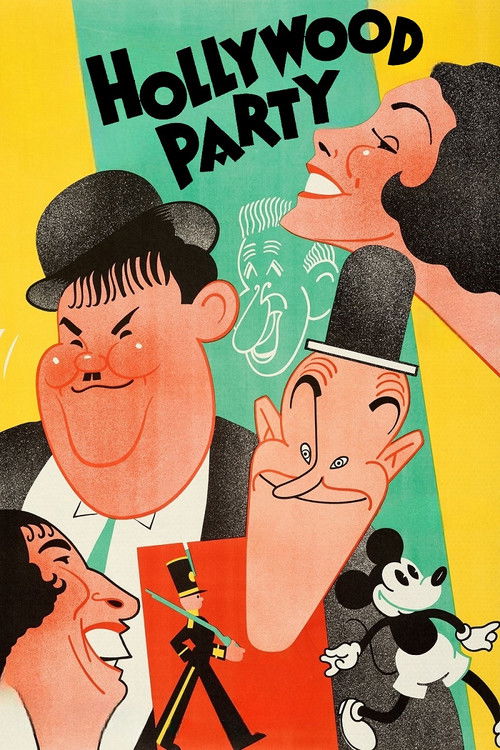
Hollywood Party1934
Jimmy Durante hosts a madcap party attended by Laurel and Hardy, Lupe Vélez, and various celebrities playing themselves. Same DNA as The Big Broadcast but even more anarchic and star-studded.
But The narrative is basically nonexistent and the celebrity cameos can feel more like a parade than a story. It requires affection for pure comic shenanigans.
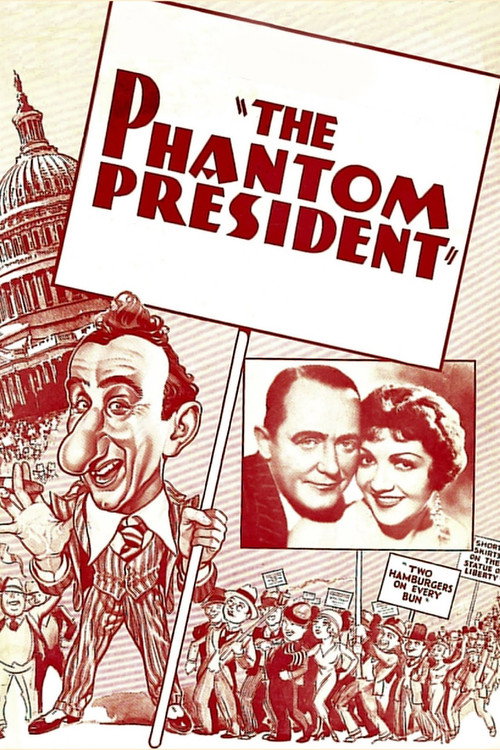
The Phantom President1932
George M. Cohan's only musical film, a political satire with songs by Rodgers and Hart. Another backstage-adjacent comedy-musical about spectacle and performance from the same moment as The Big Broadcast.
But It's a curious artifact that predates many refinements to the musical form. The pacing can feel uncertain and some bits clatter.
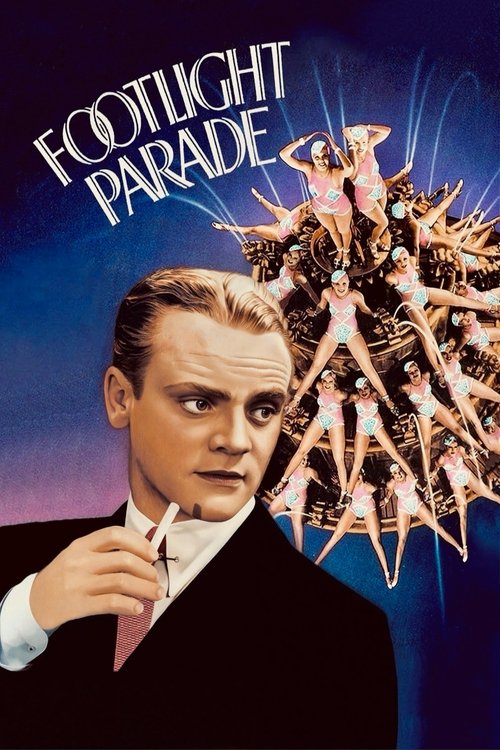
Footlight Parade1933
James Cagney produces stage shows in this backstage romp with Berkeley's most audacious choreography. The energy is relentless and the dance finale is genuinely stunning.
But It's a long film with an old-fashioned plot. If you're not invested in the central romance or the spectacle, it overstays its welcome.
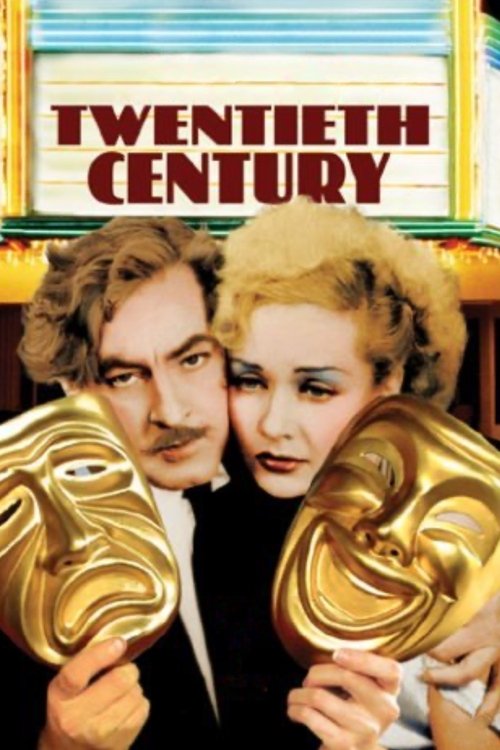
Twentieth Century1934
John Barrymore and Carole Lombard in a theatrical comedy about ego, manipulation, and show business. Sharp and cynical in a way that gives texture to the period's general optimism.
But It's a stage-bound comedy of verbal wit rather than visual gag. If you prefer physical comedy or spectacle, it might feel thin.
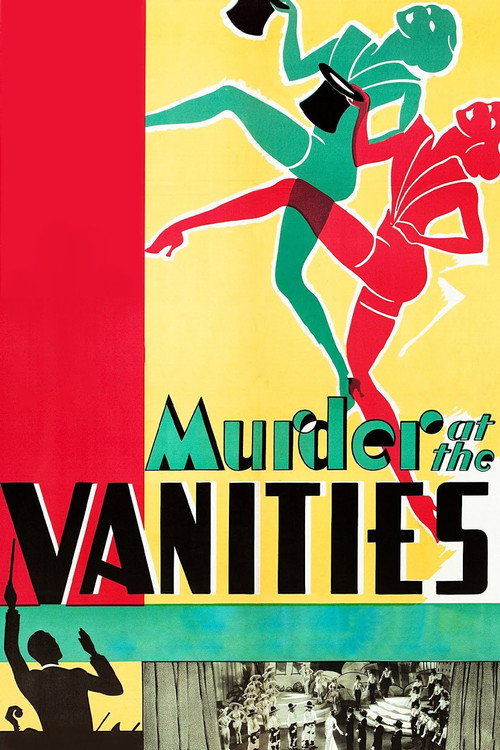
Murder at the Vanities1934
A backstage murder mystery threaded through a Broadway revue, with songs, dance, and genuine suspense. It's trying to do something more ambitious than pure entertainment.
But The mystery is fairly routine and the tone wobbles between comedy and drama. Some will find it tonally scattered; others will love the ambition.
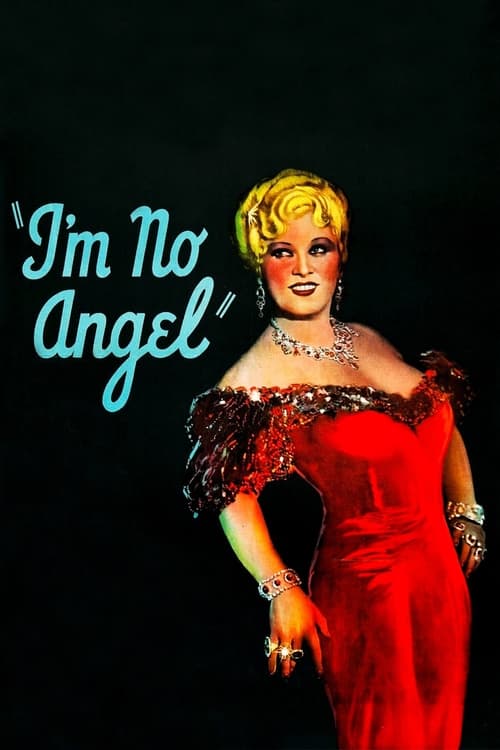
I'm No Angel1933
Both are 1932-33 comedies about performance, showbiz, and charisma, but West inverts the premise—she's the performer who uses the system rather than being used by it.
Mae West as a circus performer and con artist, bristling with sexual confidence and witty self-awareness. Where The Big Broadcast is about radio and romance played mostly straight, this is about performance as pure weaponized charm and the woman who refuses to apologize for using it.
But Mae West's entire appeal rests on sexual innuendo and a specific style of delivery that can feel arch or dated. If that registers as campy rather than brilliant, it won't work.
People
Cast
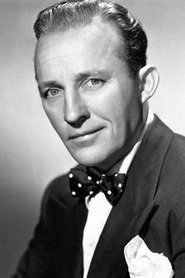 Bing CrosbyBing Hornsby
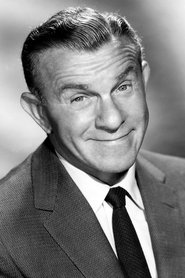 George BurnsGeorge
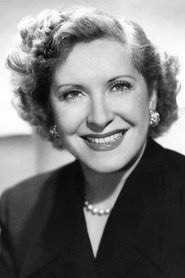 Gracie AllenGracie
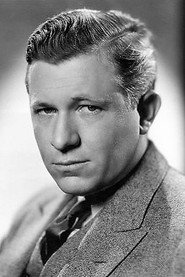 Stuart ErwinLeslie McWhinney
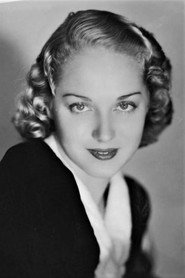 Leila HyamsAnita Rogers
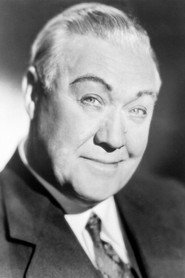 George BarbierClapsaddle
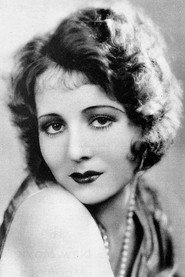 Sharon LynnMona Lowe
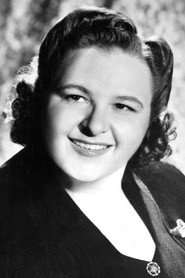 Kate SmithKate Smith
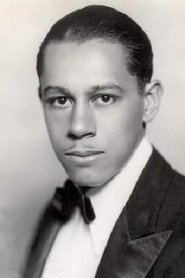 Cab CallowayCab Calloway
- Ralph RobertsonAnnouncer
- Alex MeleshAnimal Man
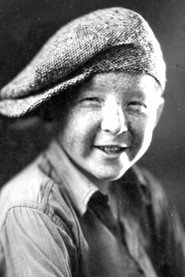 Spec O'DonnellOffice Boy
Directing
- Frank TuttleDirector
Writing
- George Marion Jr.Screenplay
- William Ford ManleyTheatre Play
Production
- Benjamin GlazerAssociate Producer