
Film
Hollywood Party
- Comedy
- Light-hearted
A 1934 comedy romp where Jimmy Durante's fading jungle-film star throws a lavish Hollywood party to impress Baron Munchausen and his real lions, hoping to steal them for his comeback picture. It's a chaotic, music-filled sketch of early sound comedy—loose, silly, and stuffed with vaudeville stars doing their thing. For anyone curious about pre-Code Hollywood absurdism or silent-era comedians learning to talk.
If you liked this
It's a Gift1934
W.C. Fields at his misanthropic peak, playing an ordinary man whose life becomes a series of escalating humiliations. It's improvised-feeling comedy where chaos feels genuinely dangerous and funny, not manufactured.
But Fields is cruel and the film moves slowly by modern standards. His comedy is reactive rather than bright—he's often just trying to survive the day.
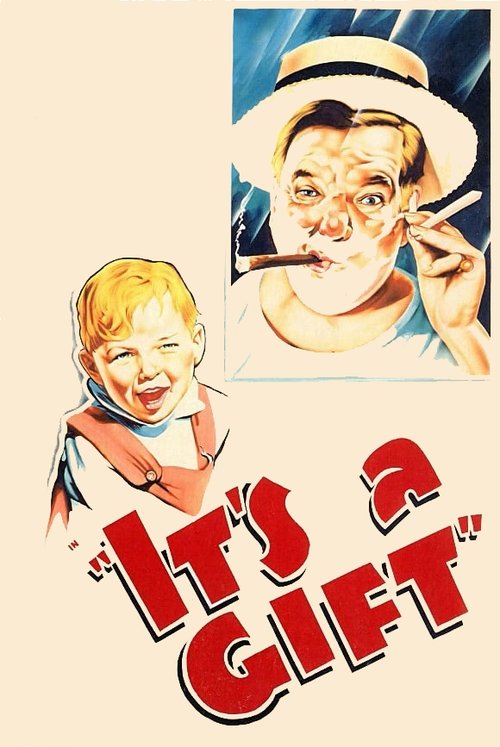
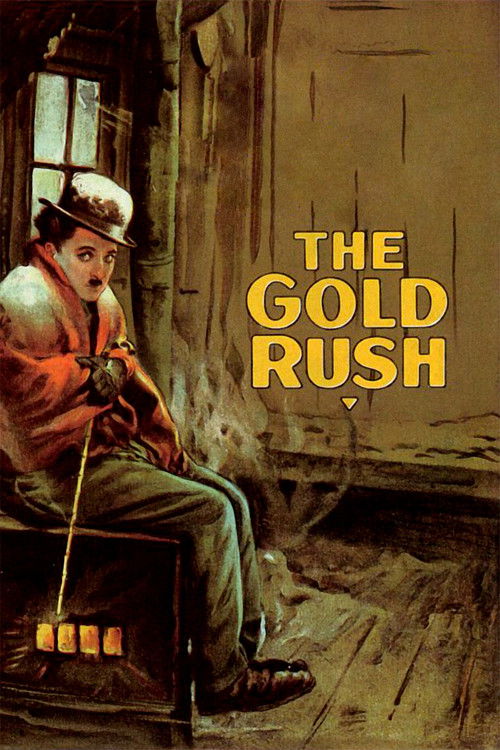
The Gold Rush1925
Chaplin's masterpiece of physical comedy and pathos. A starving prospector navigates disaster with ingenuity and grace. The emotional stakes make the slapstick land harder; you're rooting for him genuinely.
But Silent, so dialogue-free pacing will feel unfamiliar. The sentiment in the ending is laid on thick—not everyone wants their comedy stirred with melancholy.
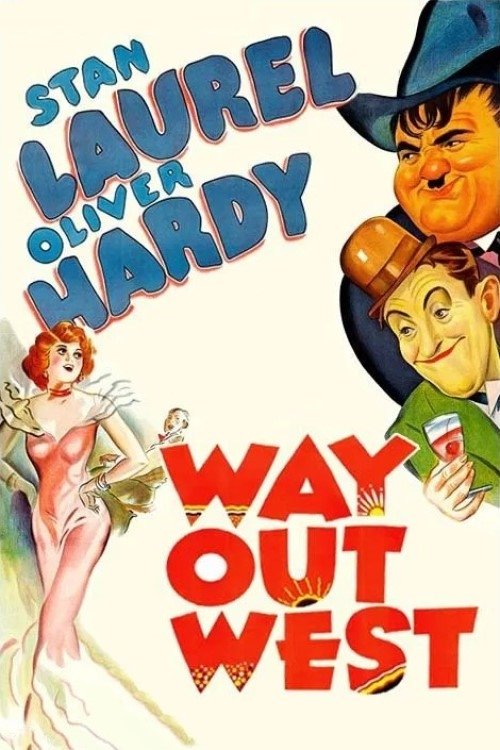
Way Out West1937
Laurel and Hardy at their creative peak, playing con men in a Western setting. The timing is immaculate and they're visibly enjoying themselves. Pure visual comedy, almost no plot—just two men finding absurdity in every situation.
But If you need plot momentum or character development, this will feel like watching people mess around for an hour. That's the point, but it's not everyone's evening.
Not sure tonight? Get a pick in a minute, starting from Hollywood Party
The wildcard
Something you would not have found on your own.
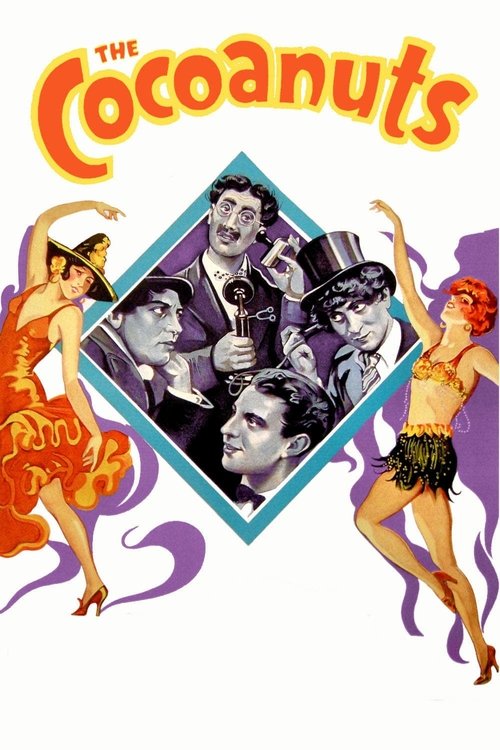
The Cocoanuts1929
Both are early sound films where vaudeville stars are learning to translate stage comedy to cinema in real time. The energy is raw and the form hasn't yet solidified. You're watching comedians invent the grammar as they go.
The Marx Brothers' film debut, capturing them as they were on stage—unpolished, anarchic, barely contained. It's looser and more aggressive than their later, more famous work. You see them figuring out cinema.
But The technical quality is rough and the pacing is stagey. It feels like a recorded play rather than a film, which it essentially is.
More like this (8)
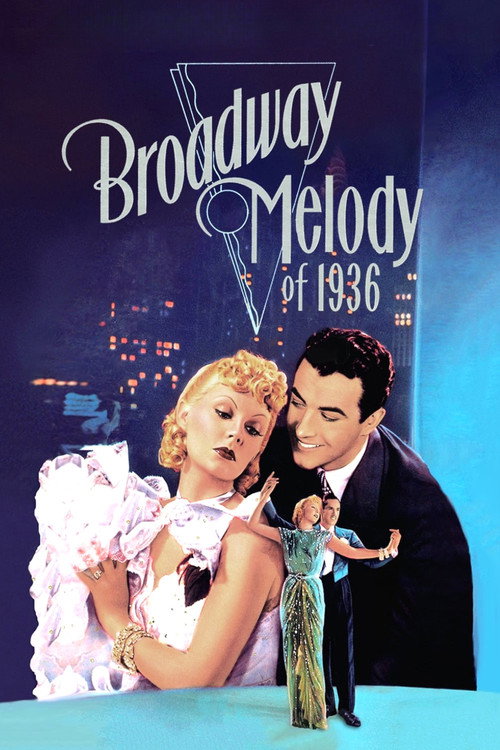
Broadway Melody of 19361935
Glossy MGM musical with Eleanor Powell's astonishing tap dancing, comedic relief, and Sinatra at the start of his career. It captures that peculiar 1930s energy where comedy and production numbers were woven together casually.
But The plot is thin and the racial attitudes are of their time. The comedy bits feel like interruptions to the musical numbers if you're not charmed by the era's rhythms.
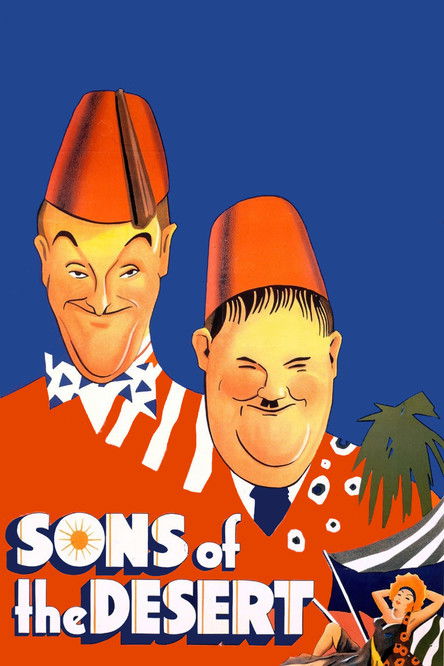
Sons of the Desert1933
Laurel and Hardy's best-structured film—their fraternity convention trip accidentally becomes a perfect trap of their own making. The comic logic is airtight and the emotional core about male friendship surprisingly genuine.
But Slapstick only works if you're willing to meet it on its own terms. One pratfall too many and the spell breaks; one too few and it feels quaint.
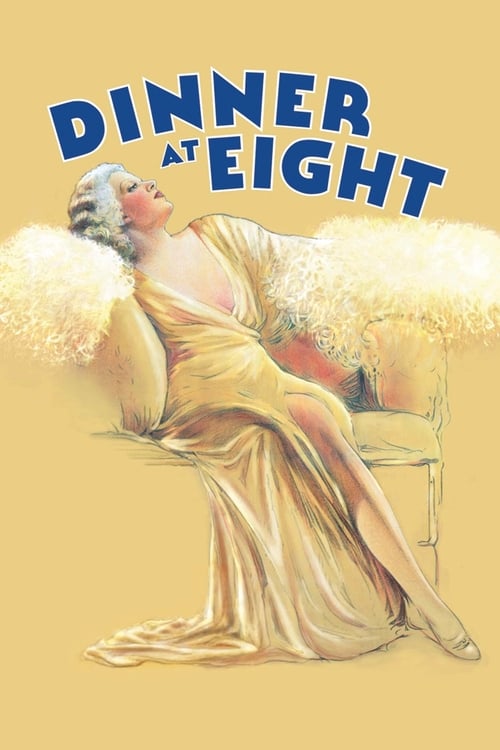
Dinner at Eight1933
An ensemble ensemble piece: Marie Dressler, Wallace Beery, Jean Harlow, and others in a pre-Code scramble where everyone's secrets emerge before a dinner party. Sharper and more cynical than you'd expect from 1933.
But Seventeen characters means none get deep development. The tone shifts between melodrama, farce, and character study; it never fully commits to one register.
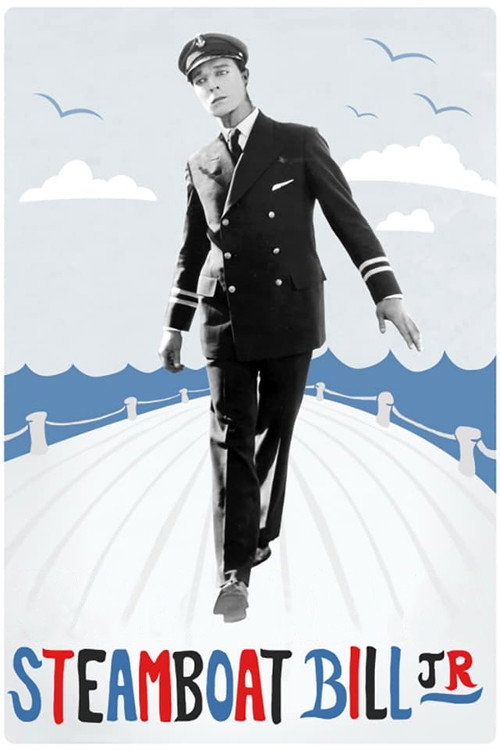
Steamboat Bill, Jr.1928
Buster Keaton's deadpan elegance in a comedy about a pampered city boy meeting his riverboat-captain father. The flood sequence is genuinely imaginative stunt work; Keaton's face never moves while chaos erupts around him.
But Silent, so you're reading pacing and expression rather than dialogue. Some of the setups are slow; the payoff doesn't always match the setup time.
The Phantom Carriage1921
Swedish silent film where a drunk cab driver sees a ghost carriage collecting the dying on New Year's Eve. Genuinely eerie and moving, using trick photography that still holds up. Comedy and dread in the same frame.
But It's serious underneath the fantastical premise, which might feel tonal whiplash if you expect pure comedy. The melodrama is thick.

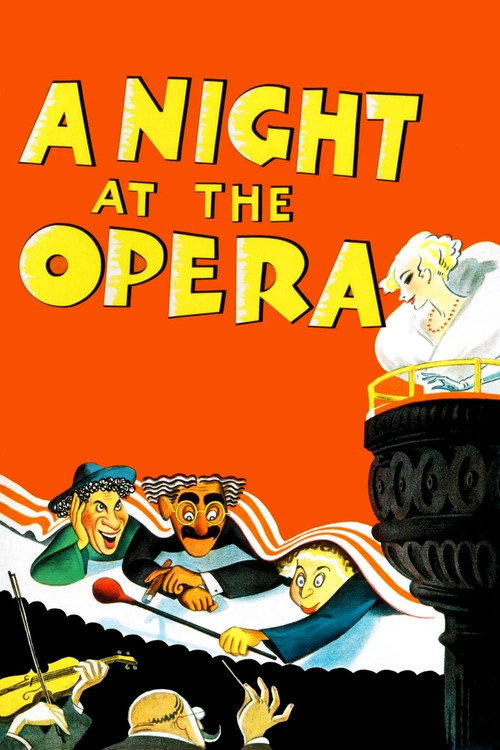
A Night at the Opera1935
The Marx Brothers' most accessible film, with Groucho, Chico, and Harpo undermining an entire opera production. Controlled chaos with actual narrative structure. Groucho's verbal riffs are endlessly quotable.
But If you find rapid-fire wordplay exhausting rather than exhilarating, three hours of it will wear you down. The opera sequences slow momentum.
Singin' in the Rain1952
Both are films *about* Hollywood at a moment of profound technological and creative panic. One is chaotic and half-improvised; the other is carefully constructed. Together they show two responses to the same crisis—and which one endured.
Gene Kelly and Donald O'Connor in an MGM musical about the transition from silent to sound films. It's partly a comedy about actors panicking over talking, partly a love story, partly pure choreography. Exquisitely made and joyful.
But It's a high-polish studio product, the opposite of *Hollywood Party*'s chaos. If you want earnest craft instead of desperate scrambling, this is the grown-up version.

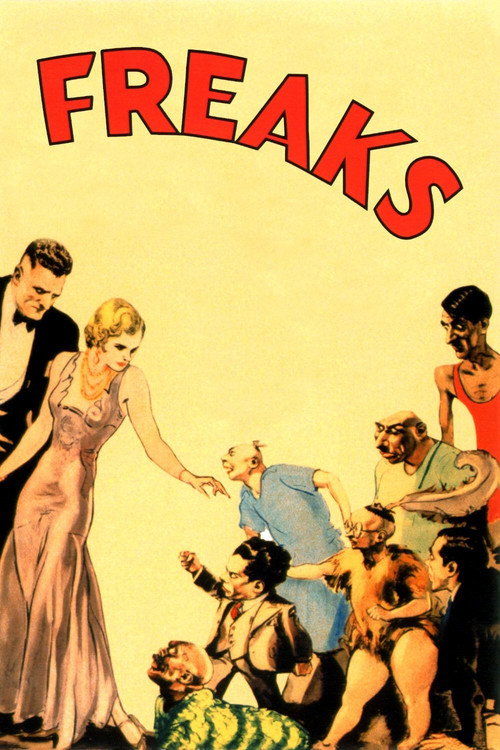
Freaks1932
Both are 1932–34 films made by people testing the boundaries of what sound cinema could do, but *Freaks* went places the studios immediately shut down. Where *Hollywood Party* is affable chaos, *Freaks* is the dark side of the same impulse to show everything and shock no one.
Tod Browning's genuinely unsettling film about circus performers. It has moments of slapstick and comedy, but the tone is wrong—strange, sad, and occasionally creepy. Absolutely nothing like anything else from 1932.
But It's exploitation, even if sympathetic exploitation. The 'freaks' are real people with real conditions, and the film uses that. Some will find it unwatchable for that reason alone. It's also genuinely disturbing.
People
Cast
 Stan LaurelStan
 Oliver HardyOllie
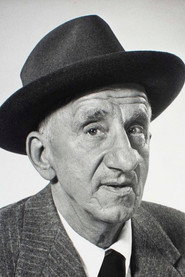 Jimmy DuranteJimmy Durante
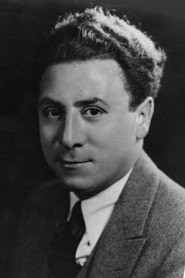 Jack PearlBaron Munchausen
 Polly MoranHenrietta Clemp
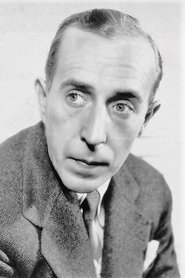 Charles ButterworthHarvey Clemp
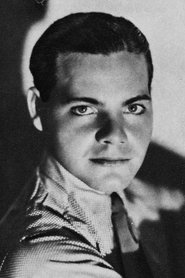 Eddie QuillanBob Benson
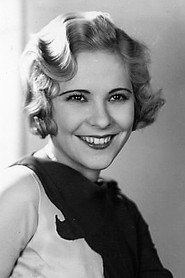 June ClydeLinda Clemp
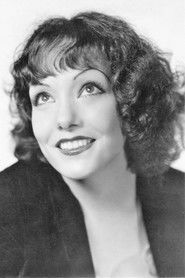 Lupe VélezLupe Vélez
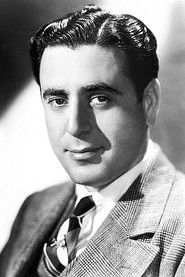 George GivotGrand Royal Duke Liondora
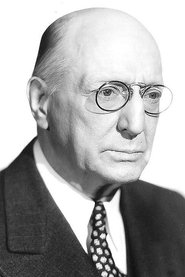 Richard CarleKnapp
- Marta DeVeauxShow Girl (uncredited)
Directing
- Allan DwanDirector
- Charles ReisnerDirector
- Edmund GouldingDirector
- George StevensDirector
- Richard BoleslawskiDirector
- Roy RowlandDirector
- Russell MackDirector
- Sam WoodDirector
Writing
- Arthur FreedLyricist
- Gus KahnLyricist
- Lorenz HartLyricist
- Nacio Herb BrownLyricist
- Richard RodgersLyricist
- Walter DonaldsonLyricist
- Arthur KoberScreenplay
- Howard DietzScreenplay