
Film
Broadway Melody of 1936
- Backstage musical
- Light-hearted
A musical comedy from the height of the Hollywood studio system, where two women scheme to get a Broadway producer's attention through talent and cunning. Built on charm, elaborate dance numbers, and the kind of rapid-fire wisecracks that defined 1930s comedy. For anyone who loves the mechanical perfection of Golden Age musicals and doesn't mind plot taking a backseat to spectacle.
If you liked this
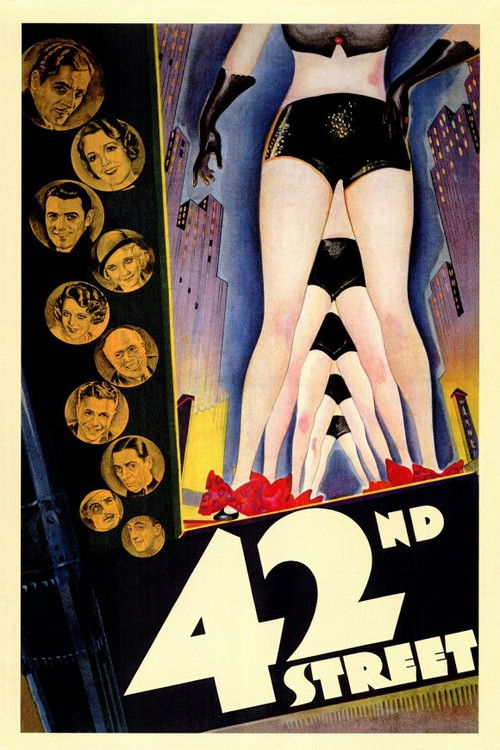
42nd Street1933
The template for backstage musicals: a show within the show, a desperate producer, dancing that rewrites what the camera can do. Busby Berkeley's geometric precision makes every number a small miracle.
But The plot is paper-thin and the gender politics are dated even by 1933 standards. If you need story substance, keep walking.
Singin' in the Rain1952
Every element that made Broadway Melody work—the music, the dancing, the romantic scramble—perfected and deepened by a decade of refinement. Gene Kelly and Donald O'Connor transform the formula into something timeless.
But It's been elevated to 'perfect film' status, which makes it intimidating. The weight of its reputation can feel like homework.

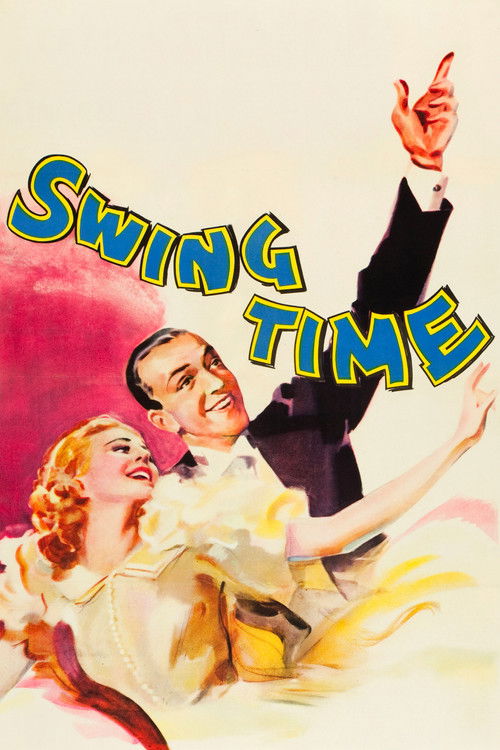
Swing Time1936
Fred Astaire and Ginger Rogers at their absolute peak, dancing through a backstage romantic tangle with effortless grace. The dancing is the story, and every step is conversational genius.
But It's ninety-five minutes of very familiar pleasures. If you're looking for surprise or novelty, this is the opposite of that.
Not sure tonight? Get a pick in a minute, starting from Broadway Melody of 1936
The wildcard
Something you would not have found on your own.
The Red Shoes1948
Both are about the machinery of theatrical ambition, but where Broadway Melody is all surface charm, this one goes for the jugular. Same question asked two completely different ways: what is it worth to be a star?
A ballet dancer caught between art and love, between creation and connection, in a film that uses the language of dance to tell a story about impossible choices. Technically visionary, emotionally devastating. The dancing is the plot in ways Broadway Melody only dreamed of.
But It's European and mannered and the colour cinematography is so dominant it can feel airless. The ending is bleak in ways that will sit with you uncomfortably.

More like this (8)
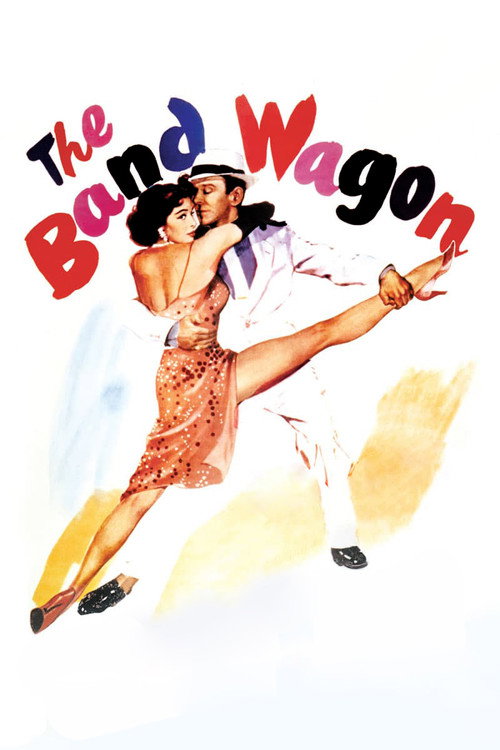
The Band Wagon1953
Fred Astaire again, but older and wearier, playing a faded vaudeville star trying to mount a Broadway show. It has the muscle of the genre and genuine melancholy about aging out of the spotlight.
But The meta-theatrical plot can feel hermetic and self-involved. It's very much a film about theatre people for theatre people.
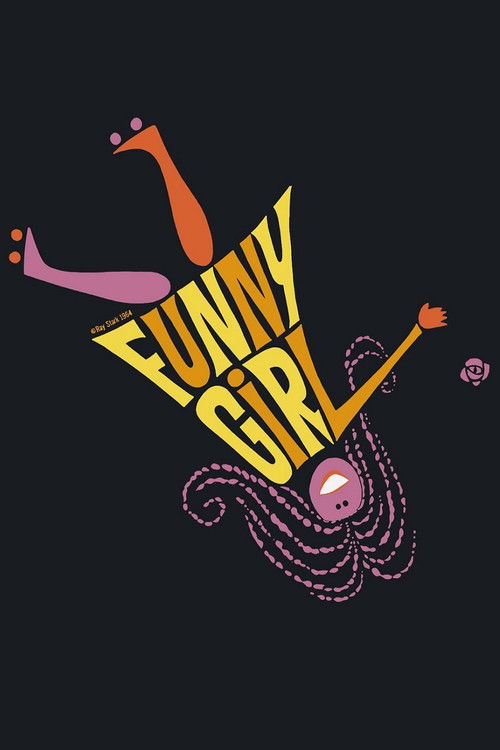
Funny Girl1968
Barbra Streisand as Fanny Brice, wanting to be a star badly enough to wreck her own life for it. The musical numbers are grand and the dramatic backbone is real heartbreak underneath the razzle-dazzle.
But Streisand's performance is so commanding it can overwhelm the film. Some find her dominating presence exhausting rather than magnetic.
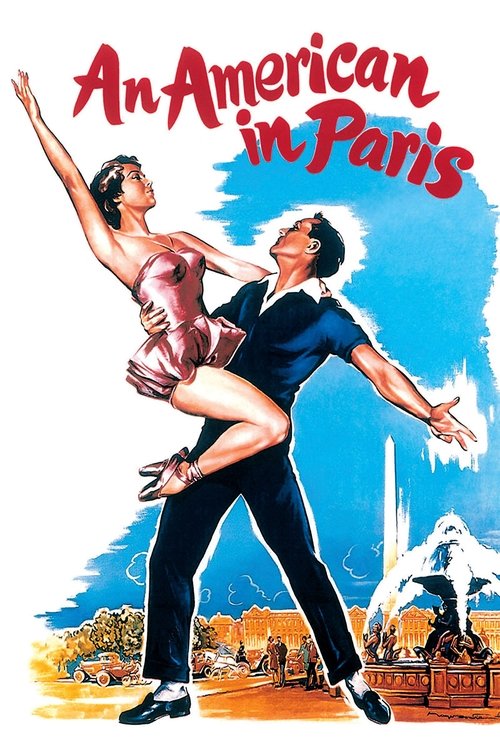
An American in Paris1951
Gene Kelly in post-war Paris, falling in love and dancing through set pieces that feel like visiting a series of paintings. Gershwin's score and the sheer visual invention make it soar.
But The romantic plot is generic and the climactic ballet goes on long enough to test patience. The spectacle can feel like it's replacing narrative.
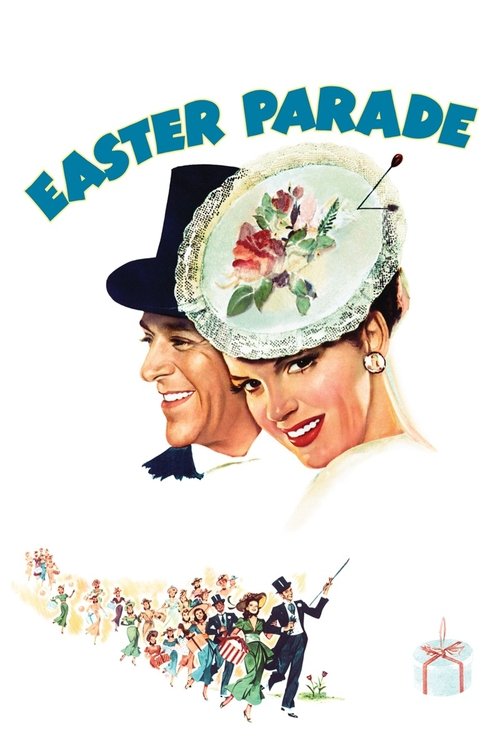
Easter Parade1948
Fred Astaire and Judy Garland, two heavyweight dancers and singers, finding their way through a Depression-era love story with real chemistry and style. The songs are Cole Porter at his finest.
But It's leisurely paced by modern standards, almost sleepy between the numbers. The plot really is just a clothesline for the musical moments.
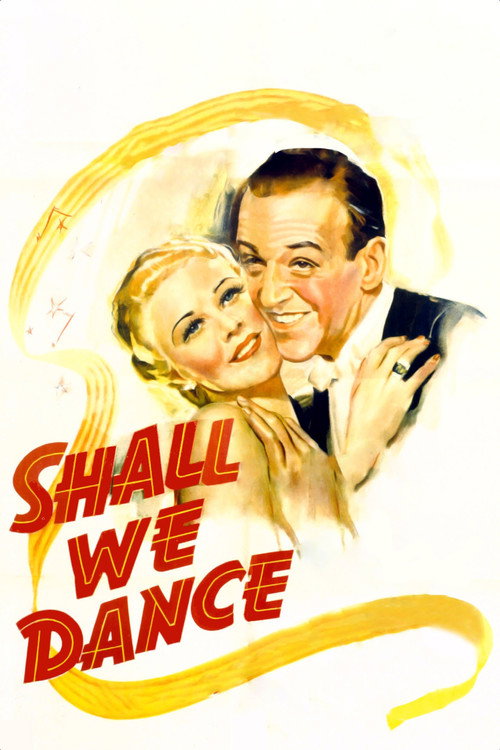
Shall We Dance1937
Fred and Ginger one more time, this time with Astaire playing a classical ballet dancer learning to embrace jazz and popular dance. It's their most playful collaboration and the most fun.
But The premise—that ballet dancers have to learn fun—feels a little snobbish by now, and the gender dynamics are pretty creaky.
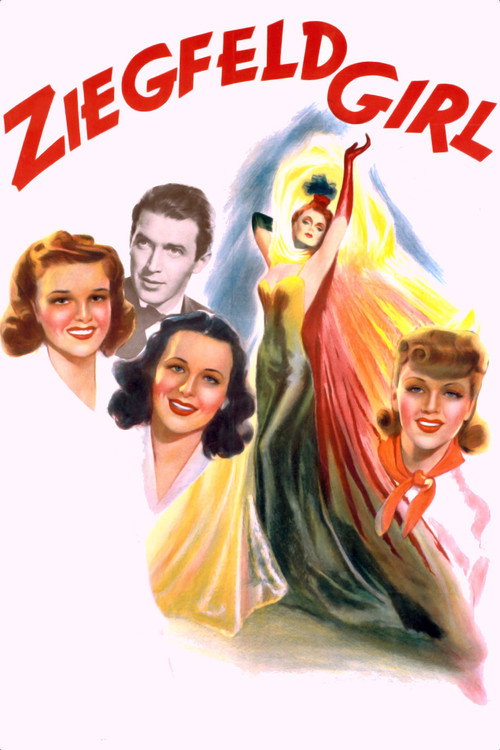
Ziegfeld Girl1941
Three different women, three different paths through the Ziegfeld Follies. It's an ensemble piece about ambition and the cost of stardom, with Lana Turner, Judy Garland, and Hedy Lamarr. Busby Berkeley choreography included.
But The episodic structure means no character gets enough room to breathe. It plays like a series of highlights rather than a coherent film.
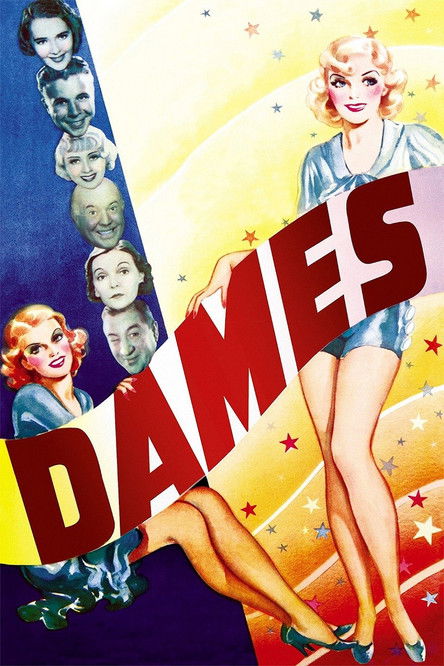
Dames1934
Both films ask the camera to do what it shouldn't be able to do. But where Broadway Melody uses spectacle to entertain, Dames uses it to transform. The scale of ambition is similar; the temperature is completely different.
Dick Powell and Ruby Keeler in a Depression-era musical where the plot is almost incidental to Berkeley's increasingly surreal dance sequences. The final number—a kaleidoscope of women's faces that feels like it shouldn't exist—will rewire your brain.
But Berkeley's vision can feel alienating rather than joyful. The women are more often geometric abstractions than people, which reads as cold to modern eyes.
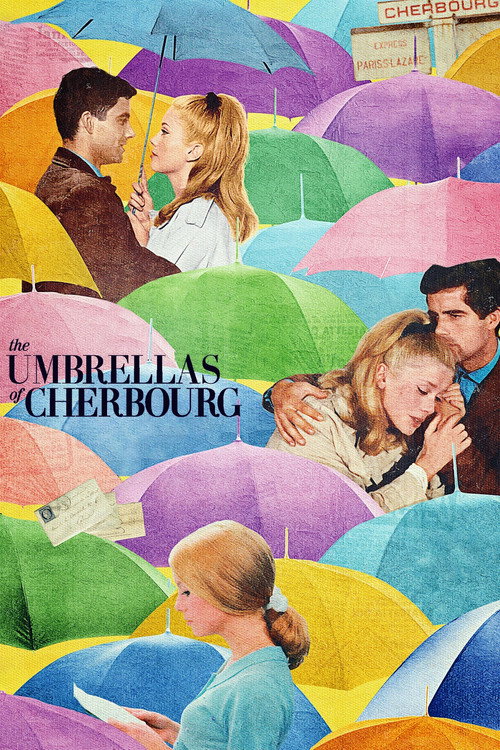
The Umbrellas of Cherbourg1964
Both are musicals that trust the form to carry you through a paper-thin premise. But this one abandons narrative momentum entirely in favour of atmosphere. Where Broadway Melody is all velocity, this is all stillness. Same commitment to letting songs and dancing do the heavy lifting—completely opposite execution.
A French musical in Technicolor so vivid it looks hand-painted, about two young people in love in a provincial town. Essentially plotless—just mood and colour and Michel Legrand's achingly beautiful score. The opposite of American theatre energy but made from the same emotional alphabet.
But It's achingly slow and sentimental in a way that can feel precious or self-indulgent. The plot twist at the end will feel arbitrary if you're not ready for it.
People
Cast
 Jack BennyBert Keeler
 Eleanor PowellIrene Foster
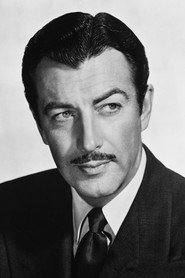 Robert TaylorRobert Gordon
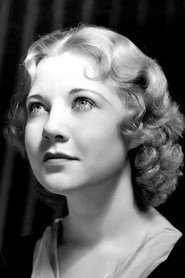 Una MerkelKitty Corbett
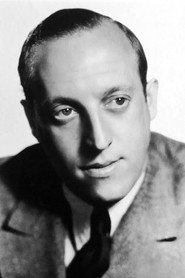 Sid SilversSnoop
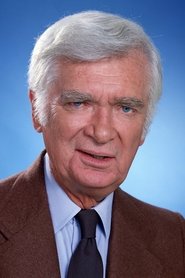 Buddy EbsenTed
 June KnightLillian Brent
 Vilma EbsenSally
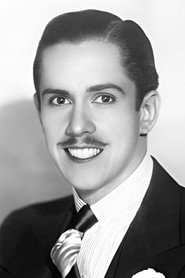 Nick Long Jr.Basil
- Robert WildhackThe Snorer
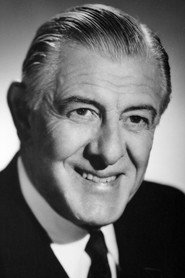 Paul HarveyManaging Editor
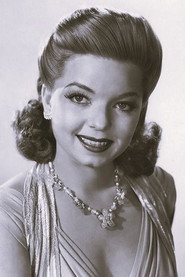 Frances LangfordFrances Langford
Directing
- W.S. Van DykeCo-Director
- Roy Del RuthDirector
Writing
- Arthur FreedLyricist
- Jack McGowanScreenplay
- Sid SilversScreenplay
- Moss HartStory
Production
- John W. Considine Jr.Producer
- Alex AaronsProduction Assistant
Recommended by
The Hollywood Revue of 1929, Here Comes the Band, Girl Crazy, Hollywood Party, Metropolitan, Viennese Nights