
Film
Dames
- Backstage musical
- Light-hearted
A 1934 musical comedy about a reformer's daughter who lands the lead in a Broadway show, much to her father's horror. It's a breezy, charming vehicle for its stars, packed with elaborate dance numbers, snappy dialogue, and the kind of wholesome romantic complications that made early musicals so appealing. For anyone who loves the energy and optimism of Depression-era entertainment.
Should you watch it?
Watch it if you love backstage musicals where the wisecracks fly faster than the chorus line, and a 1930s Busby Berkeley spectacle is the main attraction rather than the plot.
Skip it if you want modern pacing or a tight, believable story, since the romance and the morals plot creak, and the comedy leans on broad, old-fashioned mugging.
What it asks of you: Ninety-one minutes of quick patter and song numbers, with a plot you can follow half-distracted, and a willingness to accept 1934 slapstick and strained innocence.
Not sure? Find tonight's pick in a minute.
If you liked this
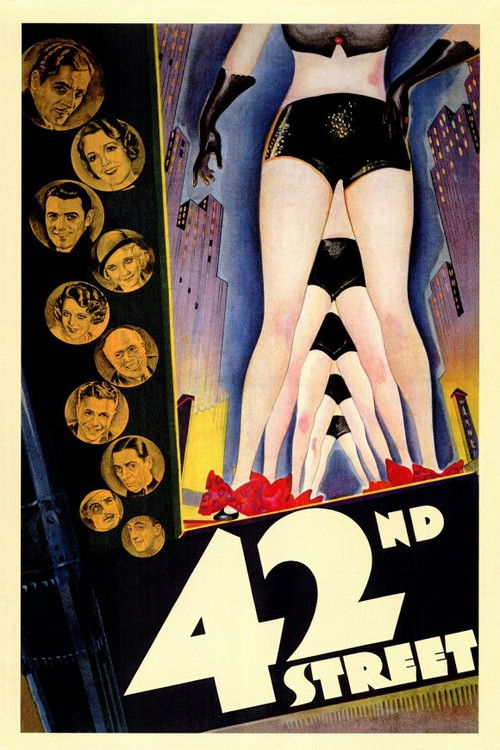
42nd Street1933
The definitive backstage musical that set the template: ambitious chorus girls, a big show opening, and those jaw-dropping Busby Berkeley production numbers that seem to defy physics and good taste in equal measure.
But The plot is thin and the pacing occasionally drags between musical numbers. Some of the comedy relies on now-dated attitudes.
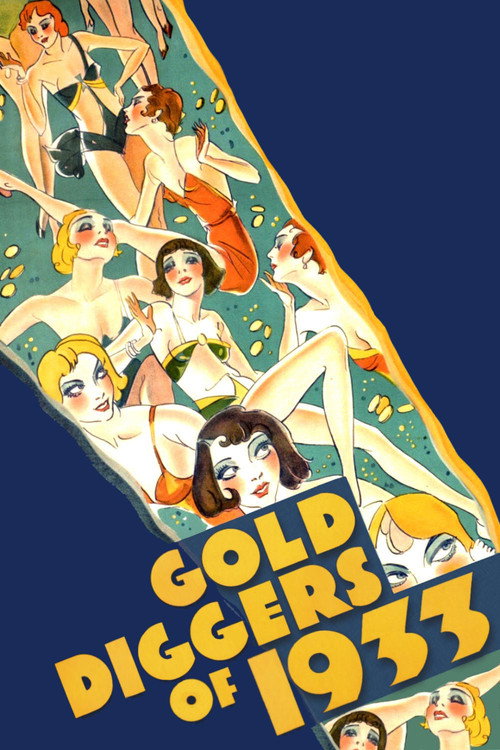
Gold Diggers of 19331933
Same era, same energy, with Joan Blondell returning to the screen alongside Dick Powell. It's got humor, romance, and Berkeley choreography that's genuinely astonishing—all wrapped around a Depression-era story that still feels human.
But The tone shifts can feel jarring: from sharp comedy to sentimental drama to spectacle. Some numbers go on longer than the story can support.
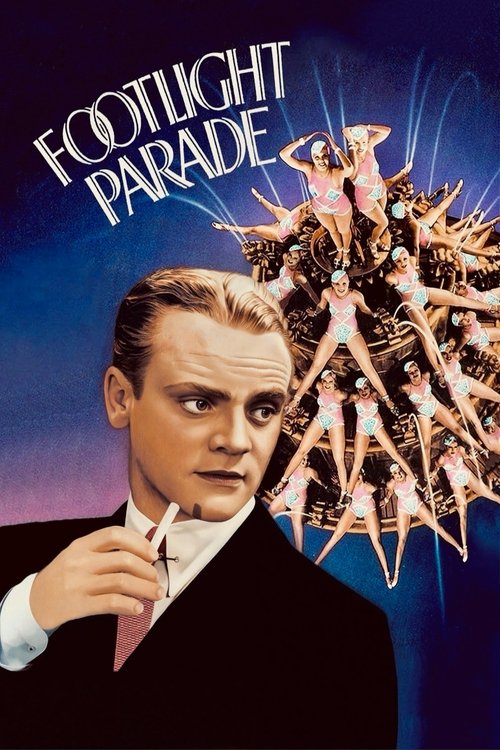
Footlight Parade1933
James Cagney in a musical, which is already thrilling. Another backstage romp with Busby Berkeley's most inventive choreography, genuine laughs, and the kind of can-do energy that makes you believe in show business magic.
But Nearly three hours long, and the plot is basically an excuse to string together set pieces. Cagney's dancing is spirited rather than polished.
Not sure tonight? Get a pick in a minute, starting from Dames
The wildcard
Something you would not have found on your own.
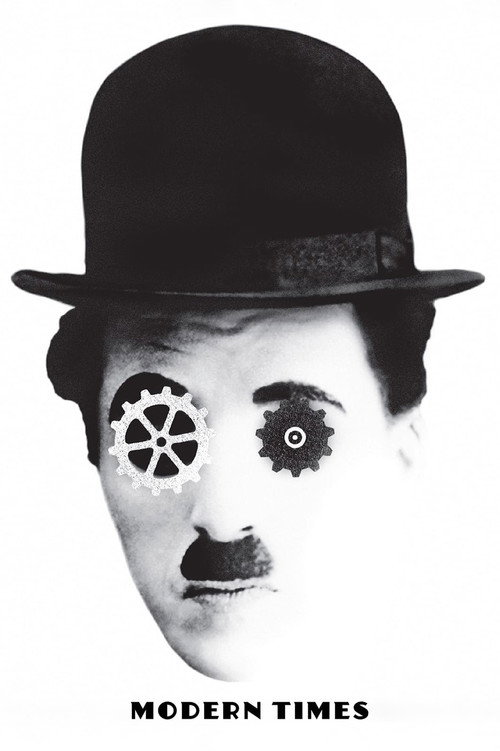
Modern Times1936
Both are optimistic entertainments made during economic catastrophe, using music and movement to assert human dignity. But where Dames solves everything with a Broadway show, Modern Times knows the show isn't enough.
Chaplin made this just two years after Dames, and it's the darkest possible mirror: a musical comedy about Depression survival, where the music is industrial and the romance is tinged with desperation. It uses the same joyful register as Dames while saying something entirely different about the same moment.
But It's a silent film (with synchronized music and sound effects), which requires a different kind of attention. The pathos builds in ways that contradict the comedy, and some find that tonal mixture unsettling rather than touching.
More like this (8)
Singin' in the Rain1952
If you loved the joy and technical virtuosity of early musicals, this is the film that perfected the form. Gene Kelly, Donald O'Connor, and Debbie Reynolds are phenomenal, and the numbers feel both technically accomplished and utterly spontaneous.
But It's extremely well-known and beloved—you may feel like you've already seen it. The melodrama subplot doesn't land as hard as the musical sequences.

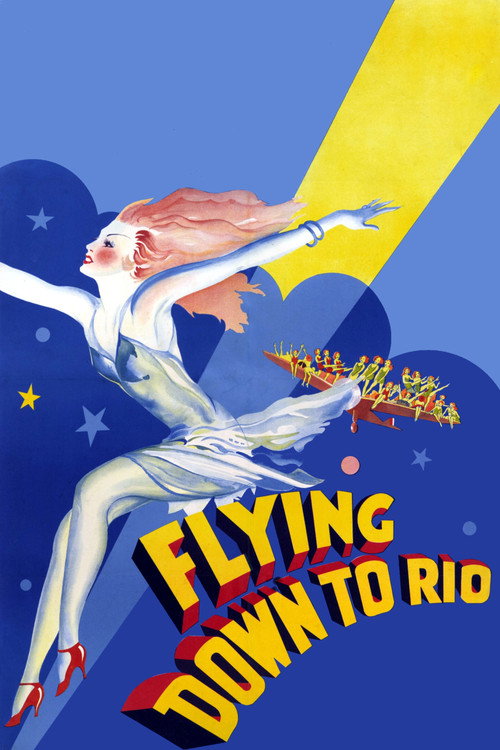
Flying Down to Rio1933
Fred Astaire and Ginger Rogers' first pairing, a zippy romantic musical with gorgeous art deco sets and Astaire choreography that redefined what dancing on film could be. It's got charm, sophistication, and unforgettable numbers.
But The racial politics are deeply uncomfortable by modern standards. Some romantic elements feel manipulative rather than charming.
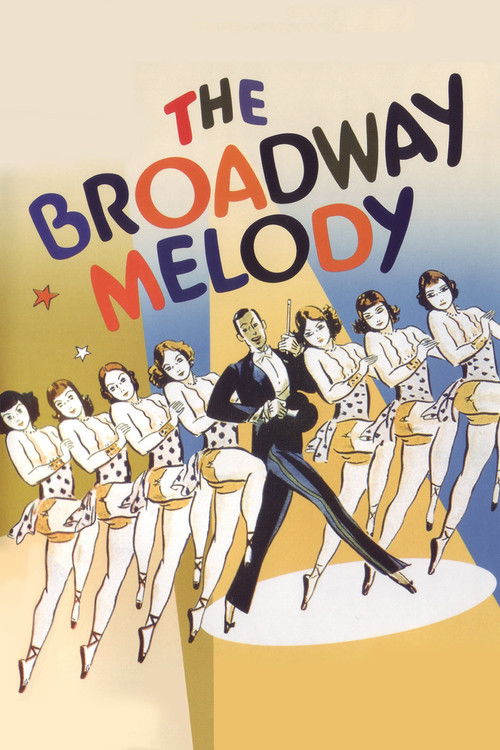
The Broadway Melody1929
Hollywood's first sound musical, made just five years before Dames, so you can hear the art form finding its voice. Two sisters, ambition, song, and dance—it's the DNA of everything that came after.
But It feels genuinely primitive compared to later musicals. The sound recording is thin and the pacing is slow. Some may find it more of a historical artifact than an entertainment.
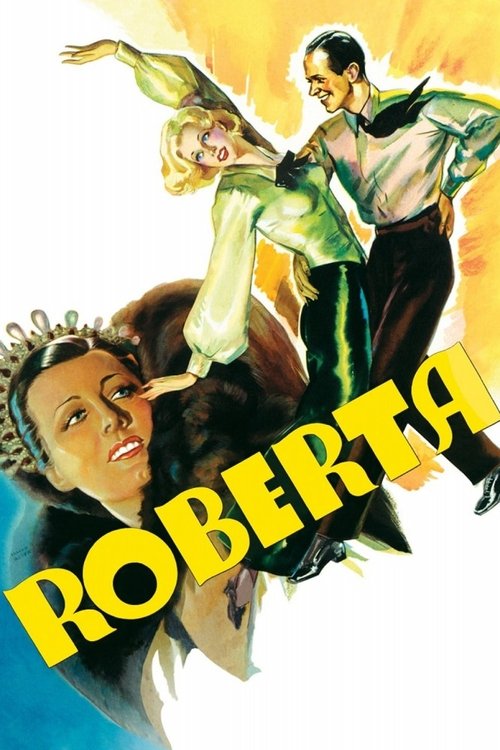
Roberta1935
Fred Astaire and Ginger Rogers again, this time in a fashion-world musical with an Astaire solo that's pure invention. It's lighter and more elegant than the typical backstage scramble, with genuine romance underneath.
But The plot about a Parisian fashion house is pretty thin. It exists mainly to justify the musical numbers, which is fine until you realize you don't care who wins the fashion competition.
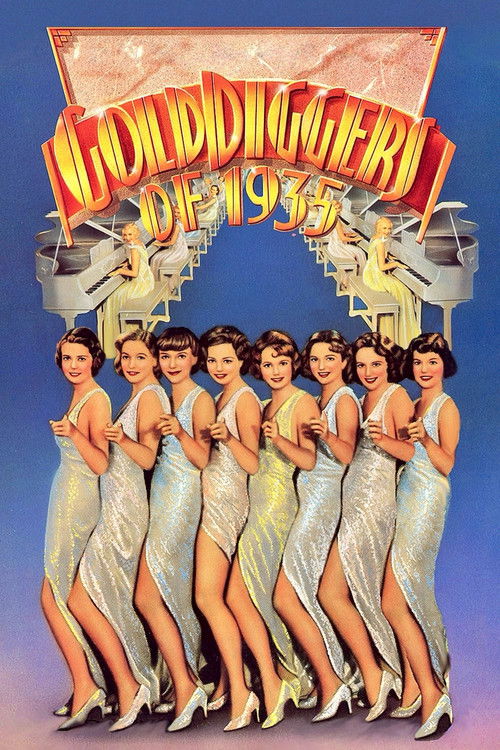
Gold Diggers of 19351935
Dick Powell returns in another gold diggers film, this one with a more confident sense of humor and Berkeley numbers that are among his most ambitious. The romantic plot is sturdier than many of its era.
But By the third gold diggers film, the formula is showing wear. The Depression-era commentary feels tacked on to what's essentially a revue.
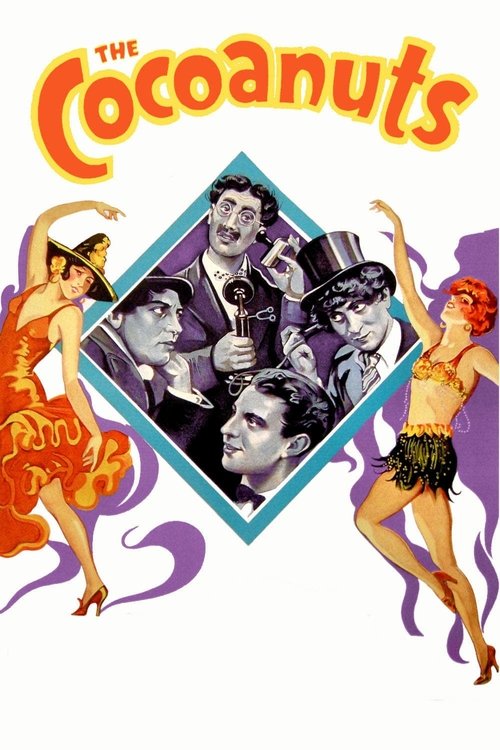
The Cocoanuts1929
The Marx Brothers' first film, a chaotic musical comedy that captures their anarchic stage energy before they got too polished. It's fast, silly, and genuinely unpredictable in ways later comedies weren't.
But The plot is nearly nonexistent. The sound recording is poor and the pacing feels herky-jerky. It's more interesting as a document of a comedic style than as a coherent entertainment.
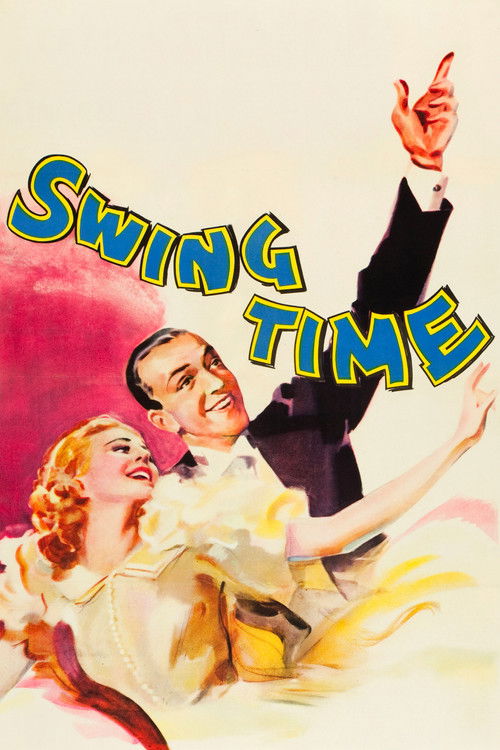
Swing Time1936
Like Dames, it's built on the tension between romantic obligation and ambition, but Swing Time never lets you forget that one person's dream might mean another person's heartbreak.
Astaire and Rogers at their peak, but this one has a melancholy undertow—it's about a dancer who can't commit, who keeps running, and the woman who loves him anyway. The numbers are transcendent, but the story is genuinely sad, and that's the point.
But The plot is heavier than you might expect from a musical. The racial and class dynamics are uncomfortable. It's emotionally sophisticated in ways that might feel like a downer if you're looking for pure escapism.
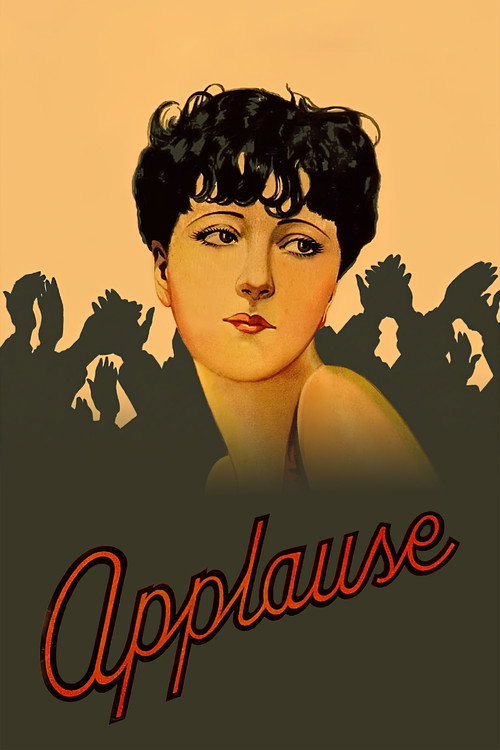
Applause1929
Both center on a young woman's entry into Broadway, but Applause is about what happens when you've already spent your life there, and what you owe to the people who came before. It's the same story told from a different angle, at a different price.
An early sound musical about a Broadway star and her daughter, made by Rouben Mamoulian with genuine sophistication about performance, aging, and maternal love. It's got the backstage energy but uses it to explore something real about sacrifice and legacy.
But It's slower and more introspective than Dames—the musical numbers are fewer and the emotional weight is heavier. Some of the acting is stagy by modern standards.
People
Cast
 Joan BlondellMabel Anderson
 Dick PowellJimmy Higgens
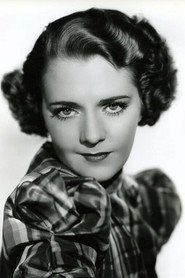 Ruby KeelerBarbara Hemingway
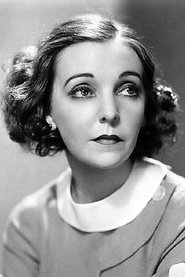 Zasu PittsMatilda Hemingway
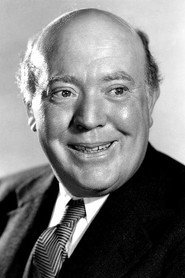 Guy KibbeeHorace Hemingway
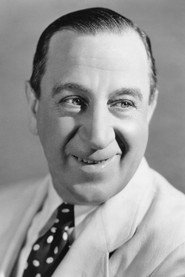 Hugh HerbertEzra Ounce
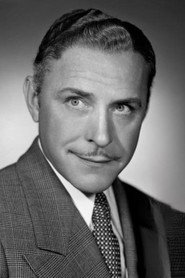 Arthur VintonBulger
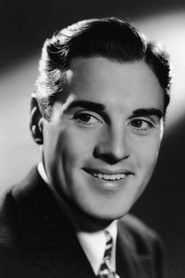 Phil ReganJohnny Harris
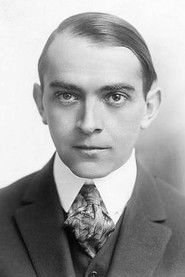 Arthur AylesworthTrain Conductor
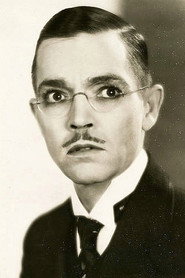 Johnny ArthurBillings
 Leila BennettLaura
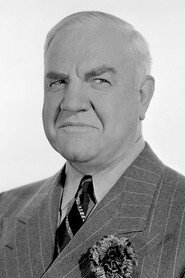 Berton ChurchillHarold Ellsworthy Todd
Directing
- Busby BerkeleyDirector
- Ray EnrightDirector
Writing
- Al DubinLyricist
- Allie WrubelLyricist
- Harry WarrenLyricist
- Irving KahalLyricist
- Mort DixonLyricist
- Sammy FainLyricist
- Delmer DavesScreenplay
- Delmer DavesStory
- Robert LordStory
Production
- Hal B. WallisExecutive Producer
Recommended by
Footlight Parade, Gentlemen Prefer Blondes, Three on a Match, Broadway Melody of 1936, Fort Tilden, It Happened at the World's Fair