
Film
Flying Down to Rio
- Romantic comedy
- Light-hearted
A 1933 musical romantic comedy where an American bandleader pursues a Brazilian woman already engaged to his boss. It's breezy and charming, with elaborate musical numbers that feel genuinely innovative for the era. The real draw: Fred Astaire and Ginger Rogers' first film together, establishing a partnership that would define screen dancing for decades. It's for anyone who loves classic Hollywood magic or wants to see where the greatest dancing partnership began.
If you liked this
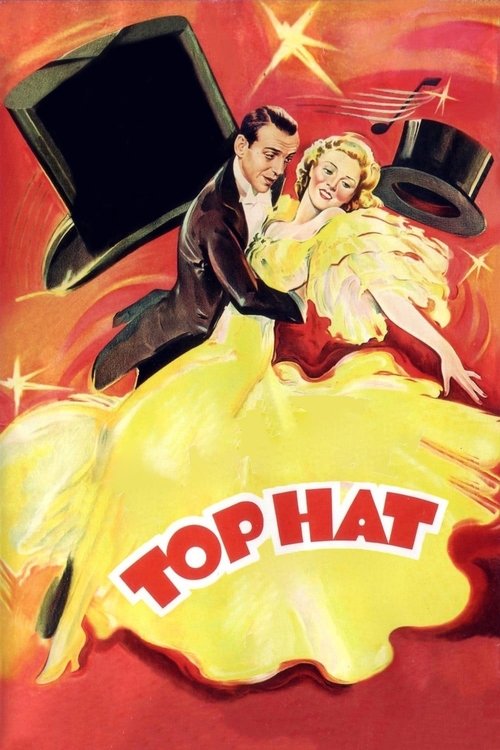
Top Hat1935
The Astaire-Rogers duo at their absolute peak, with smarter plotting and Cole Porter's incomparable score. If Flying Down to Rio made you fall for their dancing, this is where you see what they could truly do together.
But It's less plot-driven than character-driven, so if you need a strong narrative spine, the romantic complications might feel thin.
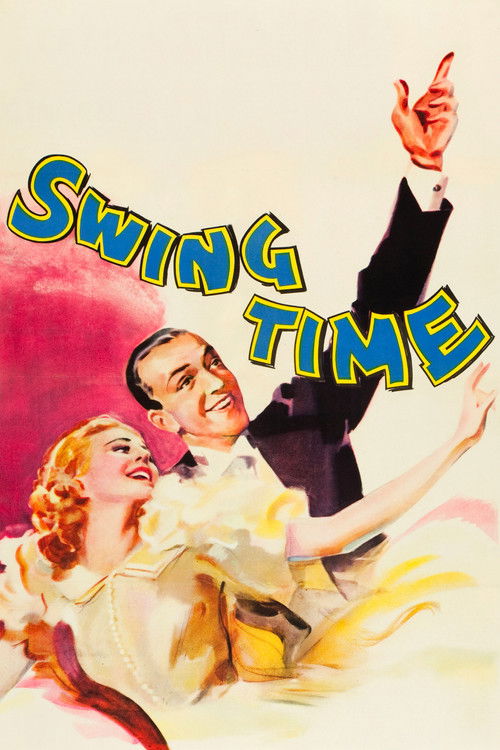
Swing Time1936
Astaire and Rogers again, with Jerome Kern's gorgeous music and a plot that actually serves the dancing rather than interrupting it. The "Never Gonna Dance Again" number is one of cinema's peak moments.
But At two hours, it occasionally drags in the middle act before building back to brilliance.
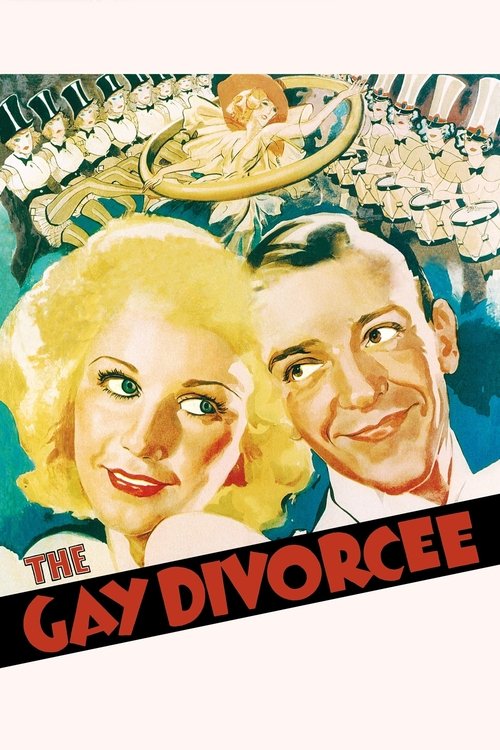
The Gay Divorcee1934
Their second pairing, with the Cole Porter hit "Night and Day" and dancing that feels both playful and intimate. Lighter on plot than Swing Time, heavier on charm.
But The divorce-proceedings setup feels dated and occasionally uncomfortable by modern standards.
Not sure tonight? Get a pick in a minute, starting from Flying Down to Rio
The wildcard
Something you would not have found on your own.
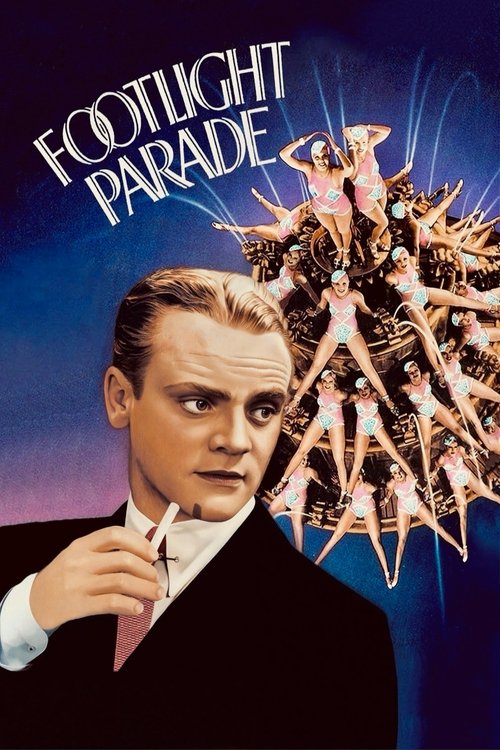
Footlight Parade1933
Both are 1933 musicals celebrating the pure joy of dancing and show business, but while Flying Down to Rio is intimate and romantic, Footlight Parade is about the mechanics of putting on a dazzling production—they're two sides of the same magical moment in cinema.
Released the same year as Flying Down to Rio, with Busby Berkeley's revolutionary choreography and James Cagney as a song-and-dance man producing miniature Broadway shows. It's the 1930s musical at its most ambitious and visually inventive.
But The plot exists mainly to frame the musical numbers, which is fine if you love pure spectacle but frustrating if you want story momentum.
More like this (7)
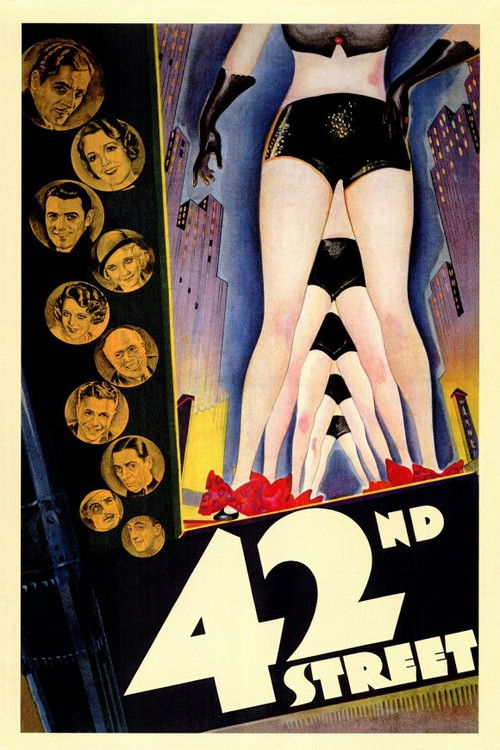
42nd Street1933
A backstage musical from the same year as Flying Down to Rio, with jaw-dropping Busby Berkeley choreography and genuine stakes about putting on a show. Raw and energetic in a way Flying Down to Rio isn't.
But The plot is thin and occasionally feels like a vehicle for musical numbers rather than the reverse.
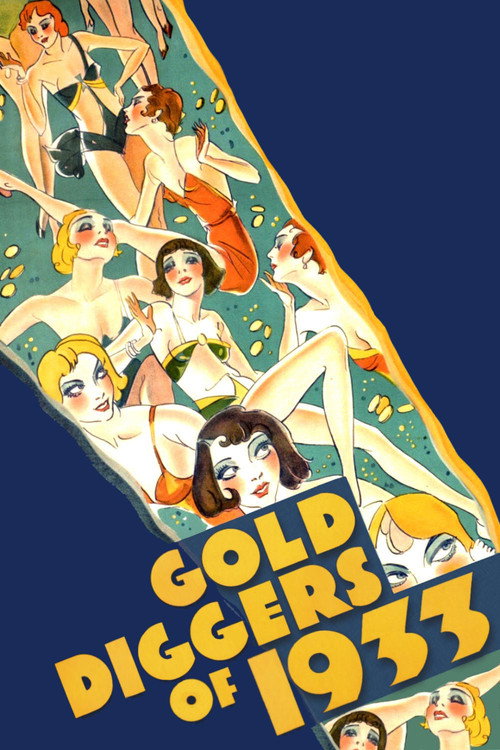
Gold Diggers of 19331933
Pre-Code Hollywood at its most frank and funny, with chorus girls scheming for rich men and Berkeley's geometric dance formations that feel almost alien. A perfect companion to Flying Down to Rio's era and energy.
But The Depression-era attitudes about women can feel reductive, and the musical numbers sometimes overshadow character development.
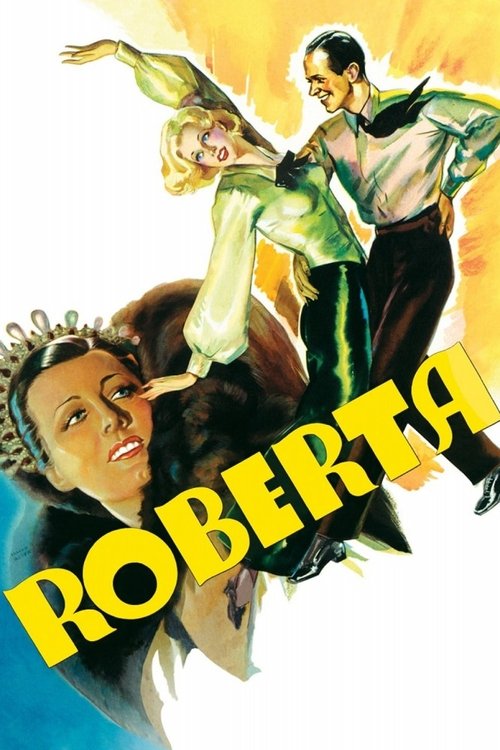
Roberta1935
Astaire solo here (with Rogers in a supporting role), dancing to Jerome Kern in a story about fashion design. Elegant and a little more grown-up than the earlier films.
But Without Rogers as his equal, the romantic tension never quite ignites the way it does elsewhere.
Singin' in the Rain1952
A 1950s take on the Hollywood musical formula, with dancing that descends from the Astaire-Rogers tradition but with a plot that feels genuinely substantial. Pure joy, and the title number is legendary.
But It's more narrative-heavy than a typical 1930s musical—some prefer the lighter touch of earlier films.

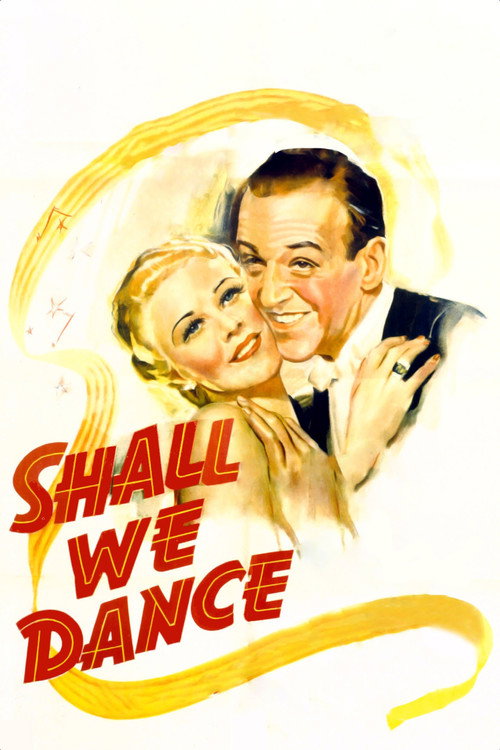
Shall We Dance1937
The final Astaire-Rogers pairing, and they're visibly older and more confident. Gershwin's score is their best, and the skating number is unforgettable.
But There's a melancholy underneath—this feels like the end of an era, which some find less fun than the earlier, breezier films.
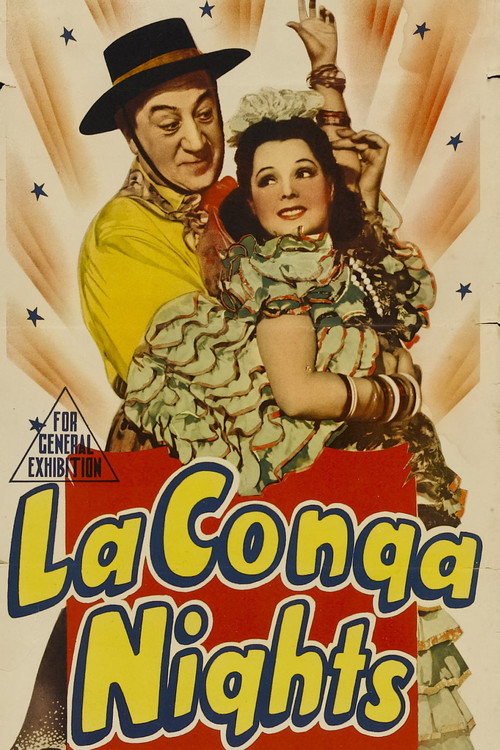
La Conga Nights1940
Where Flying Down to Rio introduced Americans to The Carioca, La Conga Nights lives inside that Latin dance craze, exploring the same cultural moment from a completely different—and much cheaper—angle.
A low-budget B-movie that takes the Brazilian music and dance craze of Flying Down to Rio seriously, with real rumba and conga energy and a genuinely playful tone. It's weird and forgotten and utterly charming.
But The production values are minimal, the plot is almost nonexistent, and the cultural attitudes are sometimes cringe by modern standards.
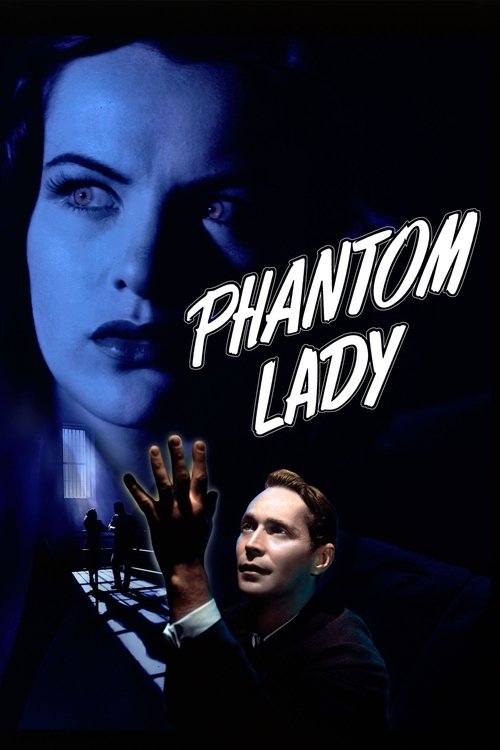
Phantom Lady1944
Both use the nightclub and musical performance as the meeting point for romantic tension, but Phantom Lady treats that setting as noir rather than romance, showing how the same glamorous space can be either enchanting or sinister depending on the genre.
A film noir with Ella Raines and Franchot Tone that opens with a showgirl and a musician meeting at a nightclub, much like Flying Down to Rio, but then pivots into murder, betrayal, and visual darkness. It shows what the nightclub-meets-mystery formula looks like when the studio decides to go serious.
But It's tense and sometimes uncomfortable—if you love the lightness of 1930s musicals, noir's cynicism will feel like a betrayal.
People
Cast
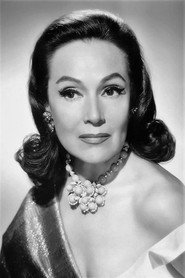 Dolores del RíoBelinha De Rezende
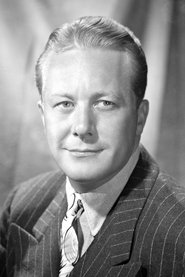 Gene RaymondRoger Bond
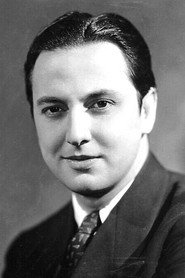 Raul RoulienJulio Rubeiro
 Ginger RogersHoney Hale
 Fred AstaireFred Ayres
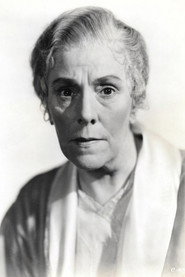 Blanche FridericiElena De Rezende
- Walter WalkerSenor De Rezende
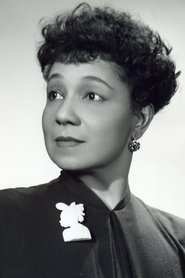 Etta MotenColored Singer
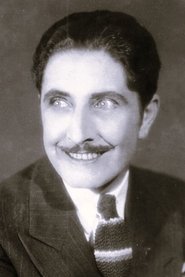 Roy D'ArcyOne of the Three Greeks
 Maurice BlackOne of the Three Greeks
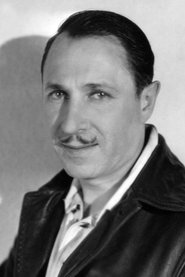 Armand KalizOne of the Three Greeks
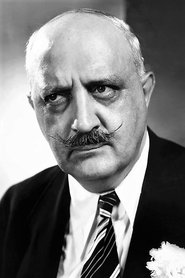 Paul PorcasiMayor
Directing
- Thornton FreelandDirector
Writing
- Edward EliscuLyricist
- Gus KahnLyricist
- Cyril HumeScreenplay
- Erwin S. GelseyScreenplay
- H.W. HanemannScreenplay
- Lou BrockStory
- Anne CaldwellTheatre Play
Production
- Lou BrockAssociate Producer
- Merian C. CooperExecutive Producer
Recommended by
Dames, Down Argentine Way, King of Burlesque, Tail Spin, Cab Calloway's Hi-De-Ho, Task Force, Ceiling Zero, Thunder Birds, Devil Dogs of the Air