
Film
La Conga Nights
- Screwball comedy
- Light-hearted
A brisk 1940 musical comedy where Hugh Herbert plays six different characters—five of them women—in a case of mistaken identity chaos. A cab driver and an aspiring singer get tangled up with a newly rich real estate mogul and his bewildering family. It's the kind of film that runs 70 minutes because it trusts the joke and gets out of town.
Should you watch it?
Watch it if you love breezy, old-studio musicals where a comic star's sheer manic silliness matters more than the plot, and you enjoy watching one performer swap between a parade of eccentric characters.
Skip it if you find frantic physical clowning and dated 1940s broad humour hard to sit through, or want a story that holds together rather than a vehicle for one man's antics.
What it asks of you: Seventy minutes end to end, brisk and bright, with a loose plot you can drift in and out of; the music arrives in bursts between the gags.
Not sure? Find tonight's pick in a minute.
If you liked this
Singin' in the Rain1952
Gene Kelly, Donald O'Connor, and Debbie Reynolds in the gold standard of Hollywood musicals. Every number is a marvel, the story moves like a perfectly oiled machine, and it's purely joyful in a way most films never achieve.
But If you're after contemporary sensibilities or complexity, you'll find neither. It's unapologetically frothy and in love with itself in the most old-fashioned way.

It Happened One Night1934
Frank Capra's screwball masterpiece starring Clark Gable and Claudette Colbert. Fast dialogue, genuine chemistry, and a romance that earns its ending without ever stopping to be funny.
But It's deliberately theatrical and front-loaded with 1930s mannerisms. If period screwball feels stagey to you, this won't change your mind.

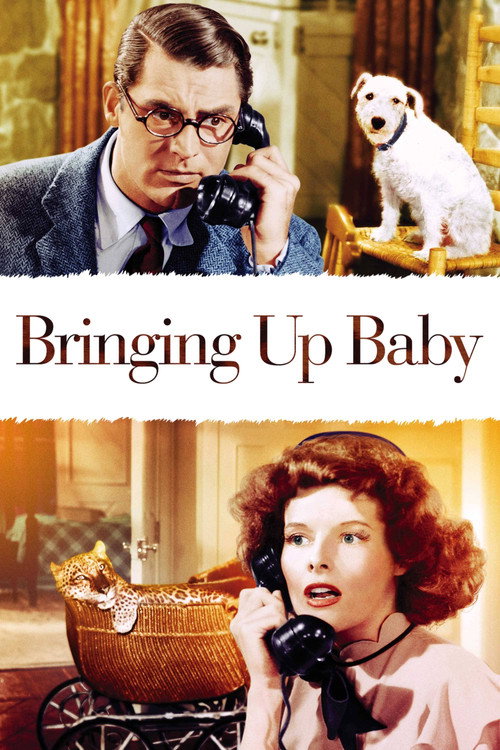
Bringing Up Baby1938
Cary Grant and Katharine Hepburn in the finest screwball ever made. Faster than light, endlessly inventive, and built on absolute precision. Watch how every scene builds on the last.
But The pacing is relentless and unforgiving. If you need breathing room in your comedy, this will exhaust you before the halfway point.
Not sure tonight? Get a pick in a minute, starting from La Conga Nights
The wildcard
Something you would not have found on your own.
The Cabinet of Dr. Caligari1920
Both films rely on mistaken identity and masquerade, but Caligari shows how the same device can be weaponized: identity as trap rather than comedy. Same theatrical language, opposite emotional register.
German Expressionism's blueprint. A story told in nightmare logic, with sets that twist and distort reality itself. It's unsettling because the form serves the content—the world itself is wrong.
But Silent, in black and white, with melodramatic acting by modern standards. Its influence is more visible now than its pleasures might be on first watching.

More like this (8)
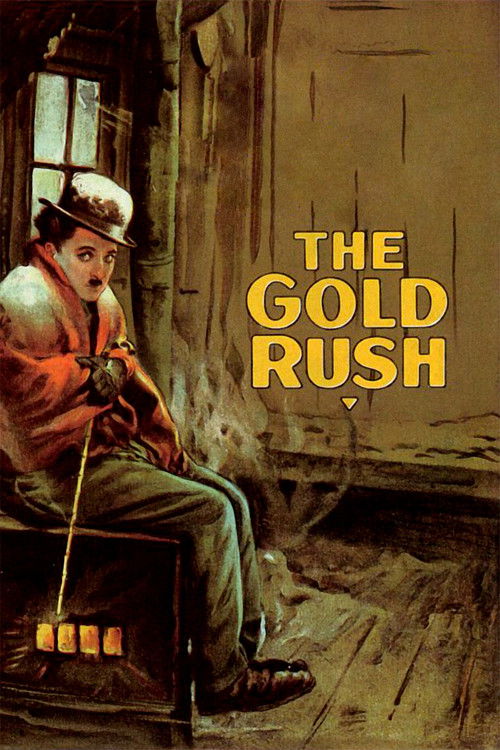
The Gold Rush1925
Charlie Chaplin's silent feature finds pathos and hilarity in the Yukon gold rush. The technical genius is staggering, but what sticks is how much you feel for this little man.
But Silent film requires patience, and Chaplin's sentimentality won't be everyone's cup of tea. Some moments drag longer than modern audiences expect.
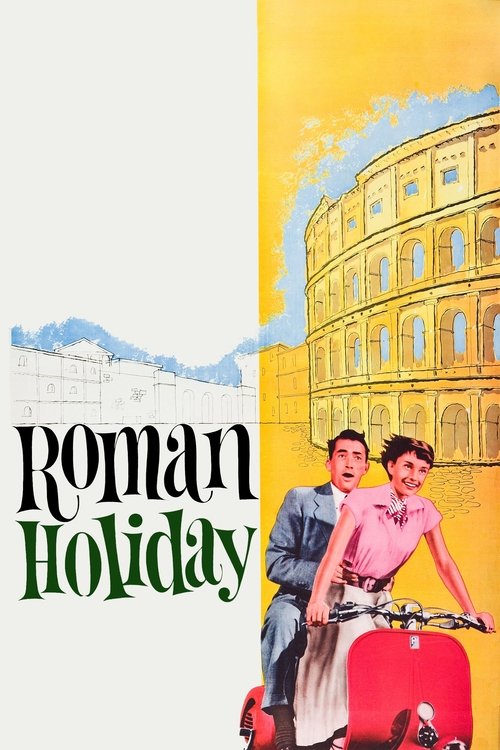
Roman Holiday1953
Audrey Hepburn's debut. Gregory Peck and Hepburn as a princess and a reporter who fall into a roman holiday together. It's romantic without being saccharine, funny without being cruel, and Hepburn is luminous.
But The ending is predetermined and you'll feel it coming. The plot is slight, even by the standards of romantic comedies.
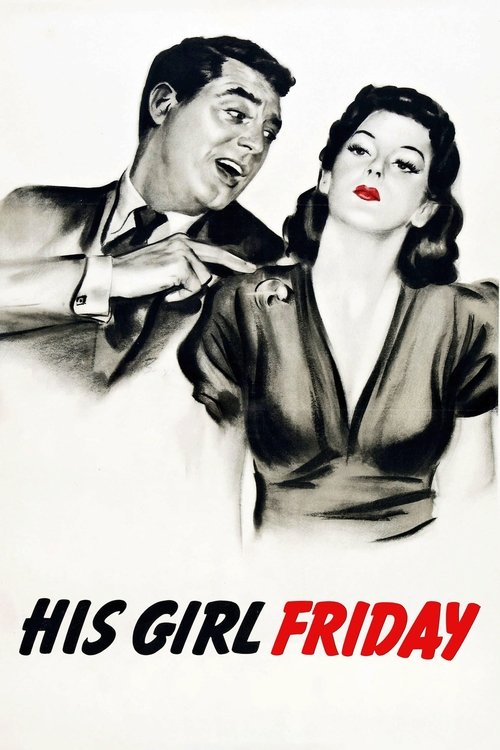
His Girl Friday1940
Howard Hawks' adaptation of The Front Page, recast with Rosalind Russell and Cary Grant. The dialogue overlaps like overlapping piano keys, the energy never stops, and Russell holds her own against Grant's considerable charm.
But The overlapping dialogue is intentional and brilliant, but if you can't keep up with screwball pacing, you'll spend half the film fighting to hear what's being said.
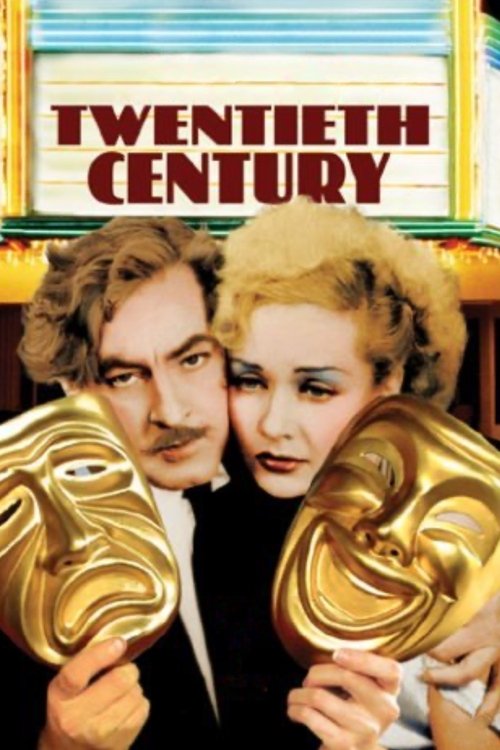
Twentieth Century1934
John Barrymore and Carole Lombard on a cross-country train, trading quips and insults. It's essentially a love story told as a series of escalating theatrical pranks. Barrymore's ham is the whole point.
But By today's standards, the gender dynamics are jarring. Barrymore's performance is campy in a way that feels dated, not timeless.
Swing Time1936
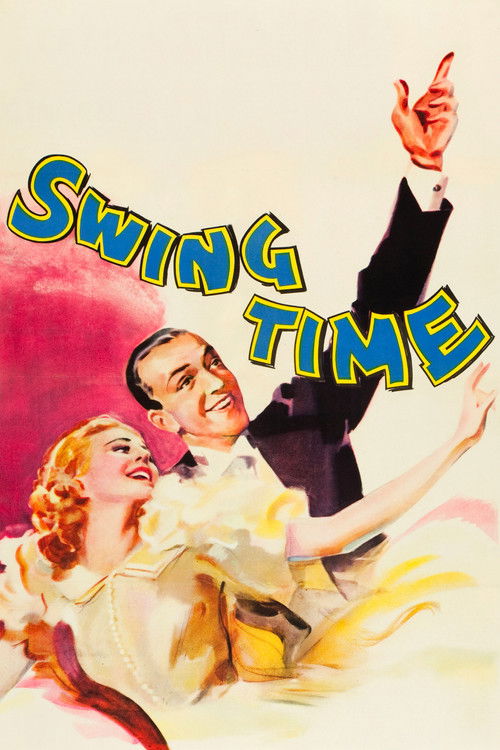
Fred Astaire and Ginger Rogers at their peak, dancing and singing through a lightweight plot that wisely gets out of the way. The routines are astonishing. The chemistry is real. It's pure happiness on film.
But If you don't care about dance, there's not much else here. The romantic plot is perfunctory and the supporting cast is thin.
Easy Living1937
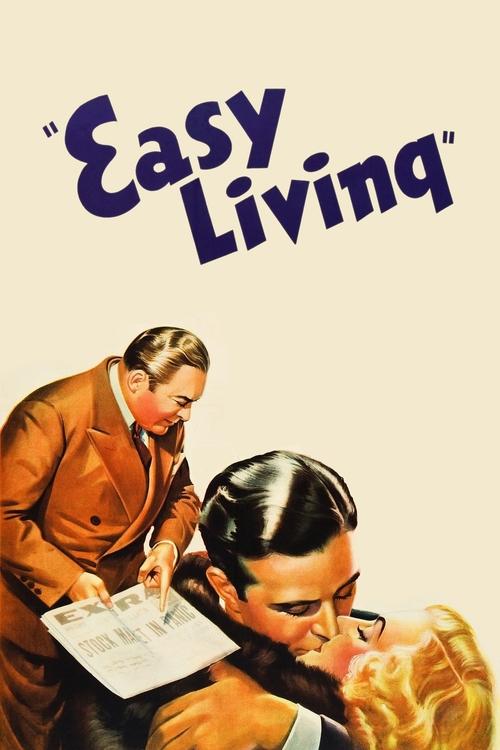
Preston Sturges' directorial debut about a poor girl who's mistaken for a millionaire after a sable coat falls on her head. It's anarchic, beautifully paced, and Ray Milland is charming without trying too hard.
But The plot relies on coincidence stacked on coincidence. If contrivance bothers you, you'll feel it constantly. The ending is rushed.
The Phantom of the Opera1925
Like La Conga Nights, a love triangle involving a performer and mistaken identity, but played for genuine tragedy instead of laughs. Both films understand that costume and masquerade let you be someone else—one celebrates it, one punishes it.
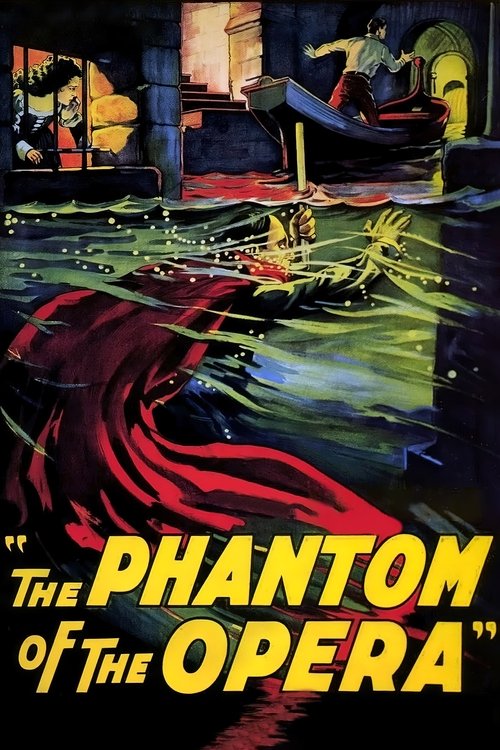
Lon Chaney in the role that defined him. Opera, mystery, and Gothic Romance filtered through silent cinema at its most ambitious. The masked ball sequence alone is worth the price of admission.
But Silent and operatic, so doubly mannered. The pacing is glacial by modern standards. Chaney's performance is legendary but can read as overwrought.
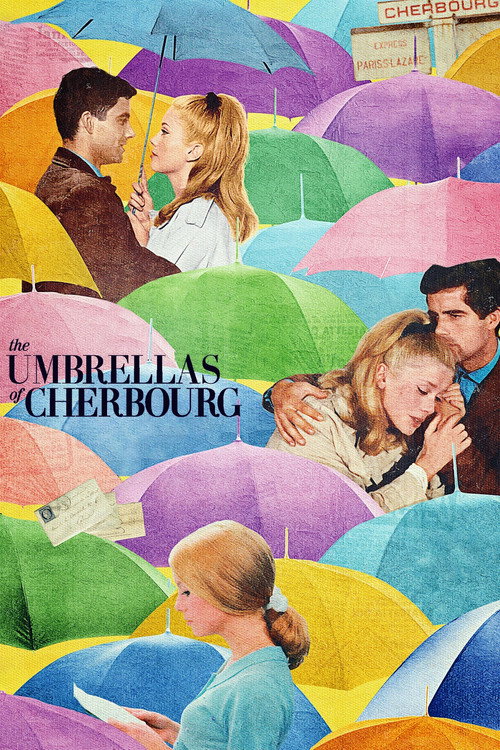
The Umbrellas of Cherbourg1964
Both are musicals where music and spectacle matter more than story, but where the spectacle is earnest rather than ironic. But Cherbourg is melancholy nostalgia for romantic possibility, while La Conga Nights is immediate comic chaos. One looks back; one lives in the moment.
Jacques Demy's kaleidoscopic color musical where Catherine Deneuve sings through a love story in a French port town. It looks like a jewel box, moves like a dream, and makes you believe in the possibility of joy.
But It's sentimental in a way that contemporary cinema isn't. The plot is gossamer-thin. Some find it precious; many find it insufferable.
People
Cast
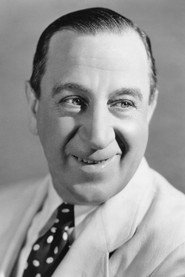 Hugh HerbertHenry I. Dibble Jr. / Faith Dibble / Hope Dibble / Charity Dibble / Prudence Dibble / Mrs. Henry I. Dibble Jr. / Henry I. Dibble Sr.
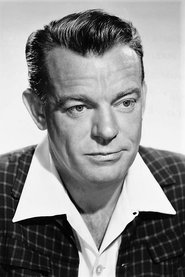 Dennis O'KeefeSteve Collins
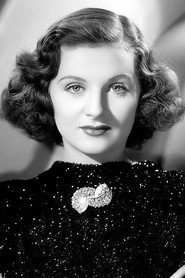 Constance MooreHelen Curtiss
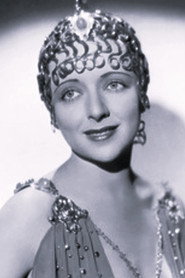 Ferike BorosMama O'Brien
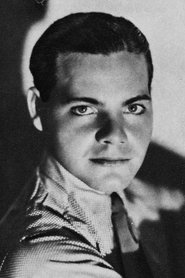 Eddie QuillanTitus Endover
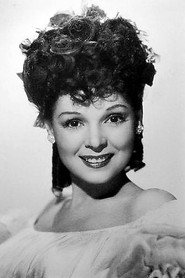 ArmidaCarlotta De Vera
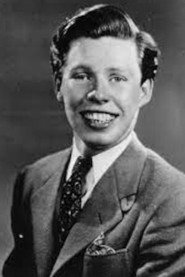 Joe Brown Jr.Delancey O'Brien
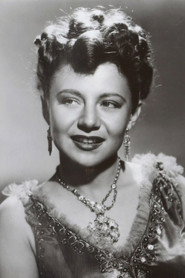 Sally PayneLucy Endover
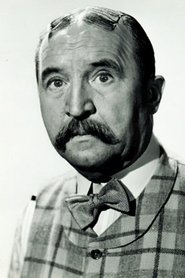 Frank OrthDennis O'Brien
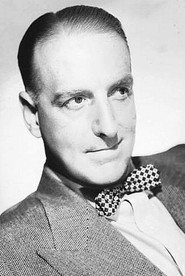 Barnett ParkerHammond
- Ted ArkinJitterbug Dancer
- Polly BaileyLandlady
Directing
- Lew LandersDirector
Writing
- Harry ClorkScreenplay
- Jay DratlerScreenplay
- Paul Gerard SmithScreenplay
Production
- Ken GoldsmithAssociate Producer