
Film
The Gold Rush
Chaplin's Tramp staggers through Klondike blizzards, starvation and a bullying rival, wooing a dance hall girl who barely notices him. The film's trick is how effortlessly it swings from slapstick to ache — a boiled boot eaten like a feast, a chicken hallucination, a heart quietly broken. Ninety-five silent minutes, endlessly inventive, and still the friendliest way into why Chaplin mattered.
If you liked this
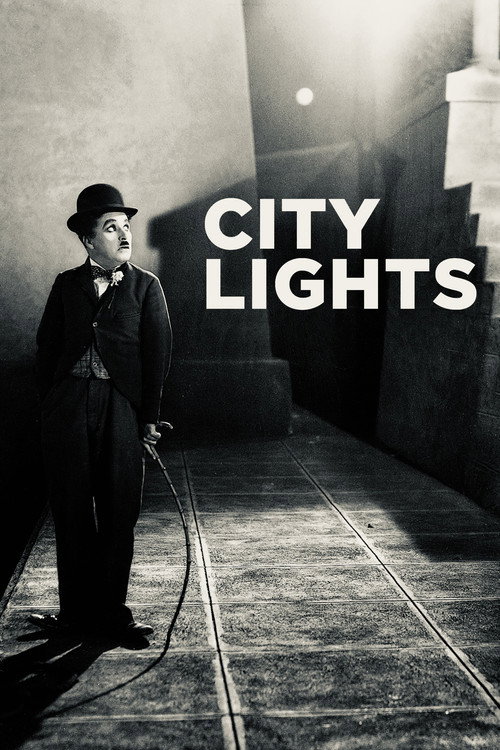
City Lights1931
Chaplin's own follow-up refines everything Gold Rush attempts — the Tramp falling for someone who can't quite see him, comedy sliding into something genuinely moving without losing its lightness of touch.
But Trades snowdrifts and frontier peril for city streets and boxing rings — a gentler, more purely romantic film.
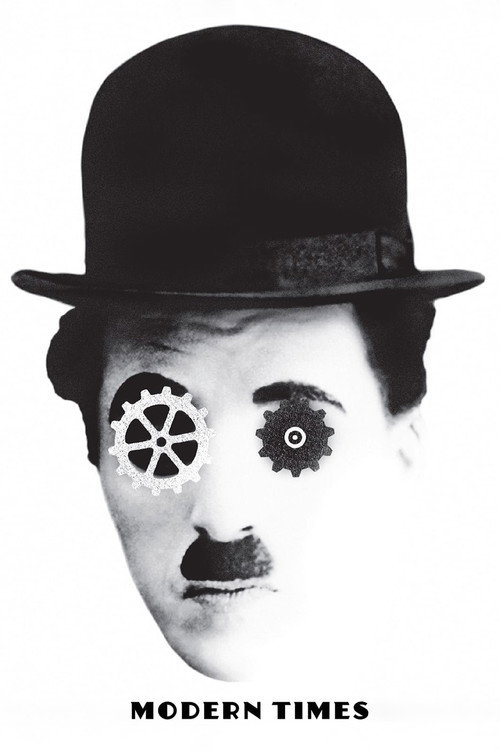
Modern Times1936
The Tramp's last outing turns his hunger and resourcefulness against factories and conveyor belts instead of blizzards — same soul, sharper satire, one of cinema's great closing images.
But The industrial setting and pointed social commentary give it a colder, more deliberate edge than Gold Rush's wilder adventure spirit.
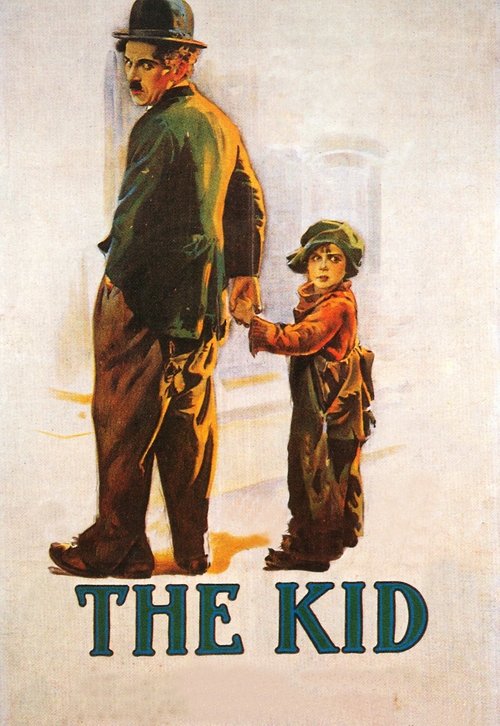
The Kid1921
An earlier, rawer Chaplin picture mixing comedy with real poverty and heartbreak — you can watch him working out tricks he'd later perfect on the mountain.
But Shorter and simpler than Gold Rush, with less spectacle and thicker sentiment; some find its pathos overplayed.
The wildcard
Something you would not have found on your own.
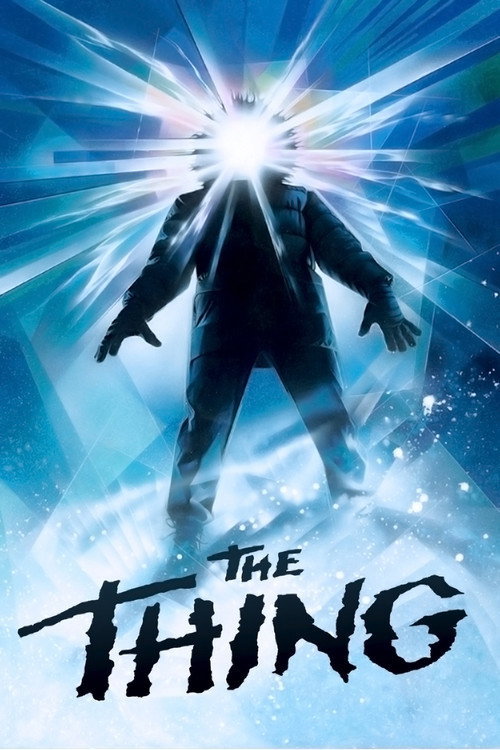
The Thing1982
Same premise stripped of laughs: isolated men, brutal cold, hunger and suspicion pushed to the edge — the boot-eating gag becomes literal horror here.
Carpenter's practical effects still curdle the stomach, and the paranoia among trapped, starving men in an Antarctic outpost turns Chaplin's comic desperation into pure dread.
But It's a gore-heavy horror film with none of the warmth or romance — a deliberately bleaker, nastier cousin.
More like this (8)
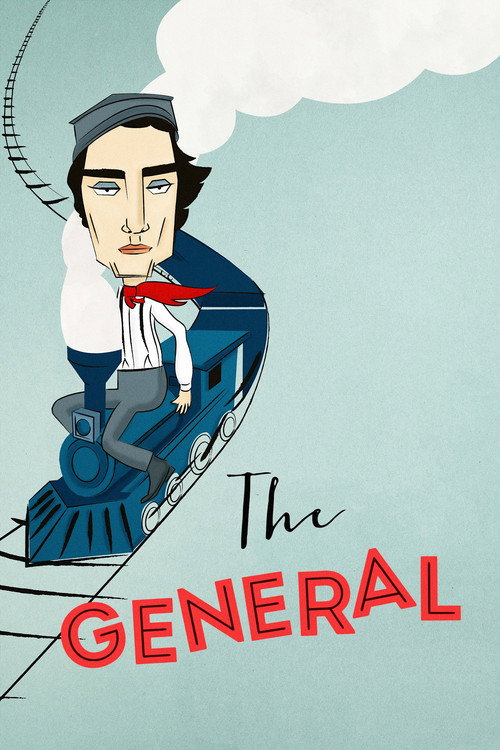
The General1926
Buster Keaton's answer to the same question — how far can a comedian push physical stunts — done with trains, war, and zero visible fear for his own bones.
But Keaton's deadpan stillness is a completely different comic temperature than Chaplin's expressiveness; it can feel colder, more mechanical.
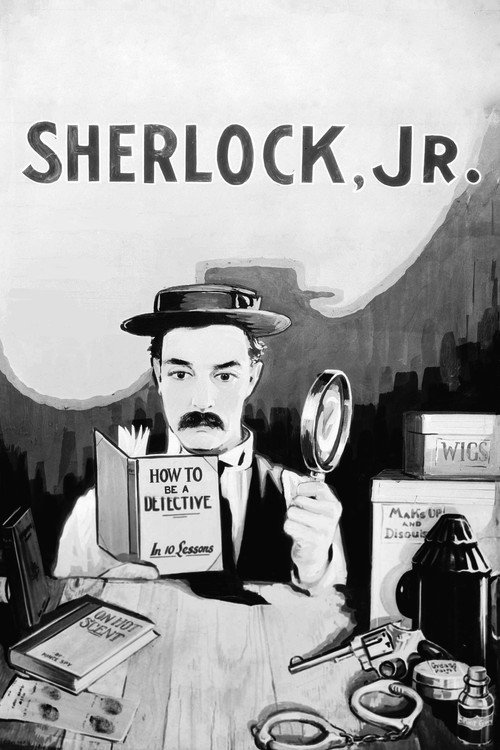
Sherlock Jr.1924
Keaton again, shorter and stranger, folding a man into the film he's watching — dazzling stunt work and a puzzle-box structure that still feels ahead of its time.
But At 45 minutes it's a snack beside Gold Rush's full meal, and the surrealism may feel slight if you want a story.
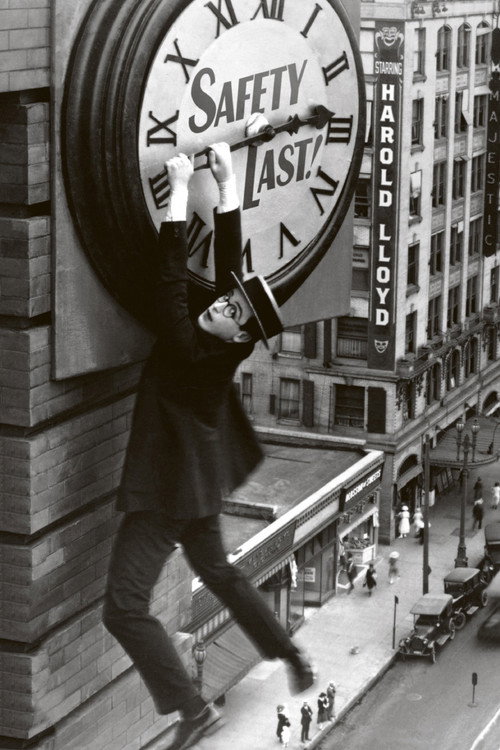
Safety Last!1923
Harold Lloyd dangling off a clock face is the third pillar of silent comedy alongside Chaplin and Keaton — pure vertigo, precisely engineered.
But Lloyd's cheerful everyman lacks the Tramp's pathos and social bite; it's thrill-comedy more than heart.
The Circus1928no page yet
A lesser-loved, underrated Chaplin, with the Tramp stumbling into a circus and again chasing a girl who won't quite love him back — same DNA, quieter reputation.
But It never reaches the highs of Gold Rush or City Lights; more a comfortable variation than a leap forward.
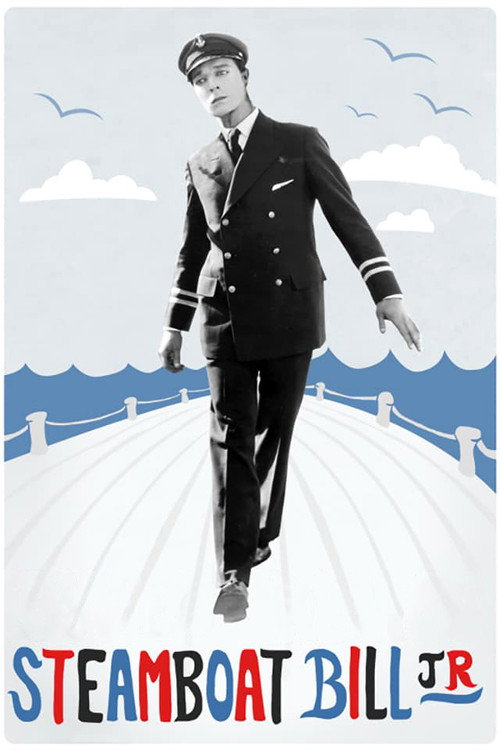
Steamboat Bill, Jr.1928
Keaton's cyclone-battered finale rivals anything in Gold Rush for sheer physical audacity — a house nearly falls on him and he barely blinks.
But The father-son plot is thinner than Gold Rush's love story, and it rewards existing Keaton fans more than newcomers.
Seven Chances1925no page yet
Keaton fleeing an avalanche of brides — literally, boulders included — is the closest silent comedy gets to Gold Rush's climactic chase sequences, chaos escalating past all reason.
But The premise is thinner and more farcical, without Gold Rush's emotional undertow or romantic stakes.
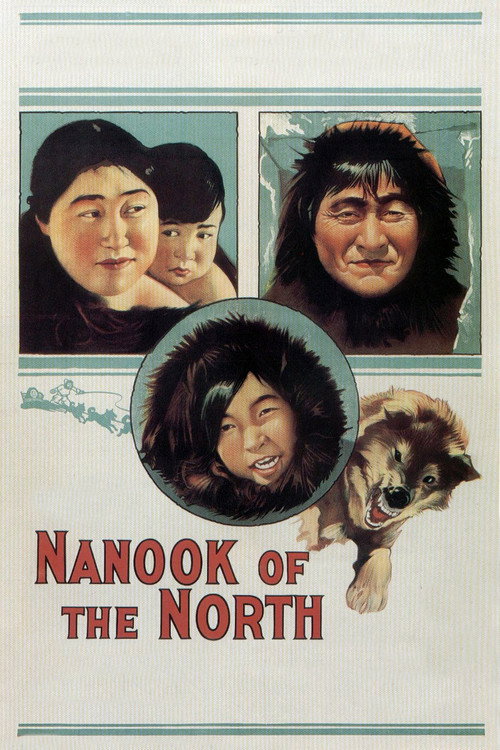
Nanook of the North1922
Made just three years earlier, this silent documentary shows the real Arctic hardship Chaplin turned into slapstick — starvation and ice played straight.
A landmark of early documentary, staged as it is, that puts the actual stakes of Gold Rush's setting on screen — hunting, building, freezing, for real, not for laughs.
But It's ethnographic filmmaking with all the ethical baggage that implies, and its slow, observational pace asks patience Gold Rush never demands.
Dersu Uzala1975
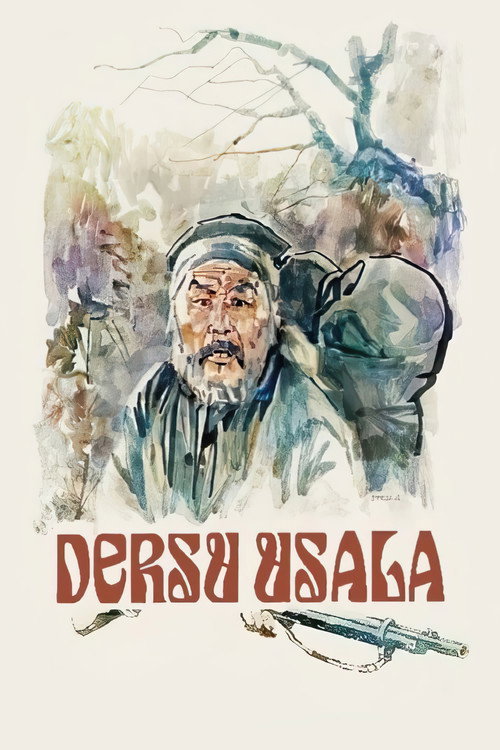
Kurosawa takes the same wilderness-survival, odd-couple companionship idea and plays it entirely straight, comedy replaced by quiet reverence.
A gorgeous, unhurried Soviet-Japanese co-production about friendship forged in a brutal landscape, showing how far this exact setup can travel from farce to elegy.
But It's slow, meditative, and nearly three hours long — the opposite tempo of Gold Rush's tumbling, gag-a-minute energy.
People
Cast
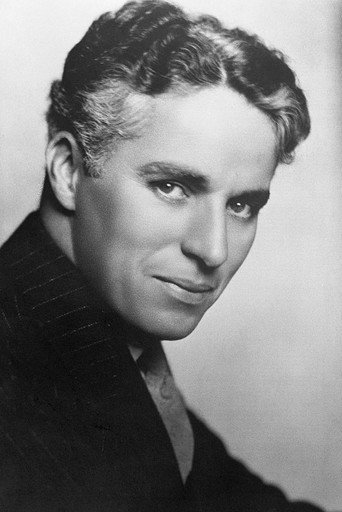 Charlie ChaplinThe Lone Prospector
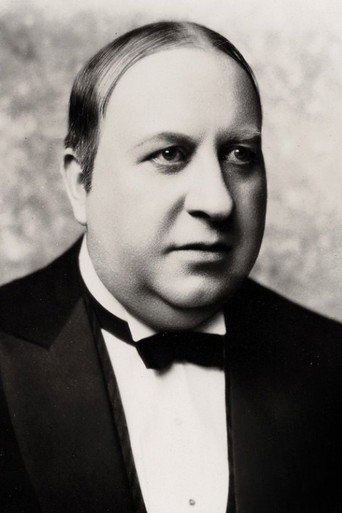 Mack SwainBig Jim
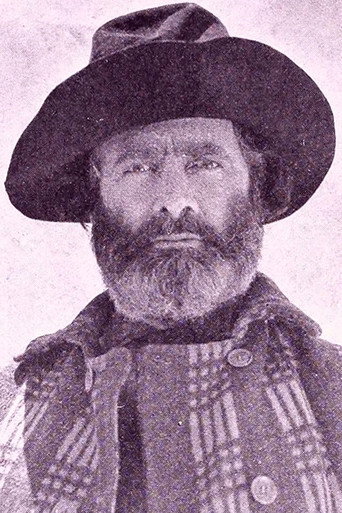 Tom MurrayBlack Larsen
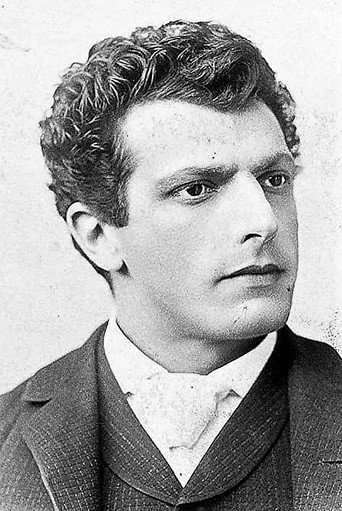 Henry BergmanHank Curtis
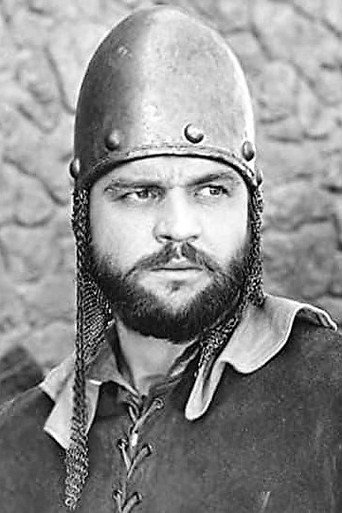 Malcolm WaiteJack
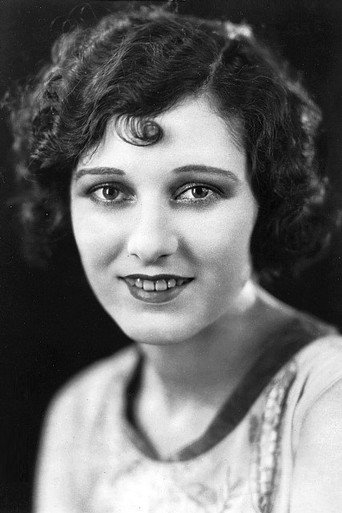 Georgia HaleGeorgia
- Jack AdamsMan in Dance Hall (uncredited)
- Frank AderiasEskimo Child (uncredited)
- Leona AderiasEskimo Child (uncredited)
- Lillian AdrianWoman in Dance Hall (uncredited)
 Sam AllenMan in Dance Hall (uncredited)
- Claude AndersonMan in Dance Hall (uncredited)
Directing
- Charlie ChaplinDirector
Writing
- Charlie ChaplinWriter