
Film
The Last of the Mohicans
Other titles called The Last of the Mohicans: the 1920 film, the 1936 film, the 1992 film.
A 1932 adventure epic set during the French and Indian War, where frontiersman Hawkeye and his Mohican allies navigate colonial violence and survival in the American wilderness. It's a sweeping, earnest action picture from Hollywood's early days—sometimes clumsy, always committed, and fascinated by frontier mythology and loyalty across tribal lines.
If you liked this
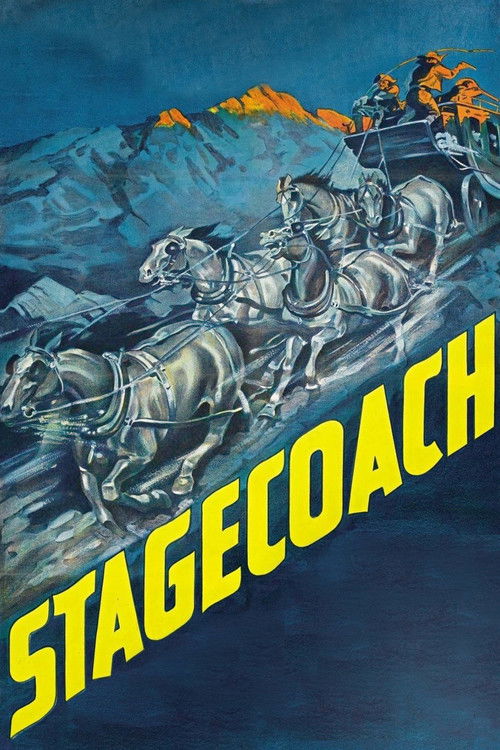
Stagecoach1939
John Ford's masterpiece of confined action and character collision. A microcosm of American society under pressure, with the same sense of frontier peril and moral complexity that drives Mohicans forward.
But It moves deliberately in places, and the racial attitudes, while progressive for 1939, still feel dated. Nearly two hours long.
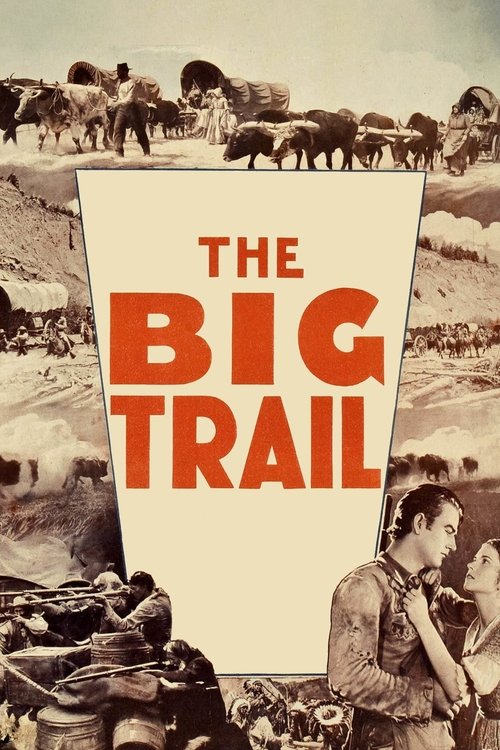
The Big Trail1930
Raoul Walsh's vast Western following a young scout across untamed territory. Same DNA as Mohicans—landscape as both obstacle and character, action rooted in survival and navigation rather than gunplay.
But The early sound recording is occasionally harsh. It's exploratory rather than plot-driven, which can feel slow if you want a tighter story.
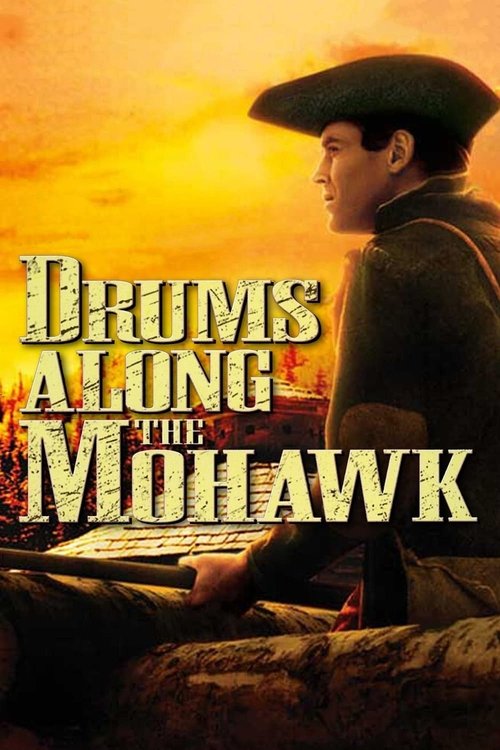
Drums Along the Mohawk1939
Ford again, this time directly adjacent to your film's landscape and era. Intimate yet epic, balancing domestic life against the violent chaos of frontier warfare with stunning color cinematography.
But The romantic subplot can feel saccharine. Some supporting characters are written as caricatures in ways that jar modern viewers.
Not sure tonight? Get a pick in a minute, starting from The Last of the Mohicans
The wildcard
Something you would not have found on your own.
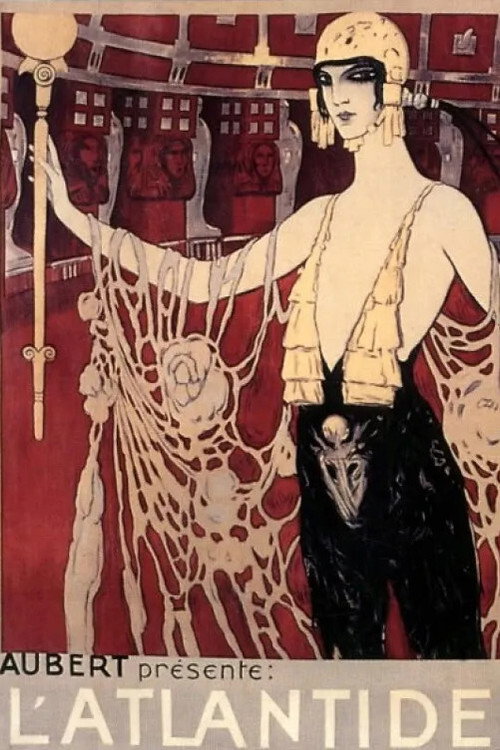
L'Atlantide1921
Both are early adventure epics structured around a dangerous journey through unmapped territory, where landscape and encounter transform the men who travel through them. Both are deeply romantic about male honor and loyalty in hostile space.
A French colonial adventure—two soldiers in the Sahara discover a lost civilization. It has Mohicans' sense of the wild as both beautiful and hostile, with the same romantic fatalism about men tested by landscape.
But It's silent, French, and moves at its own mysterious pace. The plot is dreamlike rather than propulsive. Many viewers will find it slow and strange.
More like this (8)
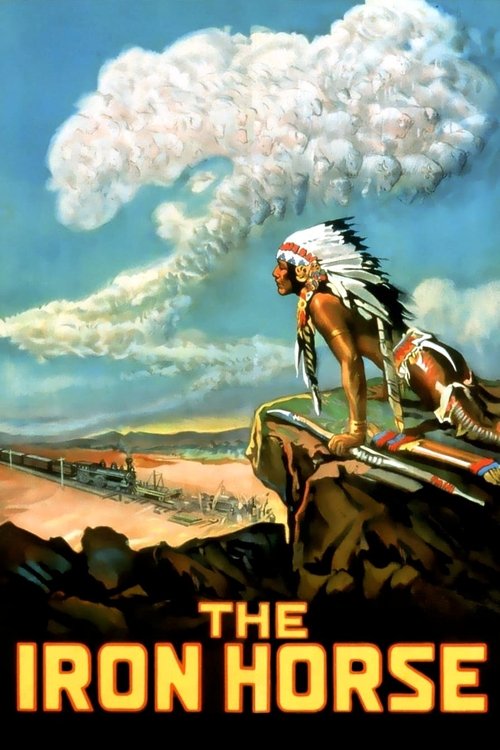
The Iron Horse1925
John Ford's silent epic about railroad builders crossing the continent. The same scale and scope, with Ford's gift for making landscape feel like destiny and community feel earned.
But It's silent, which demands patience. The narrative is episodic and sometimes baggy; the historical politics are simplistic.
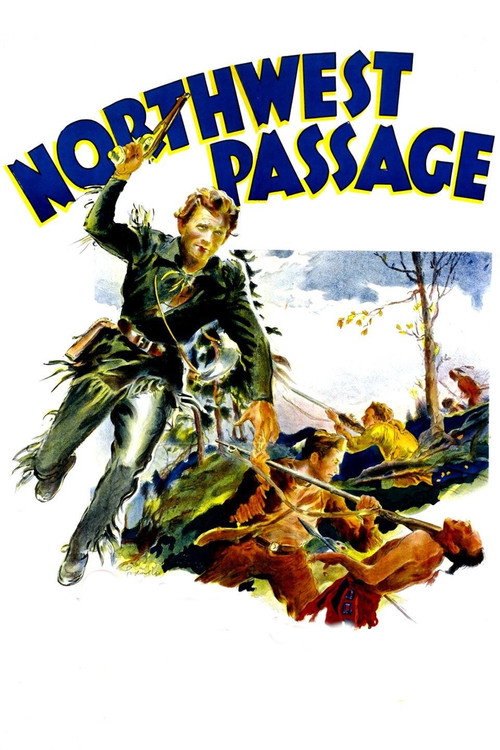
Northwest Passage1940
Spencer Tracy leading a colonial militia through wilderness toward an impossible goal. Adventure that doesn't shy from the brutality of frontier life, with genuine tension between exploration and survival.
But It's a film about colonialism that doesn't adequately reckon with colonialism. Some viewers will find that unforgivable.
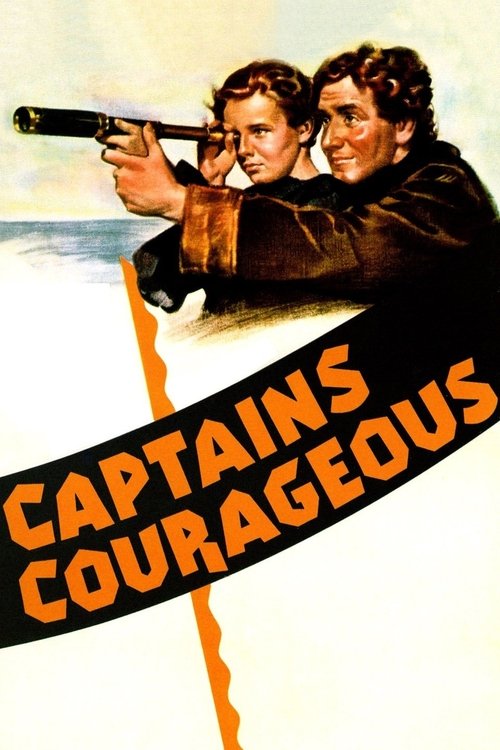
Captains Courageous1937
Spencer Tracy again, but in a different register—a adventure-drama about a spoiled boy earning his place in an older man's world through work and respect. Same mentorship DNA as Mohicans.
But It's sentimental, and the maritime setting means none of the frontier landscape you might be seeking. Shorter too—just 116 minutes.
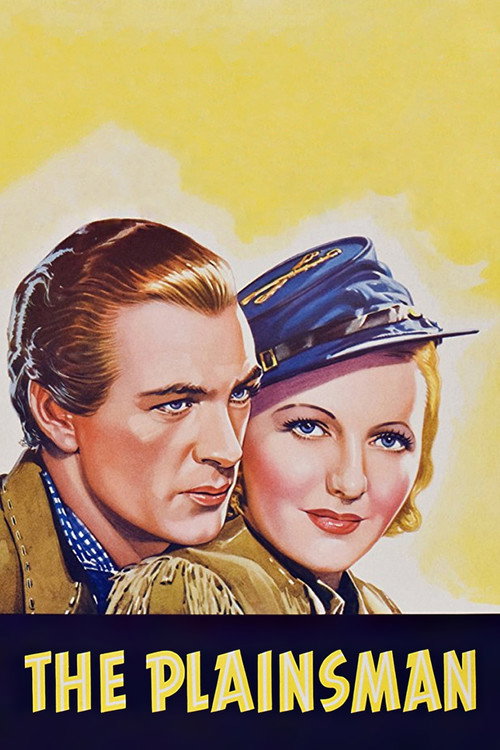
The Plainsman1936
Cecil B. DeMille's sprawling Western where Wild Bill Hickok and Buffalo Bill navigate the collision between frontier legend and historical fact. Energetic, absurd at moments, impossible to look away from.
But DeMille's historical accuracy is... flexible. The action sequences can feel more staged than lived-in.
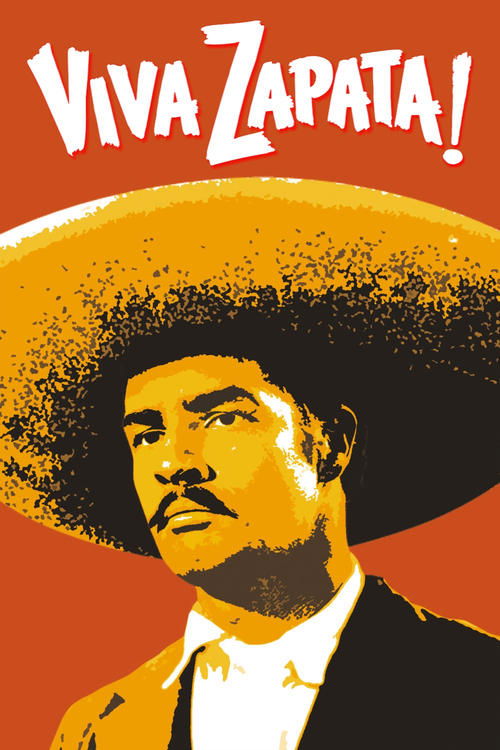
Viva Zapata!1952
Elia Kazan's portrait of revolution and land, where a man of principle must navigate between ideology and survival. It has Mohicans' interest in how loyalty works when the world is fractured.
But It's more political allegory than adventure, and the 1950s production values might feel too polished if you want 1932 authenticity.
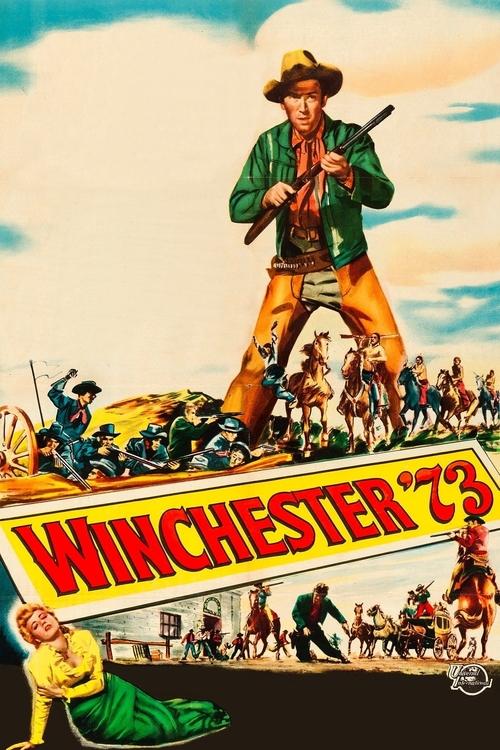
Winchester '731950
Anthony Mann's lean Western where a rifle passes through hands, each scene a small moral chamber. Taut where Mohicans is sprawling, but shares that interest in action as character revelation.
But It's half the length and more cynical. If you want grand adventure and genuine heroism, this will feel diminished.
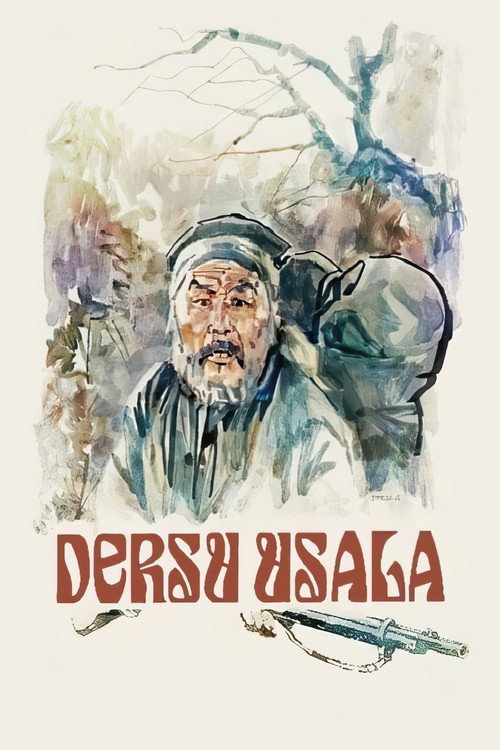
Dersu Uzala1975
Both explore the bond between civilized and indigenous knowledge, the mutual respect earned through shared survival, and the tragedy of that bond in a world that is changing. Both are elegies for a frontier that cannot last.
Kurosawa's quiet masterpiece about a Russian military explorer and an indigenous hunter in the Far East. It has Mohicans' central relationship—the frontiersman and his native guide—and transforms it into something profound and mournful.
But It's meditative rather than action-driven. Long stretches are silent observation. The beauty is austere, not rousing. Not a conventional adventure.
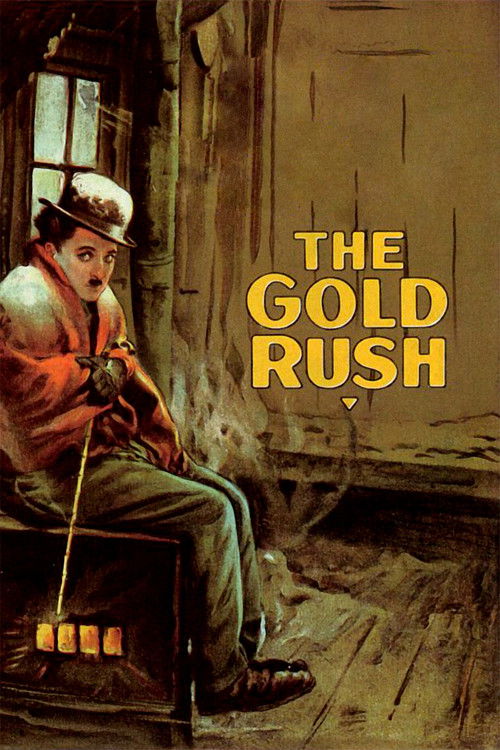
The Gold Rush1925
Both films are fascinated by the frontier as a space where men reveal their true nature through deprivation and hardship. Both mix comedy with genuine peril. Both locate human dignity in how we treat each other when civilization falls away.
Chaplin's silent masterpiece about a man seeking fortune in the Yukon wilderness. Comedy, yes, but also unexpectedly moving—about hunger, community, and the desire to belong. The landscape sequences have genuine epic scale.
But It's a comedy first, adventure second. If you want genuine action and straightforward heroism, the emotional vulnerability and the laughs might feel wrong. Silent, and peculiar.
People
Cast
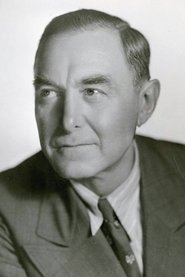 Harry CareyHawkeye
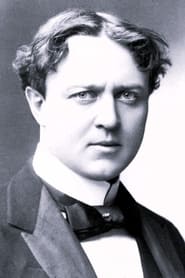 Hobart BosworthChingachgook
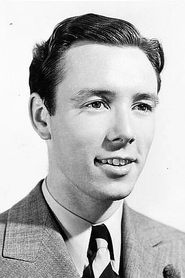 Frank Coghlan Jr.Uncas
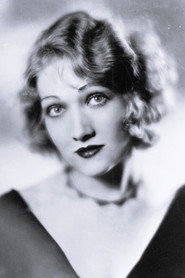 Edwina BoothCora Munro
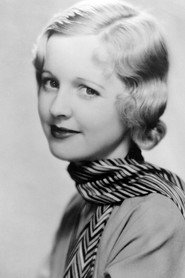 Lucile BrowneAlice Munro
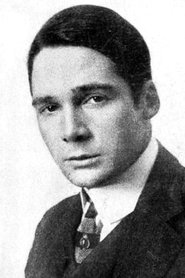 Walter MillerDuncan Heyward
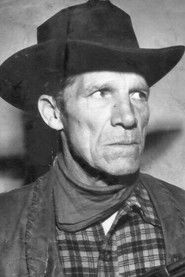 Bob KortmanMagua
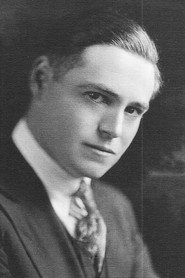 Edward HearnMunro
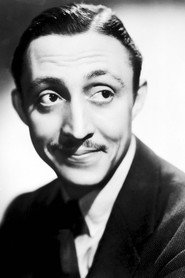 Mischa AuerMontcalm
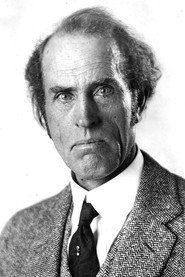 Nelson McDowellDavid Gamut
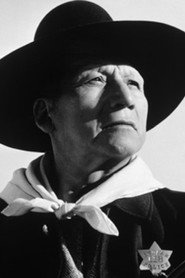 Chief John Big TreeHuron Warrior (uncredited)
Directing
- B. Reeves EasonDirector
- Ford BeebeDirector
Writing
- James Fenimore CooperNovel
- Colbert ClarkScreenplay
- Ford BeebeScreenplay
- Jack NattefordScreenplay
- Wyndham GittensScreenplay