
Film
The Last of the Mohicans
Other titles called The Last of the Mohicans: the 1932 film, the 1936 film, the 1992 film.
A 1920 silent adventure about two sisters caught in the French and Indian War, rescued by the last Mohicans and a frontiersman named Hawkeye. It's a sweeping, romantic spectacle with real action sequences and landscape photography—the kind of early cinema that feels genuinely thrilling if you let it. For anyone curious about how Hollywood told these stories then, or who loves adventure without talking.
If you liked this
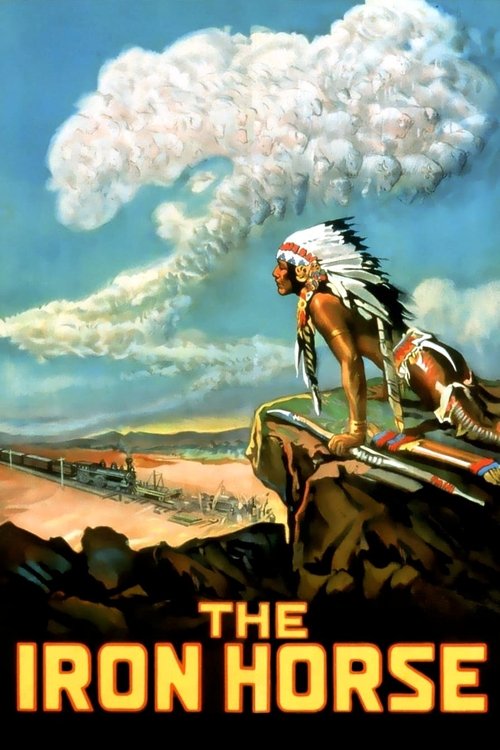
The Iron Horse1925
John Ford's epic Western uses landscape and spectacle like The Last of the Mohicans does, following pioneers across impossible terrain. It's the same scale of storytelling, just pointed westward instead of northeast.
But Silent films move at their own pace, and this one is long—settling in requires patience and a willingness to read title cards.
Intolerance: Love's Struggle Throughout the Ages1916
D.W. Griffith's kaleidoscopic historical epic intercuts four stories across centuries. If you want to understand silent cinema's ambition and visual language, this is the monument—and it's genuinely hypnotic.
But It's challenging and formally experimental in ways that can feel impenetrable on first watch. The politics are also deeply uncomfortable by modern standards.

Nosferatu1922
A masterpiece of atmosphere and dread that proves silent film's power to unsettle. The cinematography and production design are as carefully composed as any drama, just pointed toward horror instead.
But It's eerie and slow-burn rather than action-packed. If you're coming for swashbuckling rescue, you'll find something else entirely.

Not sure tonight? Get a pick in a minute, starting from The Last of the Mohicans
The wildcard
Something you would not have found on your own.
Sunrise: A Song of Two Humans1927
Both films hinge on rescue and moral clarity—a loved one in danger, a man compelled to save them—but Murnau explores the interior cost of that choice where The Mohicans celebrates the heroic act itself.
F.W. Murnau's masterpiece is silent cinema at its peak—a story of temptation and redemption told almost entirely through image and performance, with camera work that still feels revolutionary. It will remake how you think about what film can do.
But It's a chamber drama about marital infidelity, not an adventure. The pace is contemplative. If you're expecting rescue and sword work, you'll be disappointed.

More like this (8)
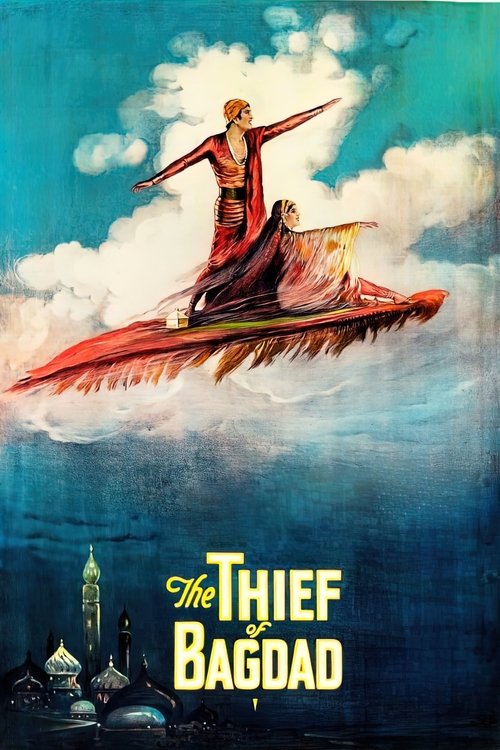
The Thief of Bagdad1924
Douglas Fairbanks in an ornate adventure fantasy with the same rescue-and-romance structure, but bigger sets, wilder action, and a genuinely playful spirit. Pure cinema spectacle.
But The film is episodic and digressive—it meanders in ways modern storytelling doesn't allow. Some viewers find that exhausting rather than charming.
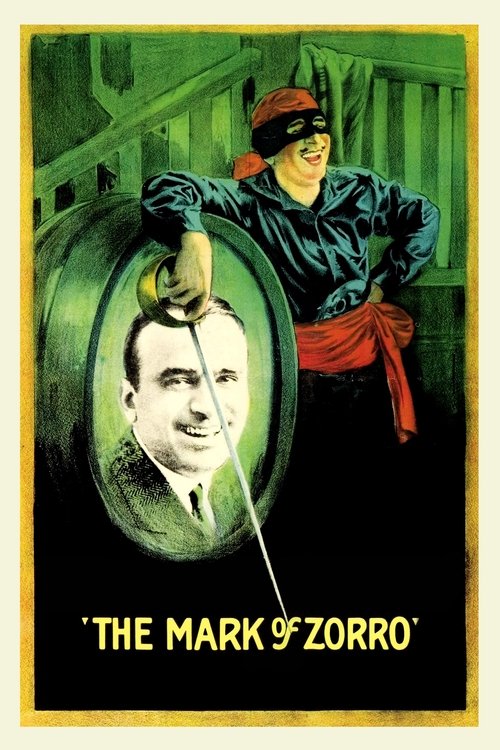
The Mark of Zorro1920
Fairbanks again, but this time as a dual-identity hero fighting tyranny in Spanish California. It has the adventure, the sword work, and the moral clarity that makes Mohicans tick.
But The action is less consistently exciting than you might hope. Much of it relies on Fairbanks's charisma to carry static scenes.
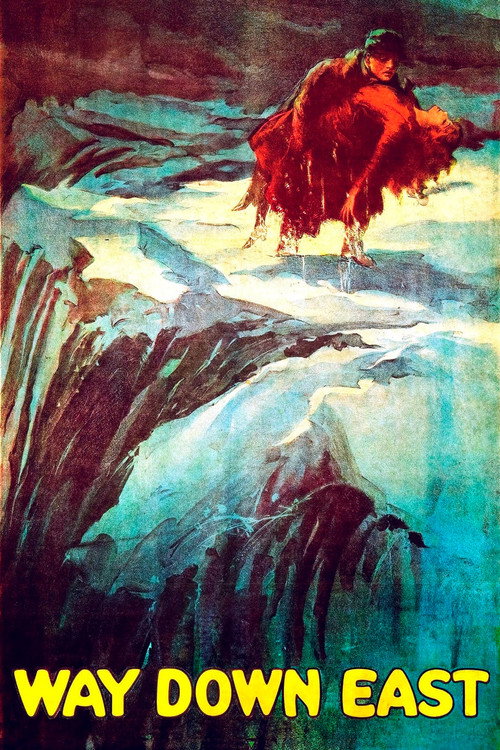
Way Down East1920
D.W. Griffith's melodrama of a woman wronged, featuring an astonishing sequence on a frozen river. It shows how silent cinema could build genuine tension and sympathy without dialogue.
But The plot is deeply sentimental and old-fashioned. The moralizing about female virtue will feel archaic and uncomfortable.
The Phantom Carriage1921
A Swedish ghost story with inventive camera work and a structure that influenced decades of cinema. It's formally ambitious in ways that reward close attention.
But It's a quiet, philosophical film about redemption and regret—not action-oriented. The pace is deliberate to the point of meditative.

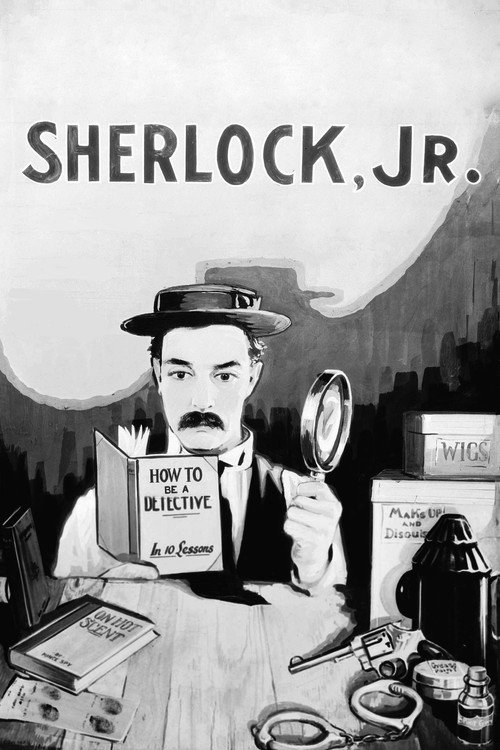
Sherlock Jr.1924
Buster Keaton's comedy-adventure about a film projectionist who dreams himself into a movie. It's inventive, funny, and has real stunts and chase sequences that still thrill.
But It's a comedy first, so if you want dramatic tension and genuine peril, the humor undercuts it. Also quite short—only about forty-five minutes.
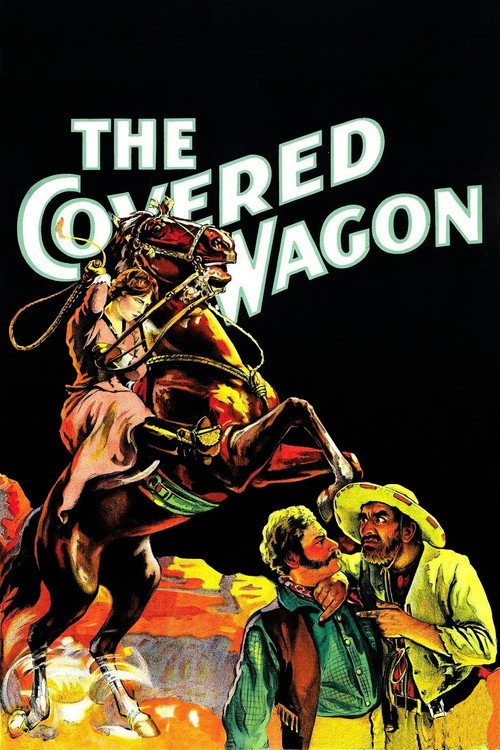
The Covered Wagon1923
James Cruze's Western epic about a wagon train crossing the frontier. It has the historical scope and landscape cinematography of Mohicans, with solid action and romance.
But It's more documentary than drama in places, and the pacing is uneven. The narrative threads don't always land with weight.
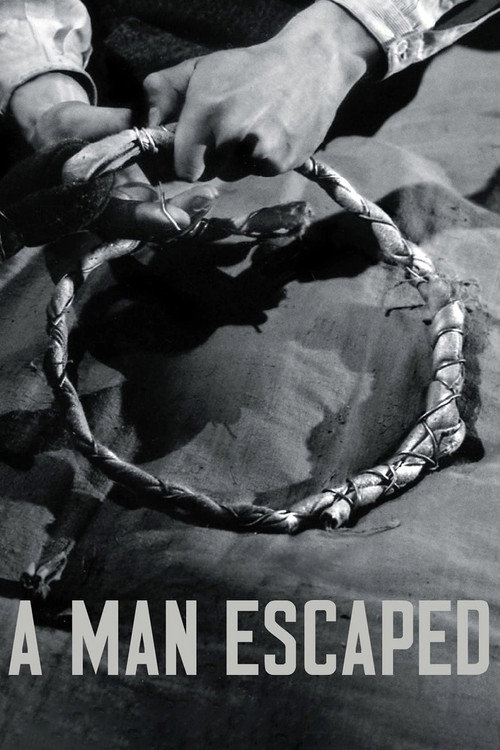
A Man Escaped1956
Both are about men on the run through hostile territory, but Bresson strips away spectacle and sentiment. Where Mohicans gives you landscape and heroism, this gives you the grinding reality of each step.
Robert Bresson's spare, methodical account of a French Resistance fighter engineering his escape from a Nazi prison. It's adventure distilled to its essence: survival, ingenuity, faith. Utterly gripping.
But There's almost no score, no melodrama, no romance. It's austere to the point of austerity. Modern action cinema will seem frantic by comparison.
Come and See1985
Both films use the French and Indian War / WWII as backdrop for a story about a young person caught between sides, but Klimov refuses the narrative comfort that Mohicans offers. One believes in heroism; the other asks what heroism costs.
Elem Klimov's devastating Soviet war film follows a boy conscripted into the Red Army. It's a portrait of innocence destroyed, told with visceral power and moral weight. One of cinema's greatest achievements and most difficult watches.
But It's graphically violent and emotionally harrowing. There is no comfort here, no clear heroism, no rescue. It will wound you.

People
Cast
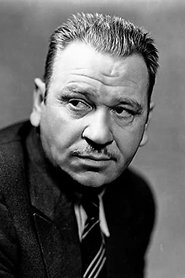 Wallace BeeryMagua
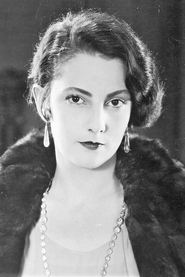 Barbara BedfordCora Munro
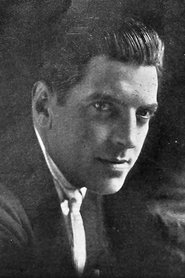 Alan RoscoeUncas
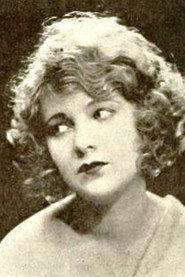 Lillian HallAlice Munro
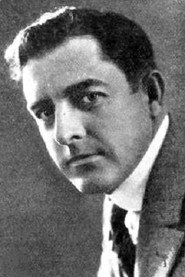 Henry WoodwardMaj. Heyward
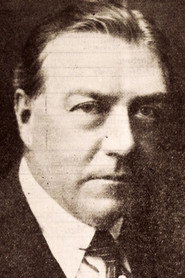 James GordonCol. Munro
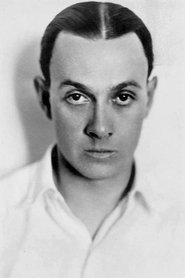 George HackathorneCapt. Randolph
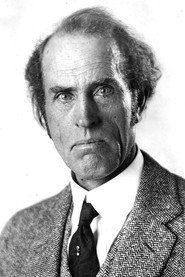 Nelson McDowellDavid Gamut - a Preacher
- Harry LorraineHawkeye - Scout
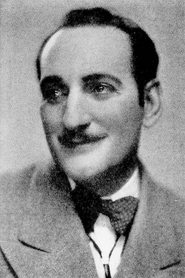 Theodore LorchChingachgook
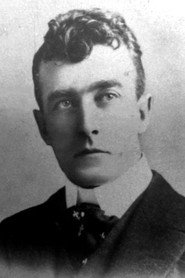 Sydney DeaneGen. Webb
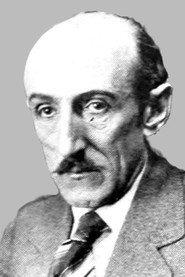 Jack McDonaldTamenund
Directing
- Clarence BrownCo-Director
- Maurice TourneurDirector
Writing
- James Fenimore CooperNovel
- Robert DillonScenario Writer
Production
- Maurice TourneurProducer