
Film
Trader Horn
A 1931 adventure film where an aging trader and his companion trek into unmapped African territory to rescue a lost missionary's daughter, now living as a tribal queen. Shot on location with genuine African landscapes, it's a relic of Hollywood's earliest expansionist fantasies—thrilling to watch as a technical achievement, uncomfortable in nearly every other way. For adventurers willing to sit with historical awkwardness.
Should you watch it?
Watch it if you love early location-shot adventure where the wilderness itself is the main character, and you don't mind creaky sound-era staging to get it.
Skip it if you need brisk pacing or modern attitudes, because its African characters are drawn in colonial-era terms and the talky early-sound scenes drag.
What it asks of you: It runs over two hours at an unhurried, episodic pace, with long stretches of travel and wildlife footage that ask for patience.
Not sure? Find tonight's pick in a minute.
If you liked this
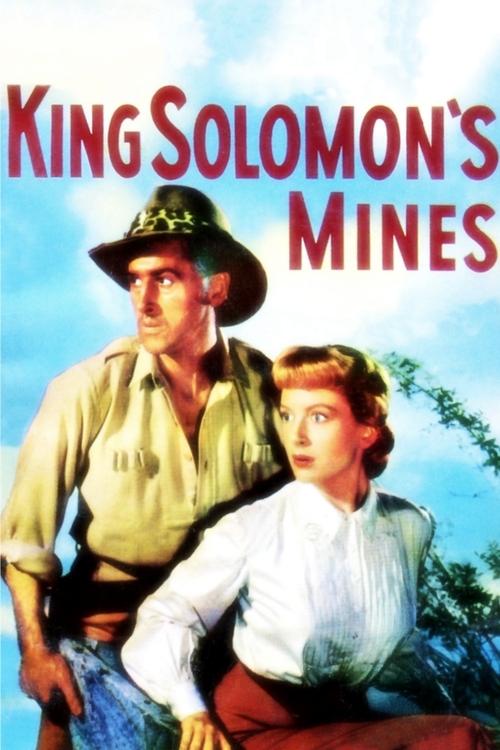
King Solomon's Mines1950
Deborah Kerr and Stewart Granger navigate jungle perils and hidden kingdoms with style and wit. The Technicolor landscapes are stunning, the action beats genuinely exciting, and it's adventure filmmaking at its most confident and entertaining.
But The gender politics are dated (Kerr spends half the film in crisis), and the pacing sags in the middle stretch. Some will find it corny.
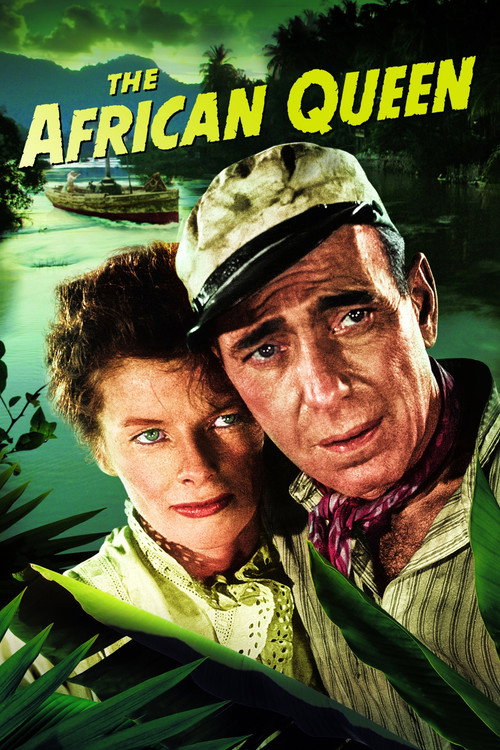
The African Queen1952
Humphrey Bogart and Katharine Hepburn are magnetic in this river-journey adventure that's genuinely funny alongside the genuine peril. John Huston directs with wit and style, and it's a masterclass in how character-driven action works.
But It's slower than modern audiences expect, and the romantic subplot might feel tacked-on if you're purely there for the adventure. Also, it ends quite suddenly.
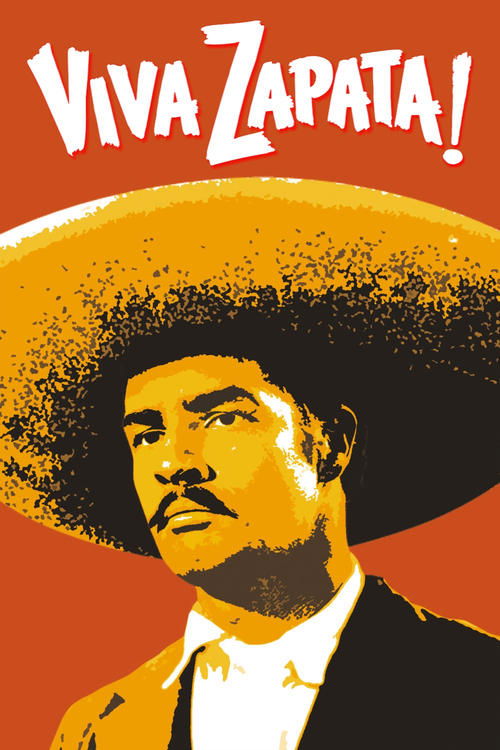
Viva Zapata!1952
Marlon Brando brings raw intensity to the role of a Mexican revolutionary, and Elia Kazan's direction finds moral complexity in a period adventure. It's beautifully shot and surprisingly thoughtful about power and idealism.
But It's heavy and sometimes didactic rather than thrilling. If you want lighthearted fun, this isn't it. Some scenes drag.
Not sure tonight? Get a pick in a minute, starting from Trader Horn
The wildcard
Something you would not have found on your own.
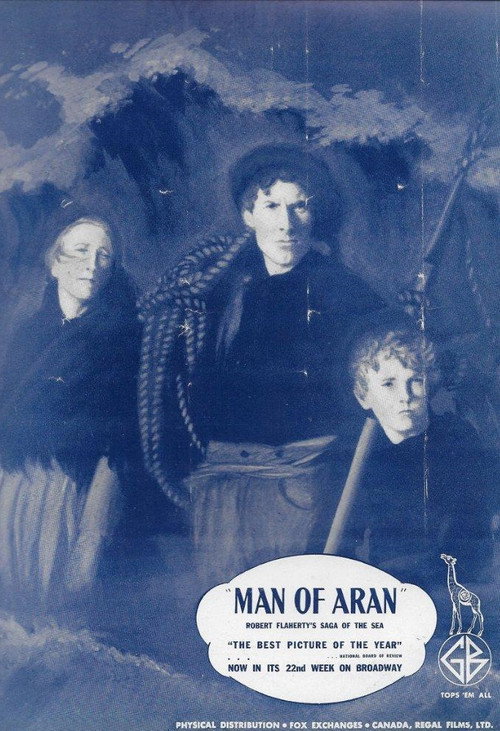
Man of Aran1934
Both films grapple with people in remote, hostile environments through the lens of outsider filmmakers. Both use location as character. But where Trader Horn exploits, Flaherty honors—this is the ethical answer to that film's fantasy.
Robert Flaherty's documentary-hybrid about Aran Islands fishermen doing battle with the sea. It looks like myth and contains genuine, unstaged human struggle. A masterpiece of observational cinema that makes 'adventure' feel earned and real.
But There's barely a plot—it's mood and observation rather than narrative. The artificial staging becomes apparent on close viewing. Very slow, and the aesthetic distance can feel cold.
More like this (8)
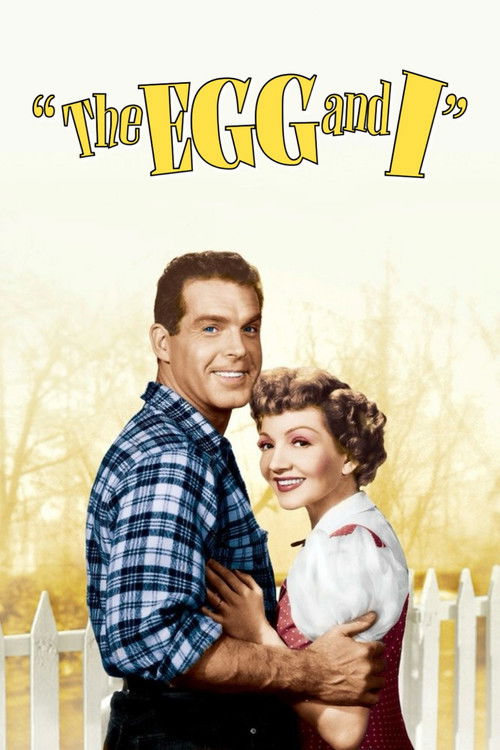
The Egg and I1947
Claudette Colbert and Fred MacMurray's chemistry sparkles in this Washington State homesteading adventure-comedy. It's charming, funny, and captures the real grit of frontier life without making it feel like a slog.
But The cultural attitudes toward Native Americans are cringe-worthy by today's standards. The humor is also very much of its era—some will find it sitcom-flat.
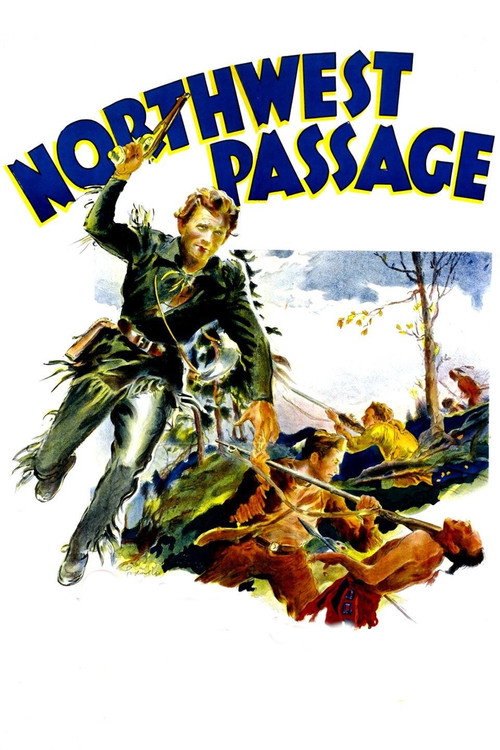
Northwest Passage1940
Spencer Tracy leads an expedition through unmapped wilderness in search of a route to the Pacific. It's gorgeous Technicolor adventure with real stakes, and Tracy's weariness grounds the fantasy elements.
But It's a long film that occasionally feels padded. The treatment of Indigenous peoples is deeply problematic by modern standards. Pacing can feel leisurely.
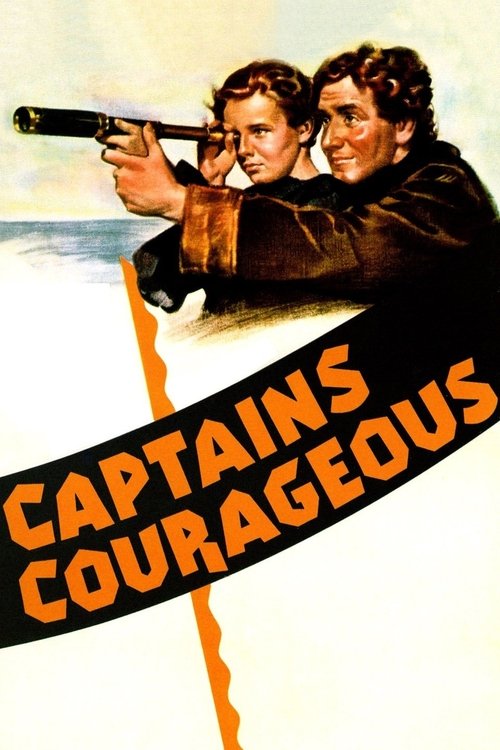
Captains Courageous1937
A spoiled boy learns manhood aboard a fishing vessel through Spencer Tracy's gruff mentorship. It's surprisingly moving, gorgeously shot, and manages genuine emotion beneath the adventure-story trappings.
But The sentiment can feel thick, and the character arc is predictable. Some may find the class dynamics condescending. It's also quite long.
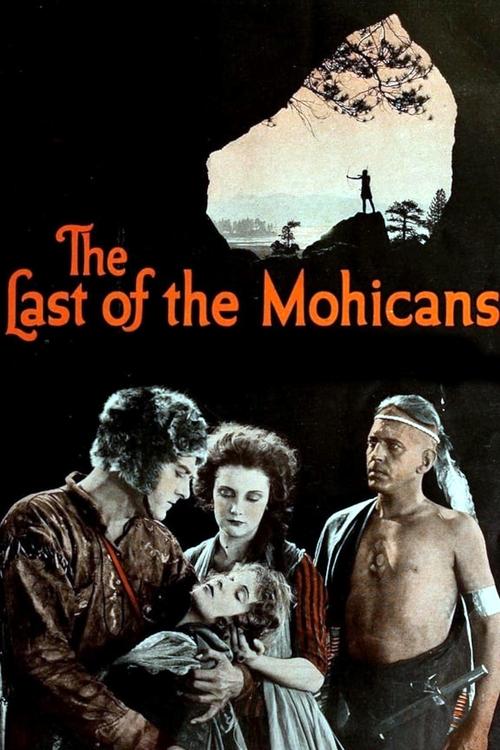
The Last of the Mohicans1920
Silent-era action filmmaking at its most visceral—no dialogue means the action and landscapes do all the heavy lifting. It's impressively mounted for 1920, with genuine thrills and a real sense of scale.
But Silent film requires patience and an openness to the medium's particular grammar. The racial politics are predictable and deeply uncomfortable. No sound design means some sequences feel flat.
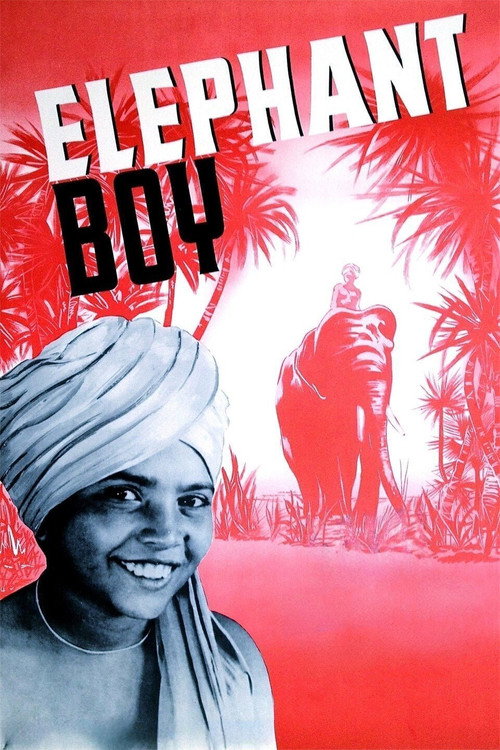
Elephant Boy1937
A boy and his elephant navigate Indian landscapes and colonial intrigue in this Kipling adaptation. It's visually sumptuous, the elephant work is genuinely impressive, and there's real warmth in the boy's performance.
But The plot is thin and episodic. The imperial framework is taken for granted rather than questioned. It's slow by modern standards, and feels dated in register.
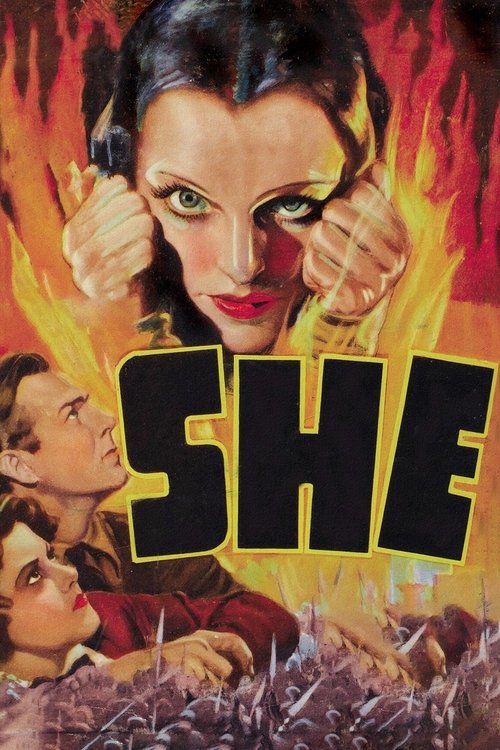
She1935
Lost civilizations, an immortal queen, and jungle intrigue in this early fantasy-adventure. It's imaginatively staged for the era, Helen Gahagan is magnetic, and it's genuinely weird in ways modern cinema rarely attempts.
But The pacing is glacial and the plot lurches between set pieces. The acting styles are very much of the silent-carryover era. It requires real patience and a taste for early sci-fi hokum.
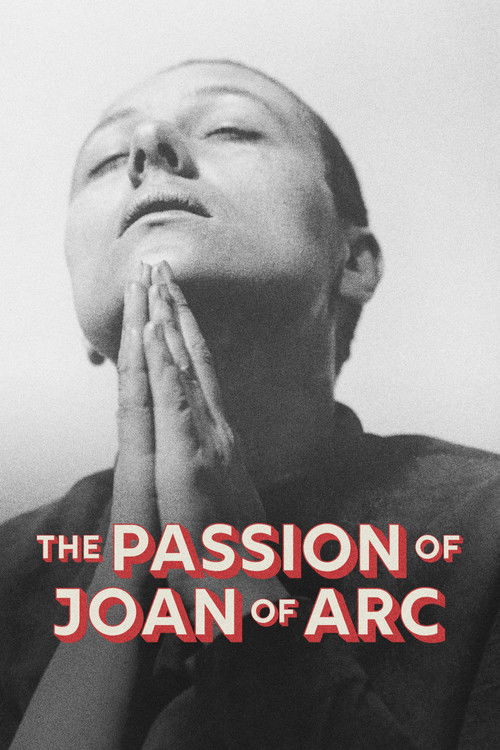
The Passion of Joan of Arc1928
Both are films about conquest and transformation in distant places—but this one inverts the formula. No rescue mission, no rescue possible. The 'savage' becomes saint, the 'civilized' become torturers. A profound inversion of adventure-story logic.
Carl Theodor Dreyer's silent masterpiece tracks Joan of Arc's trial and execution through Renée Jeanne Falconetti's transcendent close-ups and geometric compositions. It's adventure of the soul—suffering and conviction rendered in pure cinema.
But Silent film, obviously. Purely internal drama with minimal plot movement. The pacing is deliberate and sometimes severe. Requires active, patient viewing from a quiet room.
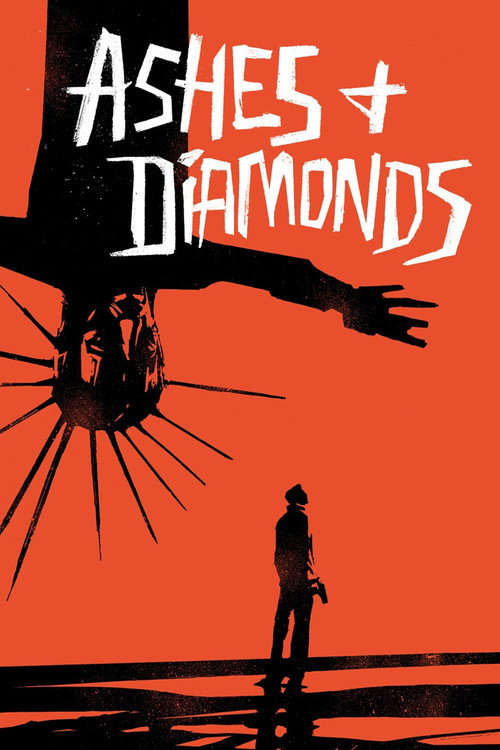
Ashes and Diamonds1958
Both films track the collision between idealism and reality, youth and experience, in remote or hostile environments. But where Trader Horn's idealism is never questioned, this film shows idealism breaking under the weight of actual moral choice. It's what happens when the adventure ends and history begins.
Andrzej Wajda's Polish masterpiece about a young resistance fighter in the hours after WWII ends. It's visually stunning, morally complex, and bristles with tension and beauty. The final scenes are unforgettable.
But It's a film about ideological exhaustion and moral compromise—not uplifting. Polish cinema requires a different aesthetic patience. Black-and-white post-war Warsaw isn't adventure in any traditional sense.
People
Cast
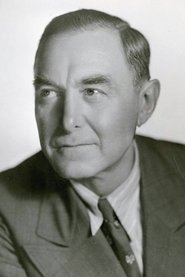 Harry CareyAloysius "Trader" Horn
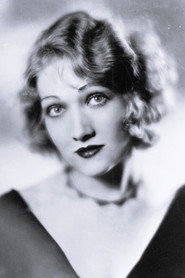 Edwina BoothNina Trent
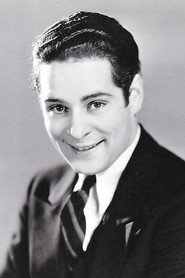 Duncan RenaldoPeru
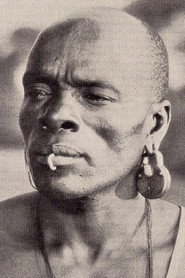 Mutia OmooluRencharo
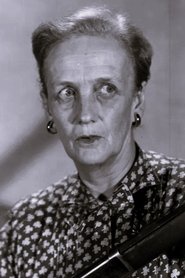 Olive CareyEdith Trent
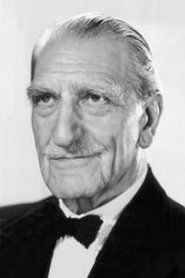 C. Aubrey SmithSt. Clair (uncredited)
- Riano TindamaWitch Doctor (uncredited)
Directing
- W.S. Van DykeDirector
Writing
- Dale Van EveryAdaptation
- John T. NevilleAdaptation
- Cyril HumeDialogue
- Ethelreda LewisNovel
- Richard SchayerScreenplay
- Dale Van EveryWriter
Production
- Irving ThalbergProducer
- James C. McKayProduction Assistant
Recommended by
King Solomon's Mines, Tarzan and His Mate, Tarzan of the Apes