
Film
Elephant Boy
A 1937 adventure about a young Indian mahout guiding British elephant hunters through the jungle. Shot partly on location in India with real elephants, it's a earnest colonial-era yarn with genuine spectacle—the kind of film that shows you something you've genuinely never seen before, even if the politics haven't aged well. For anyone who loves old Hollywood taking on exotic locations, or just elephants being magnificent.
Should you watch it?
Watch it if you enjoy unhurried 1930s adventure, where the story rides on a boy's bond with animals and the rhythm of a long journey more than on clever plotting.
Skip it if you want a brisk, modern narrative or find the colonial-era framing hard to sit with, since the British hunting party is presented through its period attitudes.
What it asks of you: At 82 minutes it is brief and episodic, with long stretches of watching animals and landscape that reward patience more than attention to dialogue.
Not sure? Find tonight's pick in a minute.
If you liked this
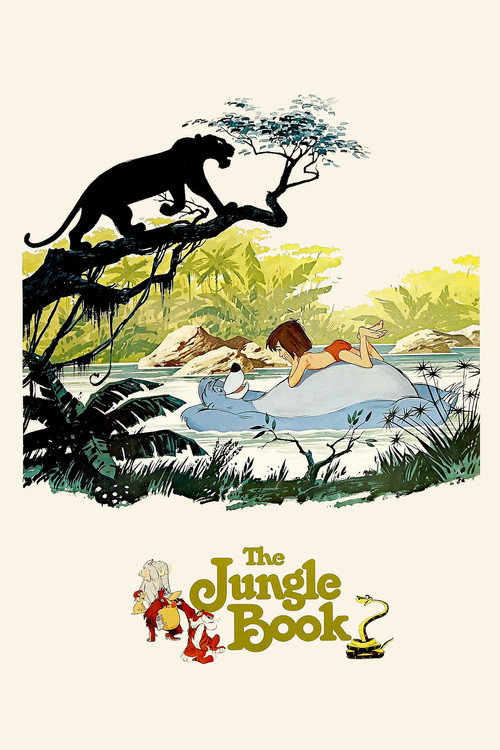
The Jungle Book1967
Disney's animated version captures the same spirit of wonder at the natural world and unfamiliar cultures, with lush animation and a young protagonist learning his place in a wild landscape. Mowgli's journey has real stakes beneath the charm.
But It's animation, so some expect it to be lighter fare than it is. The colonialism subtext is less foregrounded than in Elephant Boy, which matters if that's what drew you.
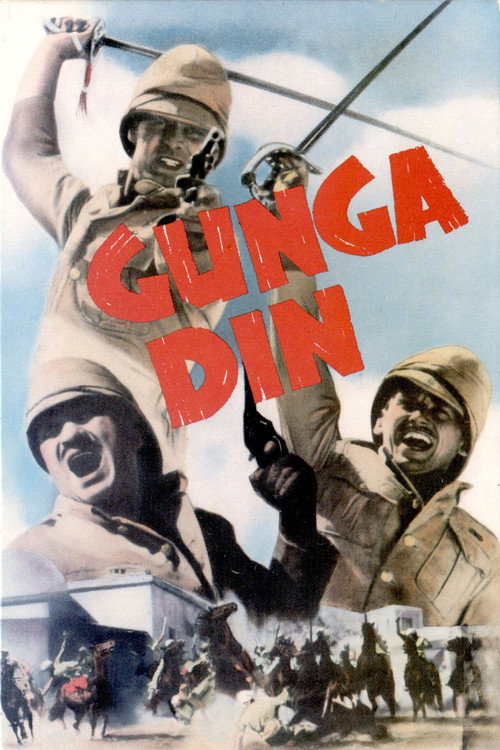
Gunga Din1939
Two years after Elephant Boy, Cary Grant and Douglas Fairbanks Jr. do swashbuckling adventure in India with the same Technicolor sheen and wild-eyed enthusiasm. It's ridiculous and hugely entertaining, with a climax that still takes your breath away.
But The racial politics are right there on the surface in ways that make modern viewers uncomfortable. It's unironic about the British Raj in a way even 1937 was beginning to question.
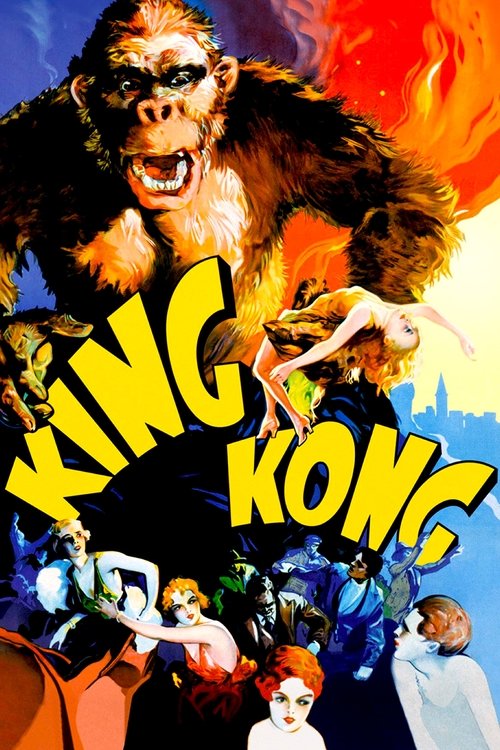
King Kong1933
The same sense of journeying into unknown wilderness to capture something magnificent and dangerous. Kong has the same technical ambition Elephant Boy shows—what could cinema actually *do* in 1933? Both films are about marveling at scale and spectacle.
But Kong is driven by plot and action where Elephant Boy moves at a slower, more observational pace. If you want constant momentum, this is a different rhythm.
Not sure tonight? Get a pick in a minute, starting from Elephant Boy
The wildcard
Something you would not have found on your own.
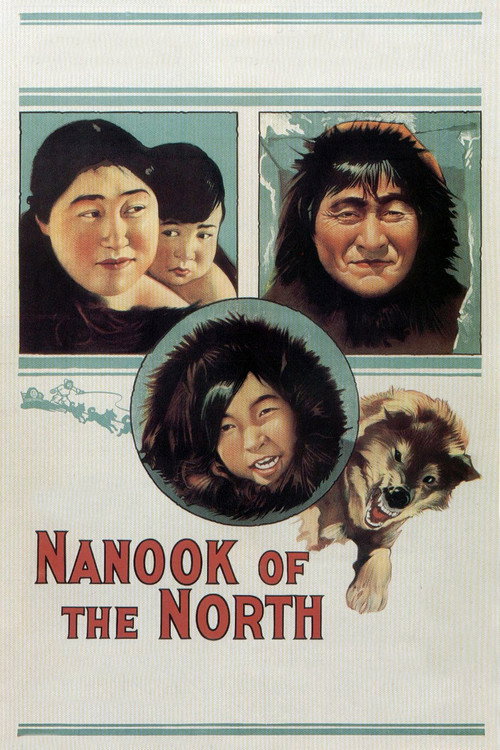
Nanook of the North1922
Both are travelogue adventures rooted in real locations and real people doing real work. Both assume that watching someone competent do their job in an unfamiliar landscape is inherently fascinating. Both are about humans in relationship with their environment.
A documentary that invented the form—watching a man and his family survive in the Arctic with ingenuity, dignity, and humor. Shot on location with real conditions, it shares Elephant Boy's sense of wonder at how humans survive in extreme environments and work with nature's challenges rather than against them.
But It moves very slowly by modern standards, and the 'documentary' label shouldn't fool you—it's constructed and staged, which raises ethical questions about representation. Also, it's black and white and silent, so the sensory experience is completely different.
More like this (8)
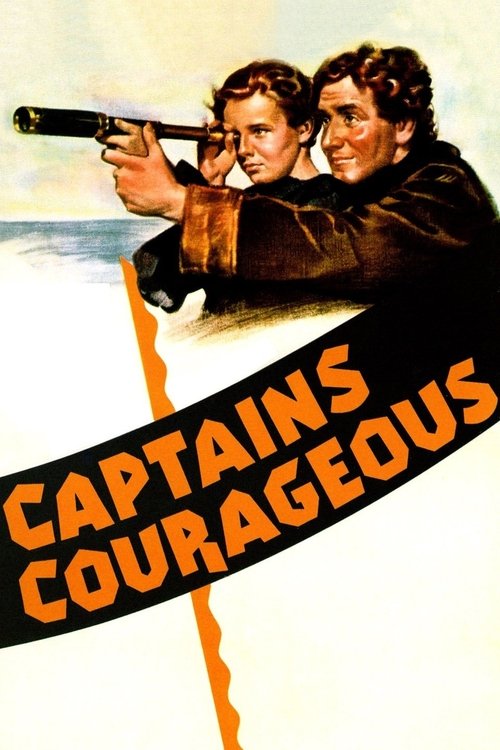
Captains Courageous1937
Also 1937, also about a young boy learning from older men in a world completely foreign to him. Spencer Tracy is magnificent, and the film has real affection for the work and the people who do it—just like Toomai's respect for the elephants and their handlers.
But It's a sea story, not a jungle adventure, so if you wanted exotic locations and animal spectacle specifically, this pivots away from that.
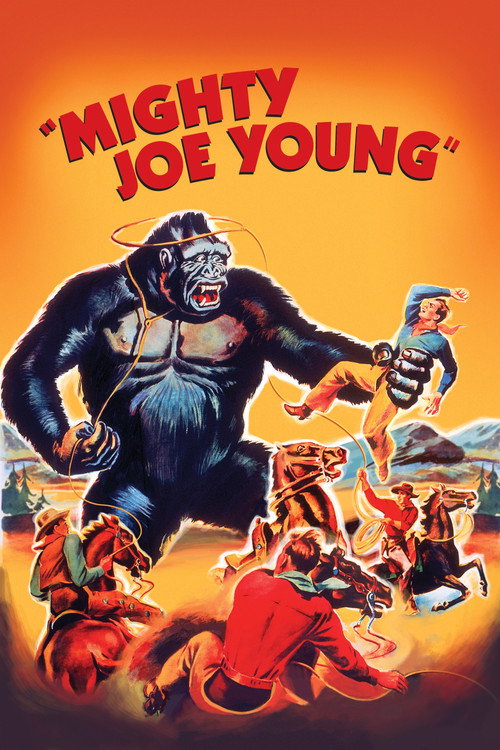
Mighty Joe Young1949
A gorilla—enormous, powerful, but gentle at heart—bonds with a young person who understands him. The special effects are astonishing for the era, and there's real tenderness underneath the adventure, like the relationship between Toomai and his elephant.
But Post-war Hollywood sentimentality can feel thick. The film wants you to have feelings about the animal, which works beautifully unless you're allergic to earnestness.
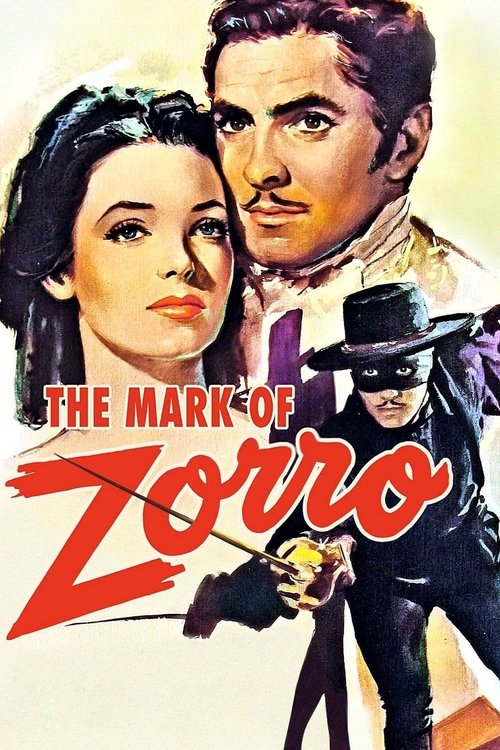
The Mark of Zorro1940
Tyrone Power swashing and buckling across old California with real flair and a moral purpose. The action is crisp, the adventure genuine, and there's intelligence underneath—a character using his wits as much as his sword.
But It's a completely different register of adventure—urban, masked hero, romance subplot. If you wanted the jungle expedition specifically, this goes elsewhere.
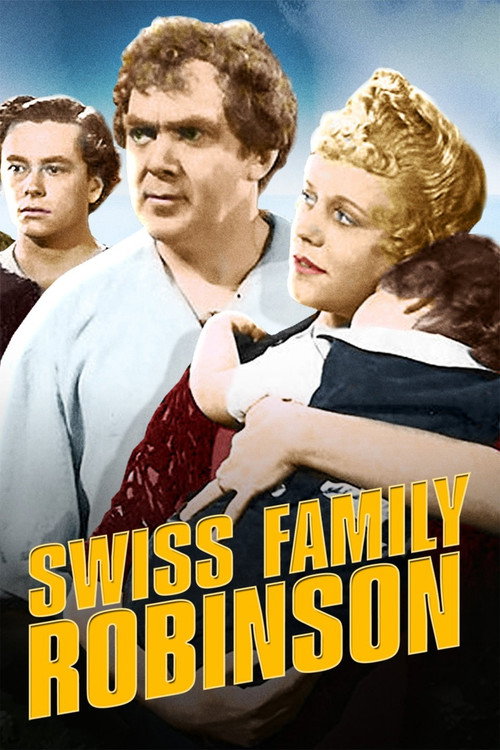
Swiss Family Robinson1940
Another British-era adventure about making your way in an unfamiliar landscape, this time as a whole family. Practical ingenuity and survival, a found family learning to live together, genuine stunts and location shooting that feels earned.
But It's episodic—moving from problem to problem rather than building toward a climax. Some find that meandering; others find it restful.
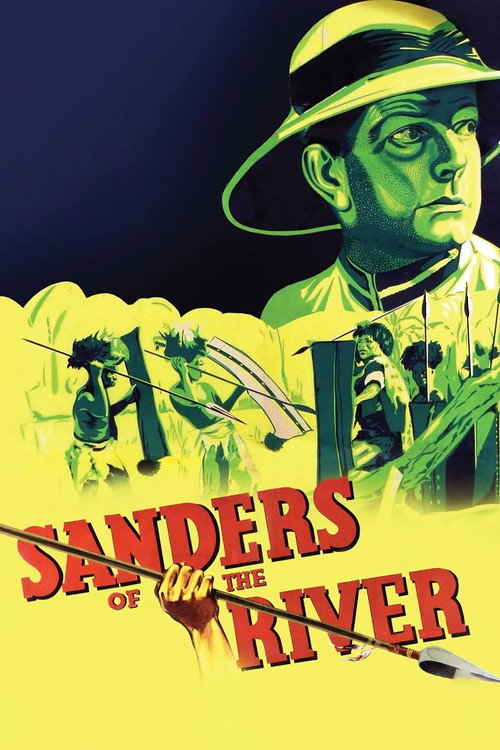
Sanders of the River1935
Paul Robeson in Africa, shot partly on location, with real footage of actual places and actual people woven in. It's colonial adventure but with Robeson's presence and dignity pushing back against the usual narratives. The spectacle is genuine.
But The film's politics are confused and contradictory—it was heavily edited after initial release, and you can feel the tug-of-war between different visions. Also, the treatment of African characters reflects its era in ways that won't sit easy.
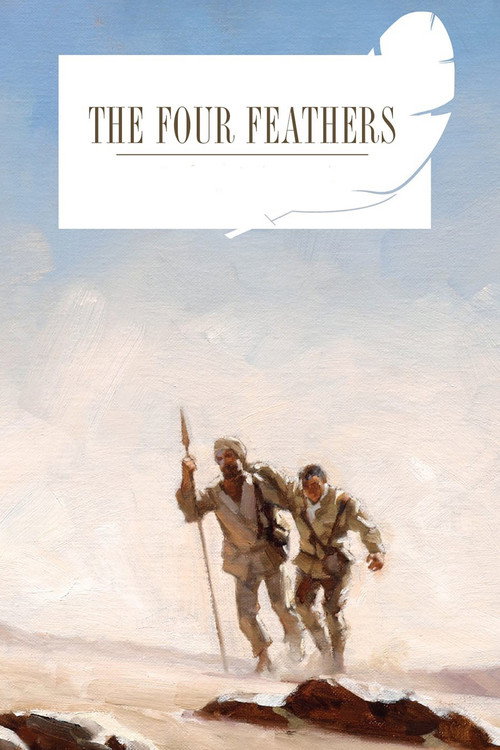
The Four Feathers1939
Colonial adventure with real moral weight—a British officer accused of cowardice has to prove himself in Sudan. Gorgeous Technicolor, ambitious action sequences, and a script that actually asks questions about courage and honor rather than just showing off.
But It's a revenge narrative with a love triangle, which some find schematic. The pacing can feel deliberate if you're hungry for spectacle every five minutes.
The Phantom Carriage1921
Both are 1920s-era films about a young person apprenticing to an older guide figure—learning how the world actually works from someone who knows it deeply. Both have extraordinary technical ambition for their era. Both are about witnessing and understanding rather than conquest.
A Swedish ghost story with technical virtuosity that still astounds—dissolves, double exposure, practical effects that seem impossible. It's hypnotic and strange, about redemption and the past catching up with you, with a young protagonist learning from an older man's regrets.
But It's a ghost story, not an adventure, and it's in Swedish with intertitles. The register is melancholy and spiritual rather than thrilling. If you wanted excitement and spectacle, this is the opposite—it's about stillness and haunting.

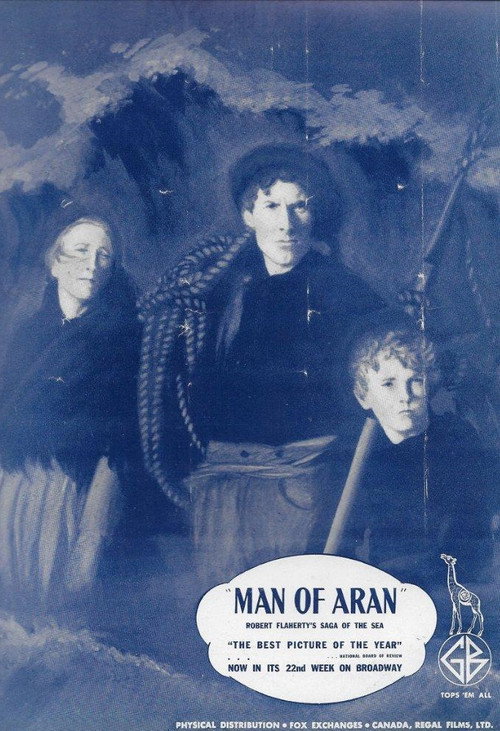
Man of Aran1934
Like Elephant Boy, it's a hybrid form—part documentary, part narrative—shot partly on location with real people in their real landscape. Both films are about observing expertise and survival with genuine respect. Both trust that watching someone do their work competently is cinema enough, without melodrama.
Documentary-fiction hybrid about islanders off the Irish coast, fishing and farming in brutal conditions. Shot on location with non-actors doing real work, it has the same visual poetry and respect for human competence that Elephant Boy shows—watching someone do what they know how to do, brilliantly.
But Extremely slow, almost meditative. There's no plot in the conventional sense, just human beings working against the elements. And it's utterly bleak—beautiful but austere. If you wanted adventure and excitement, this is contemplative and austere instead.
People
Cast
 SabuToomai
- W.E. HollowayToomai's Father
 Walter HuddPetersen
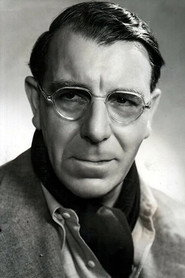 Allan JeayesMachua Appa
 Bruce GordonRham Lahl
- D.J. WilliamsHunter
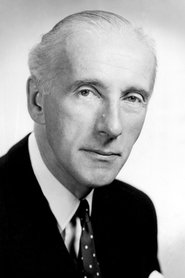 Wilfrid Hyde-WhiteCommissioner
- IravathaKala Nag (uncredited)
- Harry LaneBit Part (uncredited)
- Udham SinghMan in Crowd (uncredited)
Directing
- David FlahertyAssistant Director
- Teddy BairdAssistant Director
- Robert FlahertyDirector
- Zoltan KordaDirector
- John PommerSecond Assistant Director
Writing
- John CollierScreenplay
- Lajos BiróScript Editor
- Rudyard KiplingShort Story
Production
- Alexander KordaProducer
- André de TothProduction Assistant
- Fred EllisProduction Manager
- Teddy BairdProduction Manager
Recommended by
Kim, The Jungle Book, Where No Vultures Fly, Trader Horn, The Drum, Wee Willie Winkie, Sanders of the River