
Film
Wee Willie Winkie
- Military action
- Light-hearted
A 1937 adventure film starring child star Shirley Temple as a spirited American girl navigating British military life in colonial India. Directed by John Ford, it's a romp through Empire with comedy, spectacle, and sentiment, built on Temple's extraordinary charm. The kind of film that delights in its own pageantry—swords, horses, exotic settings—while centering a precocious child's resourcefulness. For families and classic film enthusiasts.
Should you watch it?
Watch it if you enjoy old-fashioned family adventure told with a child's-eye view, where a brisk Kipling-flavored military yarn is played for warmth and cheeky charm.
Skip it if you find the 1930s colonial setting hard to sit with, since its view of British India and its soldiers is uncritical and the sentimentality runs thick.
What it asks of you: Expect a leisurely, episodic pace over roughly 100 minutes, with a fair amount of sitting around outposts and sentiment to wade through before the action picks up.
Not sure? Find tonight's pick in a minute.
If you liked this
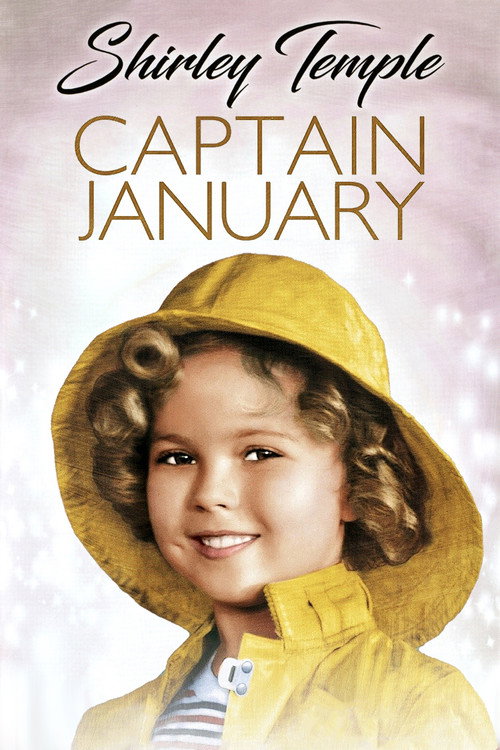
Captain January1936
Another Shirley Temple vehicle that leans hard into her gifts for charm and precocity. A lighter, more intimate affair than Winkie—she's aboard a lighthouse instead of an army garrison—but with the same warmth and physical comedy that made her a superstar.
But Temple's appeal is generational; if you find her cuteness grating rather than magnetic, this won't convert you. The sentimentality runs thick.
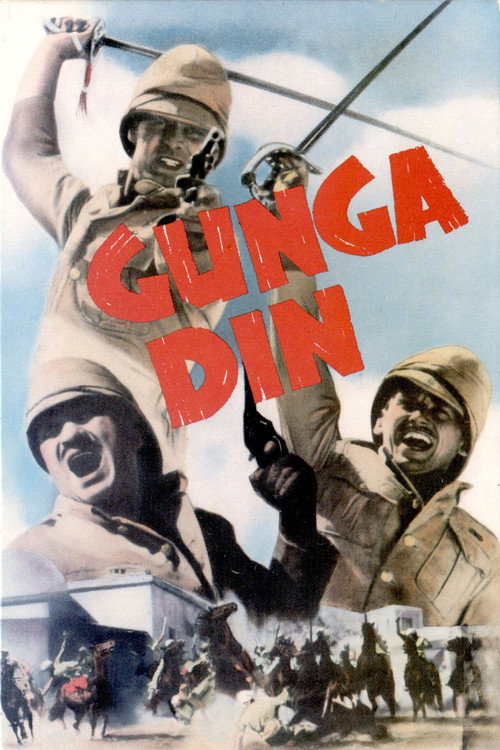
Gunga Din1939
The same colonial India setting, same adventure-film energy, same era of filmmaking. Cary Grant, Douglas Fairbanks Jr., and Victor McLaglen (who's also in Winkie) in a rousing, absurd, wildly entertaining adventure. It's what grown-ups' version of this world looks like.
But Aggressively of its time in its attitudes toward India and its people. The film treats colonialism as rollicking fun, which modern viewers may find uncomfortable or worse.
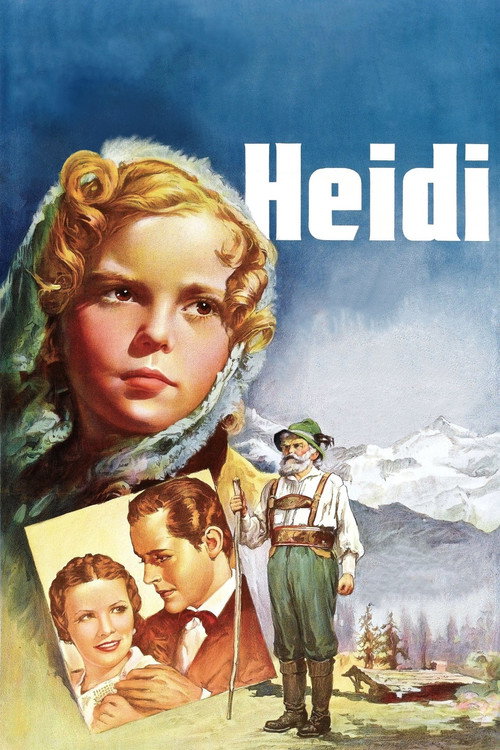
Heidi1937
Released the same year as Winkie, another Shirley Temple classic about a child in an exotic (here: Alpine) setting learning to charm adults and right small wrongs. Simple, pure, and beautifully made. If Winkie works for you, this will too.
But Even gentler and slower than Winkie. There's almost no plot—it's atmosphere and Temple's face for 88 minutes. Some will find it dull.
Not sure tonight? Get a pick in a minute, starting from Wee Willie Winkie
The wildcard
Something you would not have found on your own.
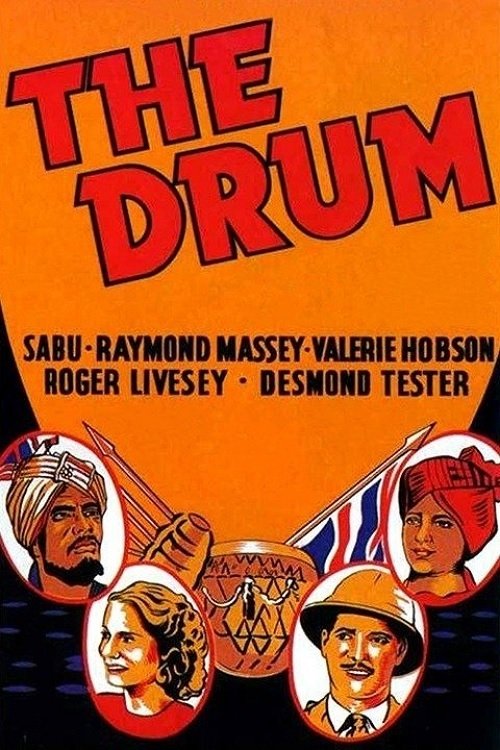
The Drum1938
Both are John Ford films set in the same imperial India, but Ford made two contradictory statements about the world: one frivolous, one haunted by the cost of what it depicts.
A British adventure in colonial India made the year after Winkie, but told as tragedy and moral reckoning rather than romp. It has the same world—the outpost, the officers, the conflict—but treats it with genuine darkness. Beautiful cinematography; genuinely moving.
But It's serious. The childhood adventure gives way to death and betrayal. If you want Winkie's lightness, this inverts it entirely.
More like this (7)
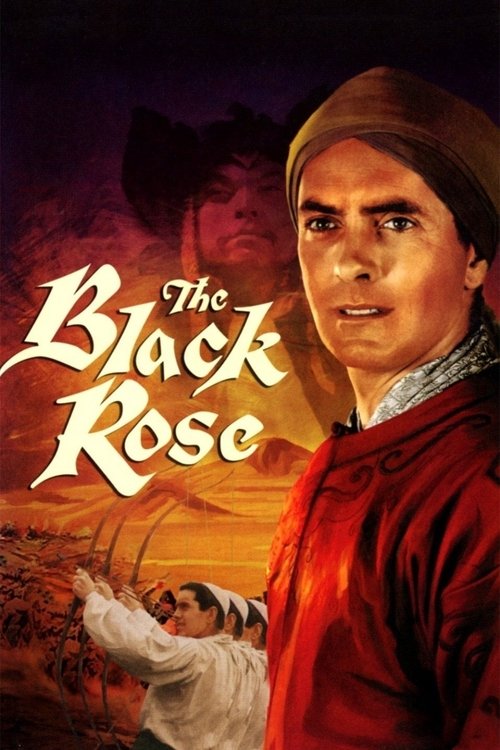
The Black Rose1950
A later Technicolor adventure set partly in Asia with a similar spirit of spectacle and exoticism. Tyrone Power and Orson Welles provide star power; it's got the same propulsive momentum and gorgeous set dressing as Winkie without the child-centric plot.
But It's slower and more ponderous than it should be. Post-war cinema has thickened it with melodrama that Winkie avoids.
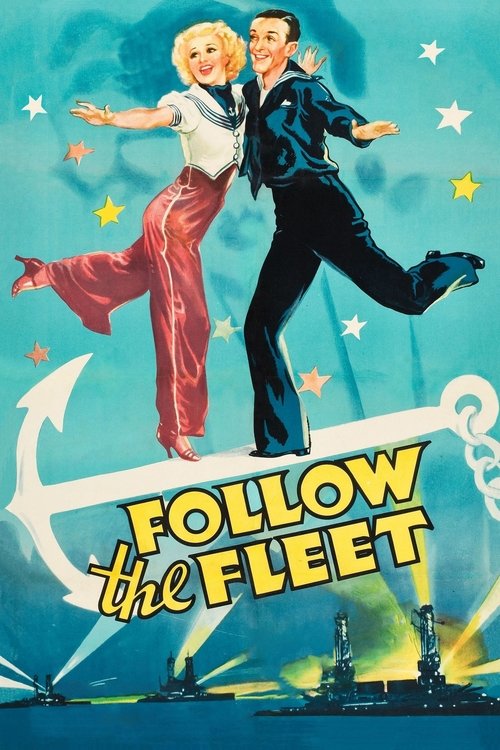
Follow the Fleet1936
Fred Astaire and Ginger Rogers in a military-adjacent adventure-comedy from the same year. The romance and music lift it, but it has that same golden-age Hollywood sense of jingoism mixed with genuine sweetness that gives Winkie its character.
But It's a musical, and if you don't buy into the dance numbers, long stretches will feel padded. The plot is flimsy even by 1936 standards.
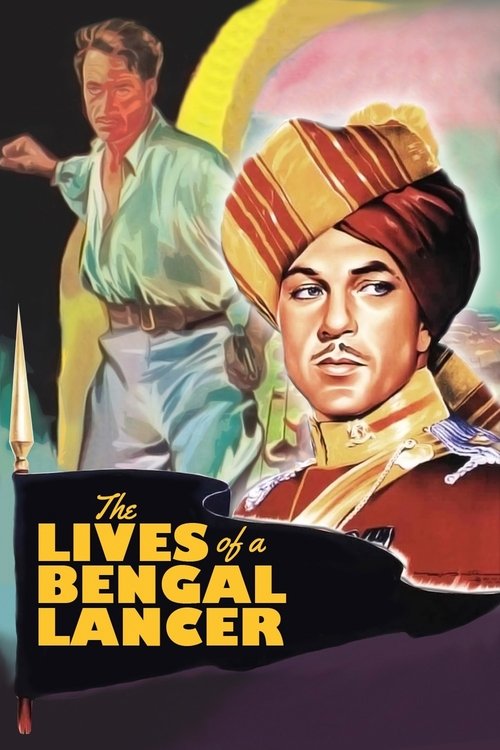
The Lives of a Bengal Lancer1935
Gary Cooper in the same India setting, same British military world. It's a proper adventure film with real stakes and danger, closer in tone to Gunga Din than Winkie but with that same appetite for exotic spectacle and uniform drama.
But It's earnestly imperialist in a way that hasn't aged well. The 'noble British bringing order' message is unexamined and constant.
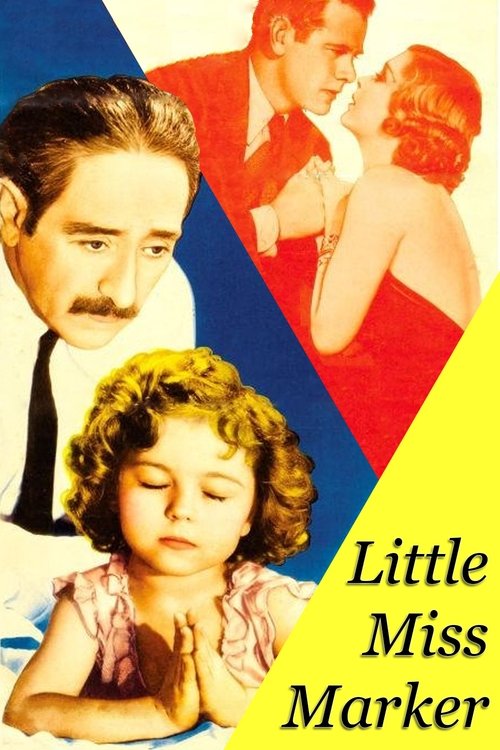
Little Miss Marker1934
An earlier Shirley Temple film that captures what made her work: she's sharp, unsentimental, and funny in ways child actors usually aren't. It's grittier than Winkie—set in the urban underworld—but shows her range beyond military melodrama.
But The plot involves gambling and a child as collateral, which sounds darker than it plays. Still, some will find it genuinely uncomfortable.
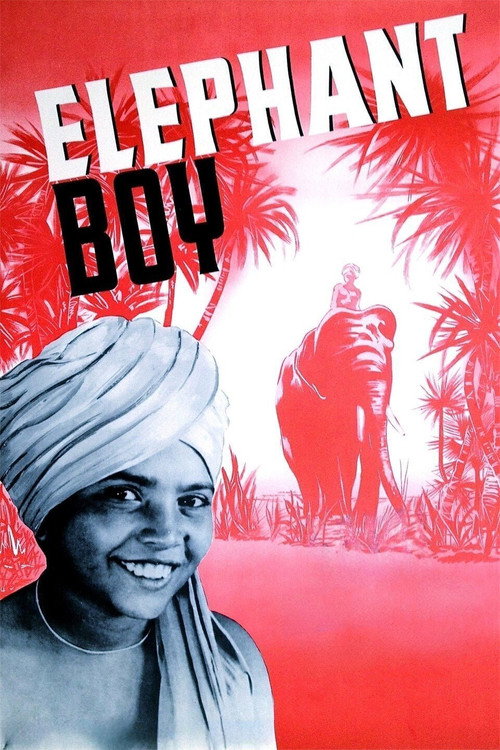
Elephant Boy1937
Same year, same colonial setting, similar family-adventure vibe. A real animal (well, a real elephant) and Technicolor. For viewers who loved Winkie's exotic backdrop but want something slightly different in texture and focus.
But It's slow and plotless by modern standards. The elephant is the real star, and it doesn't do much more than stand around looking impressive.
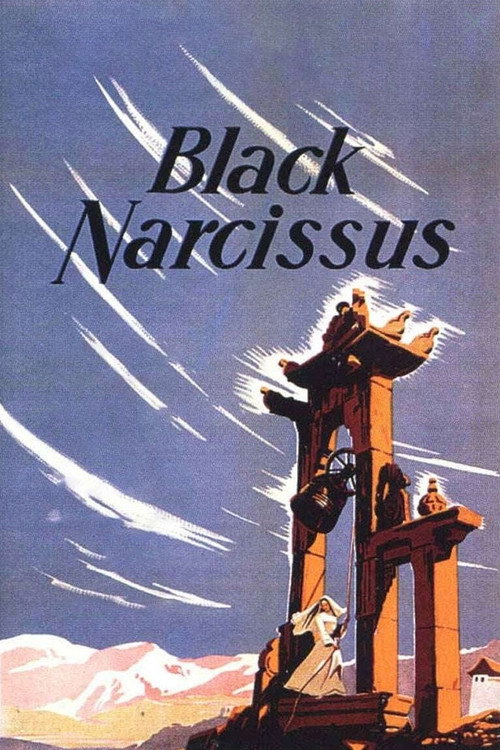
Black Narcissus1947
The same setting (colonial Asia, British outposts) viewed from the opposite emotional angle—not an adventure but a moral and psychological trap. Where Winkie sees the empire as backdrop for charm, Black Narcissus sees it as a pressure cooker.
Not a child's film at all. A group of Anglican nuns establish a mission high in the Himalayas and slowly unravel under isolation, desire, and the weight of their own convictions. Technicolor, visually ravishing, genuinely unsettling. Powell and Pressburger are incomparable.
But It's psychologically dark and sexually charged in ways that will disturb viewers expecting adventure. Also: the film's treatment of the local people is complicated and occasionally cringe.
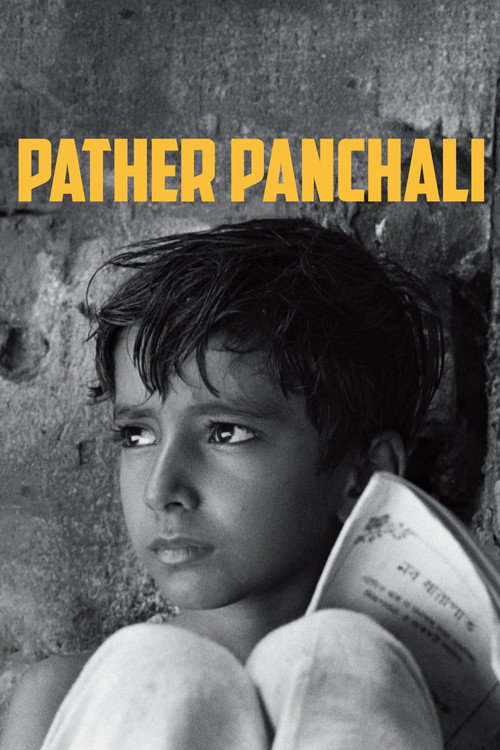
Pather Panchali1955
Both films are about India, but Ray shows the India that existed beyond the edges of Winkie's frame—the world the empire didn't care to look at. A corrective and a revelation.
Satyajit Ray's masterpiece about a Bengali family in rural India. Nothing like Winkie in tone or subject, but it's the anti-Winkie: a film about India made by an Indian filmmaker for whom the colonial world doesn't exist at all. Deeply moving, intimate, real.
But It's slow, in Hindi with subtitles, and concerns itself with poverty and grief. No adventure, no spectacle, no child star. If you came for Winkie's energy, you'll have to meet this on entirely different terms.
People
Cast
 Shirley TemplePriscilla 'Winkie' Williams
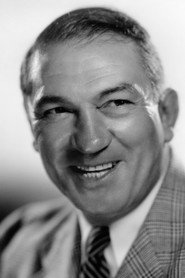 Victor McLaglenSgt. Donald MacDuff
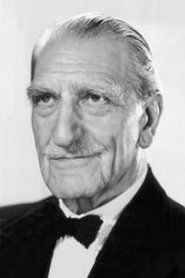 C. Aubrey SmithColonel Williams
 June LangJoyce Williams
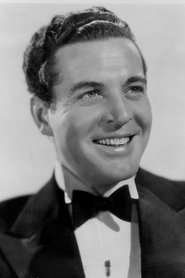 Michael WhalenLt. Brandes aka 'Coppy'
 Cesar RomeroKhoda Khan
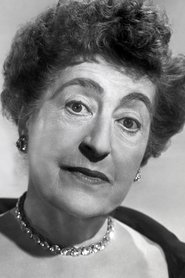 Constance CollierMrs. Allardyce
 Douglas ScottMott
 Gavin MuirCapt. Bibberbeigh
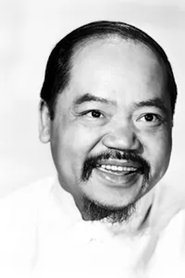 Willie FungMohammet Dihn
 Brandon HurstBagby
- Lionel PapeMajor Allardyce
Directing
- Edward O'FearnaAssistant Director
- John FordDirector
Writing
- Ernest PascalScreenplay
- Julien JosephsonScreenplay
- Rudyard KiplingStory
Production
- Darryl F. ZanuckProducer
Recommended by
The Hurricane, Rebecca of Sunnybrook Farm, The Littlest Rebel, Stowaway