
Film
Rebecca of Sunnybrook Farm
- Drama
- Light-hearted
A 1938 family film starring Shirley Temple as an orphan girl navigating small-town life, strict guardianship, and unexpected opportunities. It's a gentle, sentimental picture—Temple at her most charming, singing and tap-dancing her way through modest drama. Perfect for viewers who love golden-age Hollywood earnestness and child performer spectacle.
Should you watch it?
Watch it if you want a sunny, old-fashioned Hollywood family picture where sentiment is sincere and a plucky girl's optimism is the whole point.
Skip it if you find wholesome, gentle sentiment cloying, or need a story with real edge; its pace is leisurely and its morals are delivered without much irony.
What it asks of you: Eighty minutes, mostly light and brisk, with a sweetness you accept on its own terms, and a willingness to meet it halfway on sentiment rather than heavy attention.
Not sure? Find tonight's pick in a minute.
If you liked this
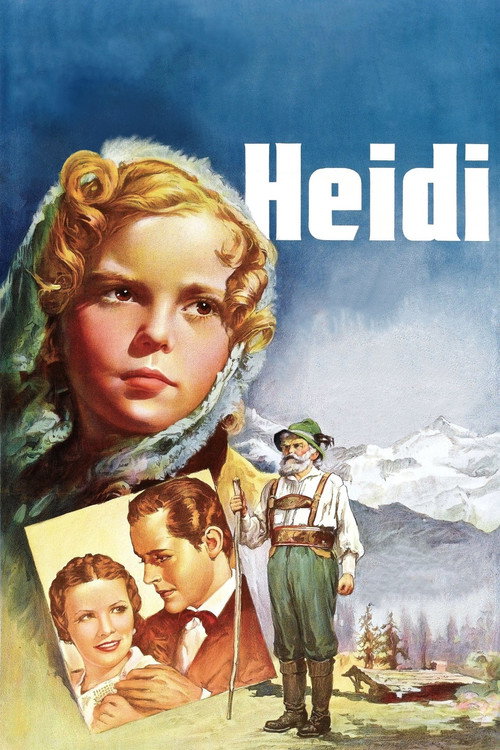
Heidi1937
Shirley Temple in another orphan-finds-love story, with similar warmth and lighter stakes. If you enjoyed her in Rebecca, this Swiss setting and Grandfather subplot hit the same emotional note.
But The sentimentality is even thicker here, and some plot developments strain credibility. By modern standards, both feel slow.
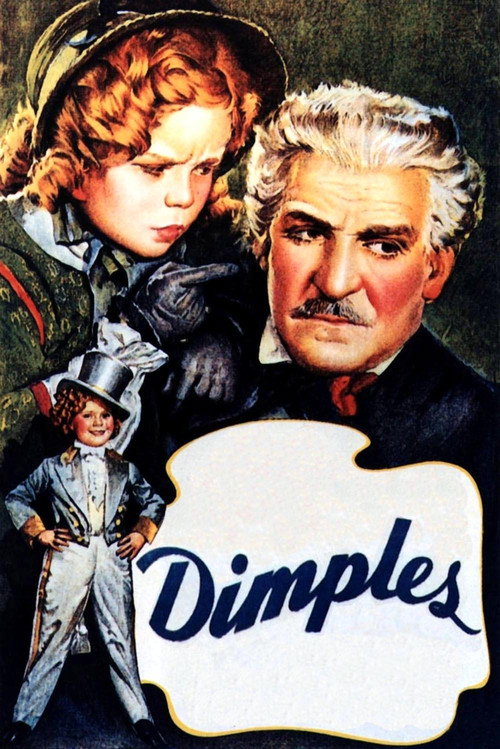
Dimples1936
Temple in Depression-era New York, performing her way up from nothing. It has her greatest musical numbers and a scrappier energy than Rebecca, plus Frank Morgan in a touching role.
But The plot is thinner and the pacing uneven. Some scenes feel padded, and the orphan-rescue narrative can grate if you're not in the mood.
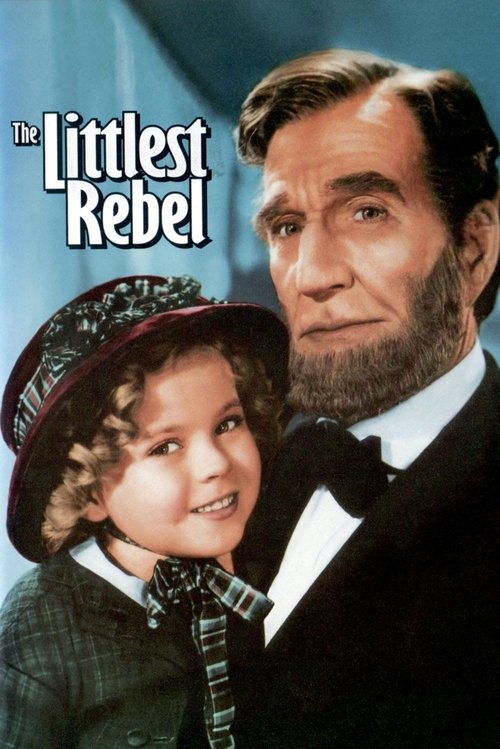
The Littlest Rebel1935
Temple and Bill Robinson in a Civil War story that balances family drama with genuine charm. Robinson's presence lifts the whole picture, and it's less saccharine than many of her vehicles.
But The historical setting occasionally makes uncomfortable choices about race and the period. It's a product of 1935, and you'll notice.
Not sure tonight? Get a pick in a minute, starting from Rebecca of Sunnybrook Farm
The wildcard
Something you would not have found on your own.
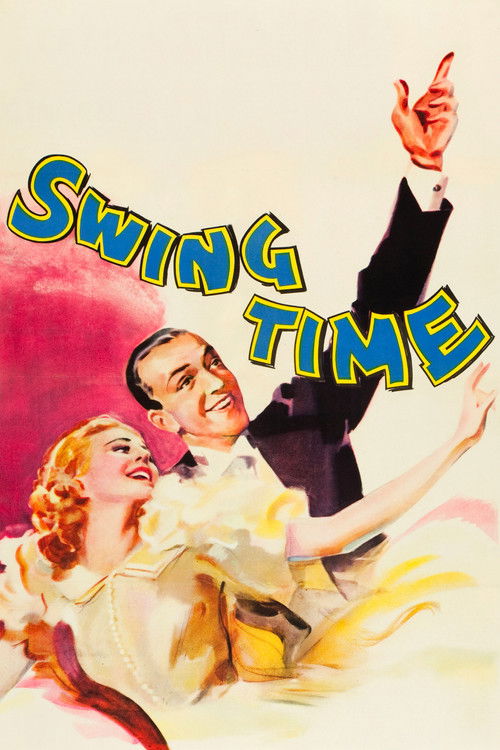
Swing Time1936
Both are 1930s showbiz dreams, but Swing Time knows that world is mercenary and false, while Rebecca treats it as salvation.
Fred Astaire and Ginger Rogers in a backstage musical that understands showbiz as aspiration and con in equal measure. The dancing is pure genius, the plot is deliberately lightweight, and it captures the era's hunger for performance with actual sophistication.
But There's almost no story—it's a framework for dance numbers. If you want narrative, you'll feel the seams. Also, the racial depiction in one sequence is genuinely ugly.
More like this (7)
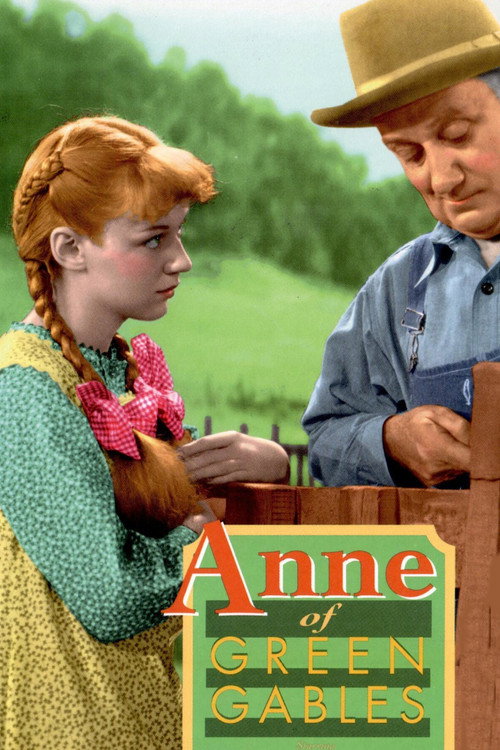
Anne of Green Gables1934
Another spirited orphan girl in a small town, this time with maturity and sharper writing. Anne Shirley brings genuine wit to a similar story structure, and the growth feels earned.
But It's more of a coming-of-age film than a musical, so if you're watching Rebecca for Temple's performances, this is less of that.
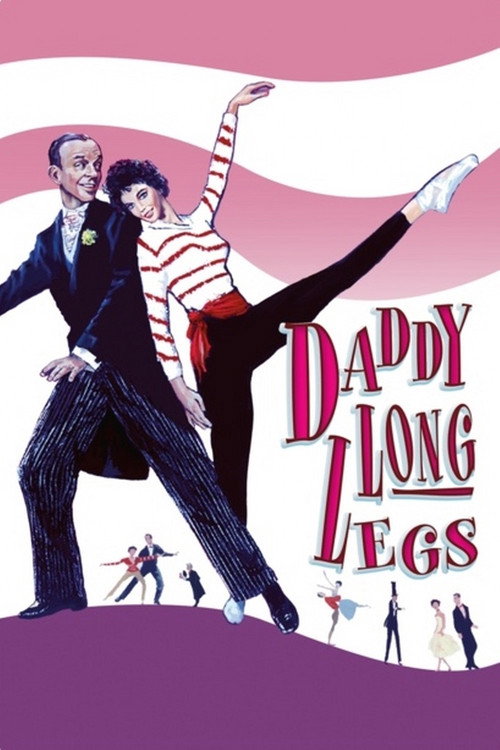
Daddy Long Legs1955
Temple and Warner Baxter in a more complex take on the orphan-benefactor dynamic. It has better dialogue and emotional texture than Rebecca, with musical numbers that showcase her talent more fully.
But The romance subplot is more prominent and may feel sappy. Some viewers find Baxter's character paternalistic in ways that haven't aged well.
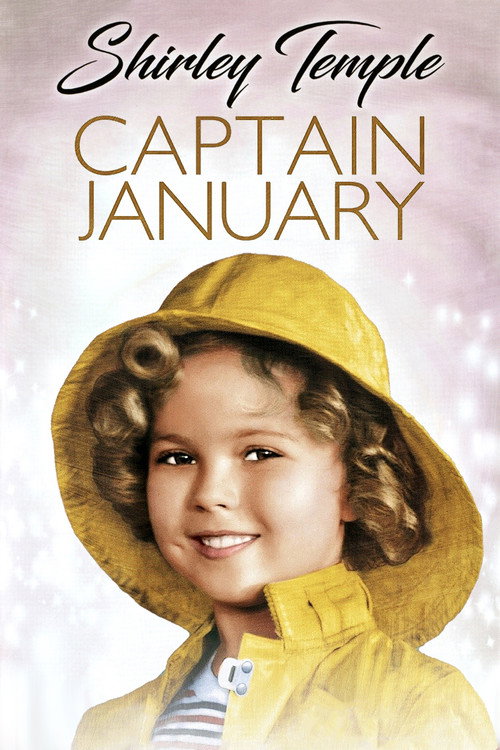
Captain January1936
Temple with character actor Guy Kibbee in a lighthouse setting that feels fresher than small-town America. It's one of her most joyful performances, with genuine camaraderie between leads.
But The plot is gossamer-thin and mostly serves as scaffolding for musical numbers. If you want substantial story, keep walking.
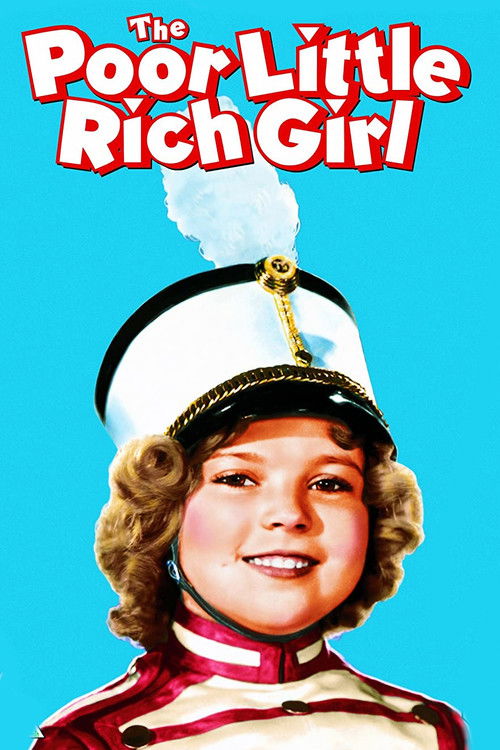
Poor Little Rich Girl1936
Temple navigating wealth and snobbery, with Alice Faye and Tyrone Power adding glamour. It's more sophisticated than Rebecca in tone, and the tap-dancing competition sequence is justly famous.
But The first half drags before the plot kicks in. The class commentary is perfunctory, more setup than substance.
Curly Top1935
Temple and John Boles in the film that established her formula: orphan, music, adult tenderness, happy ending. It's the prototype, and watching it shows you exactly what Rebecca is doing.
But Because it's the template, it can feel less distinctive than later examples. The romantic subplot is distracting and awkwardly paced.

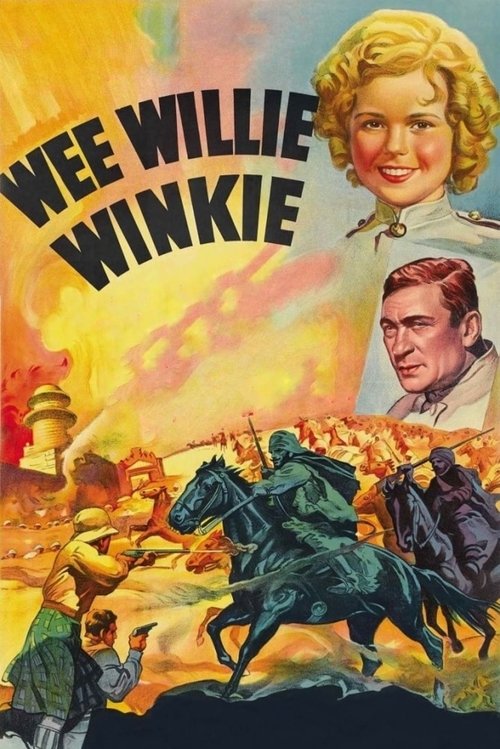
Wee Willie Winkie1937
John Ford directing Temple in India during the Raj—a prestige production that treats her seriously. The action sequences and location work feel more ambitious than anything in Rebecca.
But It's visibly a product of its imperial moment, and that discomfort doesn't fade. The film is also less musical and more dramatic, which some Temple fans find off-putting.
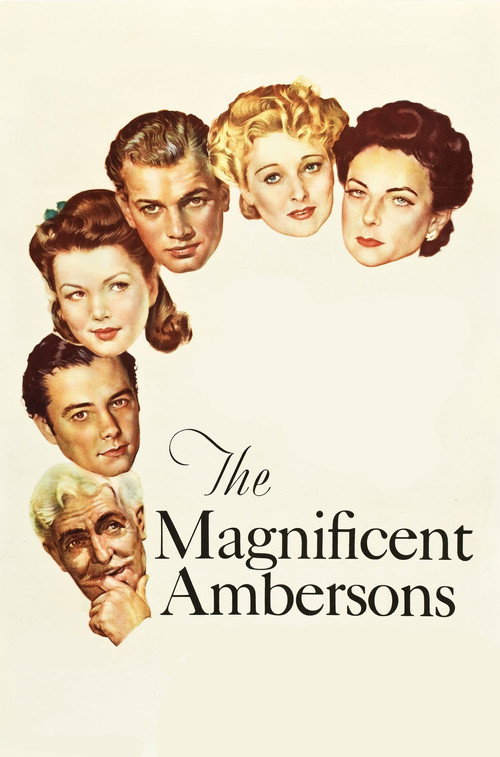
The Magnificent Ambersons1942
Both are set in small-town America and centered on a girl's relationship to privilege and belonging, but one mourns what Rebecca celebrates.
Orson Welles's tragic masterpiece about a small town and the privileged girl who cannot see the decay around her. It's what happens when you remove the sentiment from Rebecca's world—the same geography, the same social architecture, but with no music to soften the fall.
But It's a difficult, melancholic film about historical change and American loss. There's not a musical number in sight, and the ending is genuinely sad. Some prints are mutilated by studio interference.
People
Cast
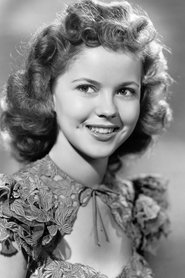 Shirley TempleRebecca Winstead
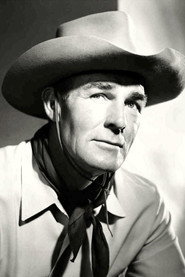 Randolph ScottAnthony Kent
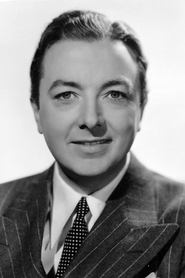 Jack HaleyOrville Smithers
 Gloria StuartGwen Warren
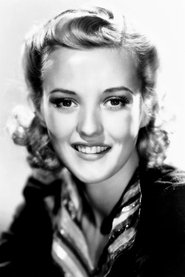 Phyllis BrooksLola Lee
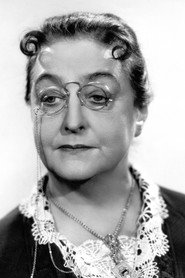 Helen WestleyMiranda Wilkins
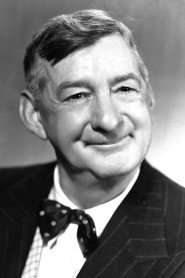 Slim SummervilleHomer Busby
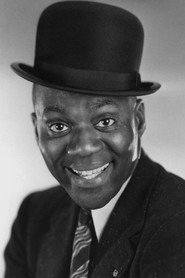 Bill RobinsonAloysius
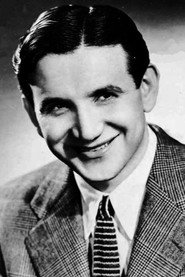 Raymond ScottRaymond Scott Quintet Leader
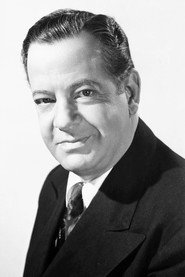 Alan DinehartPurvis
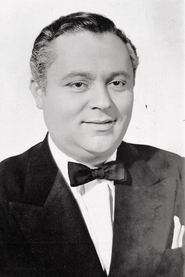 J. Edward BrombergDr. Hill
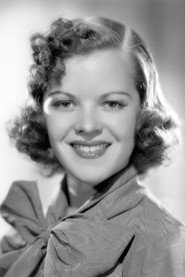 Dixie DunbarReceptionist
Directing
- Allan DwanDirector
Writing
- Don EttlingerScreenplay
- Karl TunbergScreenplay
- Kate Douglas WigginStory
Production
- Raymond GriffithAssociate Producer
- Darryl F. ZanuckExecutive In Charge Of Production
Recommended by
Five and Ten, Captain January, Dimples, Anne of Green Gables, The Little Colonel, Just Around the Corner