
Film
Five and Ten
A 1931 drama about the Rarick family, newly wealthy from their five-and-ten-cent store empire, discovering that money cannot fix loneliness, aimlessness, or the heart. Marion Davies carries the film with quiet grace as Jennifer caught between duty and desire. It's a considered look at gilded dysfunction—no flash, just the slow ache of people who have everything except what matters.
Should you watch it?
Watch it if you like old-fashioned society melodrama where a family's money and a romance that keeps running into obstacles get tangled, and you enjoy the glossy, slightly stagy craft of early sound-era studio pictures.
Skip it if you need brisk pacing or modern naturalism, since this one moves at the unhurried, talky clip of its era and leans on sentiment rather than sharp edges.
What it asks of you: Expect a leisurely build, plenty of sentiment, and a willingness to accept the stagey conventions of an early talkie, at under ninety minutes.
Not sure? Find tonight's pick in a minute.
If you liked this
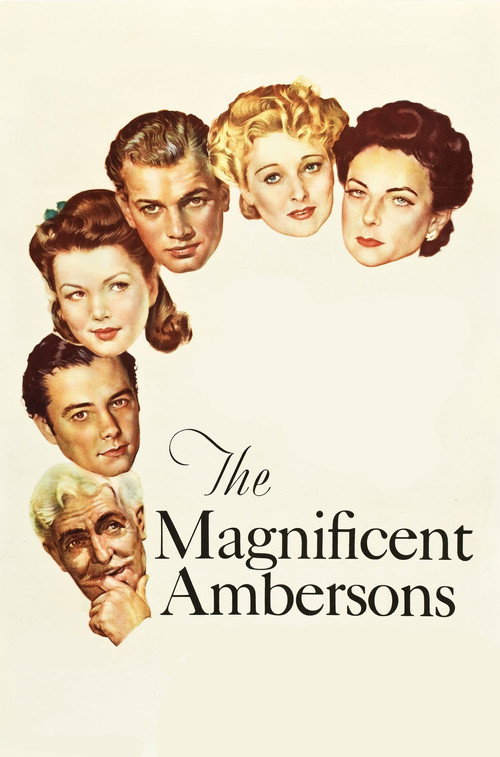
The Magnificent Ambersons1942
Welles's masterpiece about American wealth and decline, where a grand family implodes from within. Like Five and Ten, it's fascinated by what money cannot buy and the specific loneliness of the privileged.
But At 88 minutes it moves deliberately. The studio's re-editing dulls some of Welles's original vision, and the pacing demands patience.
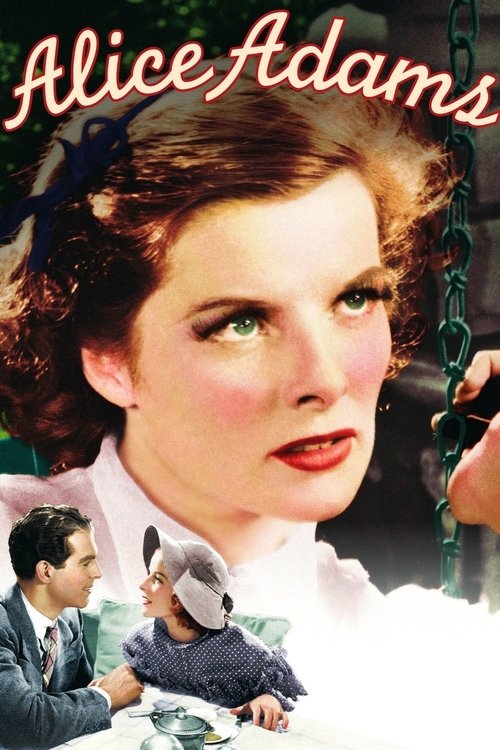
Alice Adams1935
Katharine Hepburn as a young woman desperate for social acceptance while her family scrambles. Same era, same emotional core—the shame and yearning of being on the wrong side of the social ladder, even when you're climbing.
But The second half softens into romance when the first half's social anxiety is far more interesting and true.
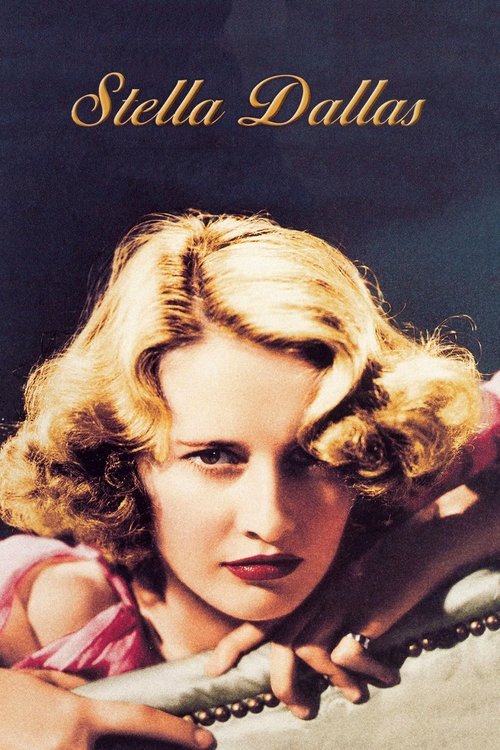
Stella Dallas1937
Barbara Stanwyck in a film about maternal sacrifice and the gulf between mothers and daughters. Like Five and Ten, it refuses easy sentiment and sits with the actual pain of family bonds strained by circumstance and class.
But The ending is deliberately devastating. If you need catharsis, this withholds it.
Not sure tonight? Get a pick in a minute, starting from Five and Ten
The wildcard
Something you would not have found on your own.
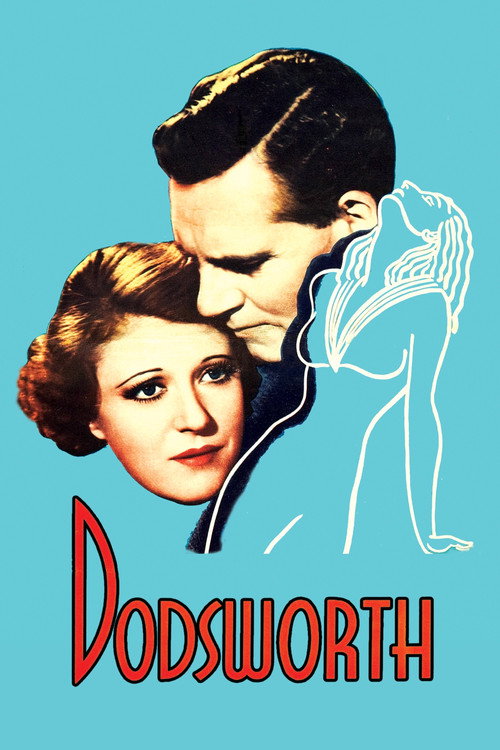
Dodsworth1936
Both films argue that wealth and success are not the problem—the problem is expecting them to fill the space where meaning should be. Both watch marriages fail not from cruelty but from mutual indifference.
Walter Huston as a retired American industrialist discovering that his marriage and his life have been based on habit, not love. It's as much about the dissolution of a marriage as Five and Ten is, but from the perspective of the man left behind when his wife pursues her own freedom.
But It's a talky film about mature discontent. If you need plot momentum or traditional romance, it will feel slow.
More like this (8)
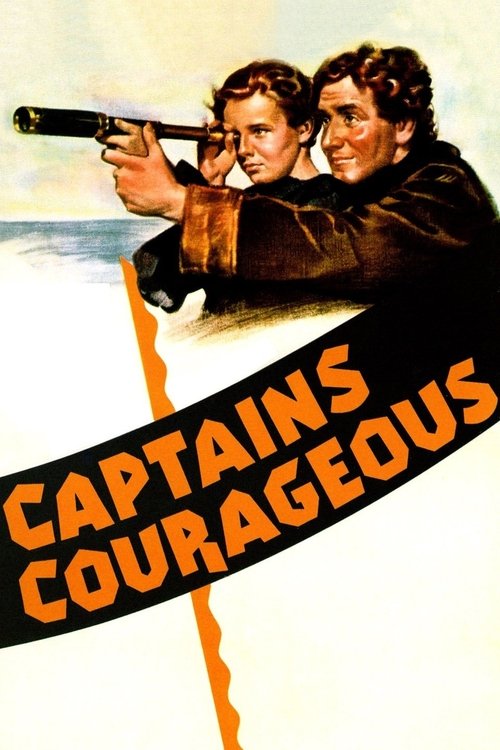
Captains Courageous1937
Spencer Tracy as a working man who teaches a spoiled rich boy what actually matters. It's the inverse of Five and Ten's premise—the wealthy learning that money is not the point—and does it with real warmth.
But It's more sentimental than Five and Ten and more obviously a redemption arc. The lesson lands harder than the discovery.
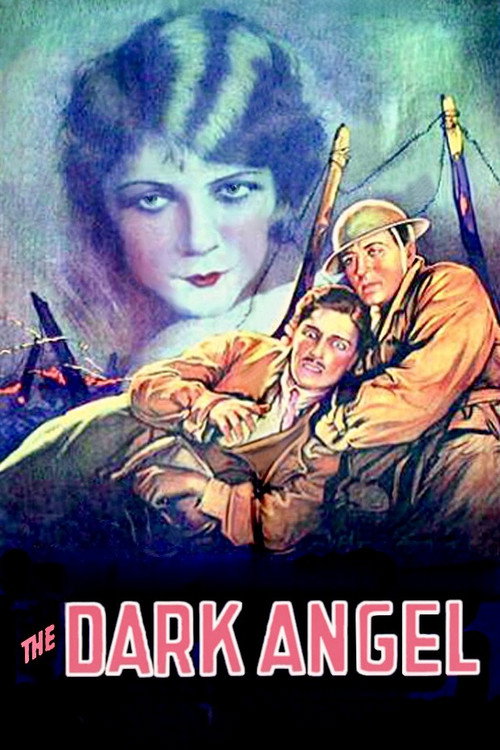
The Dark Angel1925
Ronald Colman in a post-war romance shadowed by loss and the question of whether love can survive when everything else is broken. Silent, but the emotional register matches Five and Ten's quiet devastation.
But Silent film requires its own rhythm. If you're not accustomed to the form, the pacing will feel strange.
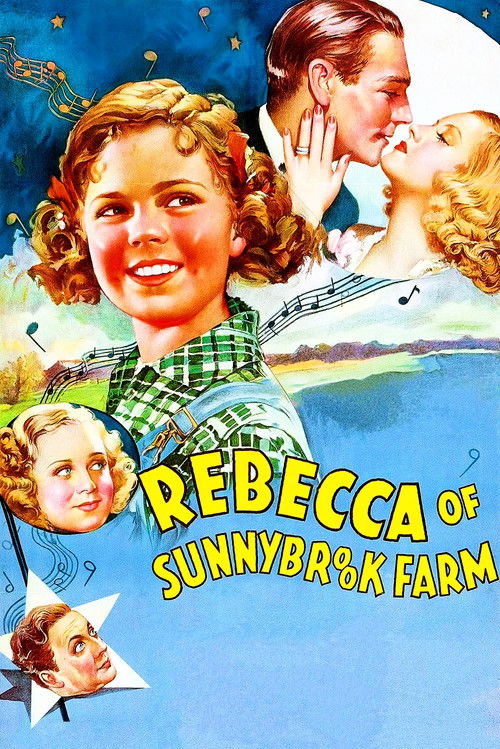
Rebecca of Sunnybrook Farm1938
Shirley Temple as a girl navigating family expectation and her own heart. Lighter than Five and Ten, but the same concern with how families trap their children in roles and what it costs to break free.
But It's a vehicle for Shirley Temple, so sentimentality is built in. Some viewers find her work cloying now.
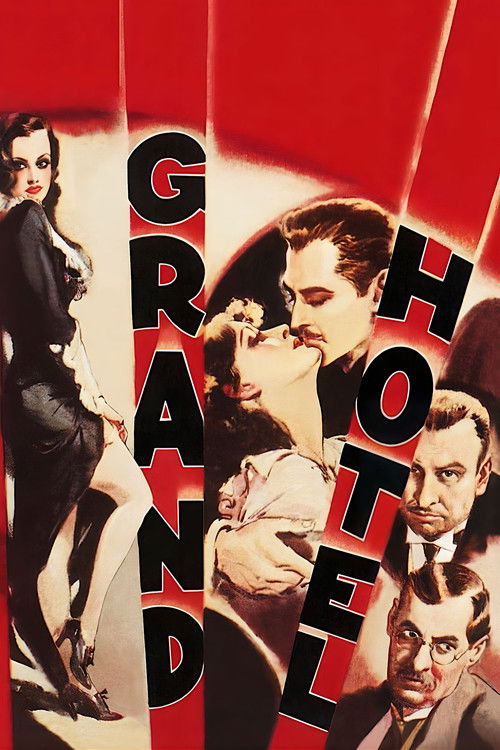
Grand Hotel1932
An ensemble of the wealthy and desperate colliding in one space. Greta Garbo, Joan Crawford, John Barrymore—each carrying their own secret unhappiness. The film moves fast and never settles, unlike Five and Ten's stillness.
But Multiple storylines compete for attention. If you prefer one focused narrative, the constant shifting is exhausting.
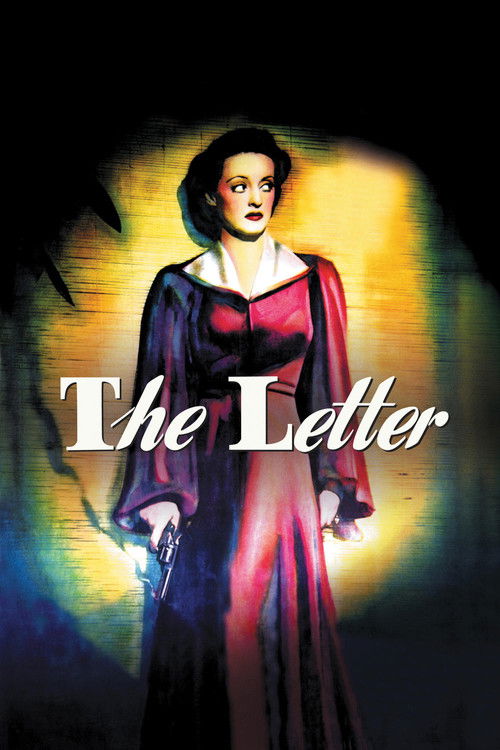
The Letter1940
Bette Davis in a portrait of a woman who has done something irredeemable and must live with it. A study of consequence and interior wreckage. The emotional specificity rivals Five and Ten.
But It's about infidelity and murder. If you need likeable characters, this will alienate you quickly.
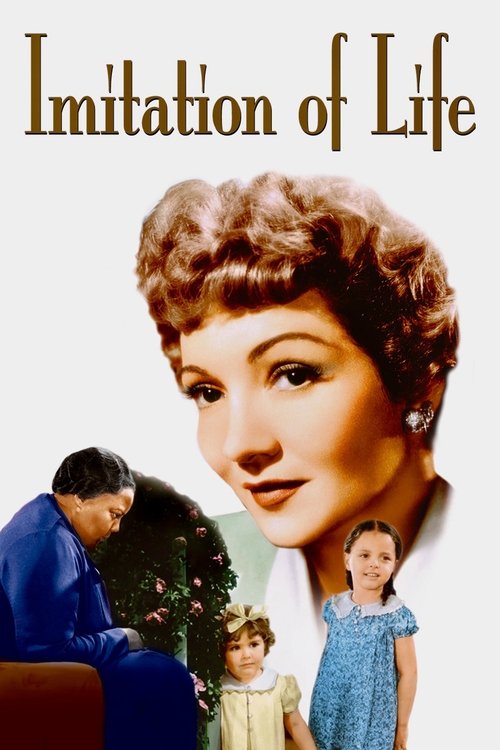
Imitation of Life1934
Claudette Colbert and Paul Robeson in a drama about ambition, identity, and the people left behind in the climb upward. It has Five and Ten's interest in what success costs, but with deeper social stakes.
But The racial politics reflect its era in ways that are difficult. It requires viewing with historical context and honest discomfort.
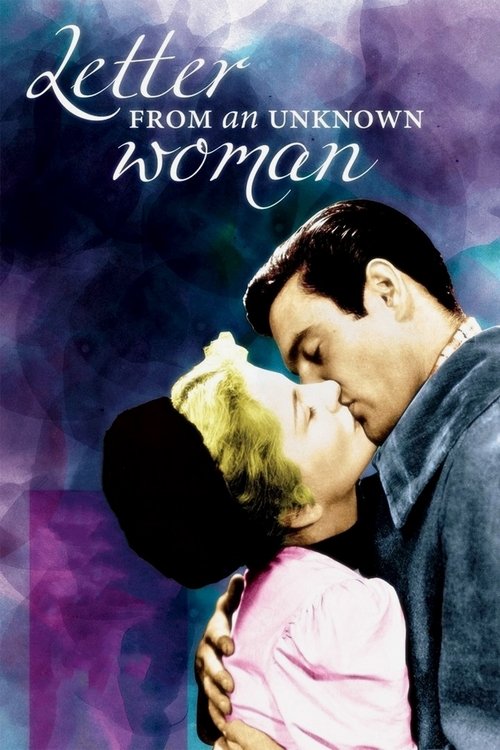
Letter from an Unknown Woman1948
Both films center on a woman watching the man she loves choose someone else, and both understand that knowledge and helplessness can coexist. The difference is Five and Ten stays close to home; Letter from an Unknown Woman takes you across a continent and a lifetime.
A woman writes to the man she has loved in silence her entire life. Ophüls's camera is restless, gorgeous, and heartbroken. It's a film about desire that cannot be returned, about being known and unknown simultaneously—the mirror of Jennifer and Berry's situation.
But The narrative structure is a letter read aloud. Some find the device precious. The film is also formally very of its time—lush and European in a way that can feel overwrought.
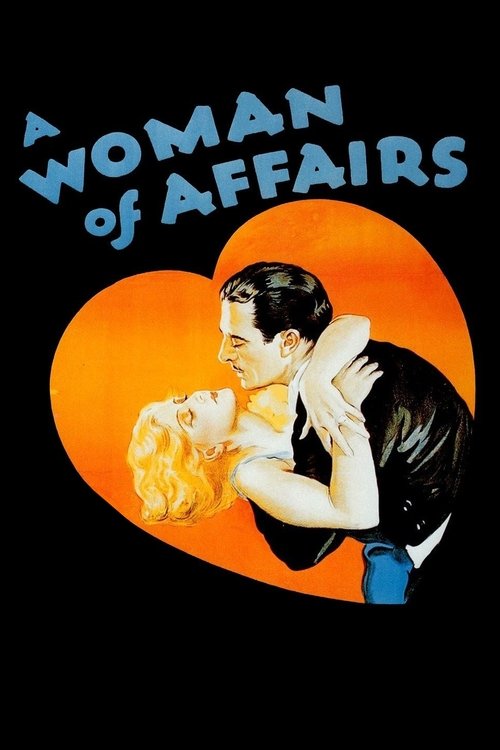
A Woman of Affairs1928
Both films refuse to blame their female protagonists for their unhappiness while also refusing to let them escape it. Both understand that being beautiful and desired is not protection.
Greta Garbo as a woman destroyed by scandal and the men who love her without saving her. Silent, but Garbo's face is the entire argument—you watch her become someone hollowed out by circumstance. It's Five and Ten in an entirely different key: not family drama but the private ruin of a woman.
But Silent film. Also, Garbo's register is mannered by modern standards. If you need contemporary acting styles, the artifice will distract.
People
Cast
 Marion DaviesJennifer Rarick
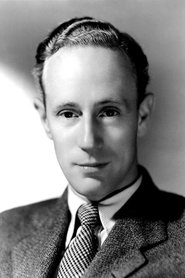 Leslie HowardBerry Rhodes
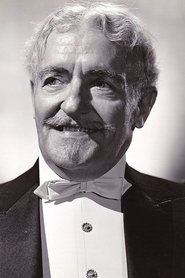 Richard BennettJohn Rarick
 Irene RichJenny Rarick
 Douglass MontgomeryAvery Rarick
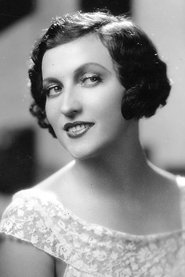 Mary DuncanMuriel Preston
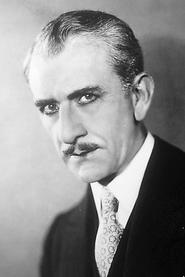 George IrvingMr. Brooks (uncredited)
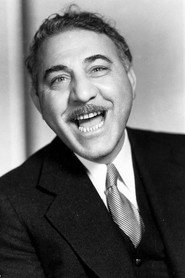 Henry ArmettaTaxi Driver (uncredited)
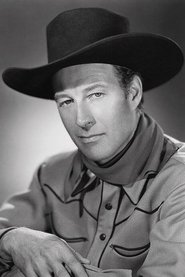 Bill ElliottWedding Guest (uncredited)
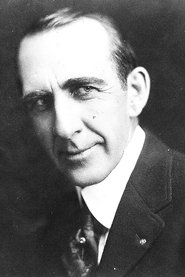 Carl StockdaleDoctor at Bedside (uncredited)
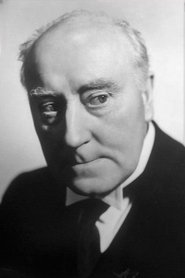 Halliwell HobbesHopkins (uncredited)
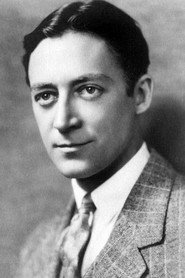 Theodore von EltzRamon (uncredited)
Directing
- Robert Z. LeonardDirector
Writing
- Fannie HurstNovel