
Film
The Dark Angel
Other titles called The Dark Angel: the 1935 film.
A post-WWI melodrama about three lifelong friends whose bond fractures when war steals time and Gerald weaponizes his rank to keep Alan from marrying Kitty. Visually stunning silent cinema: Colman's face does the emotional heavy lifting while the frame itself—all shadows and longing—tells you everything about desire and loss. For anyone drawn to the melodrama of the 1920s or curious what silent film was capable of beyond slapstick.
Should you watch it?
Watch it if you like romantic melodrama built on loyalty, rivalry and a love triangle, played with restrained, sincere performances where a glance can carry more weight than dialogue.
Skip it if you want quick pacing or snappy dialogue; this is a slow silent picture where feelings are played in gesture and title cards, which can feel stagey today.
What it asks of you: Settle into eighty minutes of silent film, with title cards doing the talking, and let the pauses do the work; the mood is earnest and sentimental rather than light.
Not sure? Find tonight's pick in a minute.
If you liked this
Sunrise: A Song of Two Humans1927
Released the same year, Murnau's masterpiece also uses light and shadow as its emotional language. A husband tempted away from his wife; the film asks whether love survives betrayal. Silent cinema at its most formally inventive and genuinely moving.
But It's nearly a century old and requires patience with pacing. If you're used to modern editing rhythms, it can feel glacially slow at first.

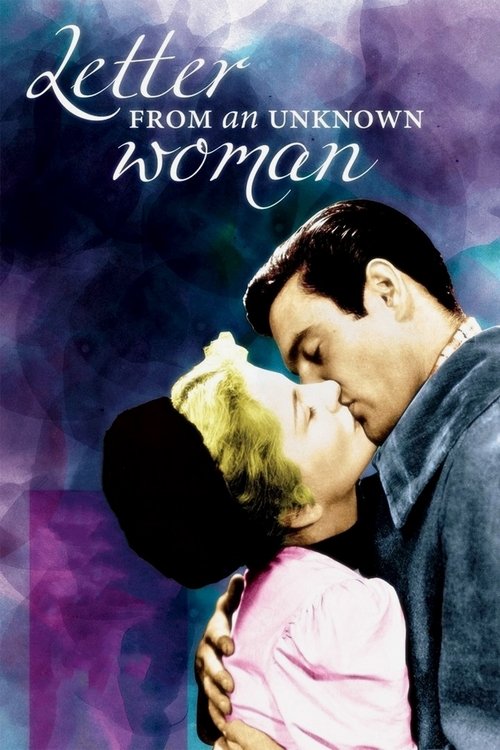
Letter from an Unknown Woman1948
Ophüls' tragic romance shares The Dark Angel's obsession with how the past haunts the present, and how one person's devotion can destroy another's life. A woman's unrequited love over decades. Achingly romantic and completely heartbreaking.
But It's told in flashback from a letter, which means you know the ending before the story begins. Some find that structure deflating rather than poignant.
Brief Encounter1945
Coward's masterpiece about two married people who fall in love briefly and then surrender to duty. Like The Dark Angel, it's about the unbearable gap between desire and what society permits. Utterly devastating without a word wasted.
But The class consciousness and gender politics of the 1940s can feel dated. The film is also emotionally exhausting—there's no catharsis, only acceptance.

Not sure tonight? Get a pick in a minute, starting from The Dark Angel
The wildcard
Something you would not have found on your own.
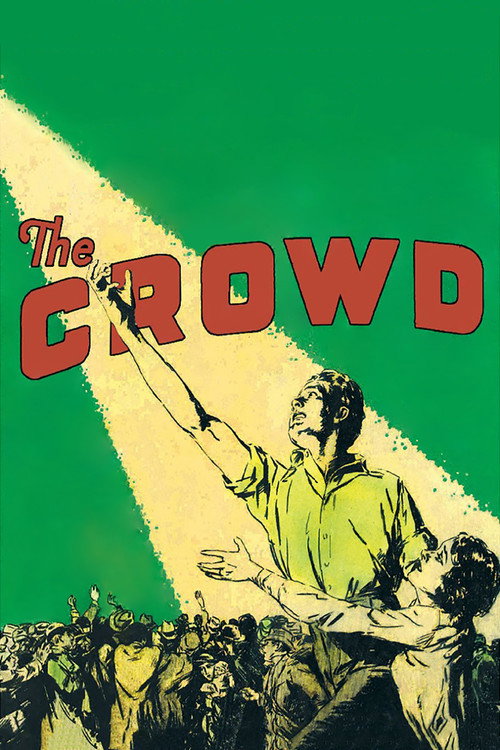
The Crowd1928
Both films use the stylistic language of 1920s cinema to argue that circumstance—not character—determines whether love survives. One uses war; one uses everyday poverty. Both suggest that external forces, not internal weakness, destroy intimacy.
King Vidor's anti-melodrama follows an ordinary man's marriage as it slowly erodes under the weight of mundane disappointment and economic pressure. Where The Dark Angel makes love tragic through grand circumstance, The Crowd shows how love dies in silence, from nothing at all. Shot in the same era with the same visual sophistication but from the opposite emotional angle.
But There's no plot in the traditional sense, and the ending offers no catharsis or even resolution. It's deeply unglamorous, which some find depressing rather than profound.
More like this (8)
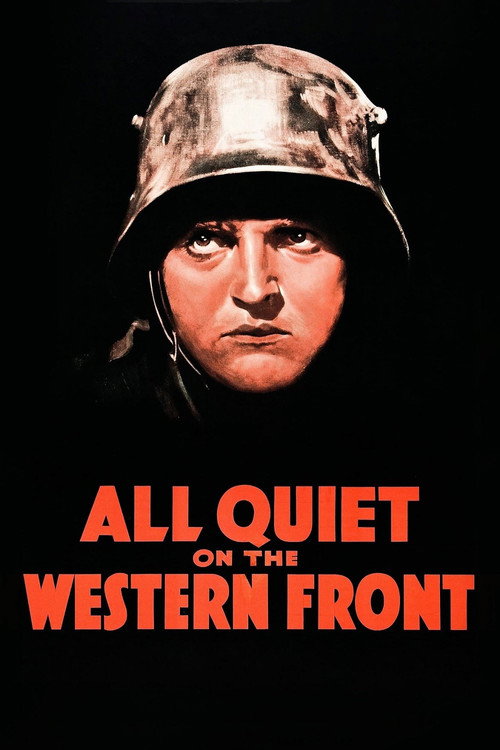
All Quiet on the Western Front1930
Made five years after The Dark Angel but set in the same war. Follows a group of young soldiers from enlistment through the trenches. Its portrait of friendship destroyed by combat will deepen your understanding of what Alan and Gerald's volunteer raid really costs.
But It's relentlessly grim and doesn't soften its depiction of violence or death. If you're looking for uplift, this isn't it.
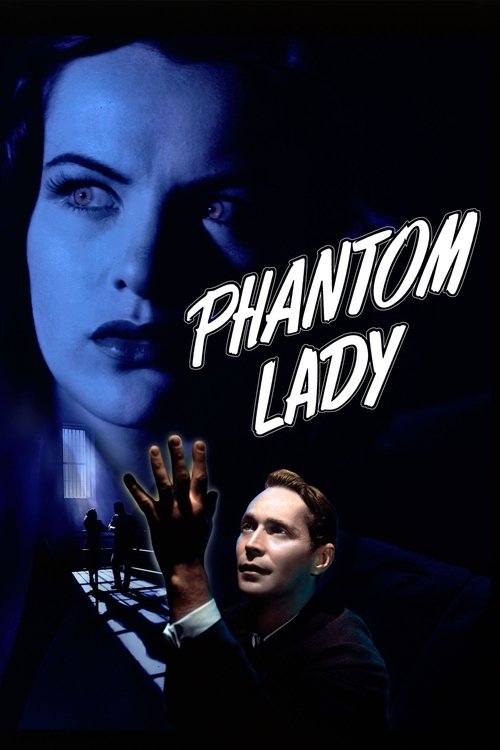
Phantom Lady1944
Robert Siodmak noir about a woman who becomes obsessed with clearing her husband's name. Like The Dark Angel, it pivots on whether loyalty can survive doubt and deception. Visually baroque and psychologically twisted.
But It's a murder mystery first, a character study second. If plot mechanics bore you, the constant investigating can feel repetitive.
The Asphalt Jungle1950
Huston's heist film builds its power from the bonds between men who trust each other absolutely—then watches those bonds fracture under pressure. A completely different genre from The Dark Angel but the same emotional architecture.
But It's a procedural that moves at its own pace. Modern viewers often find it slow; the heist itself doesn't happen until late in the film.

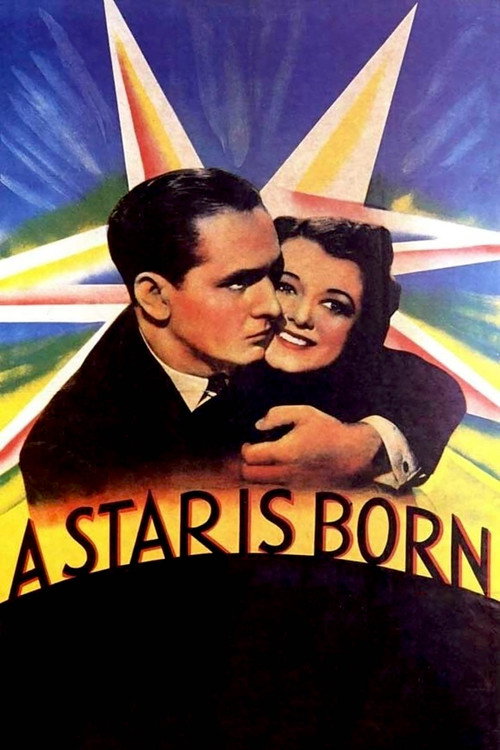
A Star Is Born1937
The 1937 Wellman version (not the remakes) is about two people in love trying to build a life while circumstance actively works against them. It has the same sense of tragic inevitability as The Dark Angel, plus the added sting of watching someone self-destruct.
But It's melodramatic in a way that can feel overwrought to modern sensibilities. The ending is devastating, not redemptive.
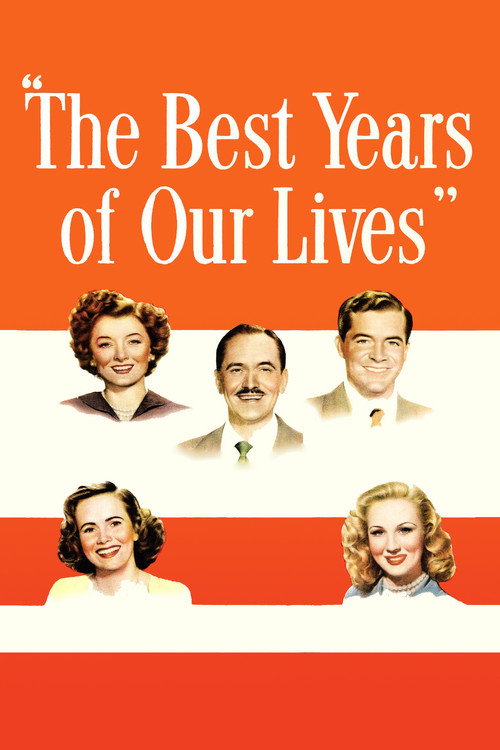
The Best Years of Our Lives1946
Three soldiers return from WWII to find the world has moved on without them, and their relationships have become complicated in their absence. It understands what The Dark Angel knew: war doesn't end when you come home; it follows you.
But At nearly three and a half hours, it requires commitment. Some of the domestic drama in the middle drags.
Dangerous Liaisons1988
A different era and sensibility, but the same ruthless dissection of how love is weaponized and how attraction can mask cruelty. Glenn Close's manipulation has Gerald's same cold calculation dressed in silk instead of uniform.
But It's suffused with cynicism. If you watch it looking for romance, you'll find only corruption.
Hiroshima Mon Amour1959
Both films insist that war's damage extends far beyond combat: it damages the possibility of love itself. The Dark Angel shows this through melodrama; Hiroshima Mon Amour shows it through fragmentation and formlessness.
Resnais' experimental film fragments the story of a brief affair between a French actress and a Japanese architect in post-war Hiroshima. Like The Dark Angel, it's about how war separates lovers and how memory of that separation becomes more real than the present. But it's told in fractured, non-linear pieces—a completely different formal language used to reach the same emotional truth.
But It's deliberately disorienting. The narrative refuses to cohere in traditional ways. If you need plot clarity, this will frustrate you.
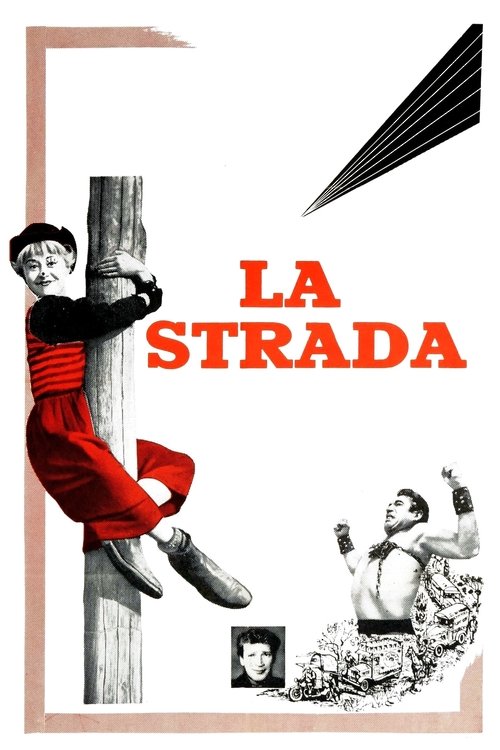
La Strada1954
Both films are about how love persists even when it's not returned, and how that persistence doesn't redeem the situation—it just makes it sadder. The Dark Angel romanticizes this; La Strada refuses to. Watching them together rewrites what each one means.
Fellini's picaresque tragedy follows a simpleminded woman sold by her mother to a traveling strongman. She loves him; he's incapable of returning it. The film asks the same question as The Dark Angel—how do you love someone who cannot or will not love you back?—but answers it through Italian neorealism instead of drawing-room melodrama. Wrenching and strange.
But It's episodic and doesn't build conventionally. The rhythm is dreamlike. If you prefer clear narrative progression, you'll find it meandering.
People
Cast
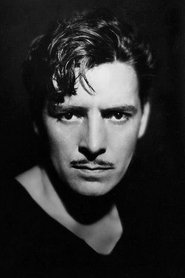 Ronald ColmanCaptain Alan Trent
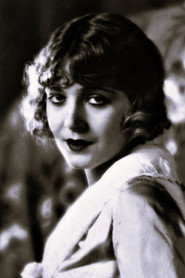 Vilma BankyKitty Vane
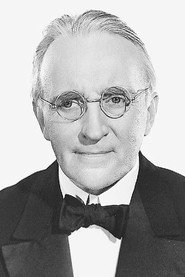 Wyndham StandingGerald Shannon
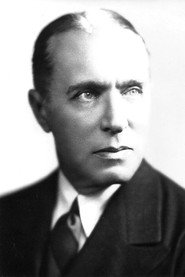 Frank ElliottLord Beaumont
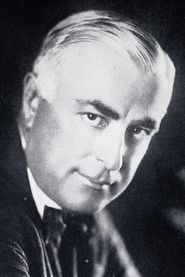 Charles LaneSir Hubert Vane
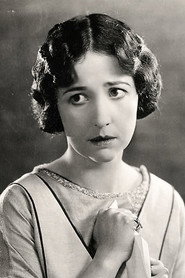 Helen Jerome EddyMiss Bottles
Directing
- George FitzmauriceDirector
Writing
- Guy BoltonTheatre Play
- Frances MarionWriter