
Film
The Dark Angel
Other titles called The Dark Angel: the 1925 film.
A 1935 romance about three lifelong friends divided by love and World War I. When Kitty chooses Alan, their bonds fracture under the weight of jealousy and wartime trauma. It's a sophisticated melodrama built on genuine emotional stakes—less about spectacle than the quiet devastation of betrayal and permanent loss. For anyone drawn to pre-war Hollywood that takes its heartbreak seriously.
If you liked this
The Remains of the Day1993
A masterclass in emotional restraint and devastating regret. Two people circle each other across decades, unable to voice what they truly feel. Like *The Dark Angel*, it understands that the deepest wounds come from choices made in silence.
But Glacially paced and almost entirely internal. There's no catharsis, no grand confrontation—just the slow recognition of a life half-lived.

Brief Encounter1945
Two people meet by chance and fall in love, but duty and circumstance make their union impossible. Coward's script captures the ache of passion constrained by social obligation with heartbreaking precision. The railway station setting becomes unbearably poignant.
But The restraint will feel claustrophobic if you want dramatic release. Some find the resigned ending punishing rather than moving.

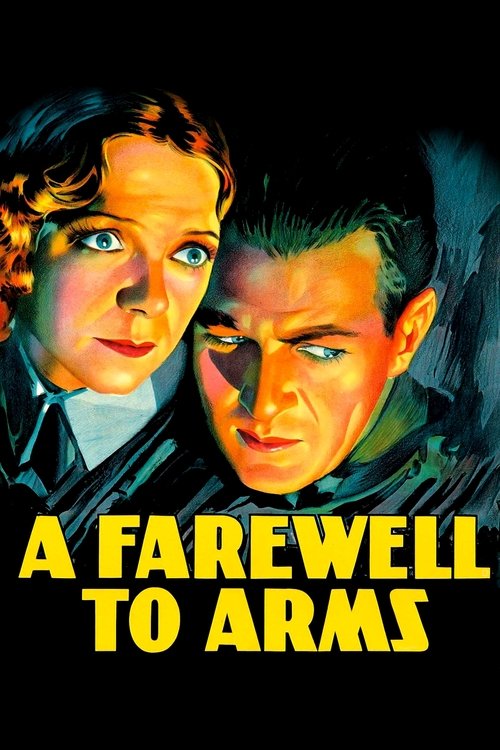
A Farewell to Arms1932
An American ambulance driver and a British nurse fall in love during WWI, only to be destroyed by forces beyond their control. It has the same doomed-romance-in-wartime DNA as *The Dark Angel*, with equal emphasis on how war corrupts everything it touches.
But Hemingway's spare prose doesn't always translate to screen comfort. The pacing feels uneven by modern standards.
Not sure tonight? Get a pick in a minute, starting from The Dark Angel
The wildcard
Something you would not have found on your own.
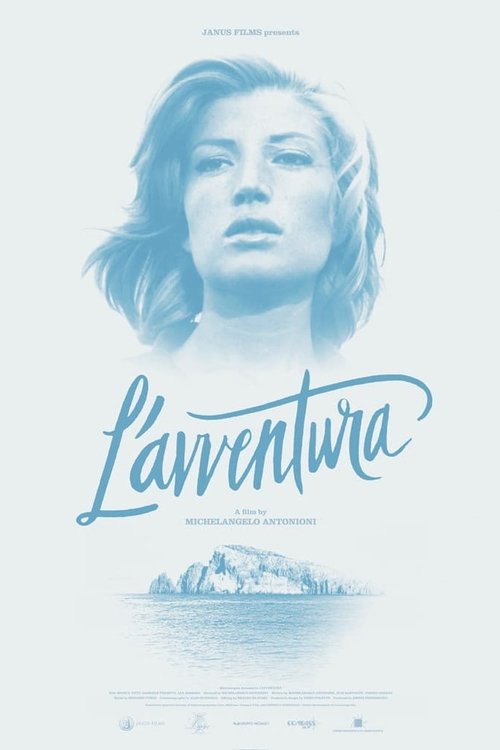
L'Avventura1960
Both explore how three people bound by history cannot survive the intrusion of erotic jealousy; both understand that some fractures are permanent.
Michelangelo Antonioni's masterpiece about three people whose bond fractures after a woman disappears. Like *The Dark Angel*, it's fundamentally about how relationships collapse under the weight of unspoken resentments and unresolved desire. But Antonioni strips away plot entirely—what remains is pure emotional archaeology.
But Glacial, abstract, and deliberately alienating. A woman vanishes in the first act and the film almost forgets about her. If you need narrative momentum or clarity, this will feel like watching paint dry in Italian.
More like this (8)
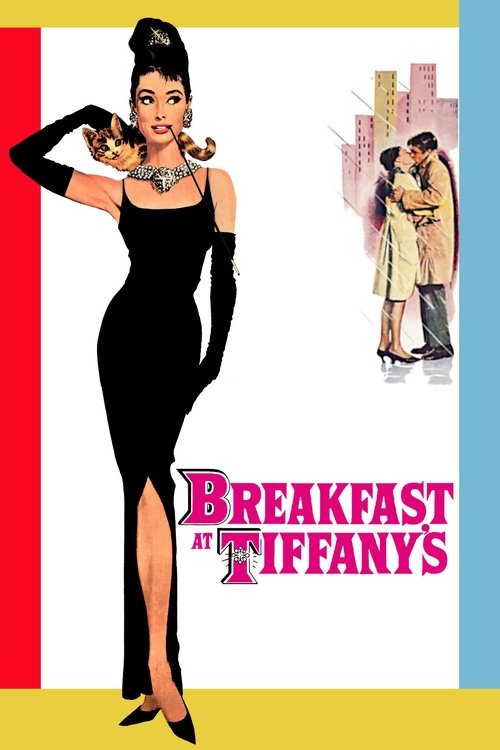
Breakfast at Tiffany's1961
A woman runs from her past and hides behind charm, while a man quietly loves her from the periphery. The emotional architecture—longing, self-deception, the possibility of change—echoes across the decades from *The Dark Angel*.
But If you're after tragedy, this tilts toward bittersweet. It's also much lighter in tone, which some find at odds with the melancholy underneath.
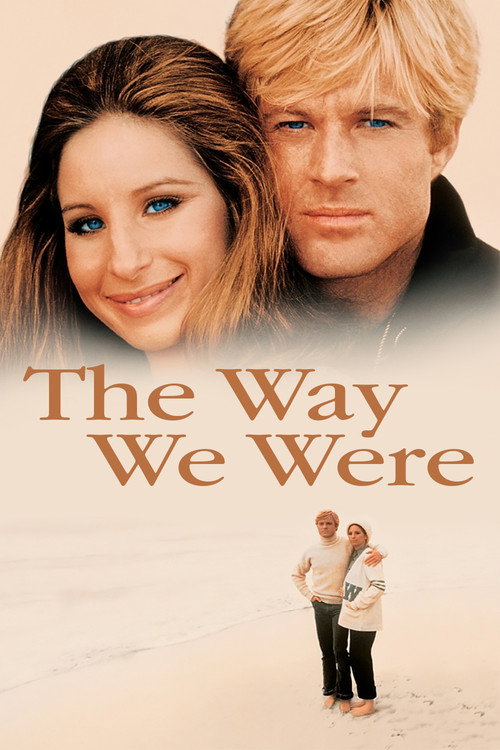
The Way We Were1973
Two people from different worlds meet, fall in love, and slowly discover they cannot make it work. Streisand and Redford capture the particular pain of loving someone whose values you don't share—the same quiet incompatibility that dooms *The Dark Angel*.
But Melodramatic by design, and the politics feel dated. The emotional climax may strike you as overwrought.
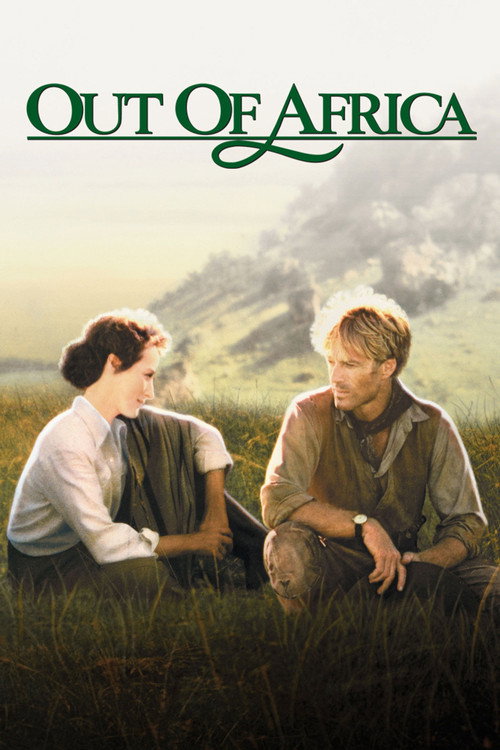
Out of Africa1985
A sweeping romance set against colonialism and World War I, with the same sense that love is beautiful precisely because it cannot last. Meryl Streep and Robert Redford embody the elegance of restraint under duress.
But Nearly three and a half hours, and deliberately paced. The colonial setting requires a certain comfort with 1980s prestige filmmaking.
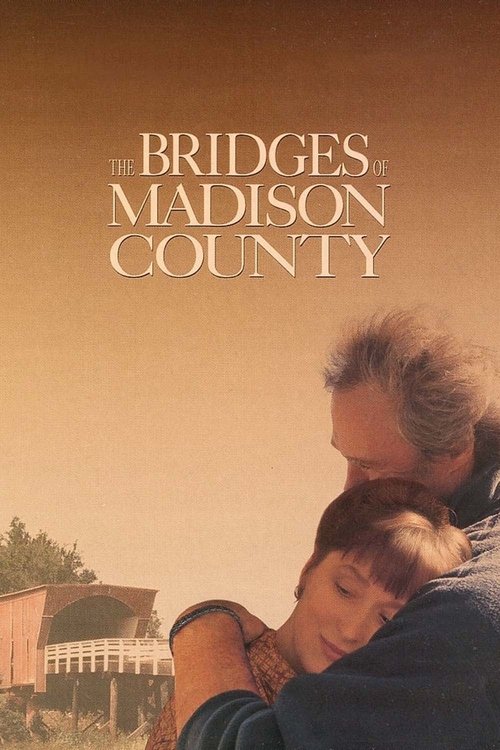
The Bridges of Madison County1995
Four days in the life of two people who love each other but cannot be together. Clint Eastwood understands, like *The Dark Angel*, that some loves are defined by what they sacrifice, not what they gain.
But Unapologetically sentimental. The framing device pulls you out of the story repeatedly, which some find precious rather than poignant.
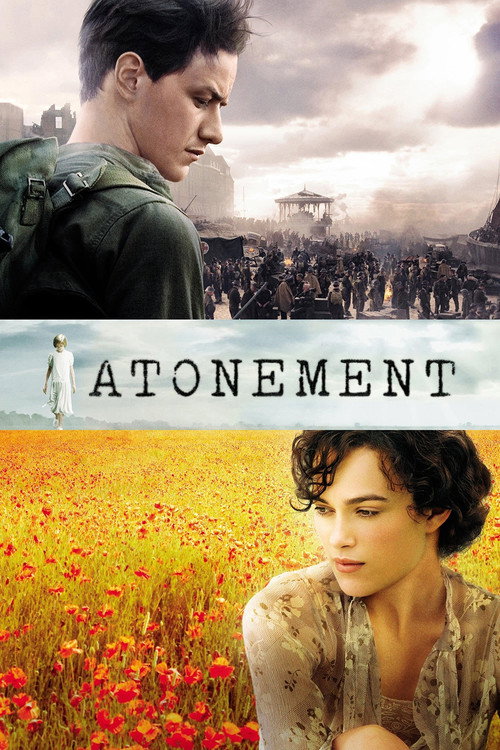
Atonement2007
A false accusation shatters three lives during wartime. Like *The Dark Angel*, it's about how a single moment of miscommunication can echo across a lifetime, poisoning everything it touches.
But The narrative structure is complex and deliberately fragmented. The ending asks you to sit with profound sadness rather than offering resolution.
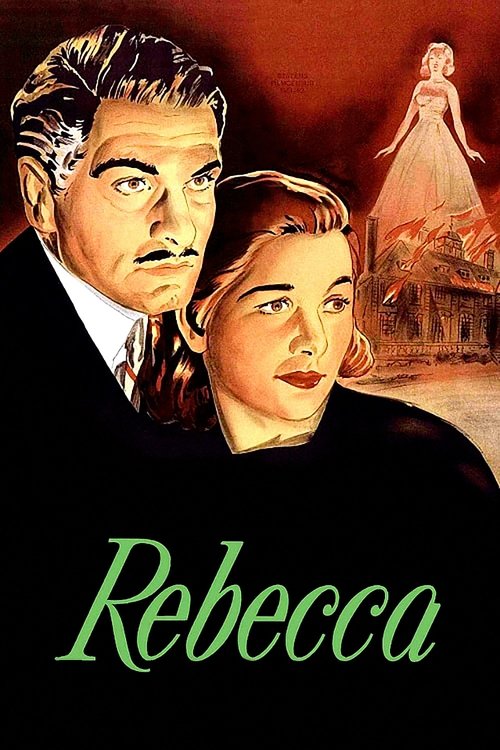
Rebecca1940
A woman enters a marriage shadowed by the memory of her husband's first wife. Hitchcock crafts an atmosphere of psychological unease and thwarted connection—different genre, same emotional grammar as *The Dark Angel*.
But Heavy on atmosphere and light on plot momentum. If you need things to happen, the pacing will frustrate you.
The Ascent1977
Both use war as a crucible that transforms people irreversibly; both suggest that some costs cannot be repaid.
Andrei Tarkovsky's film about two Soviet partisans trudging through a snowy landscape during WWII. It shares *The Dark Angel*'s wartime setting and emotional devastation, but trades romance for existential philosophy. Watching it feels like experiencing grief in real time.
But Glacially slow, visually austere, and spiritually punishing. No music, minimal dialogue. Some viewers find Tarkovsky's metaphysical register pretentious; most find it exhausting before it becomes transcendent.

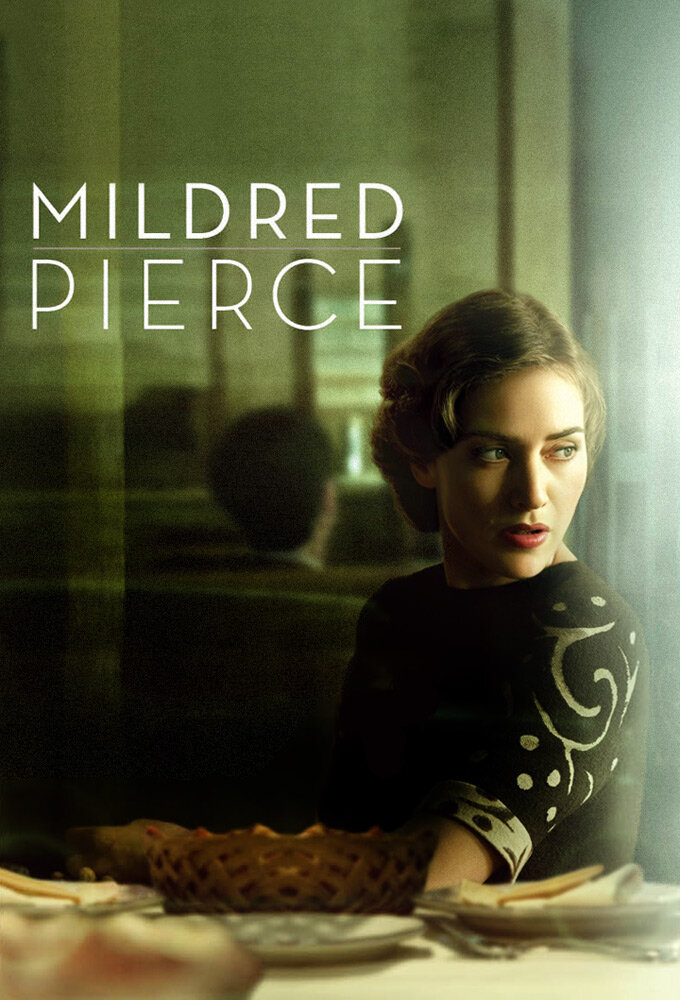
Mildred Pierce2011
Both are about how love—in any form—can be the instrument of your own destruction; both feature protagonists who understand this and cannot stop themselves.
Joan Crawford as a woman who sacrifices everything for love—not romantic love, but maternal obsession. Told in fragments, it's a mirror-image of *The Dark Angel*: where Alan and Kitty are destroyed by desire, Mildred is destroyed by devotion. It's melodrama that earns every tear.
But The TV miniseries format means five hours of commitment. The 1940s sensibility reads as overwrought to some; others find that's precisely the point.
People
Cast
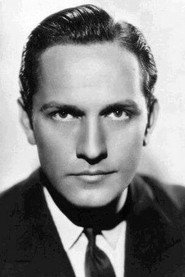 Fredric MarchAlan Trent
 Merle OberonKitty Vane
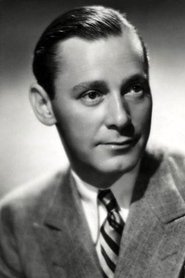 Herbert MarshallGerald Shannon
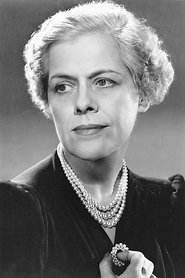 Janet BeecherMrs. Shannon
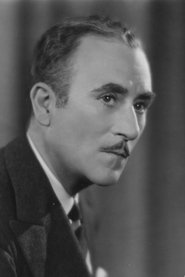 John HallidaySir George Barton
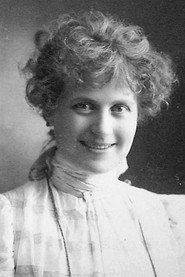 Henrietta CrosmanGranny Vane
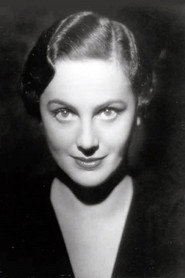 Frieda InescortAnn West
- Claud AllisterLawrence Bidley
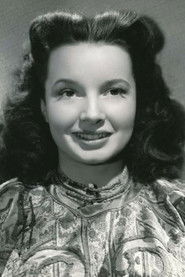 Cora Sue CollinsKitty as a Child
- Fay ChaldecottBetty Gallop
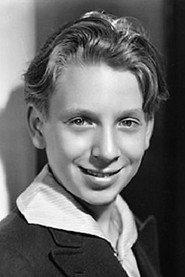 George P. BreakstonJoe Gallop
- Sam HarrisHunt Guest
Directing
- Sidney FranklinDirector
Writing
- Lillian HellmanScreenplay
- Mordaunt ShairpScreenplay
- Guy BoltonTheatre Play
Production
- Samuel GoldwynProducer