
Film
A Farewell to Arms
Other titles called A Farewell to Arms: the 1957 film.
Hemingway's doomed romance set against the collapse of the Italian front in WWI. Gary Cooper and Helen Hayes carry a film about love as a refuge from mechanized slaughter, shot with the visual grace that made early talkies luminous. For anyone who wants intimacy without sentiment, or who finds 1930s craft irresistible.
Should you watch it?
Watch it if you like romances where the love story is pulled apart by a war that keeps intruding, and you don't mind a 1930s studio sheen to get there.
Skip it if you want the fighting itself on screen, since the romance takes the foreground and the war stays at the edges, and early-talkie stagecraft can feel stiff.
What it asks of you: Under ninety minutes, it moves at an unhurried, old-Hollywood pace, with long looks and quiet exchanges that reward patience rather than sweeping action.
Not sure? Find tonight's pick in a minute.
If you liked this
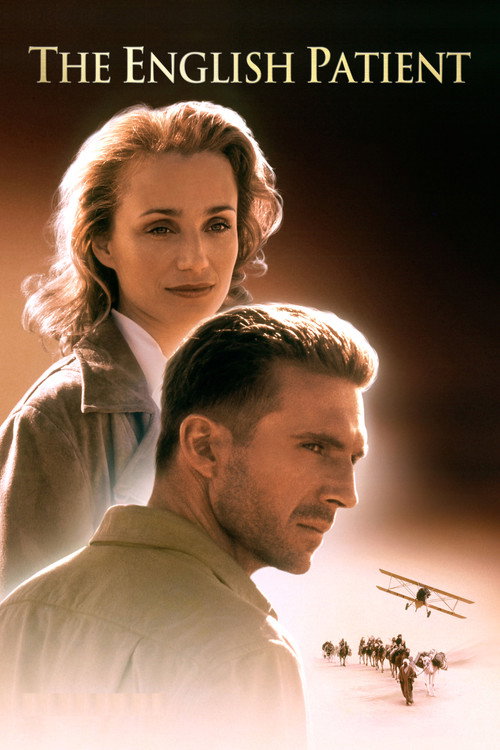
The English Patient1996
Another Hemingway adaptation about war-crossed lovers, built on the same architecture: two people clinging to each other while empires crumble around them. Setsuperb craft against grand emotion.
But The romance can feel overwrought if you're not in the mood for lush melodrama, and at 162 minutes it demands patience.
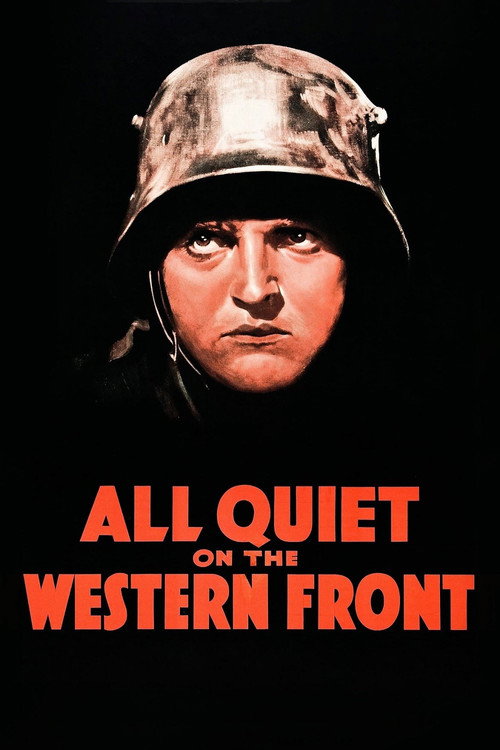
All Quiet on the Western Front1930
The definitive WWI film: unflinching about mechanized death, made just as the war itself was still living memory. It shares Hemingway's belief that war destroys more than it takes.
But It's punishing to watch. There's no romance to soften the horror, and the final ten minutes are devastating in a way that lingers.
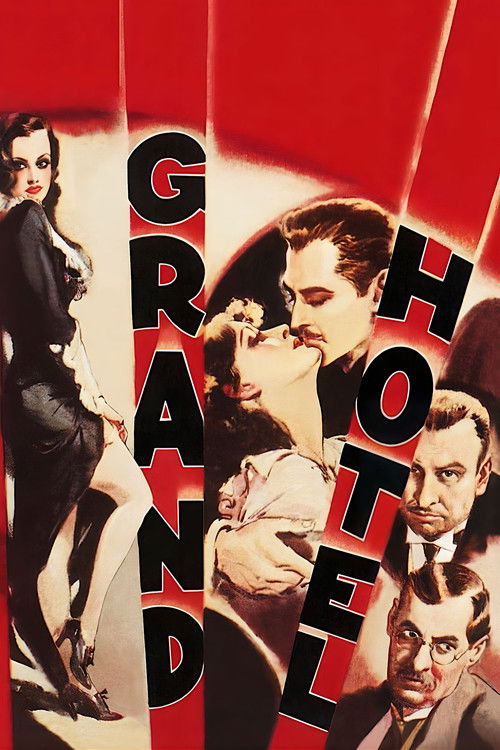
Grand Hotel1932
Made the same year, with similar visual sophistication and a similar cast-of-characters intimacy. Multiple love stories unfold in one location, all with the same bittersweet inevitability.
But The pace is languid even by 1930s standards, and you have to care about several people at once, which doesn't always click.
Not sure tonight? Get a pick in a minute, starting from A Farewell to Arms
The wildcard
Something you would not have found on your own.
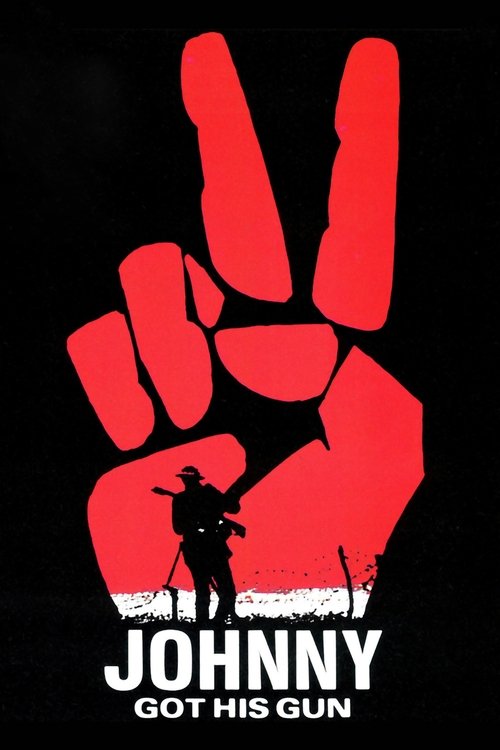
Johnny Got His Gun1971
Both see war as a betrayal of the people who fight it, but Johnny goes much further: it asks whether survival itself is a mercy or a curse.
A hallucinatory anti-war film that makes WWI visceral without showing battlefields—a soldier so destroyed he can only think. It shares Hemingway's moral clarity about mechanized death, but transmutes it into something almost nightmarish.
But It's extremely dark and formally experimental. The sensory assault is intentional and unrelenting.
More like this (8)
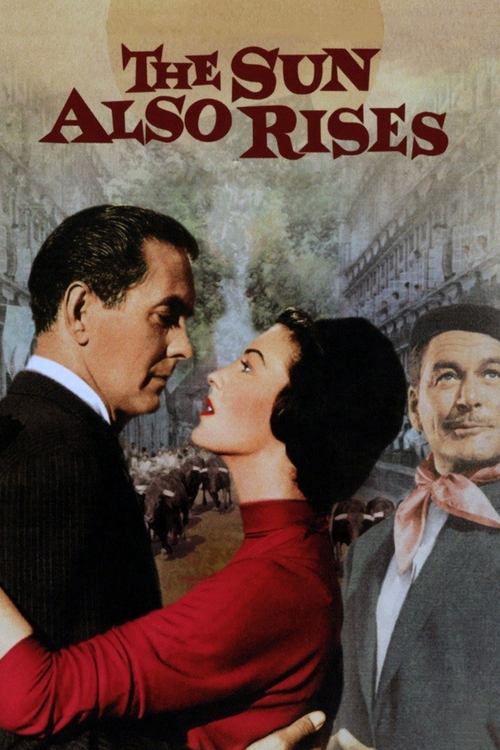
The Sun Also Rises1957
Hemingway again: a post-WWI story about people adrift, trying to find meaning and love in the wreckage. Ava Gardner and Tyrone Power navigate the same emotional landscape, with Spain standing in for disillusionment.
But It's episodic and digressive—faithful to the novel in ways that can feel aimless on screen.
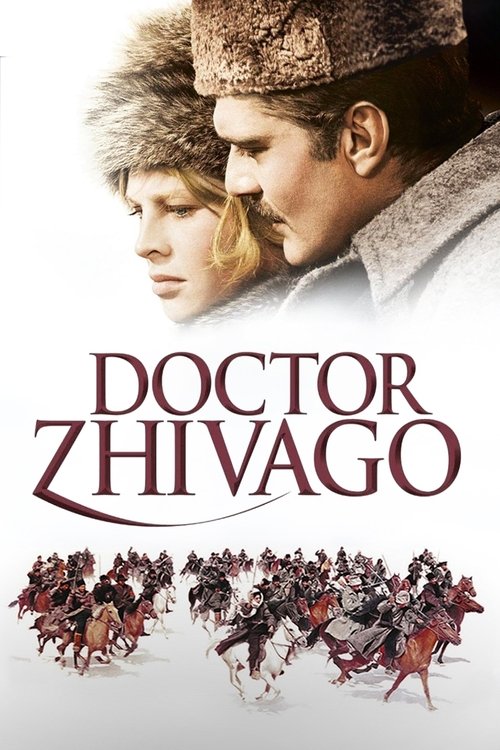
Doctor Zhivago1965
Another epic about lovers separated by continental war, built on the same tragic architecture. Lean's visual ambition is breathtaking, and the scope makes the personal heartbreak feel genuinely tragic.
But It's nearly four hours, and the emotional peaks are separated by long stretches of exposition and political machinery you may not care about.
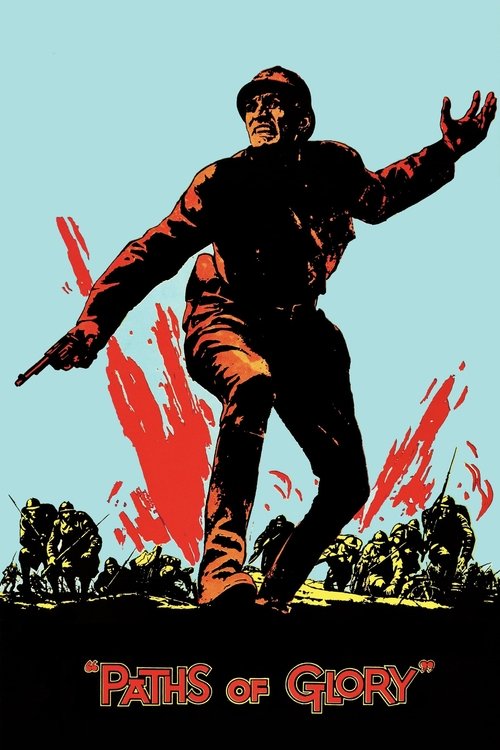
Paths of Glory1957
Kubrick's bitter dissection of WWI command and consequence. Like Hemingway, it sees war as a machine that chews up individuals while those in power negotiate. Kirk Douglas is superb.
But It's bleak without redemption, and the famous final scene, though beautiful, won't offer comfort.
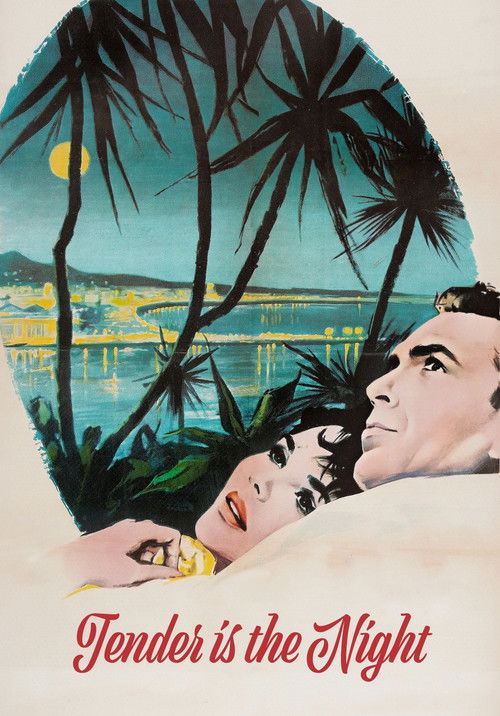
Tender Is the Night1962
F. Scott Fitzgerald's novel of post-WWI American expatriates, all charm and slow moral decay. Jason Robards and Jennifer Jones capture people trying to stay young while the war ages their souls.
But The pacing is languid, the wealth feels remote, and the tragedy feels diffuse rather than concentrated.
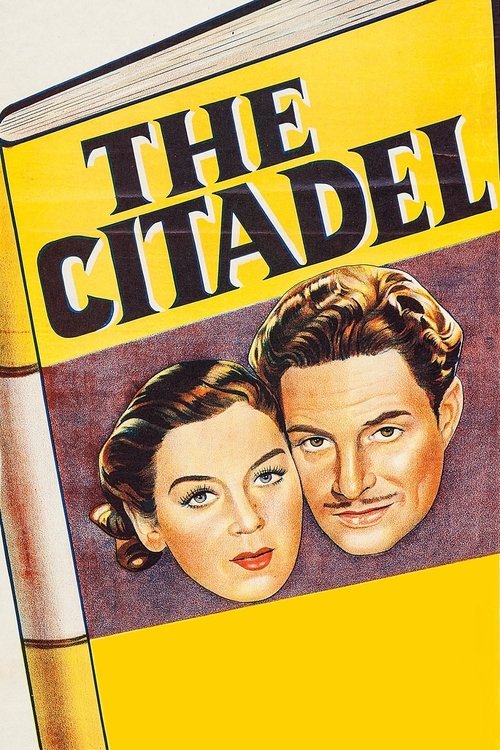
The Citadel1938
A British film of the same era with similar emotional DNA: a principled man must choose between love and integrity. Robert Donat carries it with quiet conviction, and the medical detail grounds the romance.
But It's more about professional disillusionment than passion, and if you're looking for romance as the main event, you'll be disappointed.
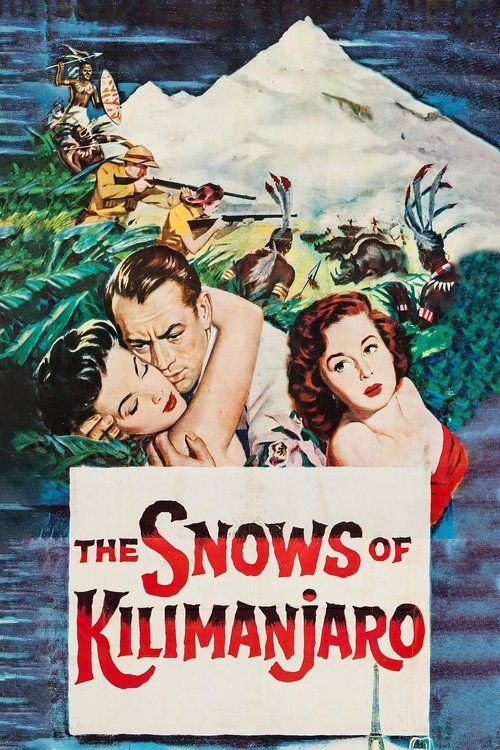
The Snows of Kilimanjaro1952
Hemingway once more: a man dying in Africa reflects on a love he lost, performed with restraint by Gregory Peck. It's about regret and the weight of choice, told with economy and grace.
But It's essentially a man lying in a tent thinking. If you need plot momentum, you won't find much.
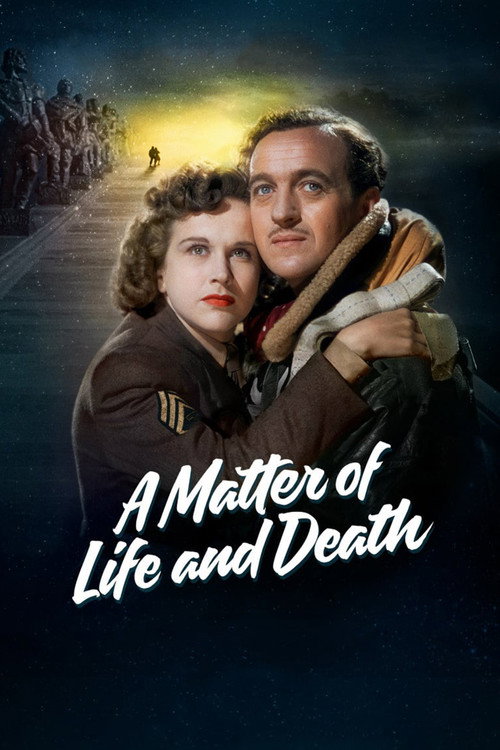
A Matter of Life and Death1946
Both argue that love is the only real thing in a world of official violence and bureaucratic death—but this one lets love win, at least partially.
A WWII British film that uses colour and black-and-white as metaphors for life and death, love and duty. It has the visual lushness of early Technicolor and the same bittersweet acceptance of loss that Hemingway carries.
But It's sentimental by design, and some will find the magical-realist framing precious rather than moving.
Stalker1979
Like Farewell to Arms, it's about people moving through dangerous terrain toward something they cannot have, and asking whether the journey itself is what matters. Both suggest that desire and death are closer than we admit.
A Soviet science-fiction film about a guide leading two men through a mysterious zone to a room that grants wishes. It's glacially paced, visually hypnotic, and structured as a philosophical dialogue about desire, faith, and what we're willing to lose.
But It's 163 minutes of conversation and landscape. There is no action, no music, no conventional story. You must want to think.

People
Cast
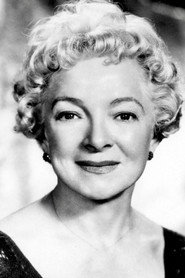 Helen HayesCatherine Barkley
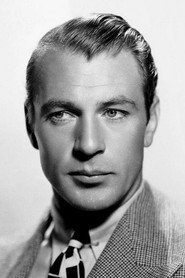 Gary CooperLt. Frederic Henry
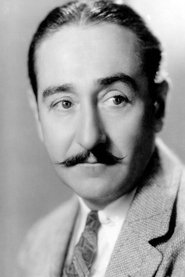 Adolphe MenjouMajor Rinaldi
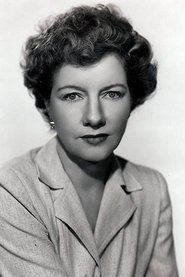 Mary PhilipsHelen Ferguson
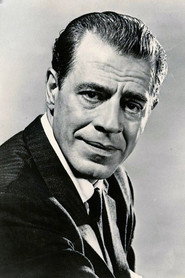 Jack La RuePriest
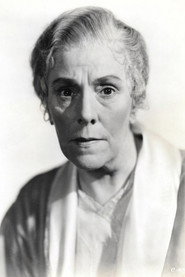 Blanche FridericiHead Nurse
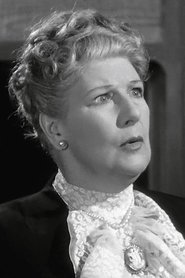 Mary ForbesMiss Van Campen
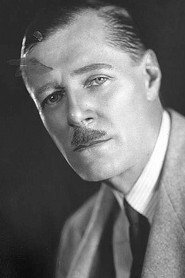 Gilbert EmeryBritish Major
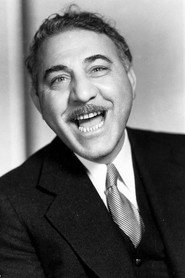 Henry ArmettaBonello the Ambulance Driver (uncredited)
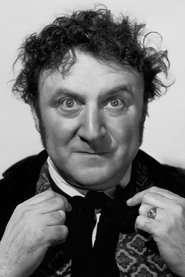 Herman BingSwiss Postal Clerk (uncredited)
- Agostino BorgatoHospital Porter Giulio (uncredited)
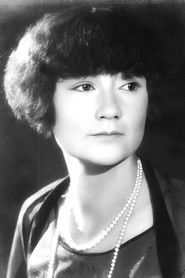 Marcelle CordaySwiss Nurse (uncredited)
Directing
- Arthur JacobsonAssistant Director
- Charles GriffinAssistant Director
- Lew BorzageAssistant Director
- Frank BorzageDirector
Writing
- Ernest HemingwayNovel
- Benjamin GlazerScreenplay
- Oliver H.P. GarrettScreenplay
Production
- Benjamin GlazerAssociate Producer
- Edward A. BlattAssociate Producer
- Fred A. DatigCasting
- Adolph ZukorProducer
- Frank BorzageProducer
Recommended by
Europa Europa, Beau Geste, Waterloo Bridge, Peter Ibbetson, The Water Diviner, Balzac and the Little Chinese Seamstress, All Quiet on the Western Front, The White Rose, For Whom the Bell Tolls, The Rains Came, Ace of Aces, The Dark Angel, Lilac Time, The Bitter Tea of General Yen, The Mortal Storm, De Gaulle: Liberté