
Film
Lilac Time
A 1928 silent romance set on a French farm during World War I, where a charming local girl tends to English pilots and falls for one already promised to another. It captures the bittersweet collision of love and duty, lit by Technicolor sequences that still dazzle. For anyone drawn to period romance or early cinema's delicate emotional register.
Should you watch it?
Watch it if you love silent-era romances where the love story is threaded through a war film, and you enjoy the warmth of a found-family squadron more than the dogfights themselves.
Skip it if you need your silent films fast and sharp, since this one lingers on its sentiment and its ninety-one minutes can feel longer when the romance keeps circling the same ache.
What it asks of you: Settle in for a gentle, mostly unhurried ninety-one minutes that rewards patience with faces and glances, and treats the war as weather around a tender, bittersweet courtship.
Not sure? Find tonight's pick in a minute.
If you liked this
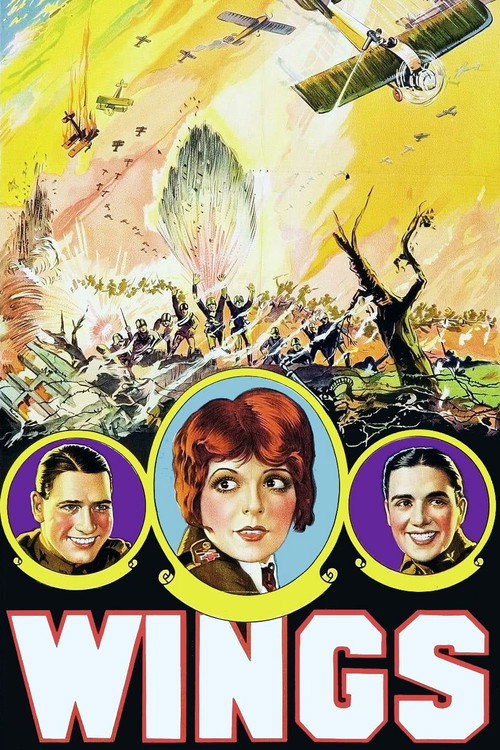
Wings1927
The war-film template that defined the era—spectacular aerial sequences, genuine spectacle, and a love triangle equally torn between passion and honour. The film that won the first Best Picture Oscar.
But Silent cinema demands patience, and the combat footage, while thrilling, moves at 1920s pacing. Some romantic beats land softer than intended.
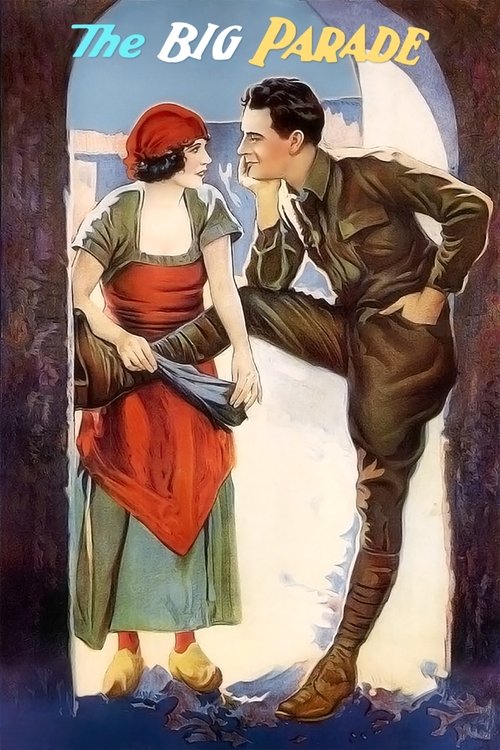
The Big Parade1925
King Vidor's masterpiece about an American doughboy in France—romance, humour, horror, and mud all tangled together. It moved audiences to tears then and still does. The emotional truth cuts across the decades.
But At nearly three hours silent, it requires real commitment. The tonal shifts between comedy and devastation can feel jarring on first viewing.
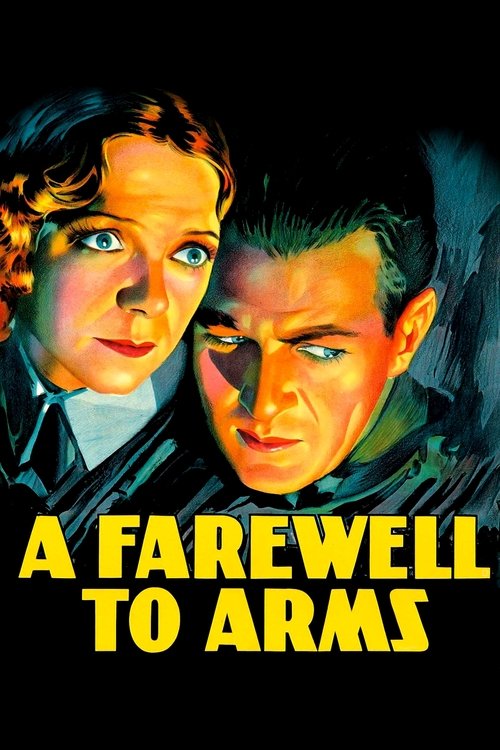
A Farewell to Arms1932
Borzage's sound adaptation of Hemingway, starring Gary Cooper (Lilac Time's lead). A doomed love in wartime Italy with genuine intimacy and melancholy. Less bombast, more whisper.
But The pacing feels glacial by modern standards, and the ending won't lift your spirits. Hemingway's bleak worldview isn't everyone's evening.
Not sure tonight? Get a pick in a minute, starting from Lilac Time
The wildcard
Something you would not have found on your own.
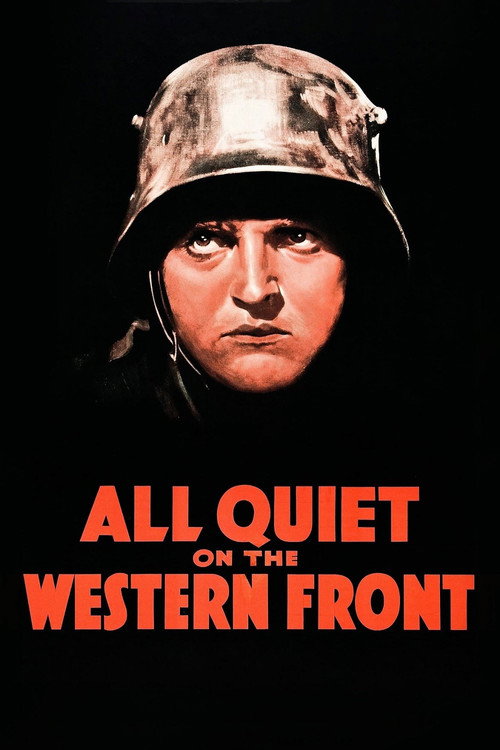
All Quiet on the Western Front1930
Both use WWI France as setting, but where Lilac Time finds grace in love amid chaos, All Quiet sees only the chaos. They're moral opposites—watching them together clarifies what each one is saying about war itself.
A sound film released only two years after Lilac Time, already speaking a different cinematic language. It takes the same war, strips away romance entirely, and shows us what actually happened. Terrifying and necessary.
But It is aggressively bleak and graphic for 1930. If you came to Lilac Time for the romance, this will feel like a betrayal. It offers no comfort.
More like this (7)
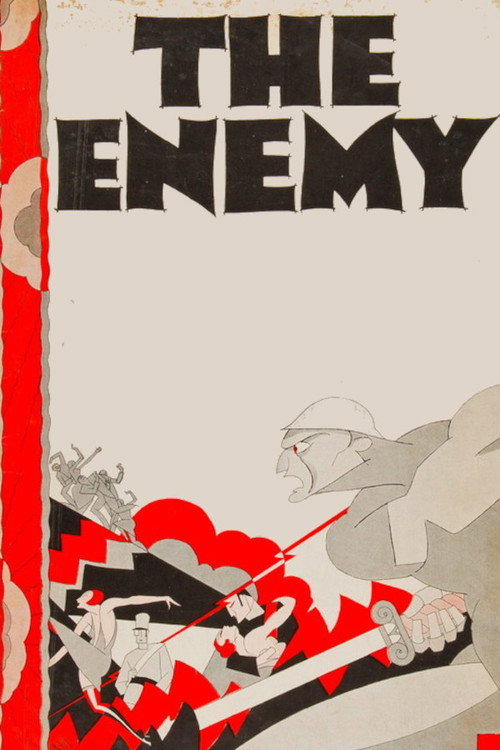
The Enemy1927
An Austrian soldier and a Russian girl fall in love across enemy lines—same premise, different war. Stunning cinematography and a moral clarity about the waste and pointlessness of it all.
But It's a silent film that prioritizes mood over plot momentum. Patience required; catharsis not guaranteed.
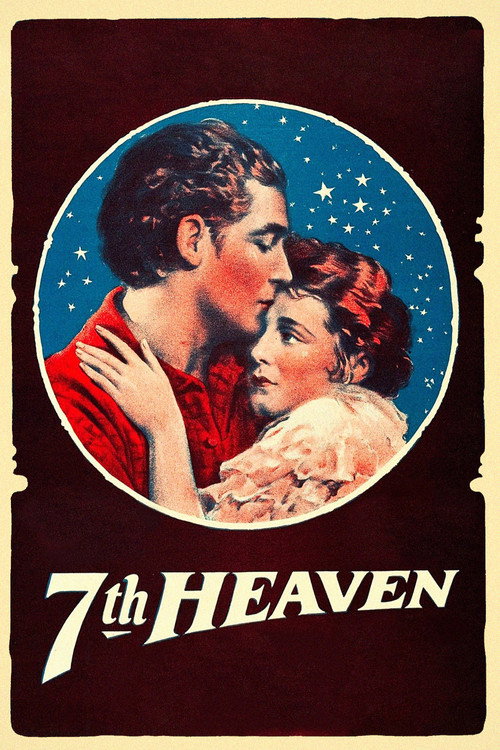
7th Heaven1927
A Parisian street sweeper and a mill girl find refuge in love during WWI. Janet Gaynor and Charles Farrell have genuine chemistry, and Borzage's direction is tender and inventive throughout.
But The sentimentality is thick. If you find the tone saccharine, there's no irony to hide behind.
The Magnificent Flirt1928
A lesser-known gem with gorgeous Technicolor sequences like Lilac Time. A woman plays suitors off each other in post-war France, mixing romantic comedy with the unease of an unstable peace.
But The plot feels slight and the comedy fairly dated. It banks heavily on star charm, which doesn't always translate across a century.
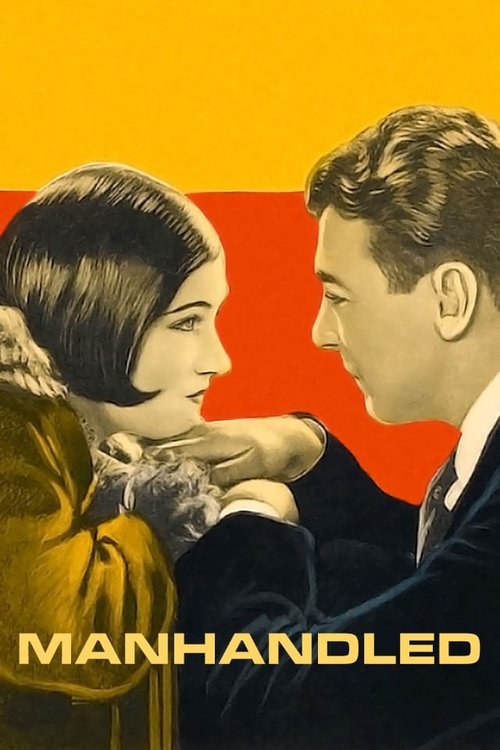
Manhandled1924
Dorothy Dwan carries a nimble comedy about a stenographer who escapes her mundane life by role-playing. It shares Lilac Time's delight in performance and charm as currency, but with laughs.
But The social commentary is thin, and it's fundamentally frivolous. Some viewers will find it too light to matter.
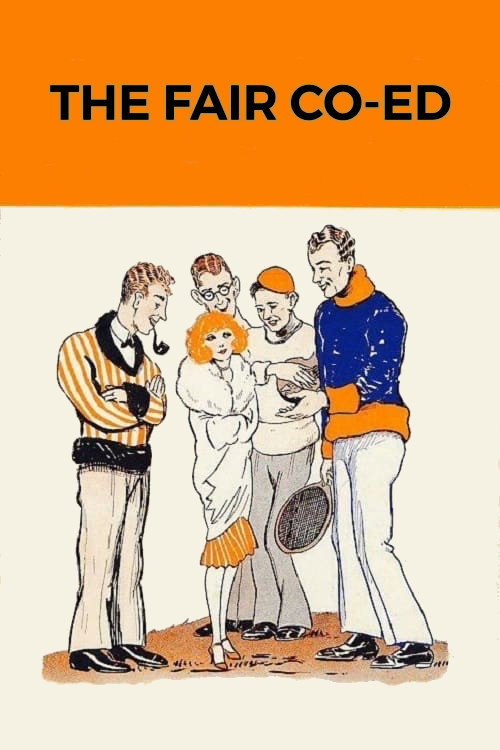
The Fair Co-Ed1927
Joan Crawford and Johnny Mack Brown in a college romance with real warmth and playfulness. The tone is lighter than Lilac Time, but the central couple's rapport is absolutely there.
But It's cotton-candy cinema—plot is secondary to watching beautiful people flirt. Not for those wanting substance over charm.
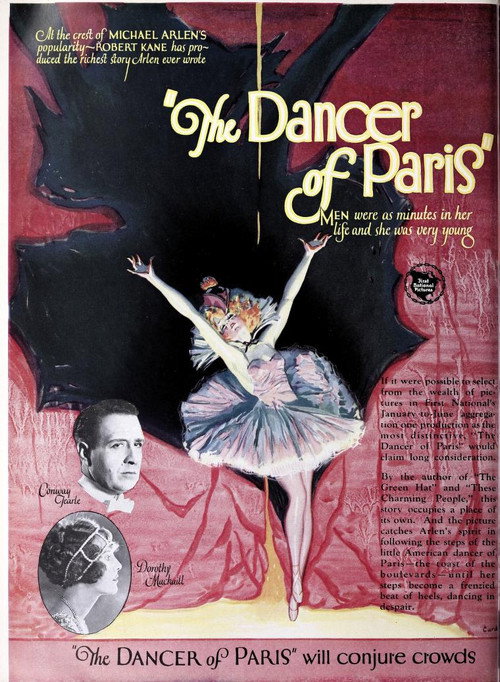
The Dancer of Paris1926
A nightclub performer in post-war Paris and a soldier grapple with honour and desire. The film has a harder edge than Lilac Time and explores the moral compromises of survival.
But It's obscure for good reason—the narrative meanders and the emotional payoff feels incomplete. Production values are uneven throughout.
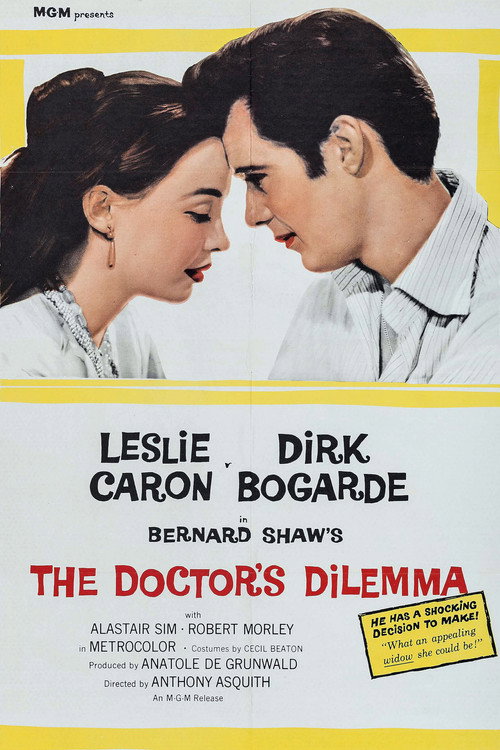
The Doctor's Dilemma1959
Both films use rich colour (Technicolor for Lilac Time, full Eastmancolor here) as an emotional language, turning visual beauty into a way of expressing what cannot be said plainly. Both are about desire in the face of duty.
A Technicolor gem about a famous doctor's moral crisis. Like Lilac Time's best sequences, the colour is lush and the emotional stakes feel urgent. Entirely different story, same visual luxuriance and human tenderness.
But It's a stage adaptation that never quite shakes its theatrical origins. The dialogue can feel arch, and the plot mechanics creak audibly.
People
Cast
 Colleen MooreJeannine
 Gary CooperCapt. Philip Blythe
 Eugenie BessererMadame Berthelot
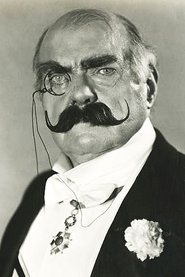 Burr McIntoshGen. Blythe
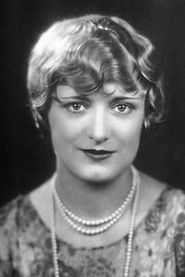 Kathryn McGuireLady Iris Rankin
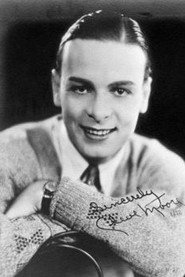 Cleve MooreCapt. Russell (flight commander)
 Arthur LakeThe Unlucky One
- Richard JarvisAviator
- Jack StoneyThe Kid
- Dan DowlingAviator
- Dick GraceAviator
- Stuart KnoxAviator
Directing
- George FitzmauriceDirector
Writing
- Adela Rogers St. JohnsAdaptation
- Willis GoldbeckAdaptation
- Guy FowlerBook
- Carey WilsonScenario Writer
- Jane CowlTheatre Play
- Jane MurfinTheatre Play
Production
- George FitzmauriceProducer
- John McCormickProducer
Recommended by
Hell's Angels, The Desert Song, A Man's Mate, The Spanish Dancer, My Best Girl