
Film
A Man's Mate
A 1924 silent melodrama about an artist who loses his memory and falls in love with a cabaret dancer, then must choose between his restored past and the woman who saved him. It's lush, emotionally direct cinema—the kind of film where a glance carries the weight of a monologue. For anyone curious about how silents handled desire and sacrifice before dialogue could shortcut the feeling.
If you liked this
Sunrise: A Song of Two Humans1927
Murnau's masterpiece about temptation, memory, and a couple on the brink of ruin. It has the same moral architecture as *A Man's Mate*—a man pulled between two worlds, loyalty tested by desire, redemption earned through suffering.
But It's deliberately paced and philosophically heavy. The beauty can feel slow if you're not attuned to silent film's register.

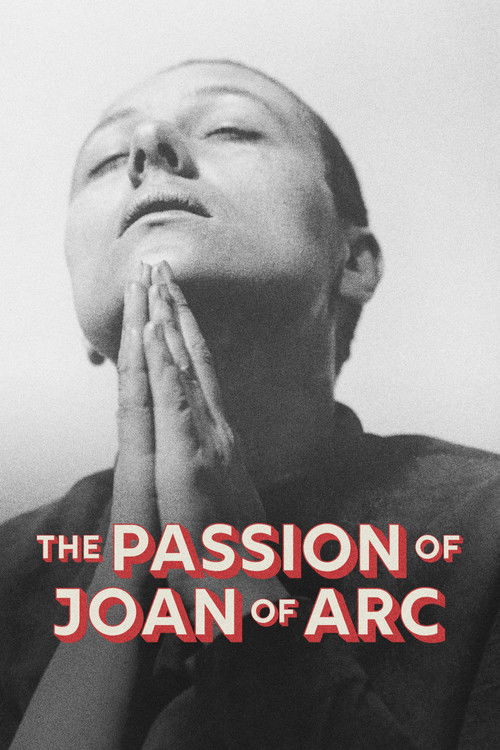
The Passion of Joan of Arc1928
Dreyer's extraordinary close-ups of Renée Jeanne's face as she endures interrogation—raw, intimate emotion without a word of dialogue. Pure cinema about sacrifice. If you felt *A Man's Mate*, you need to see what the medium could do with a soul in crisis.
But It's bleak, austere, and intentionally difficult. There's no romance to soften the spiritual anguish.
The Phantom Carriage1921
A Swedish ghost story about love, redemption, and a man given one night to undo his sins. It shares *A Man's Mate*'s belief that love can save us—and its willingness to break your heart to prove it. Visually astonishing.
But The pacing is genuinely slow. It demands patience and an openness to 1920s storytelling rhythms.

Not sure tonight? Get a pick in a minute, starting from A Man's Mate
The wildcard
Something you would not have found on your own.
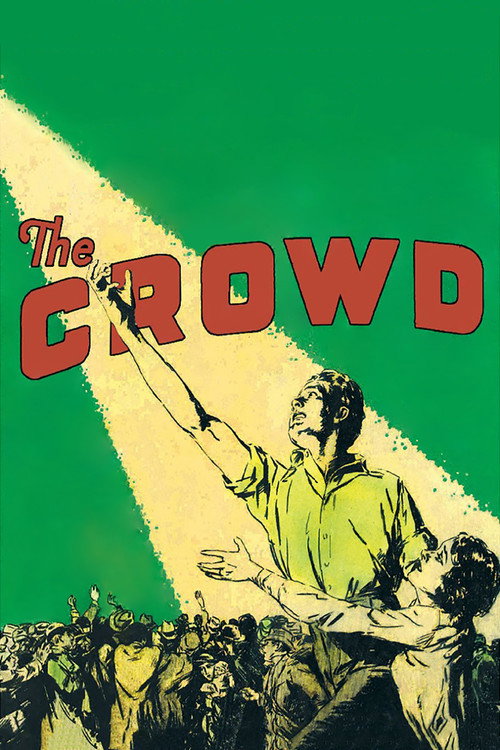
The Crowd1928
Both use cinema's visual language to elevate the emotional lives of ordinary people—but *The Crowd* refuses the melodrama that rescues the lovers in *A Man's Mate*, insisting instead on the dignity of the mundane.
Vidor's radical film about ordinary people—a couple in New York, their love, their poverty, their small heartbreaks. It looks like social realism but it's shot like *A Man's Mate*: every frame weighted with emotion. The difference: it denies you the romantic escape and makes you sit with real life instead.
But There's no grand passion, no exotic setting, no recovery. It's about the grinding ordinariness of marriage and ambition, and some find that depressing.
More like this (8)
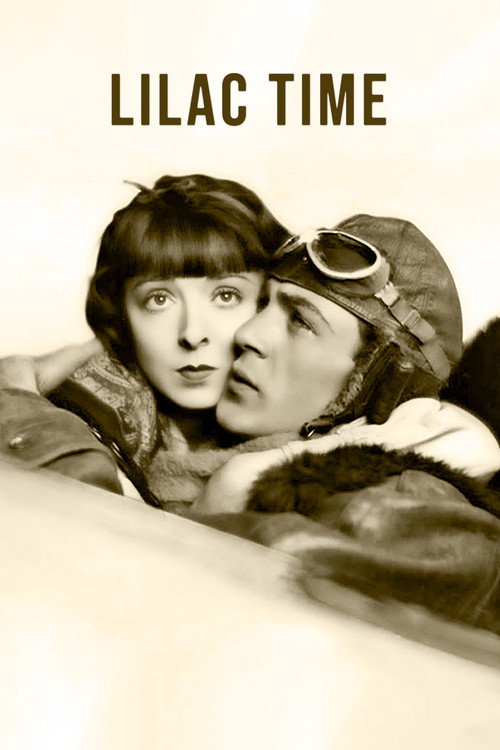
Lilac Time1928
Gary Cooper as a WWI pilot who loses his memory and falls for a French girl. It's *A Man's Mate*'s plot cousin—amnesia, impossible love across class lines, a woman who loves selflessly. Gorgeously shot and genuinely moving.
But The war sequences feel dated and the sentimentality can tip into melodrama if you're not in the mood for it.
The Lodger: A Story of the London Fog1927
Hitchcock's psychological thriller about suspicion, desire, and the unknowable stranger in your home. It has the same fever-dream quality as *A Man's Mate*—atmosphere and looks doing the heavy lifting of meaning.
But It's abstract and moody rather than clearly plotted. The ending is ambiguous in ways that frustrate some viewers.

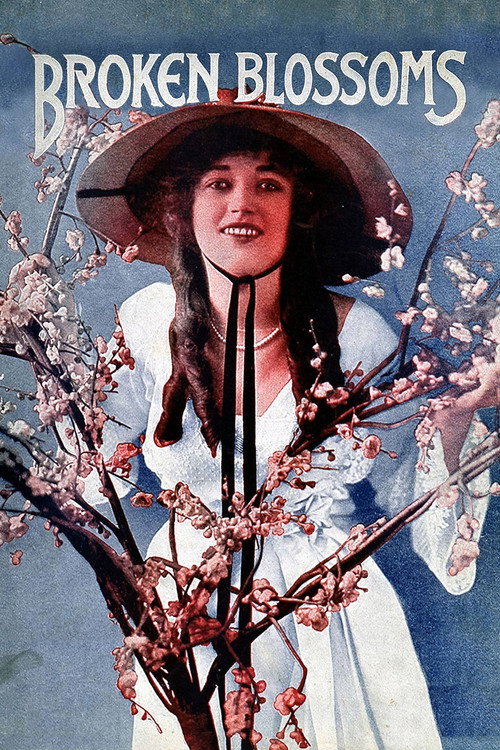
Broken Blossoms or The Yellow Man and the Girl1919
Griffith's tender tragedy about a Chinese man who loves an abused English girl across the barrier of race and class. It's about the purity of love in an ugly world—the same tragic register as *A Man's Mate*, but even more delicate.
But It's sentimental to the point of heartbreak. The racial attitudes, while sympathetic for 1919, are uncomfortable by modern standards.
Pandora's Box1929
Pabst's masterpiece about Lulu, a woman who destroys every man who loves her, and the men who can't help themselves. It's *A Man's Mate*'s dark mirror—desire as trap, love as doom, the femme fatale with a conscience.
But It's sexually frank for 1929 and morally complicated. The ending is bleak and offers no comfort.

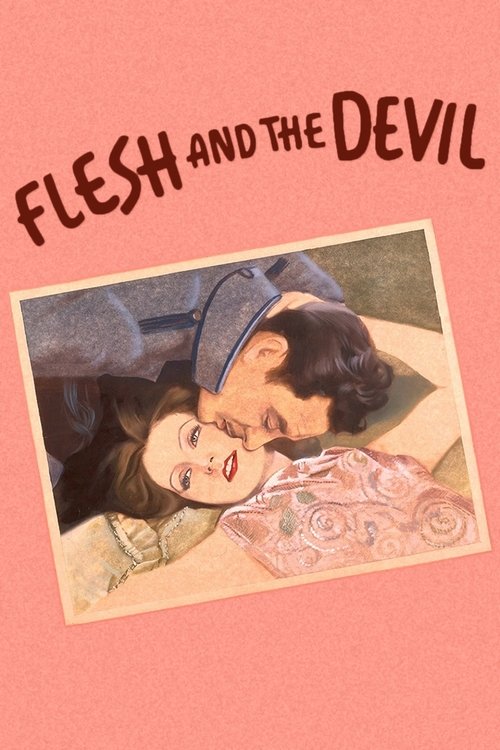
Flesh and the Devil1926
Greta Garbo as a seductress who comes between lifelong friends. It has that same silent cinema magic—the way desire is communicated through proximity and eye contact. Sensual, jealous, utterly gripping.
But The melodrama is thick. If you find 1920s acting styles overwrought, this will test your patience.
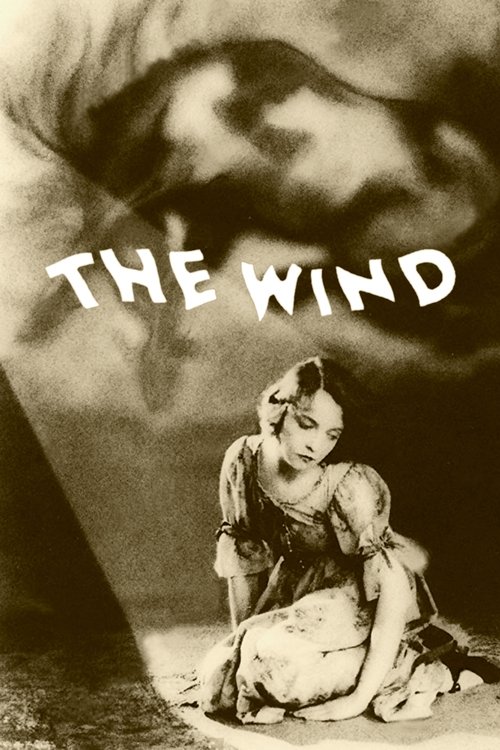
The Wind1928
Sjöström's haunting portrait of a woman undone by isolation and circumstance. It shares *A Man's Mate*'s fatalism—the sense that we are powerless against forces larger than ourselves. Visually stunning and psychologically acute.
But It's bleak and offers no redemption. The psychological deterioration is relentless and can feel oppressive.
Nosferatu1922
Both center on a man pulled between two worlds by a woman he cannot rationally love. In *A Man's Mate* she saves him; in *Nosferatu* she destroys him. Same engine, opposite current.
A vampire film that trades Gothic horror for something deeper: loneliness, desire, the way we invite our own destruction. Like *A Man's Mate*, it's about a man unable to choose between his safe life and the woman who undoes him. The visual language is astonishing—shadows, composition, dread.
But It's a horror film, not a romance. If you go in expecting tragedy and beauty, you'll get them, but wrapped in genuine unease and terror.

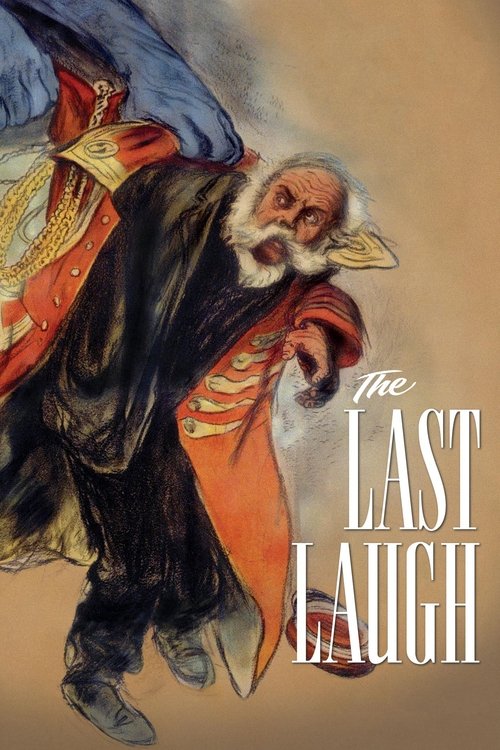
The Last Laugh1924
Both are silent films from the same era that trust visual storytelling completely, but *The Last Laugh* uses that language for social realism and tragedy, while *A Man's Mate* uses it for romantic melodrama. Seeing them together shows how flexible the form was.
Murnau's silent masterpiece about a doorman's humiliation and the camera work that makes it matter. No intertitles, no plot cards—pure cinema. It shares *A Man's Mate*'s faith that the camera can articulate the unspeakable, but it's about degradation and aging rather than love. Essential.
But The emotional register is grim. It's also technically experimental in ways that can feel strange to modern eyes—the moving camera was radical and disorienting in 1924.
People
Cast
 John GilbertPaul
 Renée AdoréeWildcat
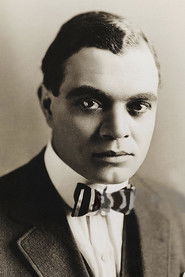 Noble JohnsonLion
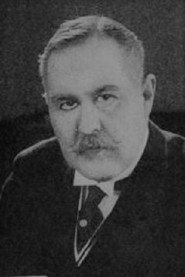 Wilfrid NorthMonsieur Bonard
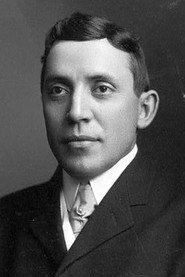 James NeillVeraign
 Patterson DialSybil
- Thomas R. MillsFather Pierre
- Jack GiddingsLynx