
Film
The Arab
A 1924 silent epic about a Bedouin soldier navigating duty, redemption, and colonial violence in the Middle East. It's visually sumptuous and morally complex—less about spectacle than about a man reckoning with conscience amid chaos. For viewers curious about how cinema treated the Arab world a century ago, and what gets preserved or lost in translation.
If you liked this
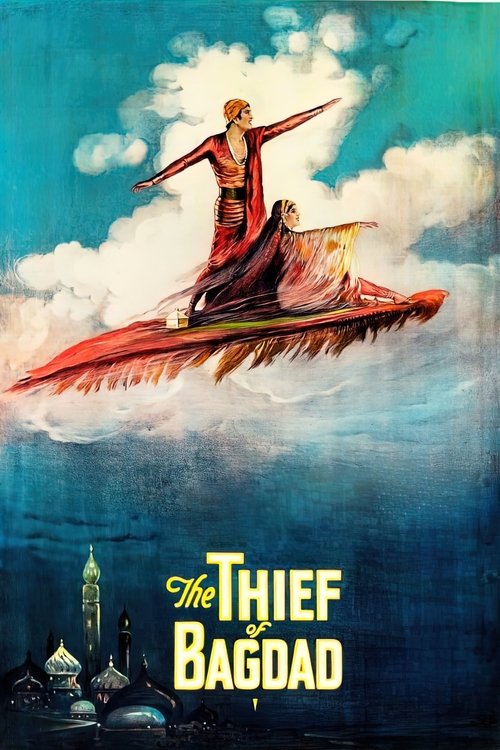
The Thief of Bagdad1924
Released the same year, this Douglas Fairbanks fantasy also fetishizes the exotic East, but with acrobatic charm and genuine wonder. A perfect double feature that shows how differently Hollywood approached the same geography.
But The orientalism is thick and unexamined. If you can't watch early cinema through a historical lens, the casual racism will grate.
Intolerance: Love's Struggle Throughout the Ages1916
D.W. Griffith's epic tackles colonial injustice and the costs of empire across four historical periods. Like *The Arab*, it wrestles with moral complexity at a scale that feels genuinely modern.
But It's nearly four hours long and the Babylon sequences can feel self-indulgent. The pacing assumes you're patient in ways modern viewers often aren't.

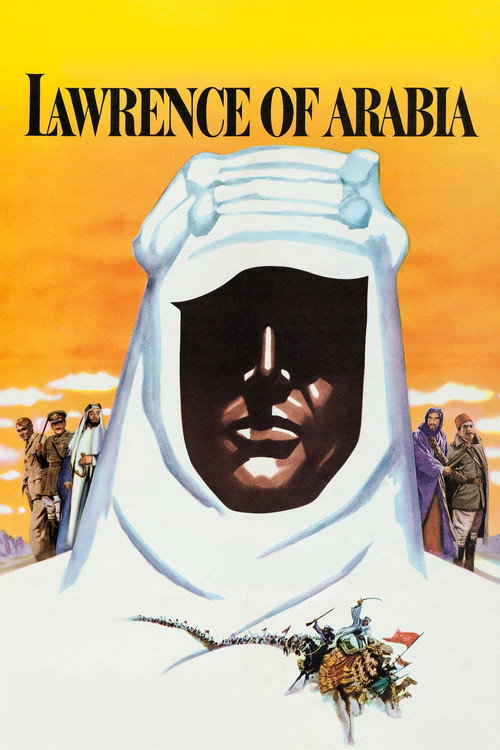
Lawrence of Arabia1962
A later, more celebrated treatment of similar material—a man caught between two worlds, the desert as both brutality and beauty, colonialism as a moral maze. See what got refined in the retelling.
But It's a very different film: longer, glossier, less about the Arab perspective than the English one. The comparison might frustrate rather than illuminate.
Not sure tonight? Get a pick in a minute, starting from The Arab
The wildcard
Something you would not have found on your own.
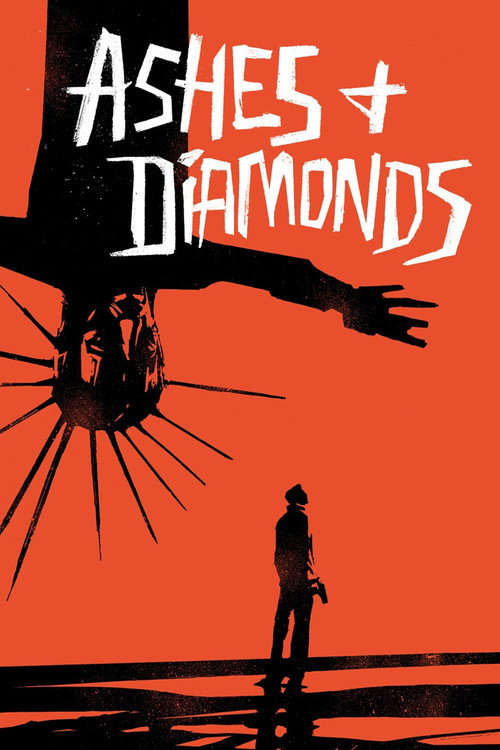
Ashes and Diamonds1958
Both films refuse to simplify moral choice. Both ask whether a person can save the innocent and still be saved. Both understand that history doesn't care about individual conscience.
Andrzej Wajda's Polish masterpiece is a desert of a different kind—a nation after Nazi occupation grappling with who survives, who has the right to live, what redemption even means. The spiritual sibling *The Arab* didn't know it had.
But It's in Polish and requires patience with ambiguity. The allegory is terse and the violence sudden. Not comforting.
More like this (8)
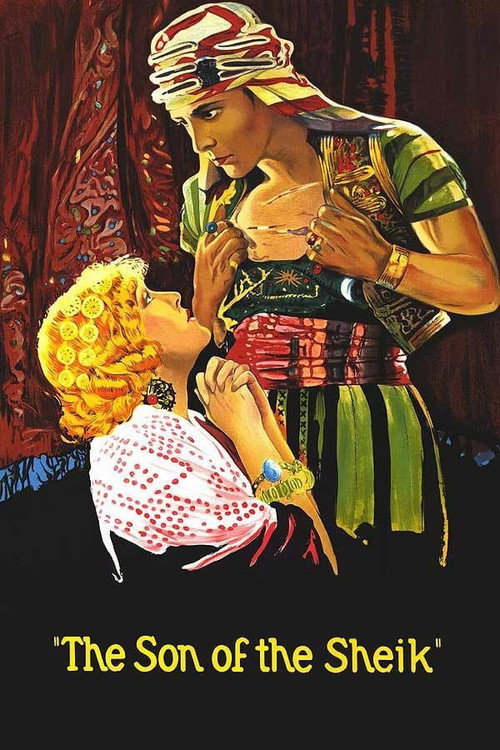
The Son of the Sheik1926
Another Novarro vehicle that builds on the silent-era formula *The Arab* helped pioneer. It's playful where *The Arab* is grave, showing how quickly the conventions hardened into cliché.
But The plot is paper-thin and the romance feels obligatory. It hasn't aged as intellectually as *The Arab* has.
The Phantom Carriage1921
A Swedish film with the same moral urgency and visual sophistication as *The Arab*. Shows that the best silent cinema—whether American or European—was grappling with conscience and redemption.
But It's a ghost story, completely different genre. You're watching for tone and craft, not plot continuity.

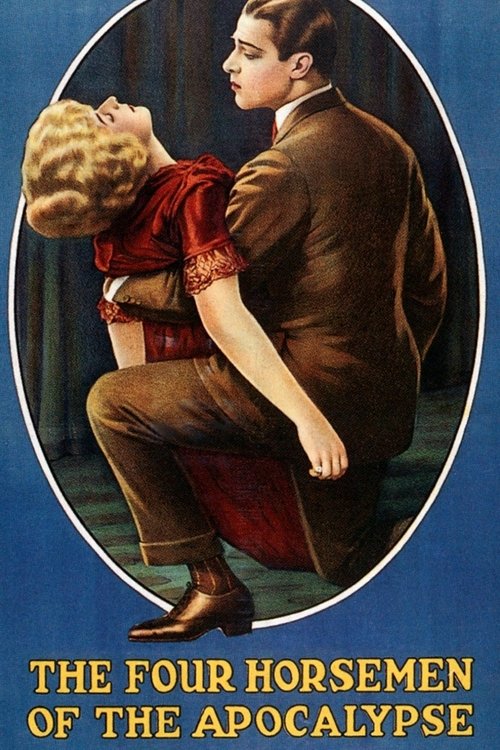
The Four Horsemen of the Apocalypse1921
Another Novarro showcase about war, conscience, and the cost of empire. Earlier and rawer, it shows what drew audiences to him—a face expressive enough to carry moral ambiguity.
But The anti-war message is sometimes heavy-handed. Silent cinema's approach to propaganda can feel didactic to modern eyes.
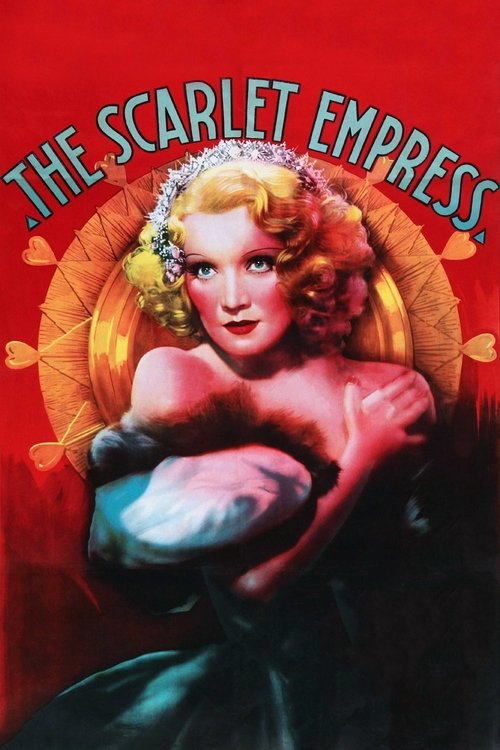
The Scarlet Empress1934
Sternberg's baroque fever dream about power, identity, and foreign courts. Like *The Arab*, it's deeply concerned with how we are shaped by the worlds we enter and the violence they contain.
But It's visually overwhelming and the narrative is deliberately elliptical. The beauty can eclipse the story if you're looking for plot clarity.
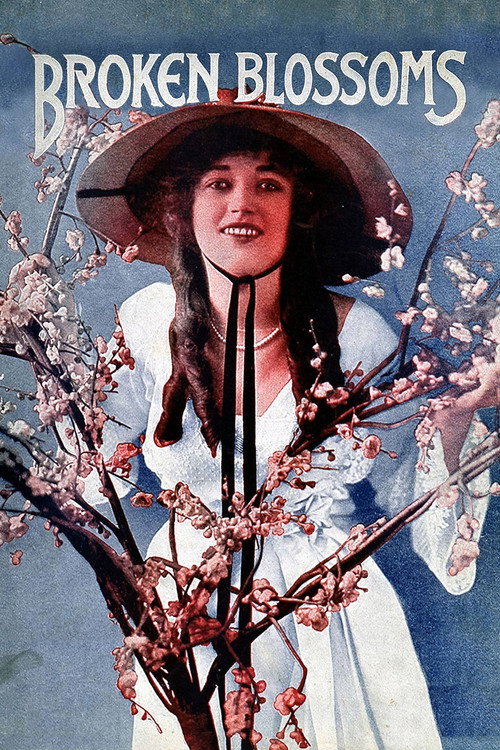
Broken Blossoms or The Yellow Man and the Girl1919
Griffith's intimate tragedy about cross-cultural love and violence. Quieter than *The Arab*, but equally concerned with how empathy collides with prejudice and systems larger than any individual.
But The sentimentality is extreme even by silent standards. The ending is devastating in a way that might feel manipulative now.
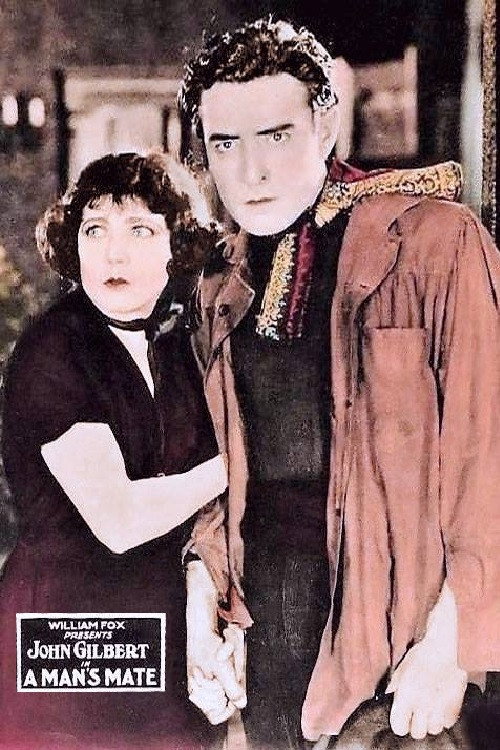
A Man's Mate1924
Novarro again, same year as *The Arab*, in a tale of duty and honor among rough men. A minor film but useful for understanding what Novarro's audience expected from him and how he met it.
But It's straightforward adventure without much moral complexity. After *The Arab*, it might feel thin.
Stalker1979
Both are pilgrimage narratives about duty and disillusionment. Both film the landscape as a character that outlasts moral certainty. Both trust silence.
Tarkovsky's meditative sci-fi about a guide leading strangers through a forbidden zone toward a room that grants wishes. Formally it's the opposite of silent-era spectacle, but thematically it's *The Arab*'s heir—a man navigating systems of power, questioning whether his sacrifice has meaning.
But It's 163 minutes of profound slowness. There is almost no plot. If you're watching to relax, stop now.

Bicycle Thieves1948
Both films insist that individual virtue cannot save you from systemic indifference. Both understand that saving others and saving yourself are often the same impossible choice. Both end with a man knowing he has failed.
Vittorio De Sica's neorealist masterpiece about a man in post-war Rome trying to recover his stolen bicycle—his livelihood, his dignity, his family's survival. Like *The Arab*, it's a small human story compressed against historical forces too large to fight alone.
But There's no resolution. The ending is quietly heartbreaking in a way that offers no catharsis. It's about helplessness, not redemption.

People
Cast
 Ramon NovarroJamil Abdullah Azam
 Alice TerryMary Hilbert
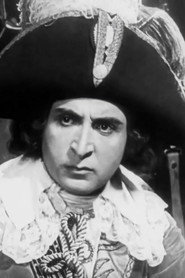 Max MaxudianThe Governor
- Jean de LimurHossein
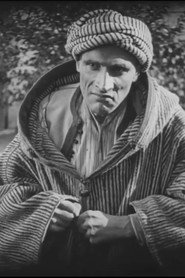 Paul VermoyalIphraim

Directing
- Rex IngramDirector
Writing
- Edgar SelwynTheatre Play
- Rex IngramWriter