
Film
The Four Horsemen of the Apocalypse
Rudolph Valentino's breakout vehicle is an ambitious 1921 epic about a wealthy Argentine family torn apart when WWI forces relatives to fight on opposing sides. It's grand and melodramatic, with enormous battle sequences and intimate domestic tragedy jostling for space. For anyone curious about silent cinema's sweep and ambition, or Valentino's magnetism before he became pure myth.
If you liked this
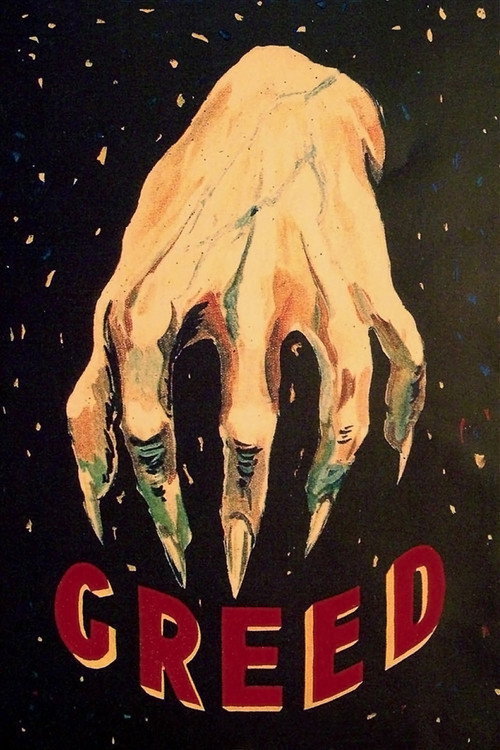
Greed1924
Erich von Stroheim made a masterpiece about how money poisons a family, with similarly grandiose technique and emotional devastation. The scale matches Four Horsemen's ambition but everything is tighter and stranger.
But The original cut was cut to shreds; what survives is magnificent but fragmentary. Silent cinema at its most demanding.
Nosferatu1922
German Expressionism's ur-text uses wartime trauma and dread with the same visual intensity Valentino's film brings to battle. Both are products of their moment, both use cinema to process horror.
But It's a vampire film, and its pacing is glacial by modern standards. If you want plot momentum, you won't find it here.

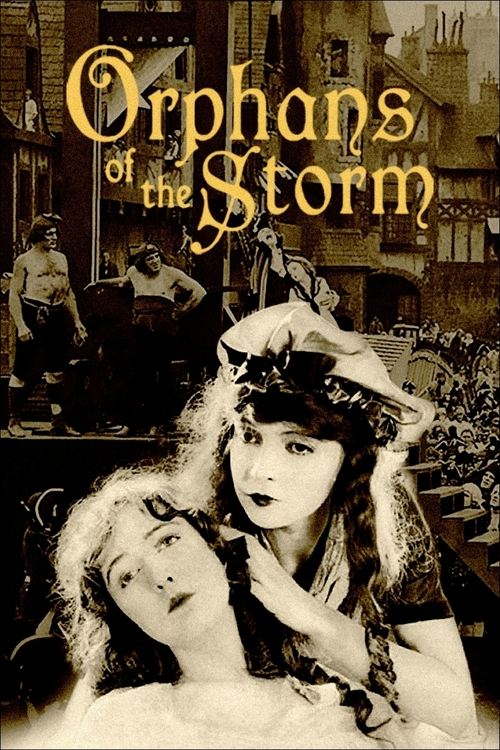
Orphans of the Storm1921
D.W. Griffith again, but this time channeling Lillian Gish through the French Revolution with the same epic canvas and emotional clarity you get from Four Horsemen. Griffith at his most generous with his actors.
But Heavy on melodrama and light on subtlety. If you prefer understatement to grand gesture, it will feel overwrought.
Not sure tonight? Get a pick in a minute, starting from The Four Horsemen of the Apocalypse
The wildcard
Something you would not have found on your own.
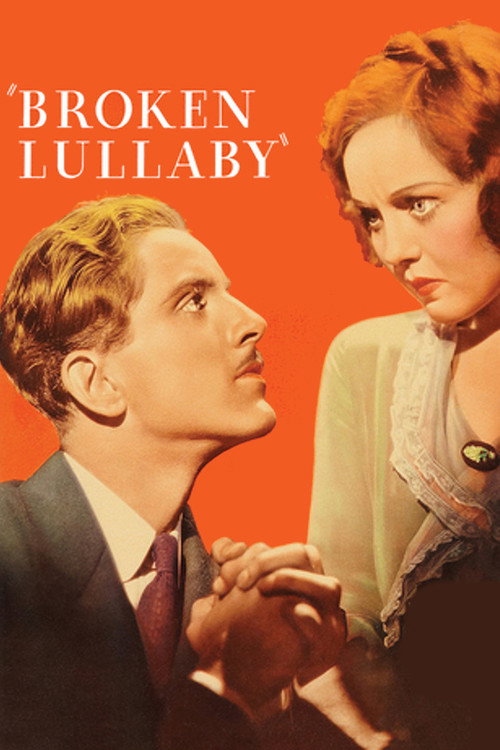
Broken Lullaby1932
Same premise—family divided by war, romance across enemy lines—but Murnau went deeper into the moral and psychological wreckage rather than the melodrama.
F.W. Murnau's sound film is a direct spiritual heir to Four Horsemen—an aristocratic German officer falls in love with the widow of the French soldier he killed in WWI. Same core tragedy, but with dialogue and a decade of sophistication later. Murnau saw what Valentino's film was reaching for and finished the sentence.
But The sound-era pacing is completely different; it's slower and more interior. If you want the spectacle and movement of silent cinema, this introspection will frustrate you.
More like this (7)
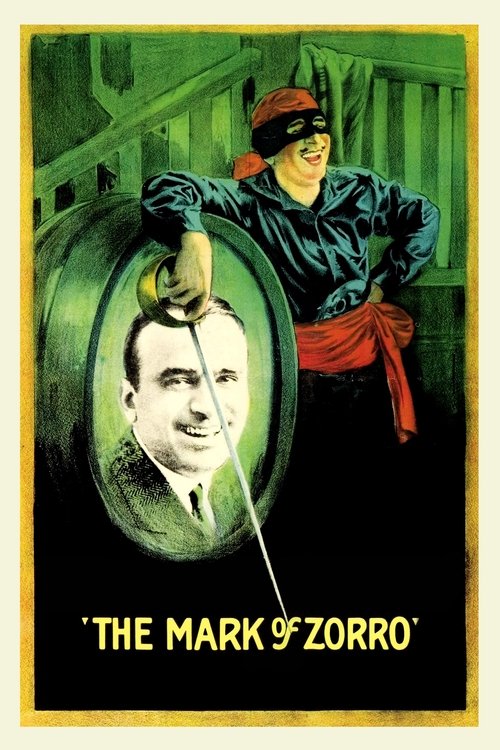
The Mark of Zorro1920
Douglas Fairbanks' swashbuckler shows you what the 1920s could do with action and charm. It's lighter than Four Horsemen but built on the same principle: big star, big emotions, cinema as spectacle.
But It's primarily a romp; there's no war or tragedy to ground it. The tone is completely different, which is the point, but it might feel frivolous if you're after depth.
The Phantom Carriage1921
Swedish director Alf Sjöström makes a ghost story that's visually as ambitious as Four Horsemen and twice as haunting. Proof that silent cinema could do psychological horror with the same resources as historical epic.
But It's slow and metaphysical; the ghost-story premise might read as quaint rather than eerie. Not for anyone who needs constant forward momentum.

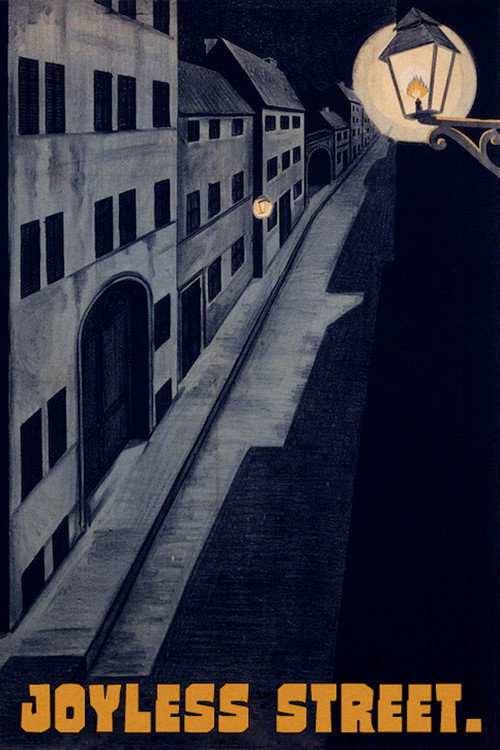
Joyless Street1925
G.W. Pabst's portrait of post-war Vienna captures the moral and economic collapse that lurked beneath Four Horsemen's romance. Greta Garbo at her most magnetic, and far more cynical about war's aftermath.
But It's bleak and slow, shot through with sexual predation and poverty. There's nothing pleasurable about watching it; that's the intention, but it's a slog.
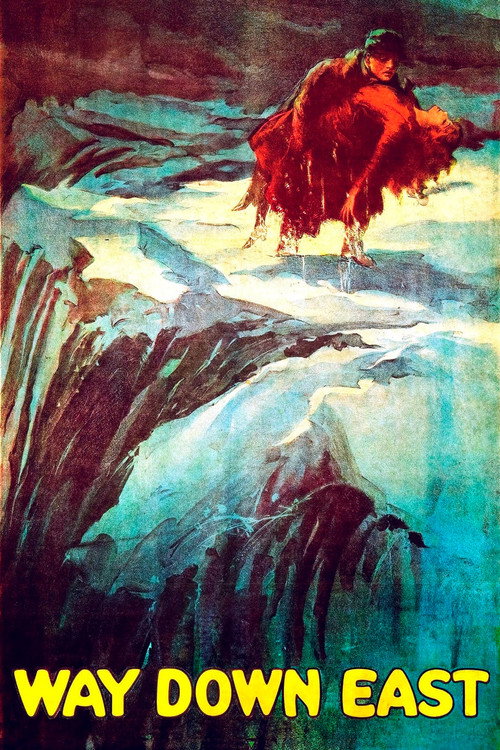
Way Down East1920
D.W. Griffith's melodrama about seduction and rural scandal proves he could break your heart as thoroughly with intimate conflict as with battle sequences. A masterclass in emotional manipulation executed with genuine tenderness.
But The plot is outrageous by modern standards—a woman shamed for an illegitimate child—and the tone is relentlessly earnest. It can read as camp if you're not aligned with its values.
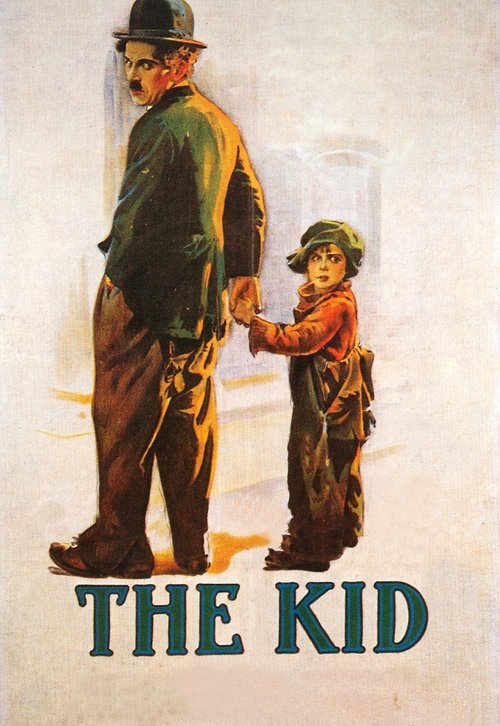
The Kid1921
Chaplin's mixture of slapstick and sentiment shows that 1921 cinema could range from Four Horsemen's grandeur to intimate human story. The technical virtuosity is different but the emotional precision is just as strong.
But It's a comedy, and the jokes are silent-era wordless gags; they don't always land. The sentimentality in the final act veers toward saccharine for some viewers.
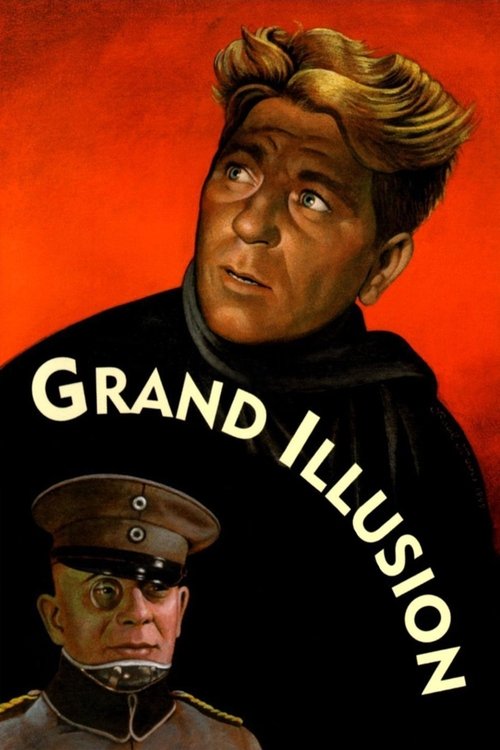
Grand Illusion1937
Both argue that war divides families and nations, but Renoir asks whether those divisions are as real as they seem. He's answering Four Horsemen's romanticism with skepticism.
Jean Renoir made the greatest war film ever by arguing that human connection matters more than national lines. Unlike Four Horsemen, which uses war as backdrop for romance, this makes the war itself the stage where characters discover what they actually believe. Infinitely more mature.
But It's a long French film from the 1930s about POW camps with minimal action sequences. If you came for spectacle and sentiment, you'll get philosophy and restraint instead.
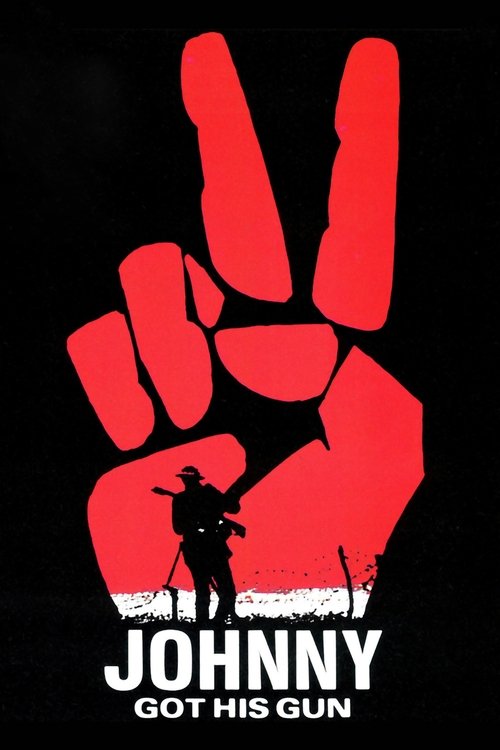
Johnny Got His Gun1971
Both center on WWI but in opposite registers—one finds beauty in war's tragedy, the other finds only annihilation. Together they complete the picture.
Dalton Trumbo's adaptation of his own novel shows what WWI actually did to a body and mind—a soldier completely paralyzed and senseless, trapped in his own consciousness. It's not romance or family saga; it's the cost that Four Horsemen's epic melodrama never has to pay. Visceral and devastating.
But It's genuinely one of the hardest films to watch ever made. Watching someone scream inside a prison of flesh and bandages is not entertainment; it's endurance. Not recommended casually.
People
Cast
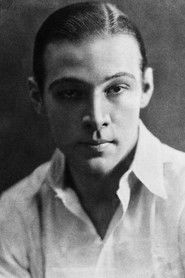 Rudolph ValentinoJulio Desnoyers
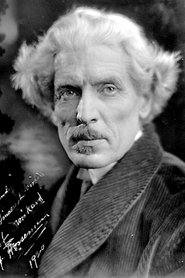 Josef SwickardMarcelo Desnoyers
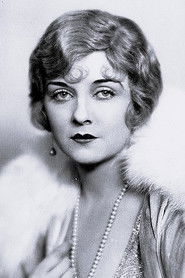 Alice TerryMarguerite Laurier
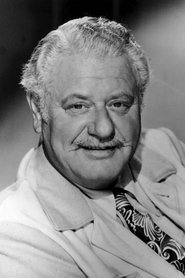 Alan HaleKarl von Hartrott
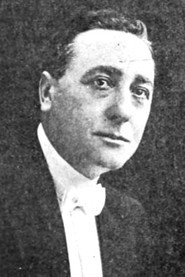 Pomeroy CannonMadariaga
- Bridgetta ClarkDoña Luisa
- Virginia WarwickChichí
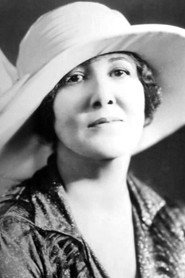 Mabel Van BurenElena
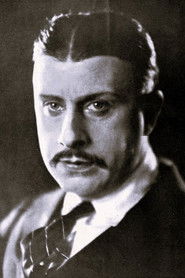 Stuart HolmesOtto von Hartrott
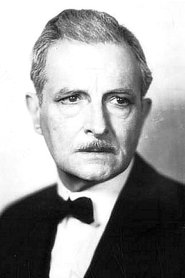 John St. PolisEtienne Laurier
- Mark FentonSenator Lacour
- Derek GhentRené Lacour
Directing
- Rex IngramDirector
Writing
- Vicente Blasco IbáñezNovel
- June MathisScreenplay