
Film
Way Down East
D.W. Griffith's 1920 melodrama is a masterclass in silent film storytelling. Lillian Gish delivers a performance of devastating sincerity as a woman destroyed by a man's cruelty, then rebuilt by a community's unexpected grace. The film moves between intimate drama and spectacular set pieces with perfect control, culminating in one of cinema's most audacious sequences. It's about shame, forgiveness, and the cost of survival.
Should you watch it?
Watch it if you have patience for silent-era acting and love melodrama played with total sincerity, the kind of earnest old-fashioned romance that never winks at its own emotions.
Skip it if you find nearly three hours of silent storytelling, with title cards and exaggerated gestures, a stretch too long and too quaint to hold your attention.
What it asks of you: Its 150 minutes move at a deliberate, unhurried pace, and it wants you to sit with long stretches of emotion rather than skim toward the next beat.
Not sure? Find tonight's pick in a minute.
If you liked this
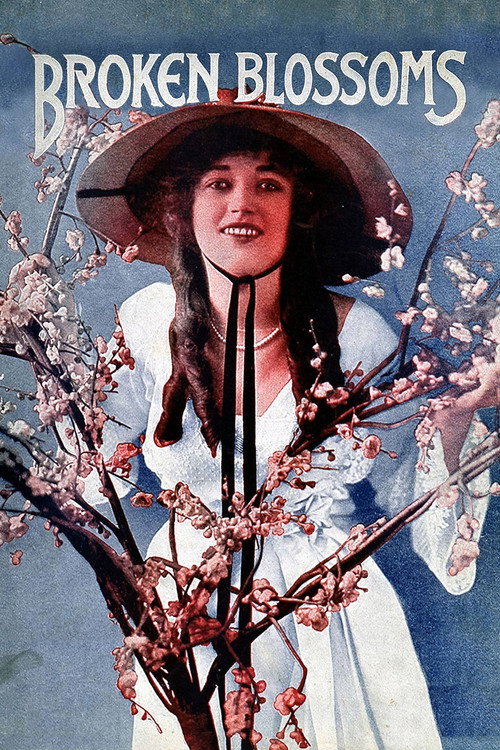
Broken Blossoms or The Yellow Man and the Girl1919
Also Griffith and Gish, but smaller and more intimate. A tender tragedy about a Chinese immigrant's doomed love for an abused white girl. It's the film that proved Gish could break your heart with a glance.
But Extremely slow by modern standards, and the racial dynamics, even for its era, require a patient, critical eye.
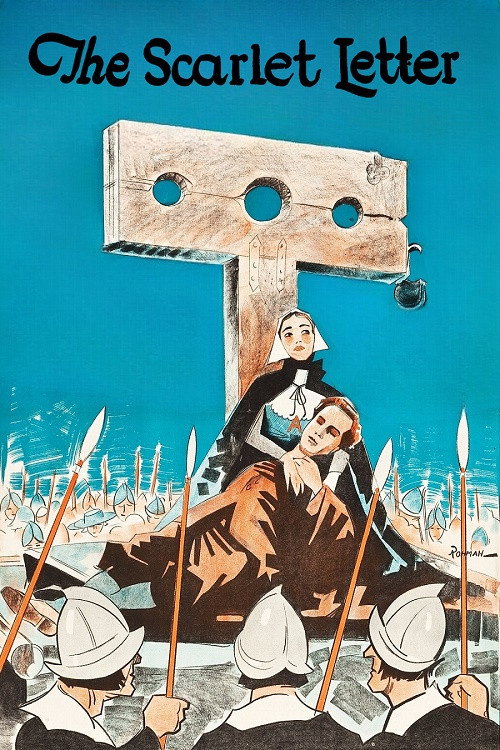
The Scarlet Letter1927
Lillian Gish in the role Hawthorne wrote, carrying the same burden of impossible judgment. A film about how a woman's body becomes a battleground for other people's morality, with startling directness.
But It's Lillian Gish's film entirely, which means if you're not captivated by her face and performance, you're watching someone carry the whole weight alone.
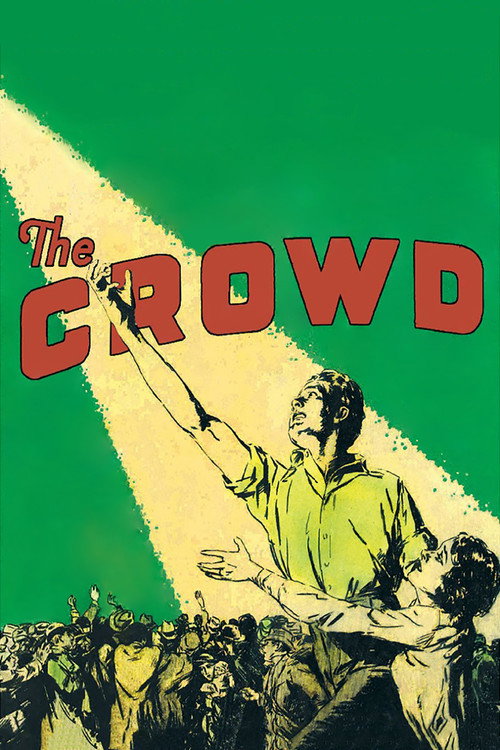
The Crowd1928
King Vidor's miracle: a film about ordinary people that treats ordinariness as genuinely tragic. A couple destroyed not by scandal but by the grinding daily weight of being nobody. It sees them completely.
But There's no villain, no rescue. The film refuses to make suffering beautiful, which some find exhausting rather than moving.
Not sure tonight? Get a pick in a minute, starting from Way Down East
The wildcard
Something you would not have found on your own.
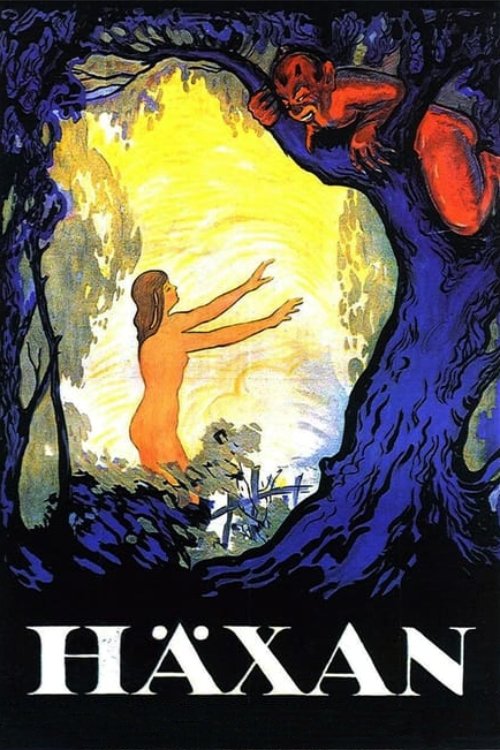
Häxan1922
Both films understand that societies create monsters out of women to solve their own moral confusion. Both are about how shame is weaponized, one literally in torture, one socially in ostracism.
A Swedish documentary-essay-nightmare about witchcraft, superstition, and the persecution of women. It's visually hallucinogenic and philosophically radical. It argues that the witch trials were hysteria dressed as justice—which is exactly Way Down East's argument about sexual shame.
But It's deliberately disorienting and grotesque. There are sequences of genuine body horror. It's more essay than narrative, which requires active engagement.
More like this (8)
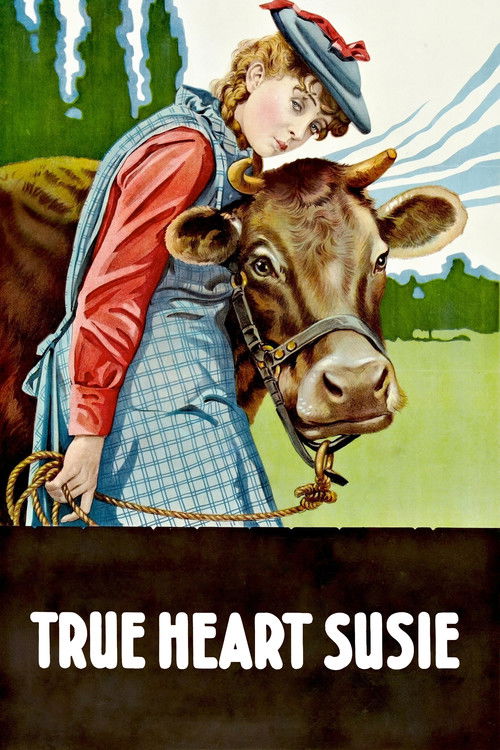
True Heart Susie1919
Another Gish-Griffith pairing, this one about a woman's sacrifice and a man's blindness. It's lighter than Way Down East but carries the same moral clarity about what women endure in silence.
But The ending, while earned, offers comfort rather than complexity. Some viewers find it sentimental in ways Way Down East avoids.
Sunrise: A Song of Two Humans1927
Murnau's masterpiece about a man tempted to murder his wife by another woman. The formal inventiveness is breathtaking, but what matters is how precisely it shows a marriage nearly destroyed and almost rebuilt.
But The style can feel mannered; some sequences prioritize beauty over narrative momentum. It's a film you have to meet halfway.

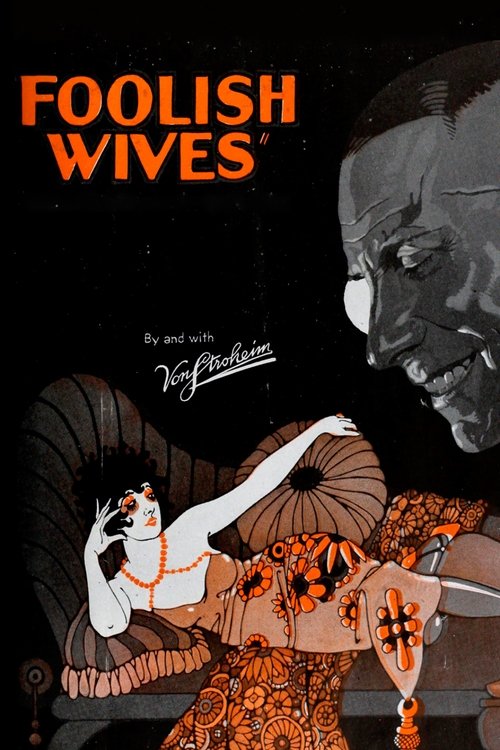
Foolish Wives1922
Stroheim's film about seduction and deception, told from the woman's point of view. A count preys on vulnerable women for money. It's darker and more cynical than Griffith, which somehow makes it more modern.
But It's genuinely nasty in ways that can feel gratuitous. The film doesn't soften its view of manipulation and cruelty.
The Phantom Carriage1921
A Swedish film about guilt and redemption, visually extraordinary and morally serious. A man confronted with the consequences of his cruelty by a ghost. It understands shame the way Way Down East does.
But It's a ghost story, which some find distracting from the emotional work. The supernatural frame can feel like it lets the moral weight drift.

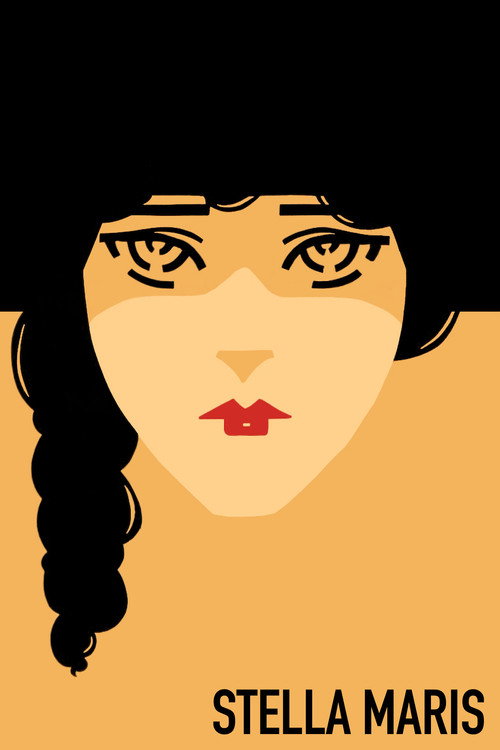
Stella Maris1918
Gish again, but this time playing two roles: a wealthy woman and a servant girl. It's about class and luck and how thin the line between them is. A film about the accident of birth.
But The dual role, while technically impressive, can feel gimmicky. Some sequences prioritize spectacle over the emotional stakes.
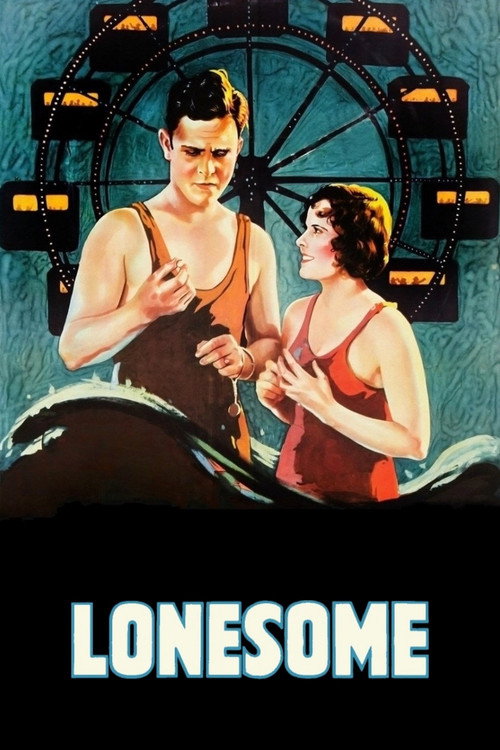
Lonesome1928
A silent film about two lonely people in a city who find each other for one perfect day. It's gentle and genuinely romantic, and it understands solitude as deeply as Way Down East understands shame.
But The restoration can be uneven; you may encounter different versions with different music. The tone is quiet, which some find slow rather than meditative.
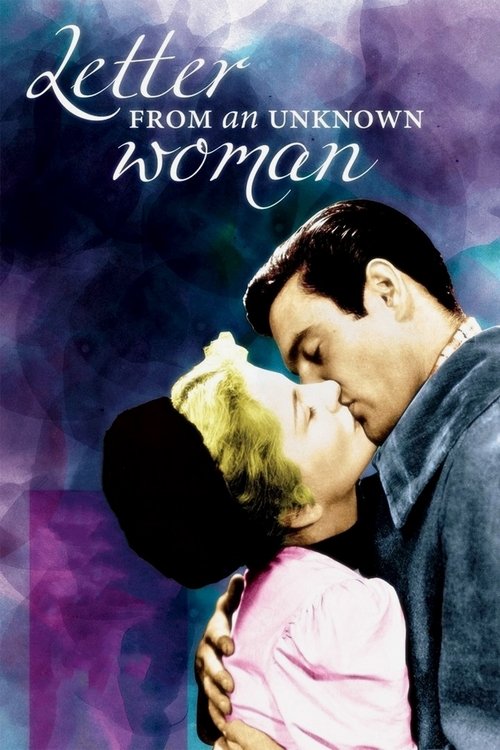
Letter from an Unknown Woman1948
Both films are love stories written from the woman's devastation. Both understand that the man's story and the woman's story are not the same story told twice—they're completely different stories that happen to share a plot.
Ophüls' ravishing tragedy about a woman's devotion to a man who never knew her name. It's way down east in emotional landscape—a woman destroyed by a man's carelessness—but told as a ghost story, in flashback, with a voice from the grave.
But It's in black and white, and the emotional register is almost operatic. The camera never stops moving. Some find it beautiful, others find it exhausting.
Jeanne Dielman, 23, quai du Commerce, 1080 Bruxelles1976
Both films are about women's daily lives and the world's judgment of them. Way Down East dramatizes shame; Jeanne Dielman documents the exhaustion beneath it. One is melodrama, one is its opposite—but both see women's lives as worthy of serious, sustained attention.
Three hours of a widow's routine: cooking, cleaning, sex work, motherhood. It's avant-garde and hypnotic. By the end, a small gesture of disorder feels like revolution. It's about women's invisible labor and what happens when routine cracks.
But It is genuinely, deliberately, completely boring for two and a half hours. If you're looking for plot or conventional drama, this will feel punishing. It rewards patience with revelation, not entertainment.

People
Cast
 Lillian GishAnna Moore
 Richard BarthelmessDavid Bartlett
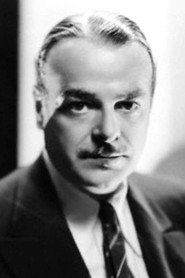 Lowell ShermanLennox Sanderson
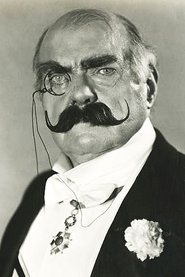 Burr McIntoshSquire Bartlett
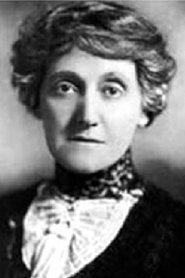 Kate BruceMother Bartlett
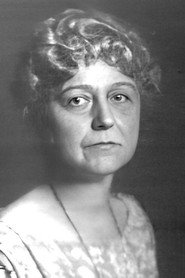 Mrs. David LandauAnna Moore's Mother
- Josephine BernardMrs. Emma Tremont
- Mrs. Morgan BelmontDiana Tremont
- Patricia FruenDiana's Sister
- Florence ShortThe Eccentric Aunt
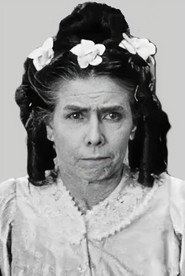 Vivia OgdenMartha Perkins
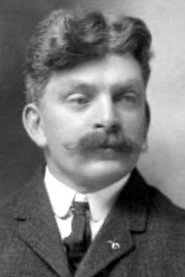 Porter StrongSeth Holcomb
Directing
- Frank WalshAssistant Director
- Herbert SutchAssistant Director
- D.W. GriffithDirector
Writing
- Joseph R. GrismerTheatre Play
- Lottie Blair ParkerTheatre Play
- Anthony Paul KellyWriter
- D.W. GriffithWriter
Production
- D.W. GriffithProducer
Recommended by
Sansho the Bailiff, Splendor in the Grass, The Wonderful Story, Stella Maris, The Enemy, Show Boat, The Last of the Mohicans, The Mothering Heart, The Wishing Ring: An Idyll of Old England, Wildfire, The Four Horsemen of the Apocalypse, A Girl's Folly