
Film
Show Boat
Other titles called Show Boat: the 1936 film, the 1951 film.
A sweeping adaptation of Edna Ferber's novel about life aboard a Mississippi showboat, spanning decades of ambition, heartbreak, and survival. This 1929 film is stately and emotionally direct, unfolding like a great novel in images. It's for anyone who loves old Hollywood grandeur and stories about people remade by circumstance.
Should you watch it?
Watch it if you love sprawling, old-fashioned melodrama told with the patience of a period novel and don't mind a long wait for the big emotional swells.
Skip it if you want brisk pacing, since this stately picture spends its 146 minutes at the speed of the river and can feel stagey to modern eyes.
What it asks of you: Settle in for nearly two and a half hours of leisurely, sentimental storytelling that lingers on scenery, gentle moods and slow emotional build-up rather than quick cuts.
Not sure? Find tonight's pick in a minute.
If you liked this
Singin' in the Rain1952
A joyous musical that captures the magic and chaos of early sound cinema with pure craft and joy. If you loved Show Boat's spectacle, this proves the form only improved.
But It's relentlessly cheerful, and its gender dynamics will feel dated. Some find the famous dancing number goes on forever.

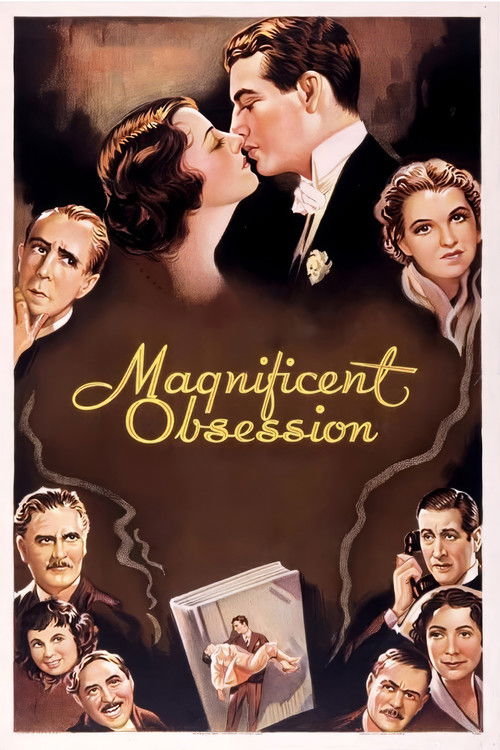
Magnificent Obsession1935
Douglas Sirk remade this twice because the melodrama is so potent: wealth, guilt, love, and redemption tangled across years. Epic emotional stakes in a smaller frame than Show Boat.
But The plot requires accepting a lot of contrivance. The pacing can feel glacial by modern standards.
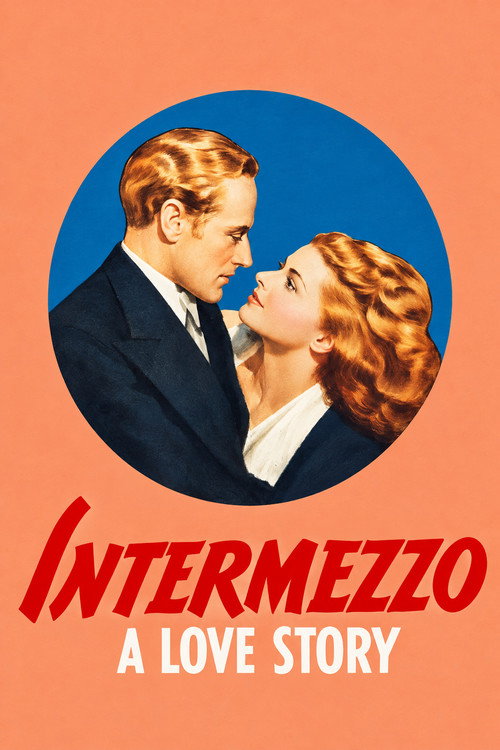
Intermezzo: A Love Story1939
Ingrid Bergman's Hollywood debut is a tender, aching story of passionate love colliding with duty and consequence. Beautifully composed and genuinely moving without being sentimental.
But The romantic fantasy it sells—a woman waiting for a married man—hasn't aged well, and the film doesn't interrogate it.
Not sure tonight? Get a pick in a minute, starting from Show Boat
The wildcard
Something you would not have found on your own.
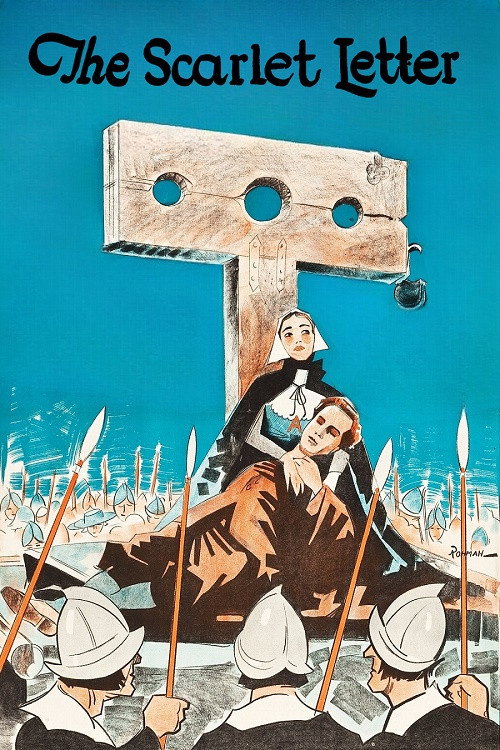
The Scarlet Letter1927
Both films are faithful, even reverent, adaptations of celebrated American literature made in the same era, trusting narrative and character over spectacle.
Lillian Gish in Hawthorne's New England tragedy, shot with extraordinary visual poetry. A literary adaptation that actually trusts its source material, like Show Boat does.
But It's heavily stylized in the German Expressionist mode, which can feel abstract rather than moving. The print quality varies wildly.
More like this (8)
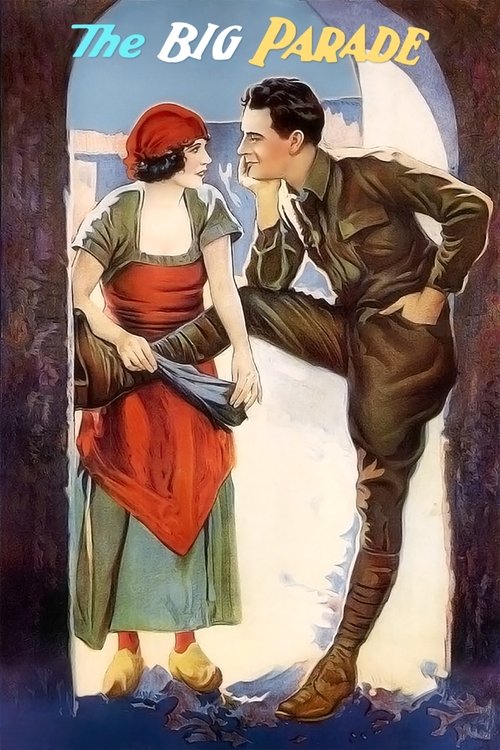
The Big Parade1925
King Vidor's epic about World War I and its aftermath has the same sprawling emotional reach as Show Boat, with sequences of staggering power and intimacy.
But It's almost three hours of silent film, which demands patience. The war sequences can be genuinely harrowing.
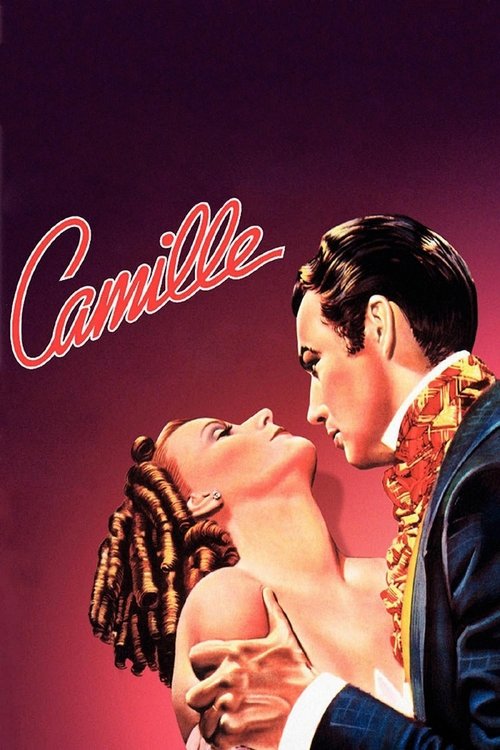
Camille1936
Greta Garbo's tragic love story has the same doomed elegance. Robert Taylor and Garbo create something genuinely transcendent from Dumas's old material.
But It's unabashedly romantic in ways that can feel overwrought. The ending is devastating in a manner some find manipulative.
Sunrise: A Song of Two Humans1927
F.W. Murnau's masterpiece about temptation and marital devotion uses the full visual vocabulary of silent cinema. A miracle of filmmaking.
But Its German Expressionist style can feel claustrophobic. Some of the gender politics are uncomfortable.

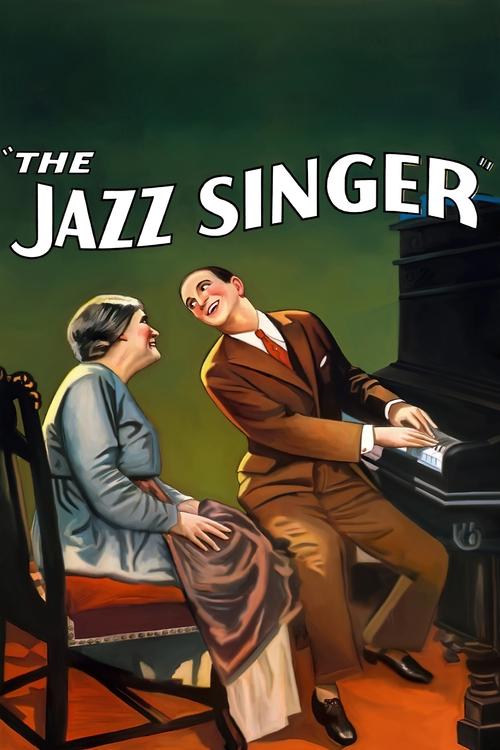
The Jazz Singer1927
The first feature film with synchronized sound, it captured a nation's attention. A fascinating document of cinema's moment of transformation.
But The novelty overshadows the story. It contains blackface sequences that are painful to watch, whatever their historical context.
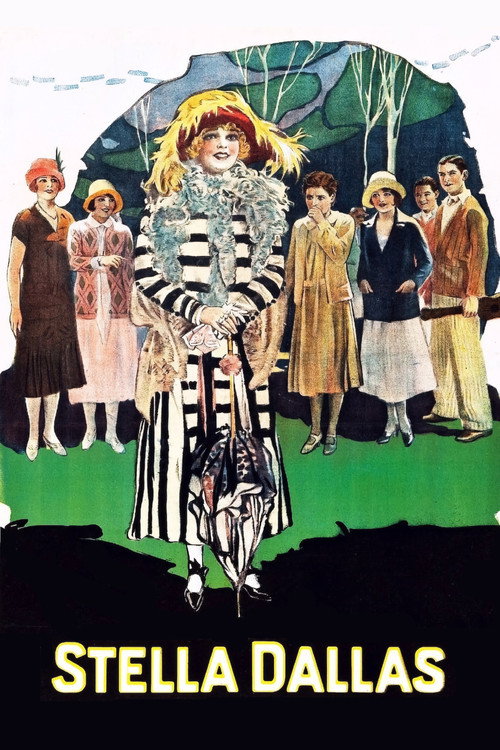
Stella Dallas1925
A brutally honest melodrama about a working-class mother and her daughter. The emotional climax is one of cinema's great quiet heartbreaks.
But It's slow, and the class judgments embedded in the story are unexamined. The pathos can feel heavy-handed.
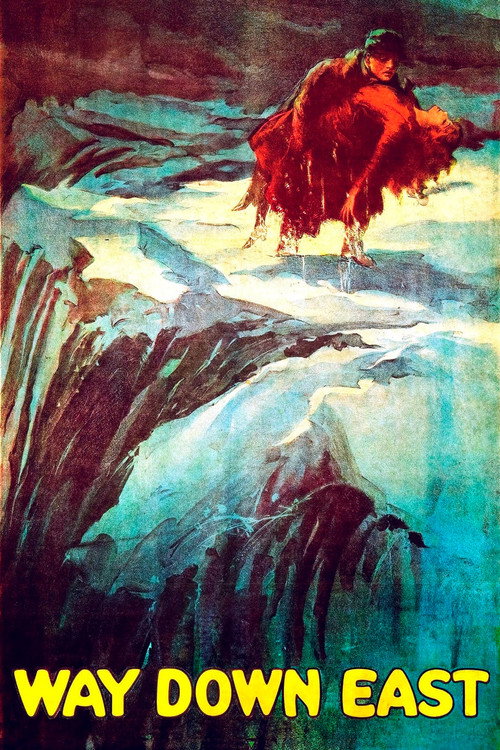
Way Down East1920
D.W. Griffith's late masterpiece is a stunning visual achievement with genuine emotion beneath the Victorian melodrama. The climax is unforgettable.
But Griffith's casual racism appears throughout. The story itself relies on now-offensive ideas about women and morality.
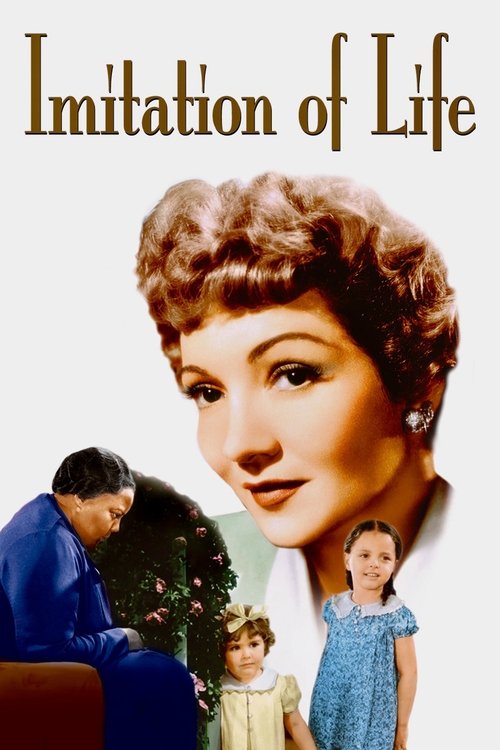
Imitation of Life1934
Like Show Boat, it stages American race relations through romantic drama with leading roles built for white actors, exposing the era's blindness through its own storytelling.
John Stahl's soap opera about race, identity, and motherhood unfolds with operatic intensity. Claudette Colbert and Warren William create something moving from absurd material.
But The racial politics are condescending by any standard, even 1934's. The plot mechanics are melodramatic in ways that undercut the emotional stakes.
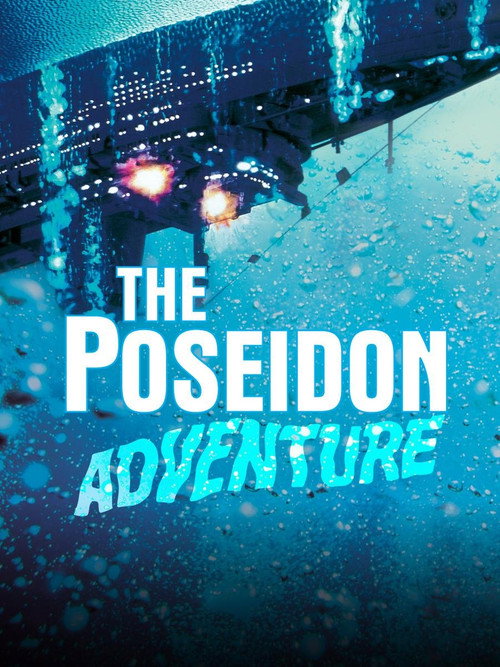
The Poseidon Adventure1972
Both follow characters across years and reversals of fortune, showing how fate and chance remake us. The showboat and the disaster ship are both worlds unto themselves.
An ensemble disaster film where ordinary people are tested by catastrophe and circumstance. It captures that same quality of lives remade by force—survival as character.
But It's completely earnest in ways that now read as unintentionally funny. The special effects show their age, and it's luridly violent.
People
Cast
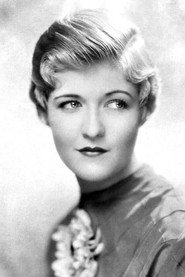 Laura La PlanteMagnolia
 Joseph SchildkrautGaylord Ravenal
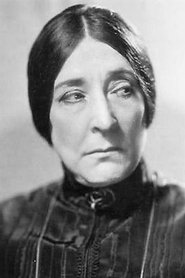 Emily FitzroyParthenia Ann Hawks
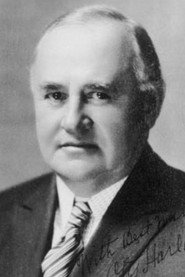 Otis HarlanCapt. Andy Hawks
 Alma RubensJulie Dozier
 Jack McDonaldWindy
- Jane La VerneMagnolia as Child / Kim
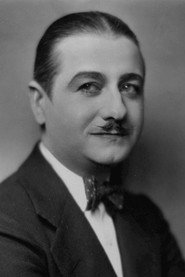 Neely EdwardsSchultzy
- Elise BartlettElly
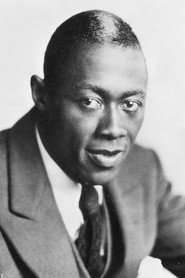
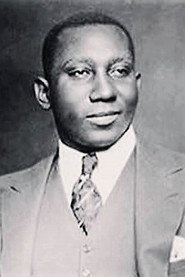 Jules BledsoeJoe [prologue]
- Tess GardellaQueenie [prologue]
Directing
- Robert RossAssistant Director
- Harry A. PollardDirector
Writing
- Oscar Hammerstein IILyricist
- Edward J. MontaigneStory Supervisor
- Edna FerberWriter
Recommended by
The Desert Song, The Singing Fool, Rio Rita, Spanish Eyes, Sunny