
Film
Sunny
- Romantic comedy
- Light-hearted
A 1930 musical comedy where a showgirl chases a society boy and must convince his disapproving family she belongs in their world. Marilyn Miller carries the film with charm and energy, backed by period songs and light romantic complications. It's earnest, occasionally funny, and very much a product of early sound cinema—a breezy hour of escapism that asks almost nothing of you.
If you liked this
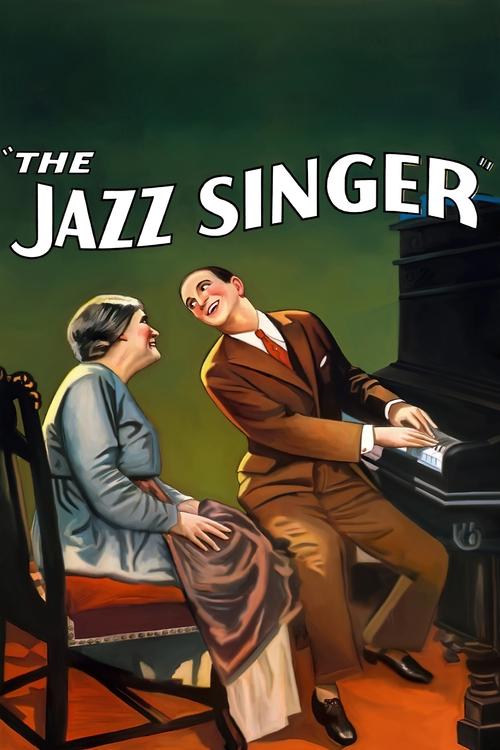
The Jazz Singer1927
The film that proved talking pictures worked, starring Al Jolson in a story about a performer torn between two worlds. Foundational energy and a genuine emotional core beneath the spectacle.
But The blackface scenes are historically significant and historically appalling. You'll spend time uncomfortable, as you should be.
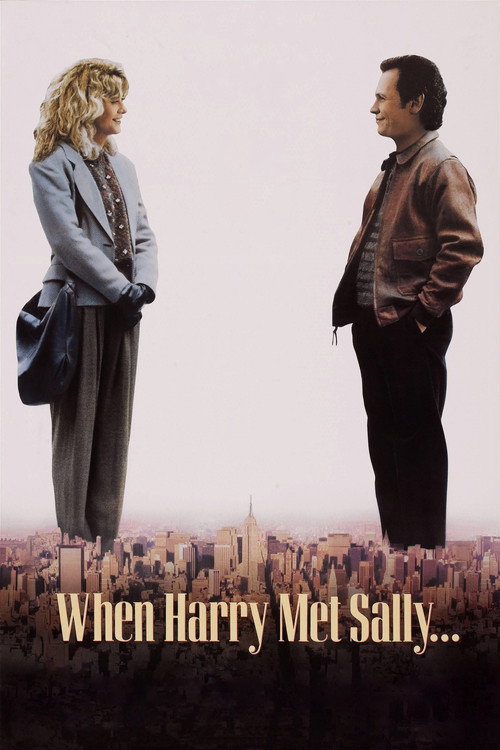
When Harry Met Sally...1989
Another Marilyn Miller vehicle, equally frivolous and charming, with stronger dancing and a similar class-clash romance. If you liked her in Sunny, this is the obvious next step.
But Silent-era pacing will test your patience. The plot barely exists and nothing happens quickly.
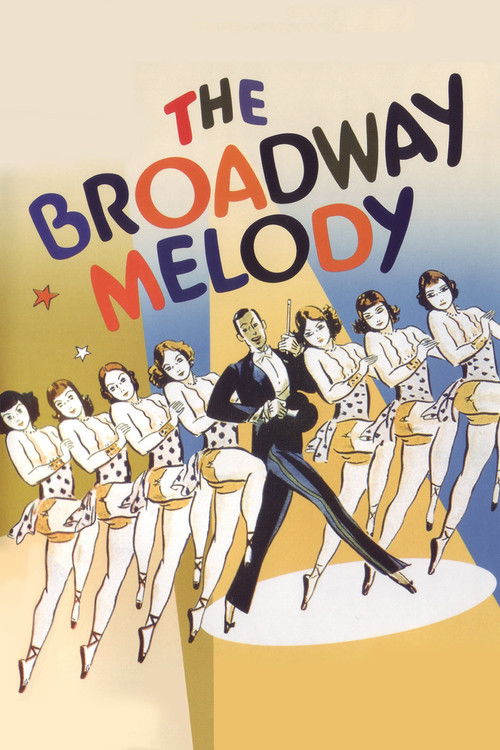
The Broadway Melody1929
The first sound film to win the Best Picture Oscar. Two sisters competing for love and success on stage, with elaborate production numbers and genuine backstage drama sewn between them.
But Thinly plotted and the romantic entanglements feel arbitrary. The dialogue hasn't quite found its footing in sound film yet.
Not sure tonight? Get a pick in a minute, starting from Sunny
The wildcard
Something you would not have found on your own.
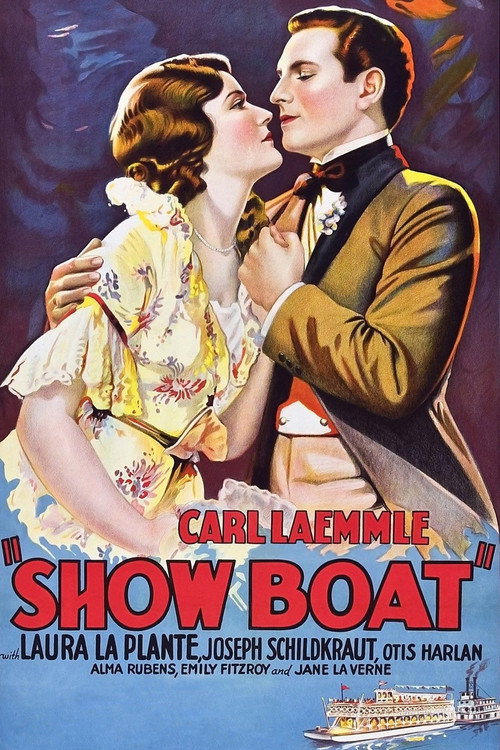
Show Boat1929
Both are early sound musicals built on the fantasy that a performer can marry up and be accepted by society. Show Boat asks what happens when that fantasy meets real consequences.
An operetta about performers on a Mississippi riverboat, with class and race complications woven into the romance. Genuinely ambitious in scope and theme—the stage version was a watershed moment in musical theatre.
But It's a film of a stage musical, not a film made for film. The pacing and theatrical artifice will feel antiquated. The racial attitudes are period-authentic and still difficult.
More like this (8)
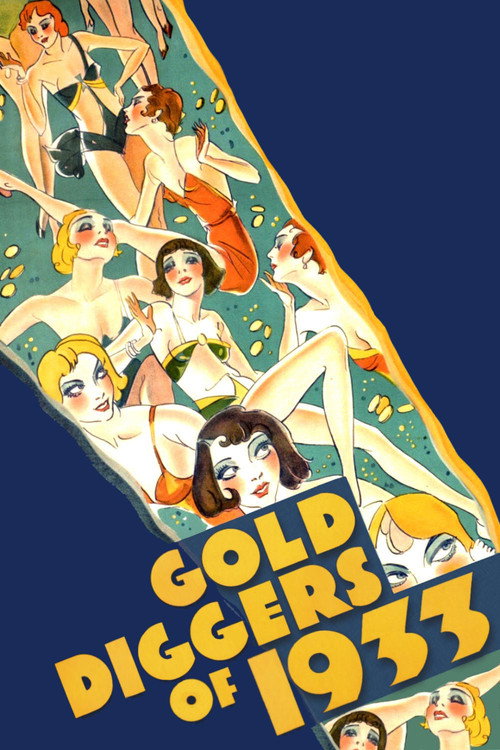
Gold Diggers of 19331933
A showgirl-and-society romance done far better, with razor-sharp wit, Depression-era social commentary buried under the glitter, and Berkeley's genius in the choreography.
But The humour is quicker and darker than Sunny. If you prefer gentleness, you'll find this harder-edged.
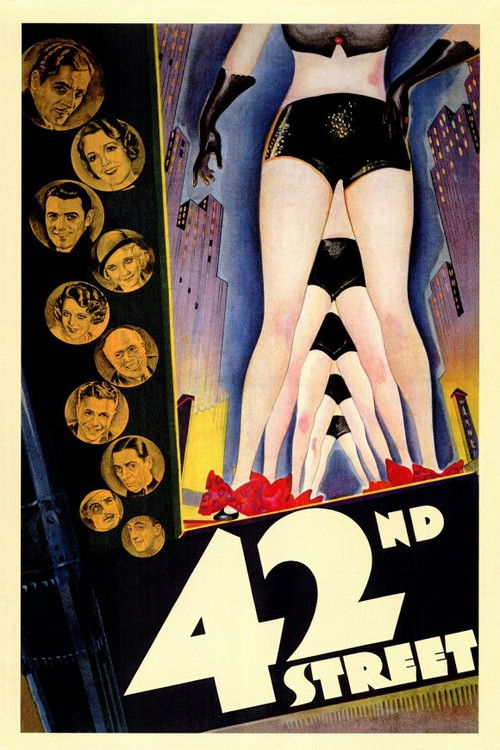
42nd Street1933
The template for backstage musicals: a showgirl gets her break, a society man falls for her, everything goes sideways before the final number. Tighter, funnier, and genuinely moving.
But It's more cynical than Sunny. The romance feels secondary to ambition and survival.
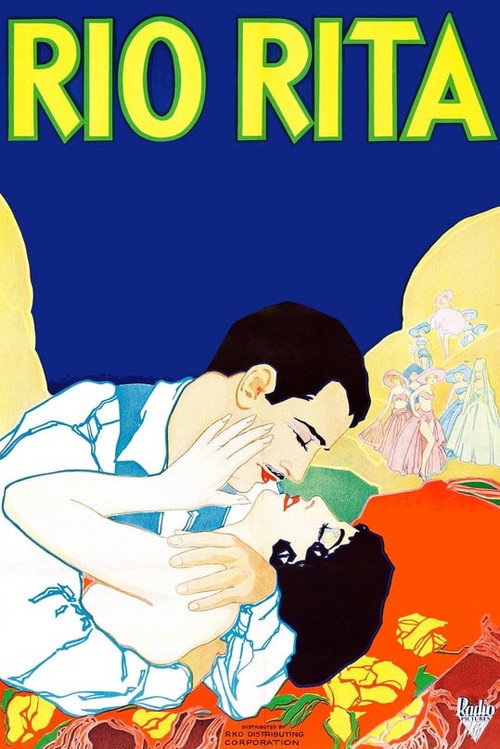
Rio Rita1929
An early operetta-musical about a wealthy man falling for a performer across the Rio Grande, with elaborate sets and a genuine attempt at continental sophistication.
But The ethnic stereotyping is heavy. The plot is gossamer-thin even by 1929 standards.
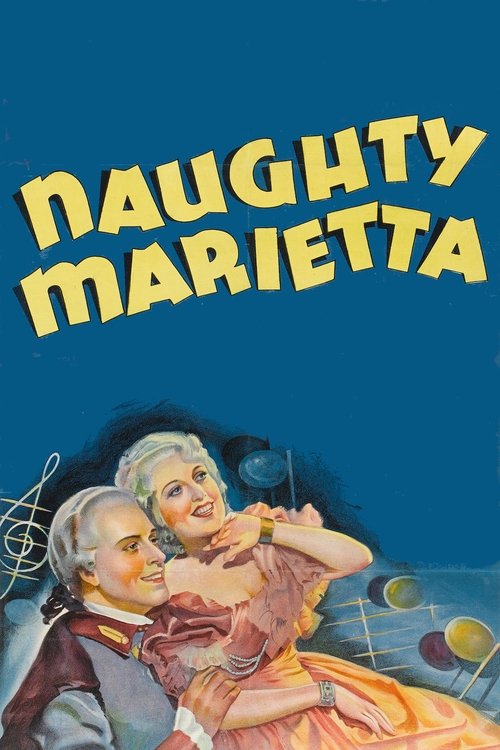
Naughty Marietta1935
Jeanette MacDonald as a French countess-in-hiding falling for a sea captain. Operatic vocals, earnest romance, and production values that dwarf Sunny's budget.
But The singing, while technically impressive, goes on at length. Plot takes a backseat to music in ways that will test your patience.
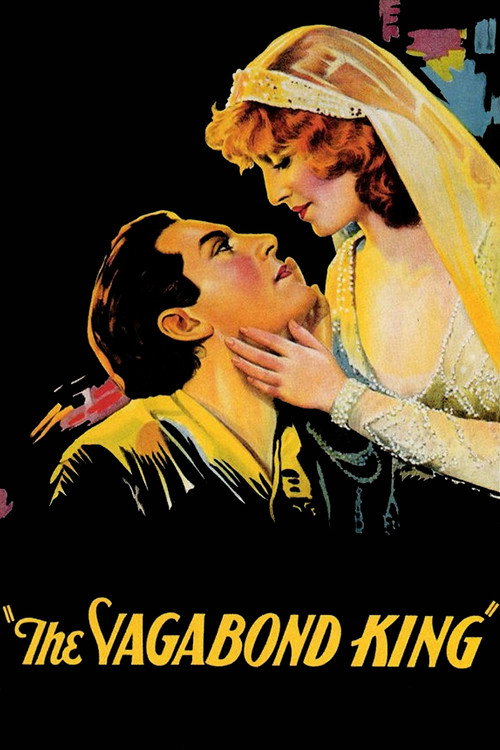
The Vagabond King1930
Dennis King in a swashbuckling operetta where a commoner and a noblewoman fall across class lines. Lavish, romantic, and genuinely fun in its excesses.
But The operatic style is demanding. If you're not in the mood for sustained singing, it will feel endless.
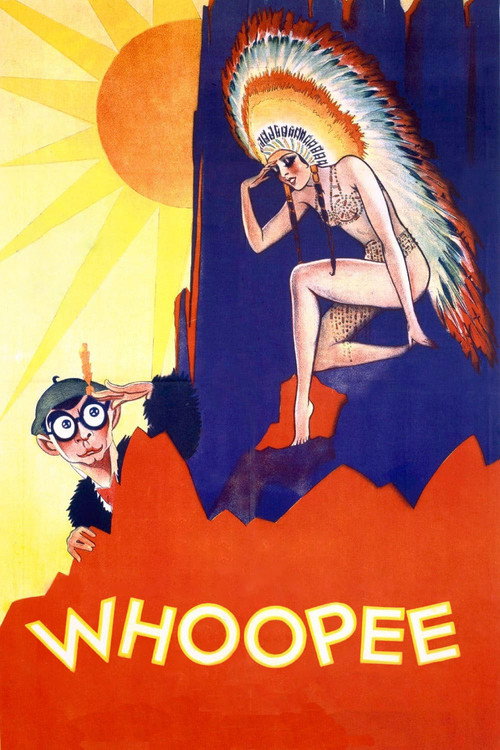
Whoopee!1930
Eddie Cantor in a Technicolor musical farce about a hypochondriac evading marriage. Absurdist comedy, wild dancing, and a genuine disregard for plot coherence that's oddly liberating.
But The humour is broad and sometimes mean-spirited. The ethnic humour has not aged. The whole thing is chaos, which some find exhausting.
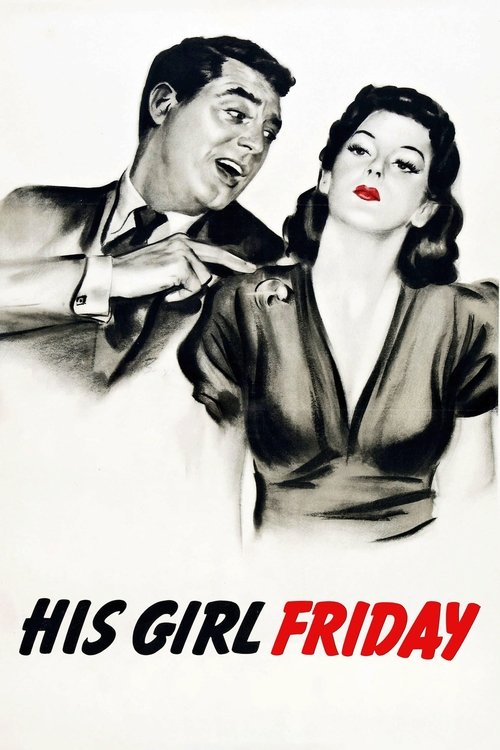
His Girl Friday1940
Both feature a woman from a 'lower' background winning social acceptance, but His Girl Friday asks whether she should have to—or whether the real power is in refusing to care what society thinks.
A screwball comedy where a woman in a 'male' profession (newspaper reporter) outwits everyone around her with speed and brains. Fast, funny, genuinely modern in its attitudes, and utterly of its era in the best way.
But No singing. No romantic softness. If you want Sunny's gentleness, this will feel aggressive and you'll struggle to follow the rapid-fire dialogue.
The Red Shoes1948
Both are films about performers and romance, but where Sunny asks if a showgirl can marry rich and live happily, The Red Shoes asks what it costs to pursue art and love at the same time—and whether the fairy tale is even desirable.
A ballet dancer caught between love and artistic ambition, gorgeously shot in Technicolor by two visionary directors. A masterpiece about the cost of passion and the impossible choices artists face.
But It is serious, baroque, and ends in genuine tragedy. If you want escapism, this will feel heavy. The climax is wrenching.

People
Cast
 Marilyn MillerSunny Peters
 Lawrence GrayTom Warren
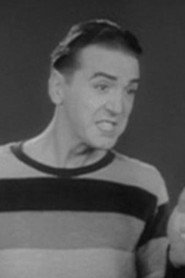 Joe DonahueJim Denning
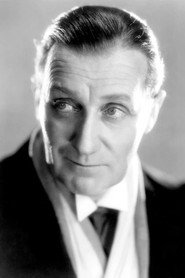 O. P. HeggiePeters
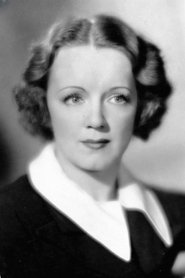 Inez Courtney'Weenie'
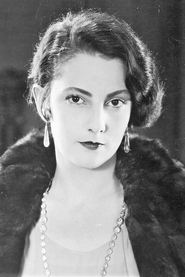 Barbara BedfordMargaret Manners
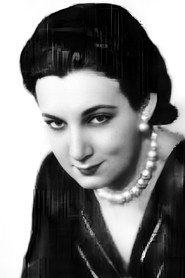
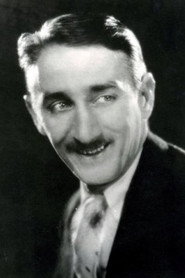 Clyde CookSam
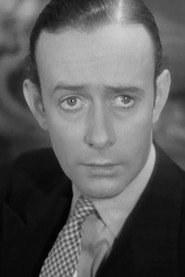 Mackenzie WardWendell-Wendell
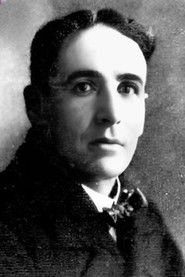 Harry AllenSide Show Barker
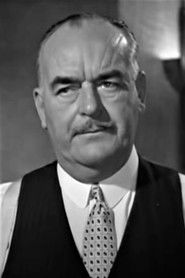 William B. DavidsonFirst Ship's Officer
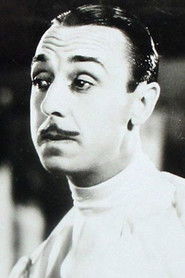 Jay EatonMan 'Weenie' Flirts with at Ball
Directing
- William A. SeiterDirector
Writing
- Oscar Hammerstein IILyricist
- Otto A. HarbachLyricist
- Oscar Hammerstein IIMusical
- Otto A. HarbachMusical
- Henry McCartyScreenplay
- Humphrey PearsonScreenplay