
Film
Naughty Marietta
- Romance
- Light-hearted
A 1935 operetta where a French princess flees an unwanted marriage to New Orleans, discovering love and herself in the colonial wilderness. It's lavish, romantic, and built on the chemistry between two voices—Jeanette MacDonald and Nelson Eddy—who became Hollywood's most famous musical duo. For anyone who loves the artifice and grandeur of Golden Age musicals.
Should you watch it?
Watch it if you love old-fashioned operetta, where the swoon comes through soaring duets and a playful swagger rather than any modern cynicism, and you enjoy the sweetness of Jeanette MacDonald and Nelson Eddy trading sung lines.
Skip it if you find sung-through musical numbers tiresome, or the stagy 1930s pacing and creaky studio sets make you restless; the romance also plays out in a gentle, unhurried way.
What it asks of you: Around 103 minutes, it moves at a leisurely clip, pausing often for songs, and asks you to accept its light, theatrical tone and to sit back and let the singing carry the scenes.
Not sure? Find tonight's pick in a minute.
If you liked this
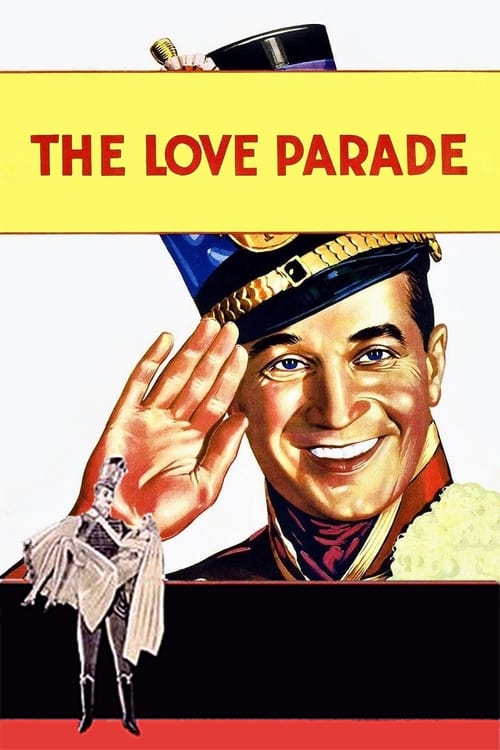
The Love Parade1929
Ernst Lubitsch's earlier operetta with Maurice Chevalier and Jeanette MacDonald. More witty and faster-paced than Naughty Marietta, with the director's signature sophisticated touch and visual comedy layered beneath the romance.
But The comedy is subtle—almost all in glances and staging—so it plays slowly for modern eyes. Some may find it arch rather than charming.
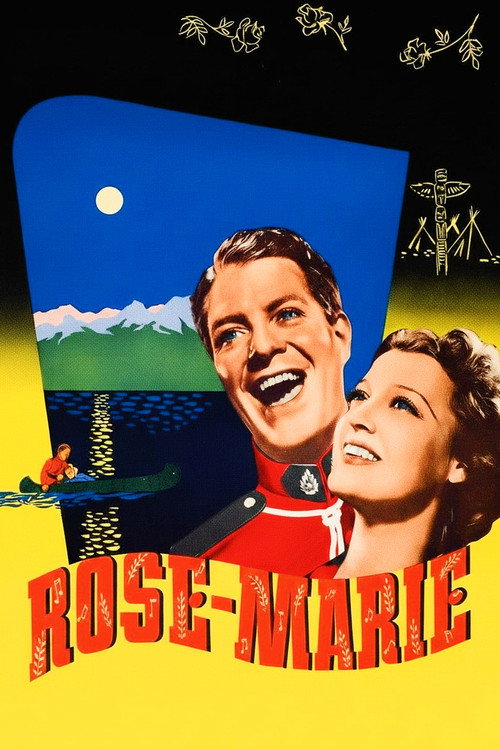
Rose Marie1936
MacDonald and Eddy reunited a year later in the Canadian Rockies. Grander sets, stronger songs, and their pairing had found its groove. This is them operating at peak chemistry.
But The plot is thinner and more contrived. You're really there for the voices and the spectacle, not the story.
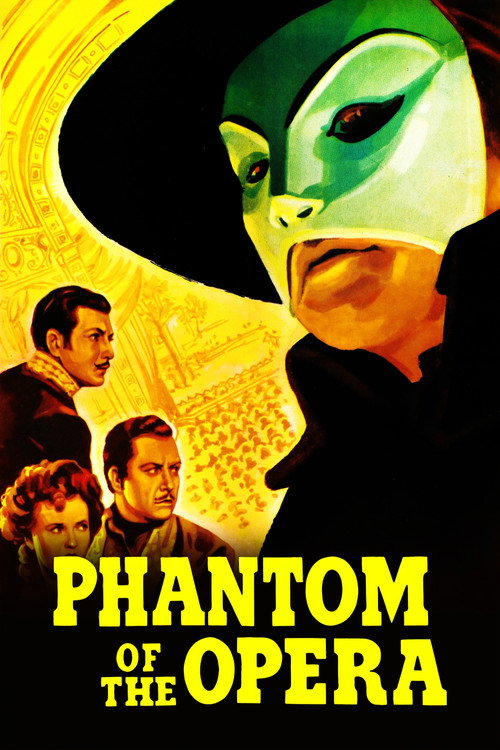
Phantom of the Opera1943
Claude Rains and Susanna Foster in a technicolor remake that leans hard into operatic beauty. If you love the musical grandeur of Marietta, this delivers it with gothic atmosphere and genuine vocal talent.
But The Gothic tone is heavier and stranger. Some find it creaky; the plot logic occasionally snaps.
Not sure tonight? Get a pick in a minute, starting from Naughty Marietta
The wildcard
Something you would not have found on your own.
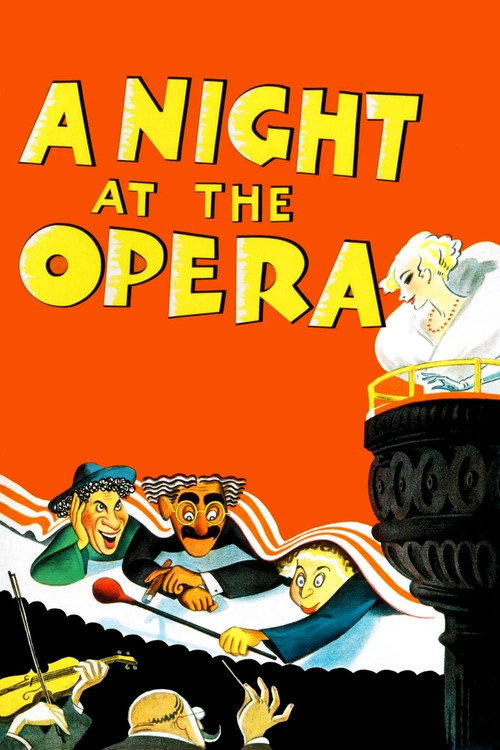
A Night at the Opera1935
Both films crown the same operatic world—one reveres it, one demolishes it. Together they're the full conversation about what 1930s musical cinema could do.
Released the same year as Naughty Marietta, the Marx Brothers turned the entire operetta form into controlled chaos. If you love the musicality and grandeur but want to see it demolished by comedians, this is the answer.
But It's anarchic and sometimes painful; jokes land unevenly. The opera sequences are real but the film treats them as joke fodder.
More like this (8)
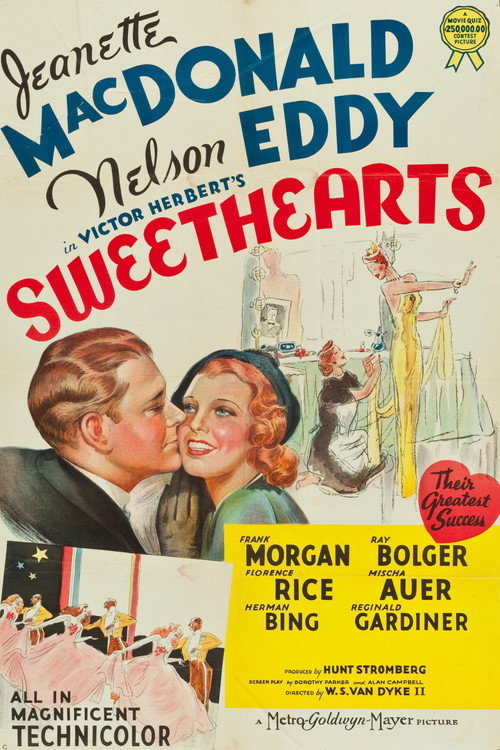
Sweethearts1938
MacDonald and Eddy again, but this time as stage performers. More playful, shorter, and if you're enjoying their dynamic, this shows the lighter side of their partnership.
But It's slight. Even by 1938 operetta standards, it feels like it's coasting on charm alone.
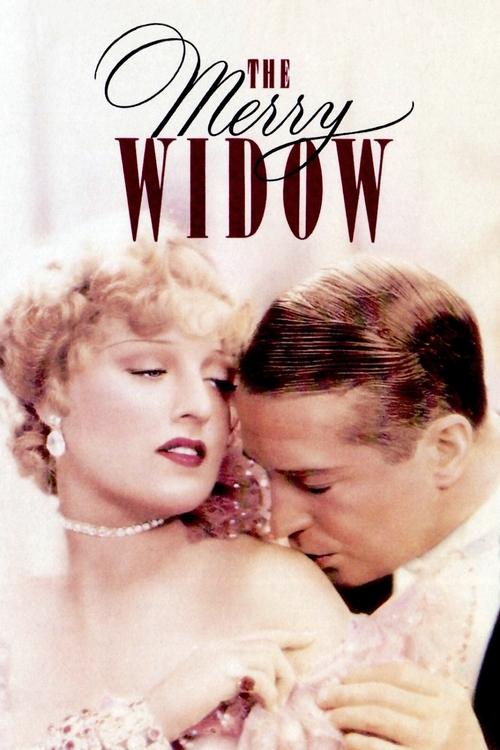
The Merry Widow1934
Ernst Lubitsch directing Maurice Chevalier and Claudette Colbert. The gold standard for 1930s operetta—witty, beautifully made, with a script that actually says something about class and desire.
But Chevalier's charm is acquired taste, and Colbert is no singer. It's more comedy than music, which some find dilutes the operetta experience.
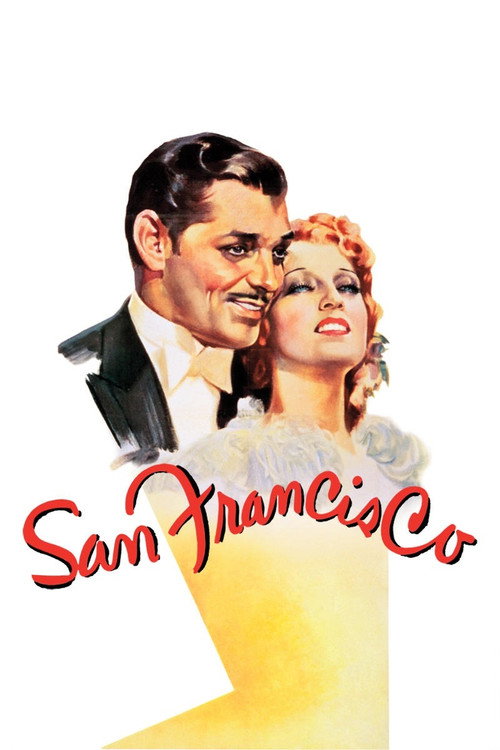
San Francisco1936
Jeanette MacDonald in a different register: a proper drama with the 1906 earthquake as climax, anchored by her voice and her presence. Shows she could do more than operetta.
But The tone lurches between romantic comedy and disaster film. It doesn't quite cohere, and the quake sequence feels grafted on.
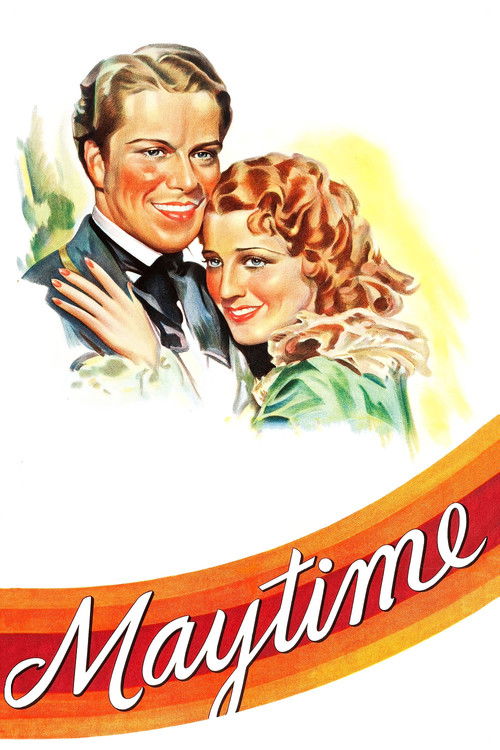
Maytime1937
MacDonald and Eddy's most ambitious film. Spanning decades, layered with sacrifice and melancholy beneath the romance. The final scenes are genuinely moving.
But The first half is slow and the plot mechanics are creaky. You have to meet it halfway.
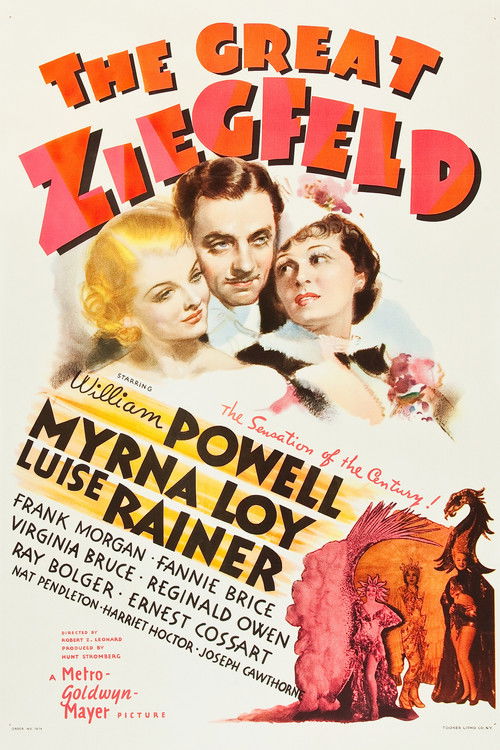
The Great Ziegfeld1936
A sprawling backstage musical about the impresario who made spectacle into art. Features multiple operatic moments and that same lavish 1930s confidence in scale and beauty.
But It's three hours and episodic. The narrative keeps stopping for production numbers, which some find exhausting.
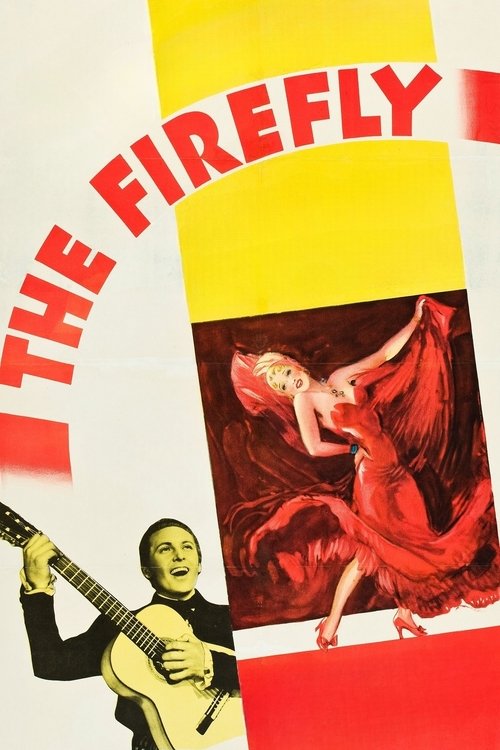
The Firefly1937
Jeanette MacDonald in a Spanish adventure during the Peninsular Wars, with Rudolf Friml's score. If you want Marietta's romance and spectacle with darker historical stakes, this is it.
But The story is forgettable and the accents are all over the map. It relies entirely on MacDonald's presence and the songs.
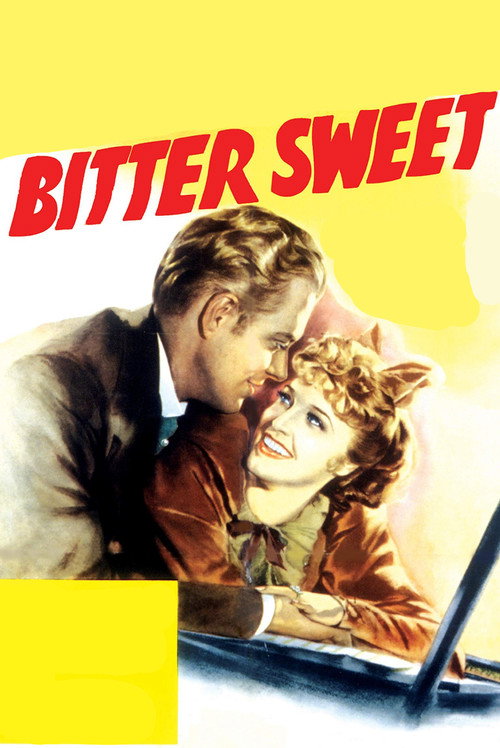
Bitter Sweet1940
Both are operettas built on chemistry and star-power, but Bitter Sweet asks what happens after the happy ending, what love costs in real time.
A British Technicolor operetta by Noël Coward about a couple's love across decades, ending in wartime Vienna. It has the romance and songs of Marietta but a tragic, grown-up heart beneath the spectacle.
But It's melancholic and European in sensibility—not the American escapism of Marietta. Some find it rather heavy for a musical.
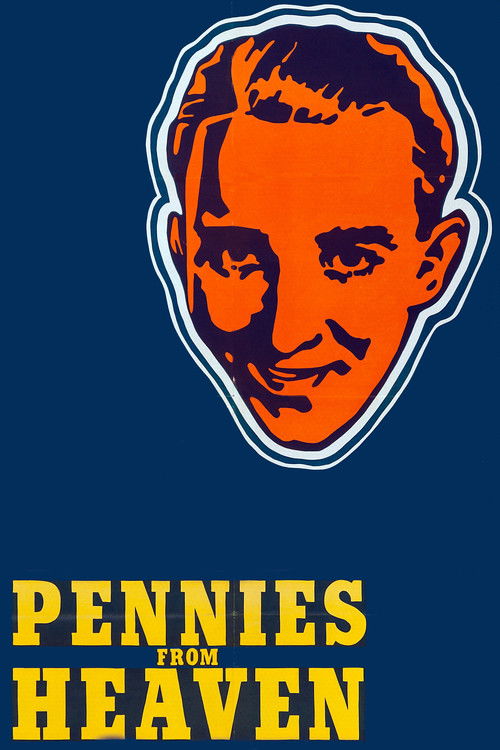
Pennies from Heaven1936
Both use music and spectacle to solve real problems in the characters' lives, but Pennies does it through the uncanny and the surreal rather than operatic grandeur—a different solution to the same musical faith.
Bing Crosby in a Depression-era musical that started as a song. It's slight and odd and deeply strange—a ghost story masquerading as a musical romance. The tonal shifts alone are fascinating.
But It's genuinely peculiar and the plot doesn't quite make sense. Some will find it a mess; others will find it endearing.
People
Cast
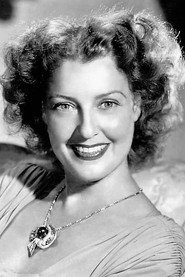 Jeanette MacDonaldMarietta
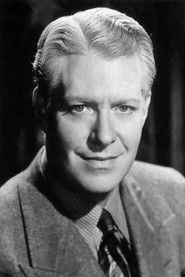 Nelson EddyCaptain Richard Warrington
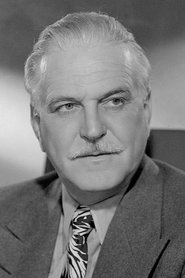 Frank MorganGov. Gaspar d'Annard
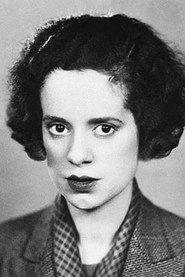 Elsa LanchesterMadame d'Annard
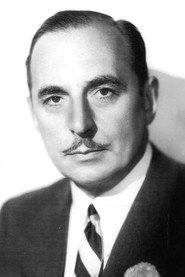 Douglass DumbrillePrince de Namours de la Bonfain, Marietta's Uncle
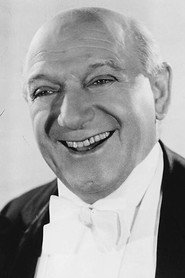 Joseph CawthornHerr 'Schumie' Schuman
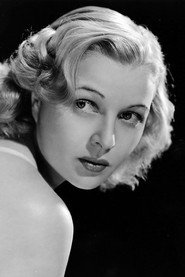 Cecilia ParkerJulie
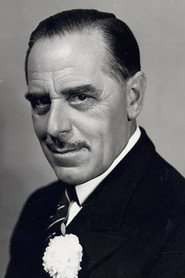 Walter KingsfordDon Carlos
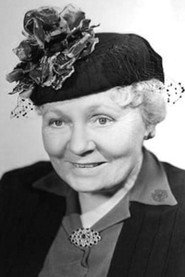 Greta MeyerFrau Schuman
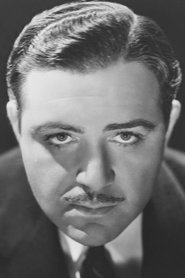 Akim TamiroffRudolpho
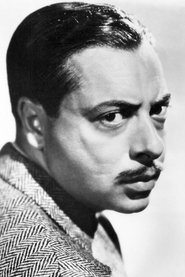 Harold HuberAbe
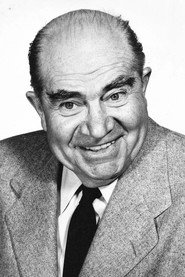 Edward BrophyZeke
Directing
- W.S. Van DykeDirector
Writing
- Rida Johnson YoungBook
- Gus KahnLyricist
- Rida Johnson YoungLyricist
- Albert HackettScreenplay
- Frances GoodrichScreenplay
- John Lee MahinScreenplay
Production
- Hunt StrombergProducer
- W.S. Van DykeProducer
Recommended by
The Merry Widow, Bitter Sweet, Maytime, Rose Marie, The Student Prince, The Firefly, The Chocolate Soldier, The Desert Song, The Great Victor Herbert, The Rogue Song, The Cat and the Fiddle, King of Burlesque, Sweet Adeline, Viennese Nights, Fiesta, Caravan, New Moon, The Gypsy Baron, Sunny, The Vagabond King, The Cuban Love Song, Sing Me a Love Song