
Film
Sweet Adeline
- Romance
- Backstage musical
- Light-hearted
A 1934 musical romance set in 1898 New York, where a brewery owner's daughter gets her shot at Broadway stardom through a composer's operetta. It's a breezy, song-filled confection with real charm: Irene Dunne's warmth anchors the romantic entanglements and musical numbers that drive the plot. For anyone who loves the early MGM musicals or just wants to see how they made them a century ago.
If you liked this
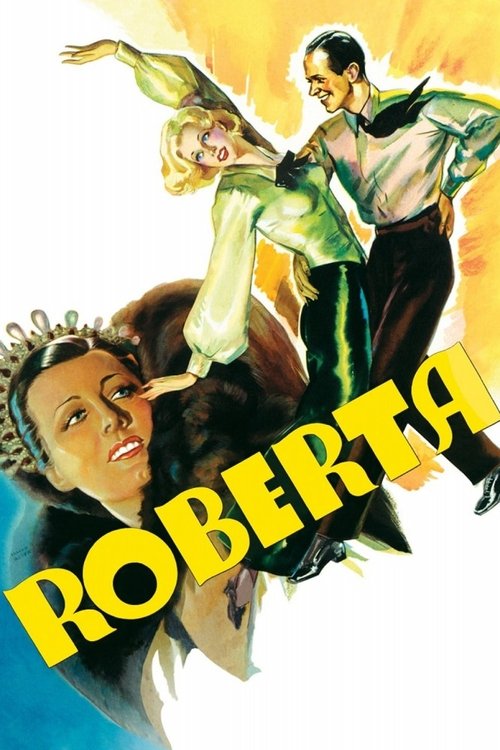
Roberta1935
Fred Astaire and Ginger Rogers in an elegantly silly musical about fashion and mistaken identity. The dancing is transcendent, the plot is cotton candy, and watching them move together is pure joy.
But The romance plot meanders, and if you're not in the mood for 1930s leisurely pacing, it drags.
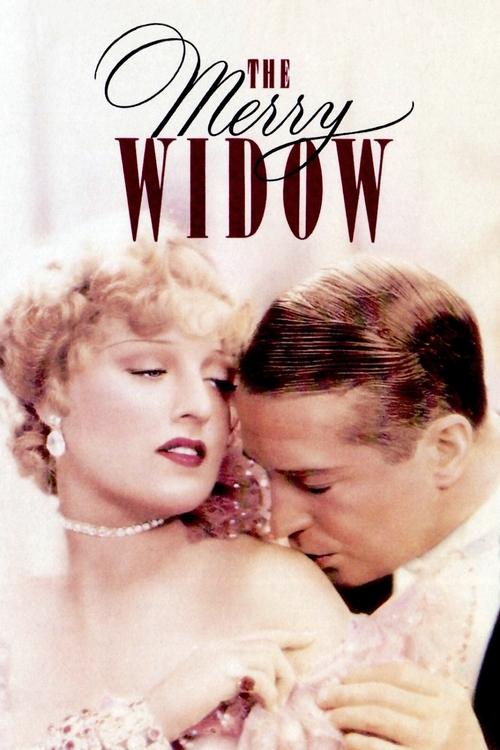
The Merry Widow1934
Jeanette MacDonald and Maurice Chevalier in an operetta-adjacent musical with genuine sophistication and chemistry. Lubitsch directed it, so even the lightweight moments have wit.
But The operetta style feels distant now; it takes patience to settle into this register of charm.
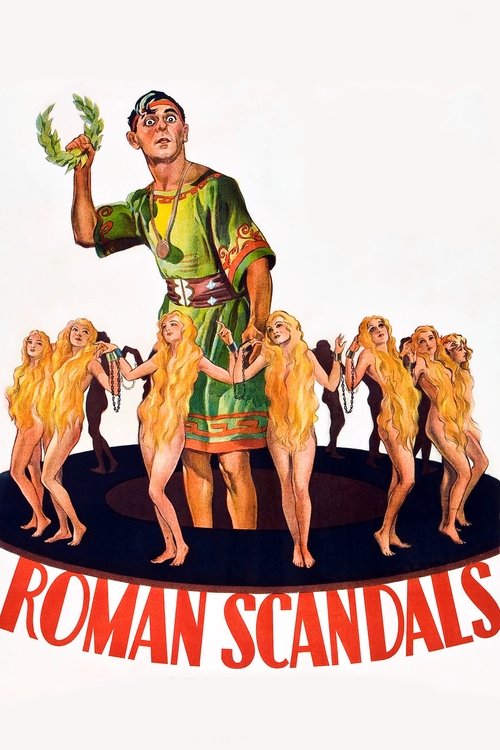
Roman Scandals1933
Eddie Cantor in a musical comedy that's more anarchic and genuinely funny than Sweet Adeline. Busby Berkeley choreography, absurdist plot, and real comedic energy throughout.
But It's episodic and sometimes feels like sketches strung together; the humor is broad and won't land if you want subtlety.
Not sure tonight? Get a pick in a minute, starting from Sweet Adeline
The wildcard
Something you would not have found on your own.
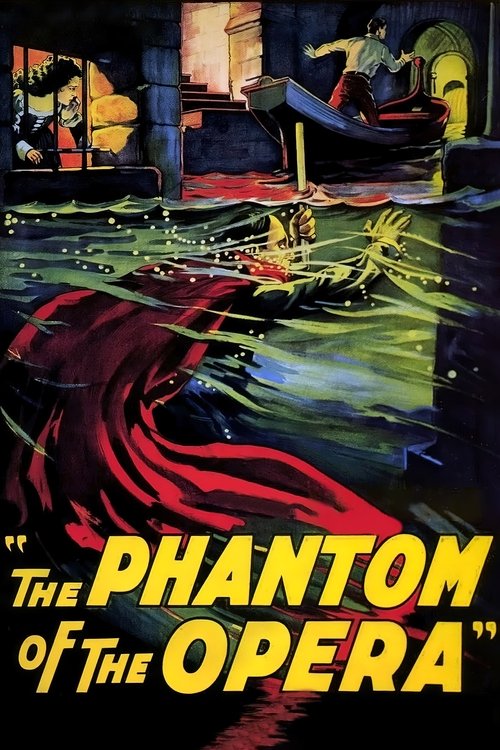
The Phantom of the Opera1925
Both center on operatic performance as the emotional engine of romance, but Phantom understands that opera is inherently tragic and unresolvable—it's what happens when musicals go dark.
Lon Chaney in a silent horror-operetta that predates Sweet Adeline by a decade. Opera and obsession, gorgeously filmed, with a genuine darkness underneath. The influence of this on every musical that followed is total.
But It's silent, so you're reading intertitles; the melodrama is operatic in the worst sense and verges on unintentional comedy.
More like this (8)
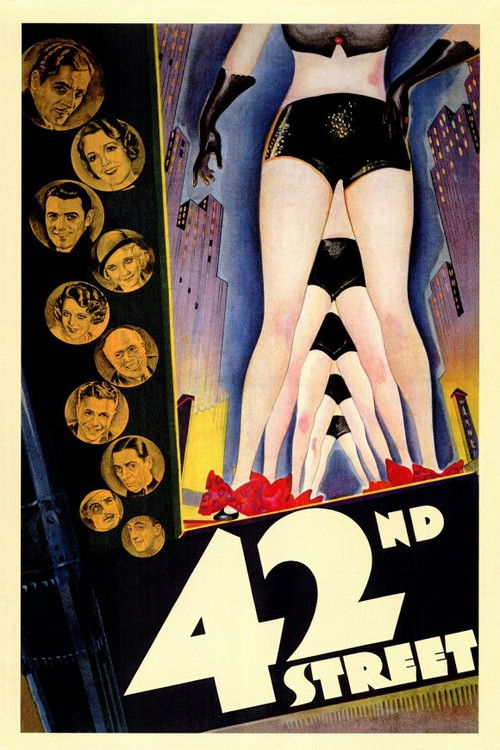
42nd Street1933
The template for the backstage musical: ambition, romance, and show business collision. Gritty and fast-paced, with a darker edge than Sweet Adeline. Busby Berkeley's choreography is dazzling.
But The misogyny of the plot is real and uncomfortable; the lead actress is treated poorly by modern standards, which the film doesn't interrogate.
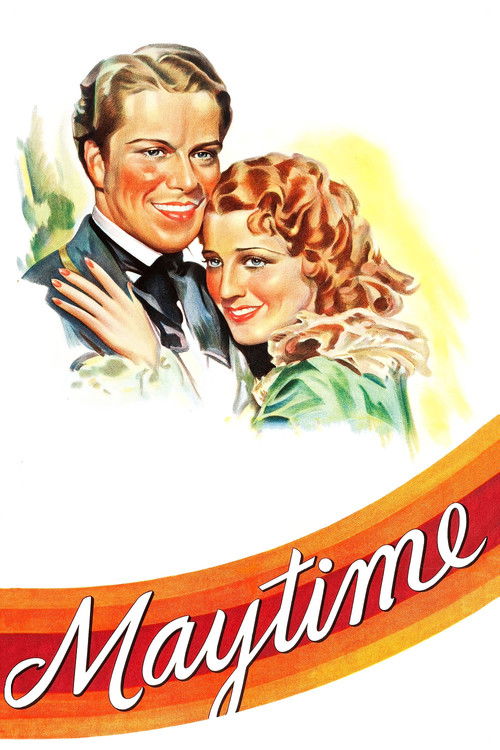
Maytime1937
Jeanette MacDonald and Nelson Eddy in an operetta romance that's genuinely moving. More melodramatic than Sweet Adeline, with better music and real emotional stakes between the leads.
But The operetta singing style is an acquired taste, and the plot hinges on sacrificial female devotion that feels dated.
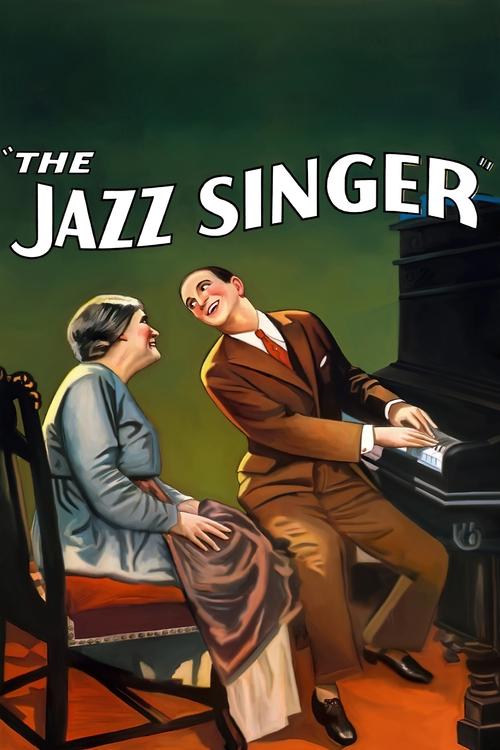
The Jazz Singer1927
The first talkie, a musical with genuine historical weight. It's rough around the edges but fascinating to see how they figured out sound in real time. The songs drive a family drama, not just decorate it.
But It's genuinely dated and the racial elements are deeply uncomfortable by modern standards; it's difficult viewing.
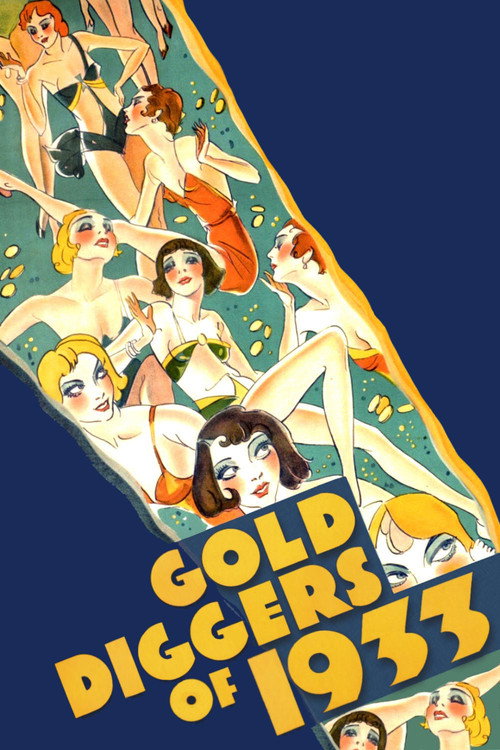
Gold Diggers of 19331933
Three working women scheming their way to romance and security in Depression-era New York. Busby Berkeley's choreography, real humor, and an unusual focus on female agency for the era.
But The plot is thin and mostly an excuse for production numbers; if you want narrative substance, look elsewhere.
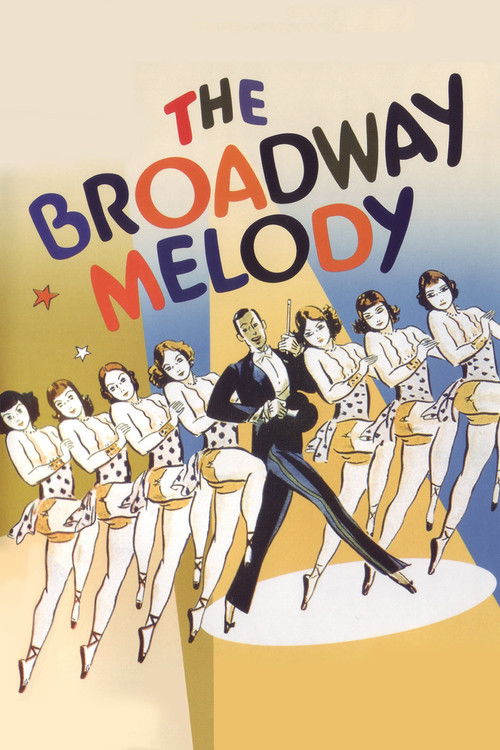
The Broadway Melody1929
The first sound-era musical, another origin story for the genre. Two sisters and a backstage romance in jazz-age New York. It's historically crucial and still has energy.
But The sound recording is muddy, the acting is broad to the point of parody, and the plot is predictable.
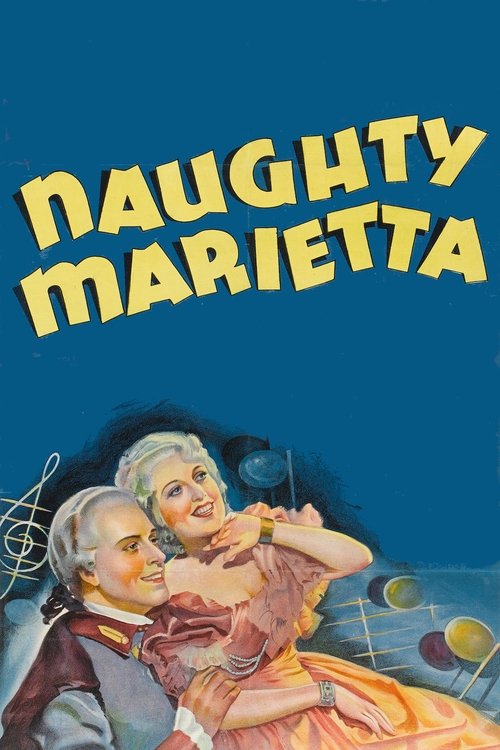
Naughty Marietta1935
Jeanette MacDonald and Nelson Eddy's first pairing, a operetta-romance about a French noblewoman in 18th-century New Orleans. Lavish, romantic, with genuinely beautiful songs and chemistry.
But It's deeply earnest and slow-moving, with a plot that collapses under scrutiny; the operetta mode requires real commitment.
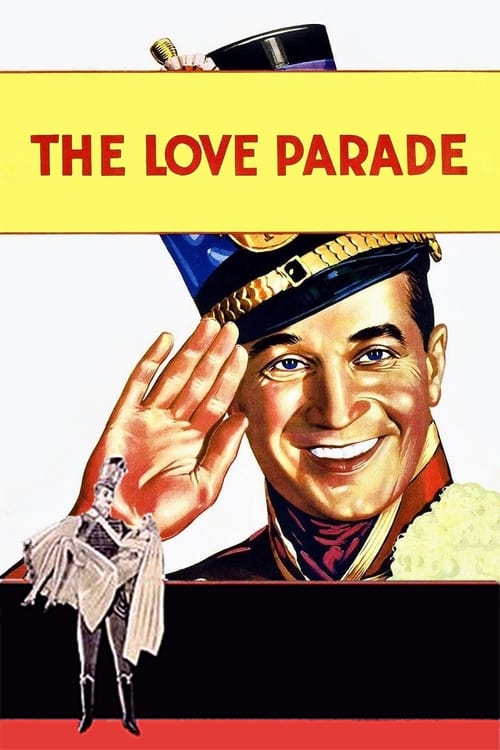
The Love Parade1929
Both are operetta-inflected romances from the same era, but Lubitsch's film uses sex, power, and class as actual subjects, not just plot decoration.
Ernst Lubitsch's first sound film, a musical operetta about a prince and a widow. It's sophisticated, funny, and genuinely clever in ways Sweet Adeline isn't. Chevalier and MacDonald with real wit underneath the romance.
But It's talky and theatrical in a very European way; if you want plot momentum, it prioritizes charm over narrative drive.
Singin' in the Rain1952
Both love backstage romance and the machinery of putting on a show, but Singin' in the Rain is a film *about* filmmaking that knows musicals are fundamentally about style and movement, not plot.
The apotheosis of the Hollywood musical: technically perfect, joyful, and about show business itself. Gene Kelly, Donald O'Connor, and Debbie Reynolds. It's the film that makes you understand why musicals matter.
But It's so perfect it can feel untouchable; some people find that perfection alienating rather than inviting.

People
Cast
 Irene DunneAdeline 'Addie' Schmidt
 Donald WoodsSid Barnett
 Hugh HerbertRupert Rockingham
 Ned SparksDan Herzig
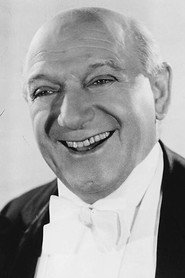 Joseph CawthornOscar Schmidt
 Wini ShawElysia
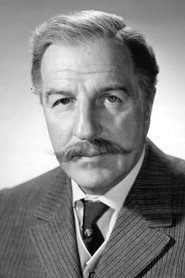 Louis CalhernMajor Jim Day
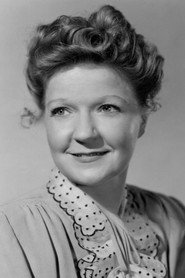 Nydia WestmanNellie
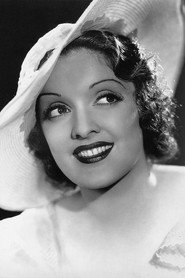 Dorothy DareDot
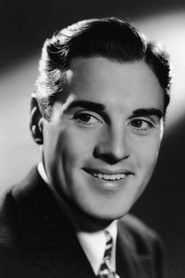 Phil ReganMichael
- Melba SnowdenChorus Girl
Directing
- Gordon HollingsheadAssistant Director
- Mervyn LeRoyDirector
Writing
- Erwin S. GelseyScreenplay
- Jerome KernWriter
- Oscar Hammerstein IIWriter
Production
- Maxwell ArnowCasting Director