
Film
Maytime
- Biopic
- Slow-burning
A lavish 1937 operetta about a retired prima donna reflecting on passion, duty, and the price of a singing career. MacDonald and Eddy's voices intertwine across decades in this emotionally ambitious film—romantic but deeply melancholic. It's for anyone who believes great music and genuine heartbreak belong in the same story.
Should you watch it?
Watch it if you love old-fashioned operetta, where the singing is the story and a big soaring number can carry a whole scene, and you don't mind a melodramatic heart on its sleeve, much like the early Lubitsch musicals.
Skip it if you want a lean modern pace, since at over two hours it lingers on sentiment and recalls a lost romance in a stately, theatrical manner that some viewers will find slow going.
What it asks of you: It asks for patience and a tolerance for lush, sincere emotion, settling into a long, memory-driven shape with many full-throated songs rather than quick cuts or sharp irony.
Not sure? Find tonight's pick in a minute.
If you liked this
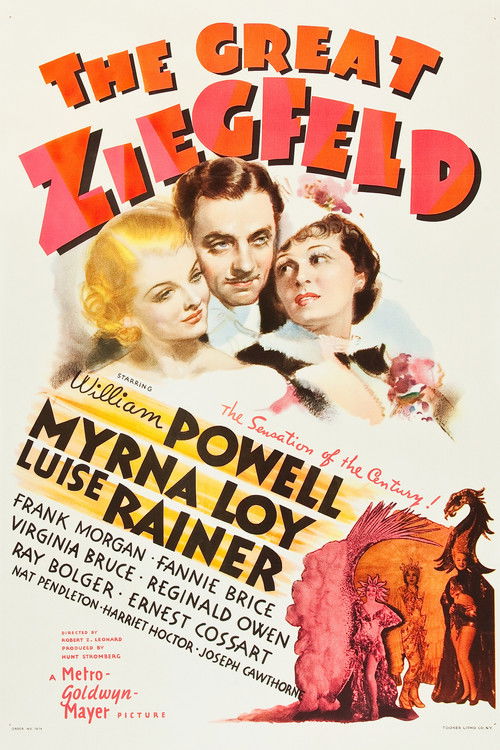
The Great Ziegfeld1936
Epic ambition about show business and artistic obsession, with elaborate musical sequences and a three-hour runtime that earns itself. Another 1930s meditation on fame's cost.
But The grandeur can feel suffocating; plot takes a back seat to spectacle and some scenes drag despite the scale.
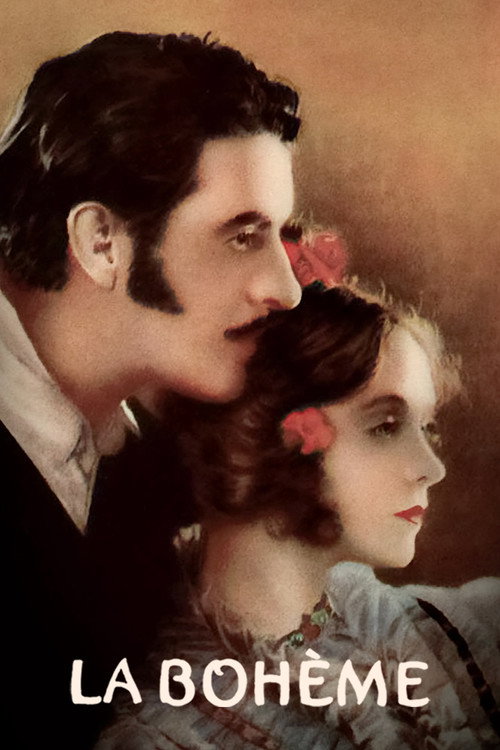
La Bohème1926
Lillian Gish in an operatic tragedy about artists and impossible love. Silent film translating the same emotional language Maytime speaks—yearning, sacrifice, beauty as a kind of doom.
But Silent, so if you need spoken dialogue to stay engaged, this demands more patience than many modern viewers have.
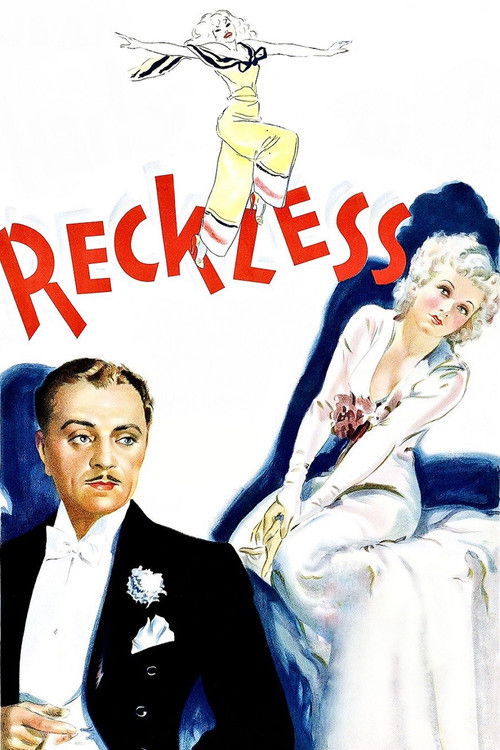
Reckless1935
Jean Harlow as a theatrical star undone by her own choices. Similar DNA: backstage romance, a woman's public and private selves at war, 1930s glamour with an edge of real sadness.
But Harlow's tragically short career haunts the viewing; the ending carries a weight that overshadows some lighter moments.
Not sure tonight? Get a pick in a minute, starting from Maytime
The wildcard
Something you would not have found on your own.
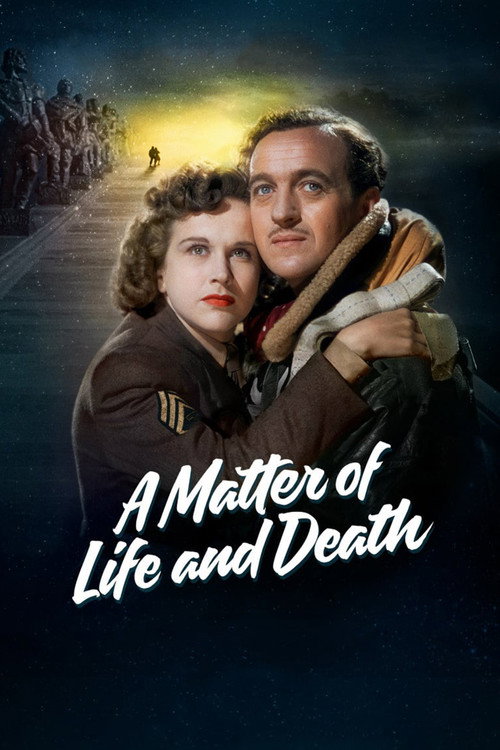
A Matter of Life and Death1946
Both films ask whether love is worth the cost of everything else, and both answer yes while showing you exactly what everything else costs.
Powell and Pressburger's afterlife romance: a pilot falls in love, dies, and argues with Heaven itself to stay with her. Same architecture—passionate love negotiating with fate and duty—but in a completely different register: wartime British cinema, magical realism, philosophical rather than operatic.
But It's abstract and metaphysical where Maytime is emotional; you need patience for ideas expressed through visuals rather than music.
More like this (8)
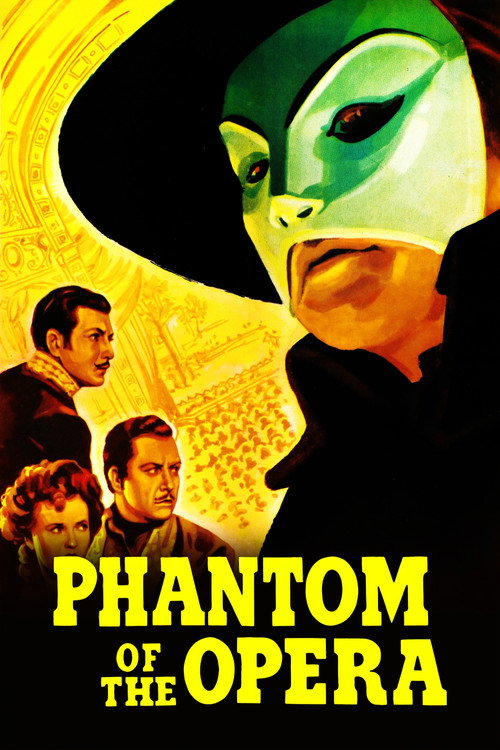
Phantom of the Opera1943
Claude Rains and Susanna Foster in Technicolor operatic melodrama. Obsessive love, great singing, Gothic atmosphere, and the same belief that music justifies emotional extremes.
But The tone lurches between camp and sincerity; if you want consistency of mood, this isn't it.
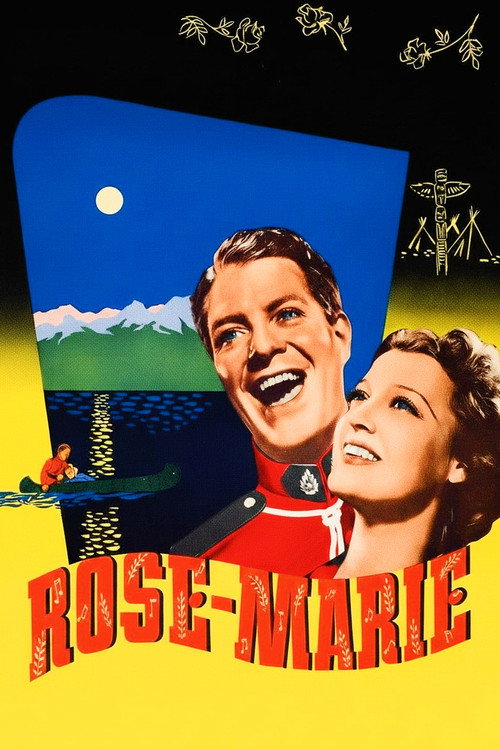
Rose Marie1936
MacDonald and Eddy reunited in the Canadian wilderness. Pure operetta charm, gorgeous singing, romance across class and circumstance—lighter than Maytime but from the same tradition.
But The plot is tissue-thin and colonial attitudes haven't aged well; you're watching for voices, not story.
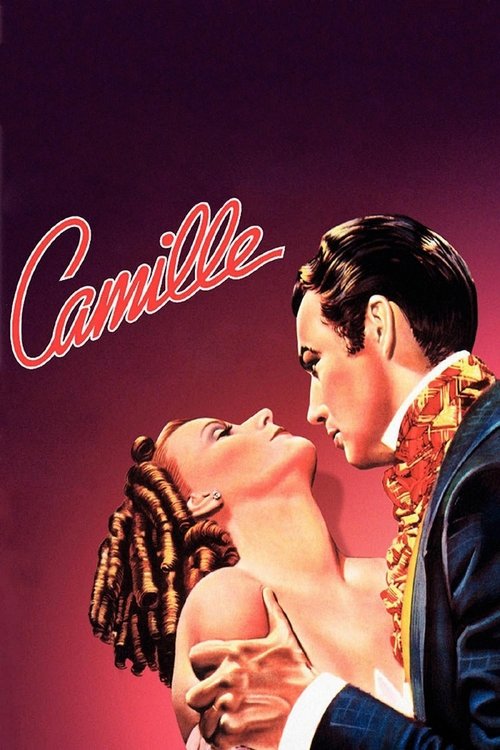
Camille1936
Greta Garbo and Robert Taylor in a tragedy about a courtesan and a young man—similar architecture of impossible love and sacrifice, though without the musical element.
But It's slower and more austere than Maytime; if you want emotion expressed through song, the silence here feels like emptiness.
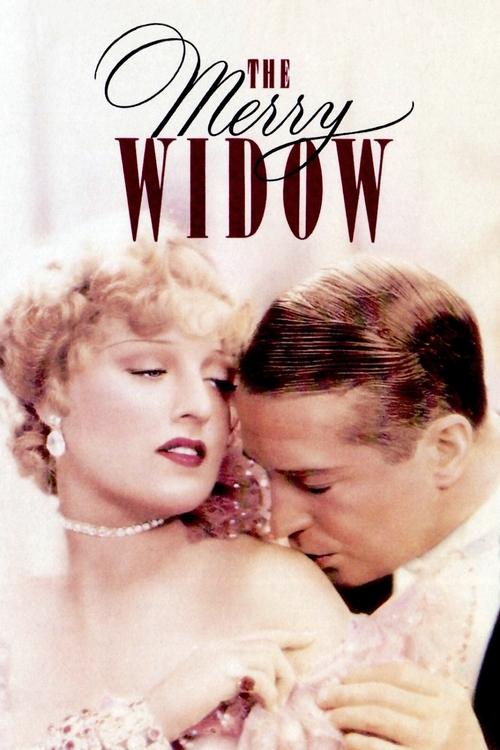
The Merry Widow1934
Ernst Lubitsch directing operetta. Charm and sexual tension, a widow's independence, and the argument between duty and desire that drives Maytime's heart.
But It's comedy first, drama second—tonal opposite of Maytime's melancholy, which might feel too light if that's what you came for.
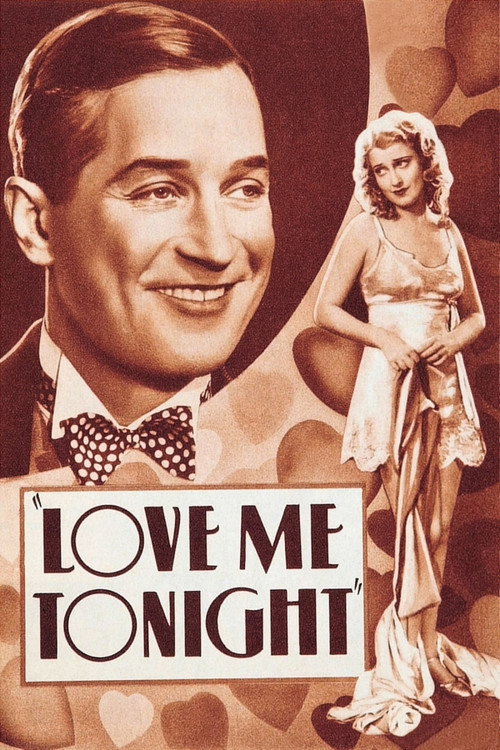
Love Me Tonight1932
Maurice Chevalier and Jeanette MacDonald in Rouben Mamoulian's musical masterpiece. Romance, class conflict, gorgeous songwriting, and genuine wit within the operetta idiom.
But Musical comedies of this era can feel quaint; if you need contemporary sensibilities, the courtship rituals will seem alien.
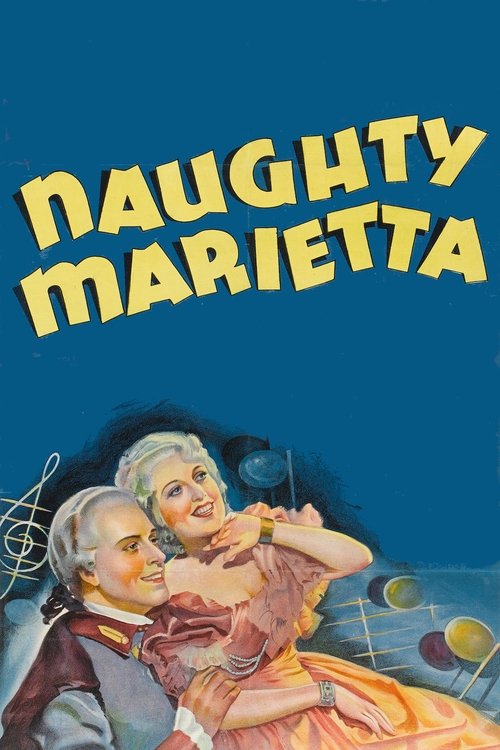
Naughty Marietta1935
MacDonald and Eddy's first pairing, set in colonial New Orleans. Establishes the voice-based chemistry you're hearing in Maytime, with adventure and costume spectacle.
But It prioritizes charm over depth; after Maytime's emotional weight, it might feel slight and dated.
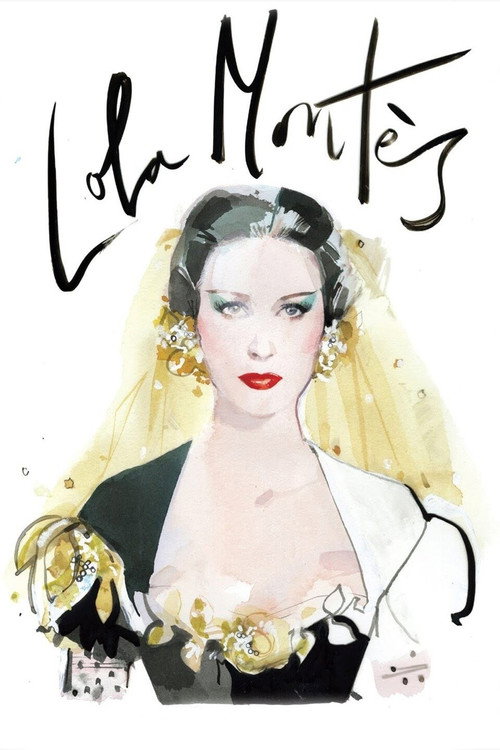
Lola Montès1955
Both follow aging performers remembering youth and passion; both argue that a woman's artistic gifts make her too valuable to love safely.
Max Ophüls' final film: a circus frames the biography of a legendary courtesan and performer. Maytime's themes—a woman's life in performance, the past haunting the present, romance and ruin—but in full color, Ophüls' elaborate camera work, and with real cynicism about fame.
But It's formally experimental and emotionally cold; Ophüls keeps us distant even as the story breaks your heart, and that detachment frustrates viewers wanting warmth.
The Red Shoes1948
Both films believe art and love are incompatible gods, and both are about what it costs a woman to worship at both altars.
Powell and Pressburger again: a ballerina choosing between love and art, with Technicolor so vivid it feels like a dream. Dance replaces song, but the obsession, the beauty, the impossible choice—Maytime's emotional core in a different art form.
But The ballet sequences are lengthy; if you don't care about dance, you'll feel the film stalling at crucial moments.

People
Cast
 Jeanette MacDonaldMarcia Mornay
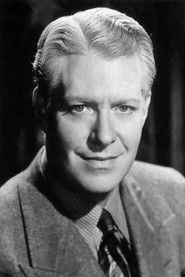 Nelson EddyPaul Allison
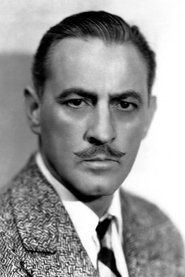 John BarrymoreNicolai Nazaroff
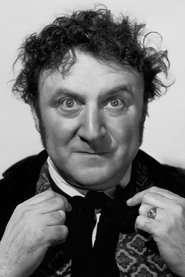 Herman BingAugust Archipenko
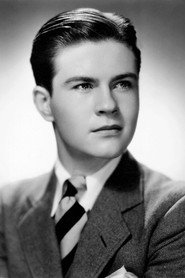 Tom BrownKip Stuart
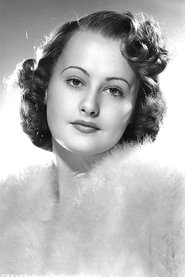 Lynne CarverBarbara Roberts
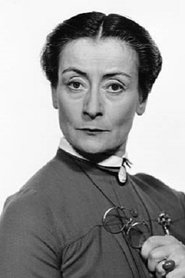 Rafaela OttianoEllen
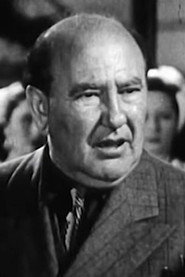 Charles JudelsCabby
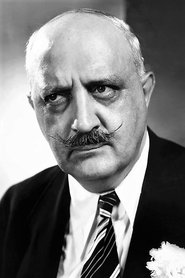 Paul PorcasiTrentini
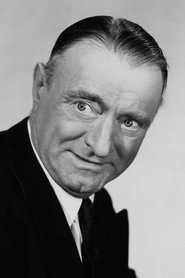 Sig RumanFanchon
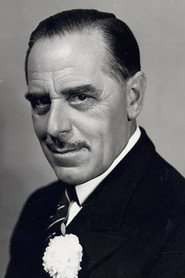 Walter KingsfordMr. Rudyard
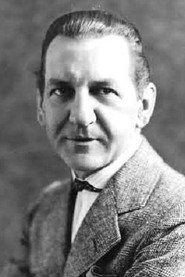 Guy Bates PostLouis Napoleon
Directing
- Joseph M. NewmanAssistant Director
- Marvin StuartAssistant Director
- Robert Z. LeonardDirector
Writing
- George ForrestLyricist
- Rida Johnson YoungLyricist
- Robert WrightLyricist
- Rida Johnson YoungOpera
- Rida Johnson YoungTheatre Play
- Noel LangleyWriter
Production
- Irving ThalbergExecutive Producer
- Gregor RabinovitchProducer
- Hunt StrombergProducer
- Robert Z. LeonardProducer
Recommended by
Queen Christina, You Were Never Lovelier, High, Wide and Handsome, Bitter Sweet, Rose Marie, Naughty Marietta, Rose Marie, The Student Prince, The Firefly, The Chocolate Soldier, Sweethearts, Pagan Love Song, The Great Victor Herbert, Lullaby of Broadway, Springtime in the Rockies, Blossom Time, The Rogue Song, The Fabulous Dorseys, Broadway Melody of 1940, Nancy Goes to Rio, Down Argentine Way, Sweet Adeline, Sing, Baby, Sing, Anything Goes, Swing High, Swing Low, I Married an Angel, Salute, New Moon, The Vagabond King, The Cuban Love Song, Whoopee!