
Film
Broadway Melody of 1940
A 1940 musical romance where two struggling dancers get their big break—but a mix-up over money and identity threatens to pull them apart just as success arrives. It's a film designed to showcase Fred Astaire and Eleanor Powell at their absolute peak, with elegant production numbers and a plot that exists mainly to justify the dancing. Pure escapism for anyone who loves watching perfect bodies move through space.
If you liked this
Singin' in the Rain1952
The gold standard of Hollywood musicals: a love story, a mystery, and dance sequences so joyful they feel like they're happening in real time. Gene Kelly and Donald O'Connor make it look like the easiest thing in the world.
But The plot is thin and it knows it, so if you need story momentum, this will feel like it's stopping constantly to dance. Also it's been called perfect so many times it arrives with a heavy weight of expectation.

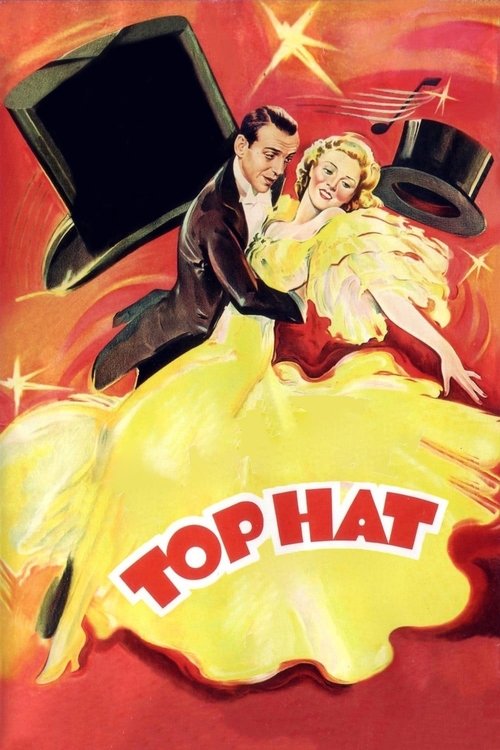
Top Hat1935
Fred Astaire and Ginger Rogers at their most effortless: witty, romantic, and the dancing is so clean you could set a watch by it. A film that understands that elegance and joy are not contradictions.
But The supporting plot about mistaken identity feels very of its era—dated social attitudes and a thinness that would wear on you if you weren't here for the dancing.
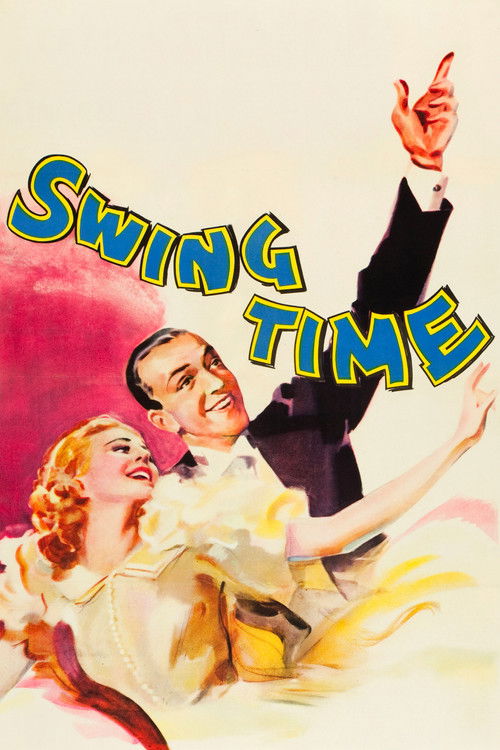
Swing Time1936
Astaire and Rogers reunite with an absurdly talented supporting cast. The dancing is some of the most inventive ever filmed—Astaire dancing in a nightclub to a drum solo is worth the price of admission alone.
But The plot mechanics creak badly by modern standards and there are stretches where the film seems to forget it has a story. Some find it needlessly complicated for what should be simple.
Not sure tonight? Get a pick in a minute, starting from Broadway Melody of 1940
The wildcard
Something you would not have found on your own.
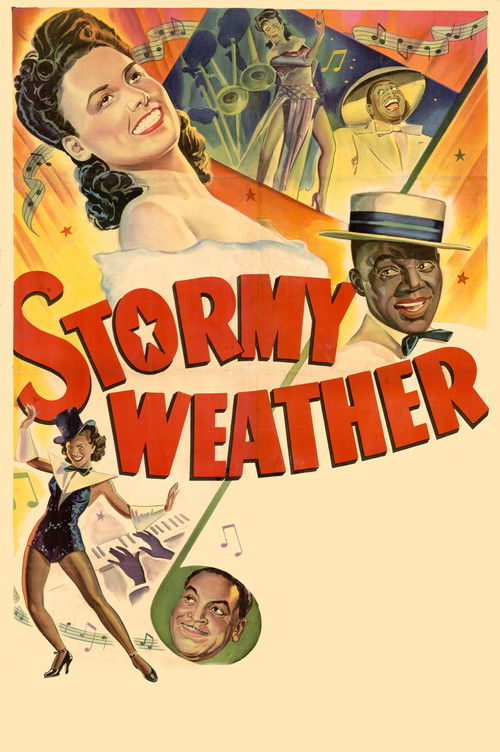
Stormy Weather1943
Same era, same spirit of pure entertainment, but this one insists on Black excellence at a moment when Hollywood had no interest in admitting it existed.
Lena Horne, Bill 'Bojangles' Robinson, Cab Calloway, and the Nicholas Brothers—a musical that sits just outside the mainstream because its cast exists in a different Hollywood. The tap dancing is transcendent and it swings harder than anything else from that moment.
But The plot is negligible even for a musical, barely a frame for the numbers. The film also documents the segregation of 1940s Hollywood—the spectacle exists within a painful context. Some of the stereotypes are uncomfortable.
More like this (6)
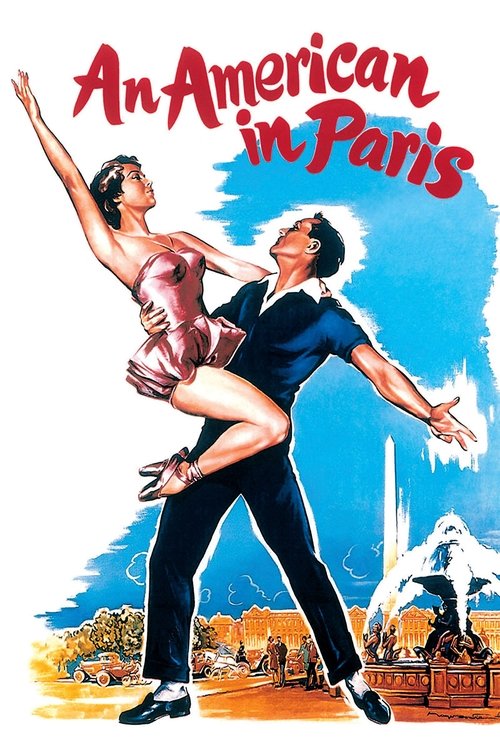
An American in Paris1951
Gene Kelly in post-war Paris, dancing through color and light like he's painting with his body. The final 20-minute ballet is audacious—Vincente Minnelli at his most visually ambitious.
But The romance is genuinely irritating and the lead female character is underwritten. If the story bores you, even the dancing can't quite carry it the whole way.
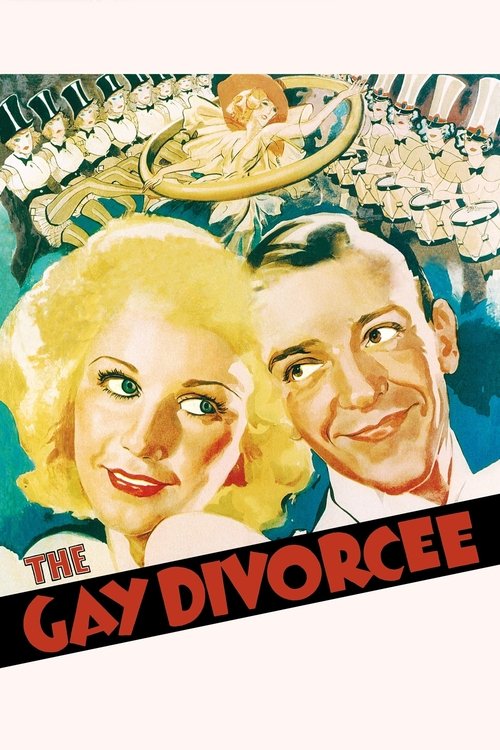
The Gay Divorcee1934
Astaire and Rogers' second film together and perhaps their loosest, funniest collaboration. The 'Night and Day' number alone justifies its existence. Snappy, confident, and it moves.
But It's quite short and some of the comedy timing has weathered unevenly. The plot is genuinely confusing in places because no one cared much about it.
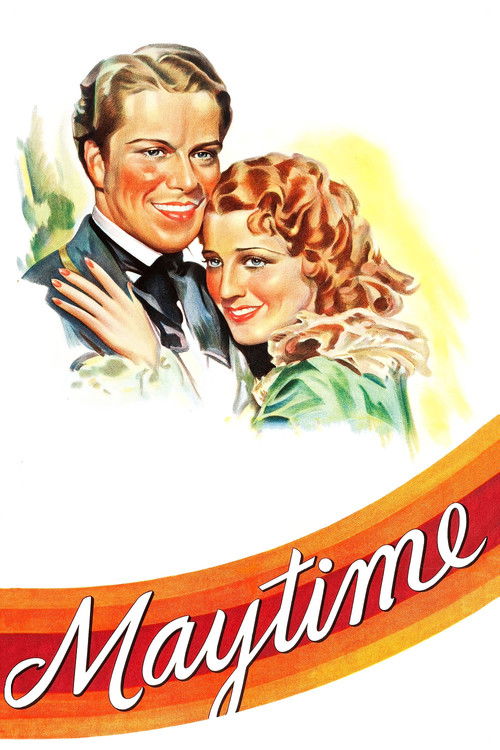
Maytime1937
Nelson Eddy and Jeanette MacDonald in a romantic operetta that actually commits to emotion. Lush orchestrations, real voices, and a genuinely touching ending. If you like the music more than the dancing, this is the one.
But It's slow-paced and the plot—a love triangle spanning decades—is genuinely melodramatic. If operetta isn't your language, this will feel like three hours.
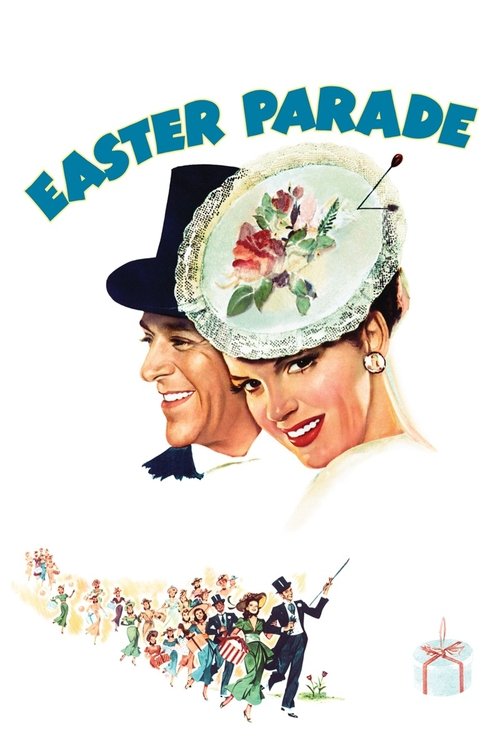
Easter Parade1948
Fred Astaire back with Judy Garland, and the film has a breezy, almost casual charm. Irving Berlin tunes throughout, and the Easter Parade number itself is joyful nonsense in the best way.
But Astaire was 49 when he made this and the film doesn't quite have the energy of his 1930s work. Some of the comedy feels thin and the plot even more forgettable than usual.
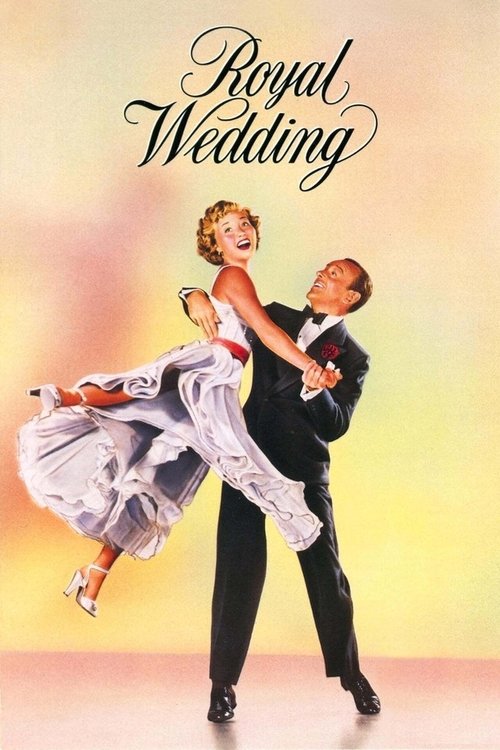
Royal Wedding1951
Fred Astaire dancing with a coat rack, a wall, and a ceiling in a sequence so delightful it transcends its own strangeness. Jane Powell is charming and the London setting gives it visual texture.
But Astaire was 52 and this is late-career work—the supporting cast doesn't inspire confidence and long stretches feel like a hangover from a previous era of musicals.
The Red Shoes1948
Both love dancers and the camera, but where Broadway Melody celebrates the performer, Red Shoes asks what we sacrifice to perform. One is about success, the other about the cost.
Michael Powell and Emeric Pressburger made a film where dance and cinema are the same language. The ballet at the heart of the film is shot like nothing else—movement becomes psychology, becomes color, becomes the entire reason for watching.
But It's not a dance musical in the old sense—there's real darkness at the core and the ending is not what audiences expected in 1948. If you want entertainment and lightness, this will feel like a betrayal.

People
Cast
 Fred AstaireJohnny Brett
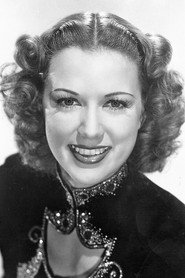 Eleanor PowellClare Bennett
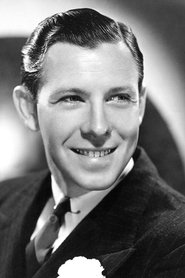 George MurphyKing Shaw
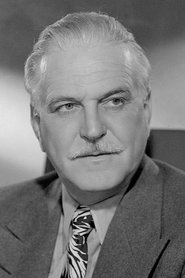 Frank MorganBob Casey
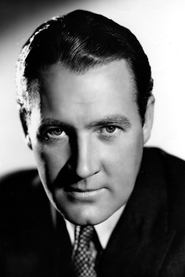 Ian HunterBert C. Matthews
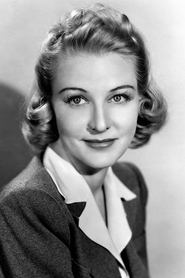 Florence RiceAmy Blake
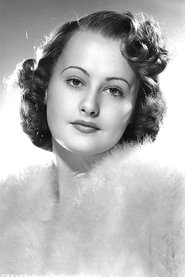 Lynne CarverEmmy Lou Lee
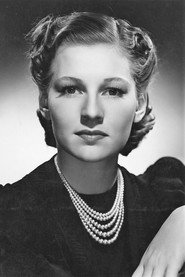 Ann MorrissPearl
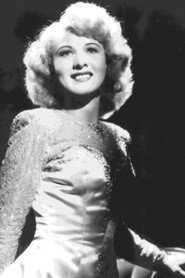 Trixie FirschkeJuggler
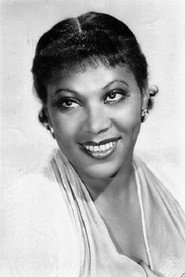 Libby TaylorAngel (uncredited)
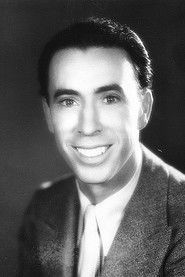 George ChandlerMr. Jones (uncredited)
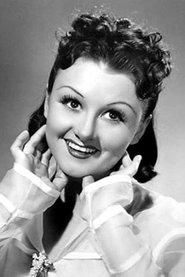 Gladys BlakeMiss Martin (uncredited)
Directing
- Norman TaurogDirector
Writing
- Cole PorterLyricist
- George OppenheimerScreenplay
- Leon GordonScreenplay
- Dore ScharyStory
- Jack McGowanStory
Production
- Jack CummingsProducer
Recommended by
For Me and My Gal, Straight, Place and Show, Music in My Heart